Works for:
based on ingredients and %- Moisturizing
- Anti-blemish
Can it cause trouble?
- Irritation risk: high
- Comedogenic risk ingredients: 7
Key actives
Works for
Moisturizing
What does the product description say?
Almond Coconut Cream Body Wash (100ml) Lather your skin with a luxurious foam using this fragrant body wash. Nourishing and moisturising, you’ll be able to enjoy a sumptuously smooth finish that’s hydrated and will never feel dry.
Source: Cultbeauty
This product can help improve hydration of the skin with the two types of ingredients.
The first type is called “humectants”:
these ingredients help attract water.
When humectants are on the surface of the skin, they “pull in” the moisture from the outside environment, or from
within deeper layers of the skin. The following ingredients in this product do the job:
glycerin, sodium hyaluronate.
This product also contains ingredients called “occlusives”. They help reduce the speed with which our skin loses moisture to the outside environment. These ingredients also help soften the upper layer of the skin, so it feels less tight and nicer to the touch. The following ingredients in this product do the job: cocos nucifera oil, dimethicone.
The following ingredients in this product are especially good for supporting the skin barrier and helping with the hydration level: panthenol
A great emollient that can also have anti-oxidant properties
One of the best moisturizing ingredients. Attracts water into the upper layer of the skin
An emollient. Found to be as effective as a moisturizer for dry skin as mineral oil. Could be comedogenic
A silicone that helps to reduce water loss from the surface of the skin. Can temporarily "fill in" lines and wrinkles, absorb oil, and create a nice product finish
Helps reduce acne and blemishes. Helps to soften the upper layer of the skin and reduce inflammation. Might be helpful in reducing hyperpigmentation and evening out the skin tone, but evidence of effectiveness in skin are lacking
One of the best moisturizing ingredients. Naturally present in skin. It attracts water to the upper layer of the skin working as a humectant
An emollient that helps soften the skin
An emollient made of jojoba oil. Helps soften the skin and support its barrier function
Helps soften the upper layer of the skin and might have some anti-oxidant properties
Helps attract water to the upper layer of the skin and can help improve skin barrier function
An emollient that helps soften the skin and can decrease moisture loss. Helps create a nice product texture
Helps to soften the upper layer of the skin and attract water to it
Enhances the product texture and makes it more spreadable. Helps reduce water loss from the outer layer of skin. Extands the shelf life by preventing bacteria growth
Helps attract water to the skin and might have some anti-bacterial properties. Can be an allergen
Helps attract water to the upper layer of the skin
Helps attract water to the upper layer of the skin. Might have some anti-oxidant properties
A non-drying alcohol. Works as an emollient. Helps water and oil mix together and creates a nice product texture
An emollient that softens the skin
An emollient that helps to soften the skin and create a pleasant product texture and stabilize the formulation
An emollient that softens the skin and forms a protective layer on its surface. Helps water and oil mix together
Traditionally used to treat sunburns, dermatitis and inflammation, but evidence for its effectiveness is lacking. The extract can contain humectants that help attract water into the skin
Improves the texture of the product and helps soften the skin. Helps oil and water mix together and can be used as a cleansing agent
A good mix of fatty acids that forms a protective layer on the skin. Improves the shelf life of products. Derived from coconut and glycerin
An emollient. Is not recommended for acne-prone skin as it can be comedogenic
A great moisturising ingredient that softens the skin and reduces water loss from its upper layer. It also can be helpful in protecting skin from free radicals
Used mostly for creating emulsions - helping oil and water mix together. Helps soften the upper layer of the skin
Anti-blemish
This product might be able to help reduce blemishes and clogged pores because it contains ethyl linoleate.
Helps reduce acne and blemishes. Helps to soften the upper layer of the skin and reduce inflammation. Might be helpful in reducing hyperpigmentation and evening out the skin tone, but evidence of effectiveness in skin are lacking
Three steps removed from the active form of vitamin A - retinoic acid. To have an effect in the skin, it first needs to be converted twice to become the retinoic acid. This means it is less potent than retinol, but could also be less irritating. Once converted to the retinoic acid in the skin, it helps against all signs of aging, improves skin cell turnover and helps fight blemishes and clogged pores. However, in many cosmetic formulations, it is used in a concentration that is too low to have the full effect
How honest is this product?
| Promise | Can it deliver? |
|---|---|
| Moisturizing |
Total Promises Fulfilled score: 100/100.
We receive a small commission for purchases made through these links at no cost for you. Thank you for your support! Learn more
Affiliate link · supports WIMJ at no cost to you
Potential irritants
Comedogenic ingredients
User reviews (0)
Averages from community submissions.
No reviews yet for this product.
Be the first to share your experience!
Tried this product?
Help capture what the ingredient list can't—texture, finish, pilling, scent, and more. Answer what you can, skip the rest.
Takes ~30 seconds.
Reviews are shown in aggregate. No personal details.
| Product | Similarity | Price | Irritancy |
|---|---|---|---|
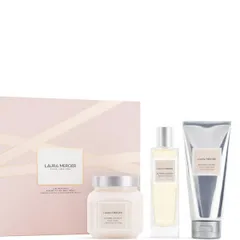
 Laura Mercier Luxe Indulgence Almond Coconut Body Triplet | Current | ≈ $99.05 | |
 NEST New York Citrine Body Cream | 52% | - | |
 Oribe Restorative Body Crme | 51% | ≈ $56.80 | |
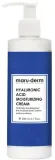 Maruderm Hyaluronic Acid Moisturizer Face & Body Cream | 50% | $21.99 | |
 Naturium Bio-Lipid Restoring Body Lotion | 50% | $6.00 | |
 SheaMoisture 100% Virgin Coconut Oil Daily Hydration Body Lotion | 50% | $8.49 |
Key Actives
Helps reduce acne and blemishes. Helps to soften the upper layer of the skin and reduce inflammation. Might be helpful in reducing hyperpigmentation and evening out the skin tone, but evidence of effectiveness in skin are lacking
Three steps removed from the active form of vitamin A - retinoic acid. To have an effect in the skin, it first needs to be converted twice to become the retinoic acid. This means it is less potent than retinol, but could also be less irritating. Once converted to the retinoic acid in the skin, it helps against all signs of aging, improves skin cell turnover and helps fight blemishes and clogged pores. However, in many cosmetic formulations, it is used in a concentration that is too low to have the full effect
Helps attract water to the upper layer of the skin and can help improve skin barrier function
A great moisturising ingredient that softens the skin and reduces water loss from its upper layer. It also can be helpful in protecting skin from free radicals
Helps attract water to the upper layer of the skin and can help improve skin barrier function
A great emollient that can also have anti-oxidant properties
A silicone that helps to reduce water loss from the surface of the skin. Can temporarily "fill in" lines and wrinkles, absorb oil, and create a nice product finish
One of the best moisturizing ingredients. Naturally present in skin. It attracts water to the upper layer of the skin working as a humectant
A good mix of fatty acids that forms a protective layer on the skin. Improves the shelf life of products. Derived from coconut and glycerin
One of the best moisturizing ingredients. Naturally present in skin. It attracts water to the upper layer of the skin working as a humectant
An emollient that helps soften the skin
An emollient. Is not recommended for acne-prone skin as it can be comedogenic
An emollient. Found to be as effective as a moisturizer for dry skin as mineral oil. Could be comedogenic
Helps soften the upper layer of the skin and might have some anti-oxidant properties
One of the best moisturizing ingredients. Attracts water into the upper layer of the skin
An emollient made of jojoba oil. Helps soften the skin and support its barrier function
Potential irritants
Works as a foaming cleansing agent
A plant extract used as a fragrance. Can be irritating
A preservative. Can be used to mask unpleasant smell. Can be irritating
Three steps removed from the active form of vitamin A - retinoic acid. To have an effect in the skin, it first needs to be converted twice to become the retinoic acid. This means it is less potent than retinol, but could also be less irritating. Once converted to the retinoic acid in the skin, it helps against all signs of aging, improves skin cell turnover and helps fight blemishes and clogged pores. However, in many cosmetic formulations, it is used in a concentration that is too low to have the full effect
Fragrance with sweet balsamic smell. Help to preserve products and dissolve other ingredients. Could trigger allergic reactions and be irritating
Helps oils and water mix together and works as a cleansing agent
Helps protect the ingredients in the formulation against UV light
Can work as an exfoliant but is typically used to adjust the product pH
A good mix of fatty acids that forms a protective layer on the skin. Improves the shelf life of products. Derived from coconut and glycerin
An emollient. Is not recommended for acne-prone skin as it can be comedogenic
A great emollient that can also have anti-oxidant properties
Traditionally used to treat sunburns, dermatitis and inflammation, but evidence for its effectiveness is lacking. The extract can contain humectants that help attract water into the skin
An emollient made of jojoba oil. Helps soften the skin and support its barrier function
Helps reduce acne and blemishes. Helps to soften the upper layer of the skin and reduce inflammation. Might be helpful in reducing hyperpigmentation and evening out the skin tone, but evidence of effectiveness in skin are lacking
Ethyl oleate is a long-chain fatty acid ethyl ester resulting from the formal condensation of the carboxy group of oleic acid with the hydroxy group of ethanol. It derives from an oleic acid. In skincare, it is used to soften the upper layer of the skin, improve the product texture and smell
A more stable but less bio-available form of vitamin E compared to Tocopherol. Might help moisturize and protect the skin from free radicals, but mostly used in low concentrations to stabilize other ingredients.
Comedogenic ingredients
Works as a foaming cleansing agent
A non-drying alcohol. Works as an emollient. Helps water and oil mix together and creates a nice product texture
An emollient. Is not recommended for acne-prone skin as it can be comedogenic
An emollient. Found to be as effective as a moisturizer for dry skin as mineral oil. Could be comedogenic
A great moisturising ingredient that softens the skin and reduces water loss from its upper layer. It also can be helpful in protecting skin from free radicals
All ingredients
Works as a foaming cleansing agent
Helps oils and water mix together and works as a cleansing agent
Helps attract water to the upper layer of the skin and can help improve skin barrier function
One of the best moisturizing ingredients. Naturally present in skin. It attracts water to the upper layer of the skin working as a humectant
Helps attract water to the upper layer of the skin. Might have some anti-oxidant properties
Helps attract water to the skin and might have some anti-bacterial properties. Can be an allergen
Helps attract water to the skin and might have some anti-bacterial properties. Can be an allergen
Might be helpful in neutralizing free radicals in skin
A plant extract used as a fragrance. Can be irritating
Helps water and oil mix together and create a nice product texture
Helps soften the upper layer of the skin and create a nice product finish
Helps protect the ingredients in the formulation against UV light
Can work as an exfoliant but is typically used to adjust the product pH
A preservative. Can be used to mask unpleasant smell. Can be irritating
A preservative. It helps prevent bacterial growth in cosmetic products
A good mix of fatty acids that forms a protective layer on the skin. Improves the shelf life of products. Derived from coconut and glycerin
One of the best moisturizing ingredients. Naturally present in skin. It attracts water to the upper layer of the skin working as a humectant
Enhances the product texture and makes it more spreadable. Helps reduce water loss from the outer layer of skin. Extands the shelf life by preventing bacteria growth
A non-drying alcohol. Works as an emollient. Helps water and oil mix together and creates a nice product texture
An emollient that softens the skin and forms a protective layer on its surface. Helps water and oil mix together
Helps oil and water mix togehter and creates a nice product texture
An emollient. Is not recommended for acne-prone skin as it can be comedogenic
A great emollient that can also have anti-oxidant properties
An emollient that helps soften the skin and can decrease moisture loss. Helps create a nice product texture
A silicone that helps to reduce water loss from the surface of the skin. Can temporarily "fill in" lines and wrinkles, absorb oil, and create a nice product finish
Might be helpful in neutralizing free radicals in skin
Helps attract water to the skin and might have some anti-bacterial properties. Can be an allergen
A plant extract used as a fragrance. Can be irritating
An emollient. Found to be as effective as a moisturizer for dry skin as mineral oil. Could be comedogenic
Helps soften the upper layer of the skin and might have some anti-oxidant properties
A great moisturising ingredient that softens the skin and reduces water loss from its upper layer. It also can be helpful in protecting skin from free radicals
Helps water and oil mix together and create gel-like textures
Improves the texture of the product and helps soften the skin. Helps oil and water mix together and can be used as a cleansing agent
One of the best moisturizing ingredients. Attracts water into the upper layer of the skin
Traditionally used to treat sunburns, dermatitis and inflammation, but evidence for its effectiveness is lacking. The extract can contain humectants that help attract water into the skin
Helps attract water to the skin and might have some anti-bacterial properties. Can be an allergen
Helps attract water to the upper layer of the skin and can help improve skin barrier function
Helps attract water to the upper layer of the skin. Might have some anti-oxidant properties
An emollient made of jojoba oil. Helps soften the skin and support its barrier function
Helps reduce acne and blemishes. Helps to soften the upper layer of the skin and reduce inflammation. Might be helpful in reducing hyperpigmentation and evening out the skin tone, but evidence of effectiveness in skin are lacking
Ethyl oleate is a long-chain fatty acid ethyl ester resulting from the formal condensation of the carboxy group of oleic acid with the hydroxy group of ethanol. It derives from an oleic acid. In skincare, it is used to soften the upper layer of the skin, improve the product texture and smell
Used mostly for creating emulsions - helping oil and water mix together. Helps soften the upper layer of the skin
An emollient that helps to soften the skin and create a pleasant product texture and stabilize the formulation
Three steps removed from the active form of vitamin A - retinoic acid. To have an effect in the skin, it first needs to be converted twice to become the retinoic acid. This means it is less potent than retinol, but could also be less irritating. Once converted to the retinoic acid in the skin, it helps against all signs of aging, improves skin cell turnover and helps fight blemishes and clogged pores. However, in many cosmetic formulations, it is used in a concentration that is too low to have the full effect
A more stable but less bio-available form of vitamin E compared to Tocopherol. Might help moisturize and protect the skin from free radicals, but mostly used in low concentrations to stabilize other ingredients.
Fragrance with sweet balsamic smell. Help to preserve products and dissolve other ingredients. Could trigger allergic reactions and be irritating
A preservative. Can be used to mask unpleasant smell. Can be irritating
Ingredient list view
Water, Sodium laureth sulfate, Tea-lauryl sulfate, Cocamide mea, Lauramidopropyl betaine, Parfum, Peg-7 glyceryl cocoate, Glycol distearate, Panthenol, Glycerin, Hydrolyzed rice protein, Prunus amygdalus dulcis protein, Mel, Honey, Mel extract, Honey extract, Unknown, Honey, Cinnamomum zeylanicum bark extract, Coffea arabica seed extract, Myristica fragrans extract, Theobroma cacao extract, Vanilla planifolia fruit extract, Guar hydroxypropyltrimonium chloride, Polyquaternium-7, Shea butter glycereth-8 esters, Sodium benzotriazolyl butylphenol sulfonate, Rice oil glycereth-8 esters, Coconut oil glycereth-8 esters, Disodium laureth sulfosuccinate, Lauryl glucoside, Decyl glucoside, Citric acid, Peg-150 distearate, Coumarin, Benzyl alcohol, Disodium edta, Bht, Phenoxyethanol, Potassium sorbate, Chlorphenesin, Sodium benzoate, Cream, Water, Caprylic/capric triglyceride, Glycerin, C12-15 alkyl benzoate, Cetearyl alcohol, Glyceryl stearate, Peg-100 stearate, Isocetyl stearate, Myristyl myristate, Vitis vinifera seed oil, Isododecane, Dimethicone, Steareth-2, Cinnamomum zeylanicum bark extract, Coffea arabica seed extract, Mel, Honey extract, Unknown, Honey, Myristica fragrans extract, Theobroma cacao extract, Vanilla planifolia fruit extract, Prunus amygdalus dulcis oil, Cocos nucifera oil, Oryza sativa bran oil, Polysorbate 60, Butyrospermum parkii butter, Acrylamide/sodium acryloyldimethyltaurate copolymer, Isohexadecane, Polysorbate 80, Sodium hyaluronate, Aloe barbadensis leaf juice powder, Mel, Honey, Panthenol, Prunus amygdalus dulcis protein, Hydrolyzed rice protein, Jojoba esters, Arachidyl propionate, Ethyl linoleate, Ethyl linolenate, Ethyl oleate, Lecithin, Octyldodecanol, Retinyl palmitate, Tocopheryl acetate, Anise alcohol, Benzyl benzoate, Benzyl alcohol
- Surfactants and experimental irritant contact dermatitis
- Skin moisturizing effects of panthenol-based formulations
- Safety Assessment of Panthenol, Pantothenic Acid, and Derivatives as Used in Cosmetics
- Glycerol and the skin: holistic approach to its origin and functions
- Protection Against Free Radicals (UVB Irradiation) of a Water-Soluble Enzymatic Extract from Rice Bran. Study Using Human Keratinocyte Monolayer and Reconstructed Human Epidermis
- Amended final report on the safety assessment of Oryza Sativa (rice) Bran Oil, Oryza Sativa (rice) Germ Oil, Rice Bran Acid,Oryza Sativa (rice) Bran Wax, Hydrogenated Rice Bran Wax, Oryza Sativa (rice)Bran Extract, Oryza Sativa (rice) Extract, Oryza Sativa (rice) Germ Powder, Oryza Sativa (rice) Starch, Oryza Sativa (rice) Bran, Hydrolyzed Rice Bran Extract, Hydrolyzed Rice Bran Protein, Hydrolyzed Rice Extract, and Hydrolyzed Rice Protein
- Effect of green Coffea arabica L. seed oil on extracellular matrix components and water-channel expression in in vitro and ex vivo human skin models
- Final Report on On the Safety Assessment of Galactomannans As Used in Cosmetics
- Ecofriendly surfactant is allergen of the year
- Dimethicone as a protective ingredient in topical medications
- Final Report on the Safety Assessment of Dimethicone Copolyol
- 5: Final Report on the Safety Assessment of Steareth-2,-4,-6,-7,-10,-11,-13,-15, and-20
- Anti-Inflammatory and Skin Barrier Repair Effects of Topical Application of Some Plant Oils
- Study on the Composition of Rice Bran Oil and Its Higher Free Fatty Acids Value
- Hyaluronic acid: A key molecule in skin aging
- Hyaluronan (Hyaluronic Acid): a natural moisturizer for skin care
- Ethyl linoleate inhibits α-MSH-induced melanogenesis through Akt/GSK3β/β-catenin signal pathway
- Double-blind, randomized, placebo-controlled study of a lotion containing triethyl citrate and ethyl linoleate in the treatment of acne vulgaris