Works for:
based on ingredients and %- Moisturizing
- Anti-aging
Can it cause trouble?
- Irritation risk: medium
- Comedogenic risk ingredients: 10
Key actives

Works for
Moisturizing
What does the product description say?
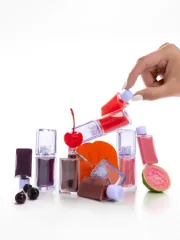
A nourishing, non-sticky lip oil refill that effectively hydrates delicate lip skin while giving your pout some color.
Source: Kravebeauty
This product can help soften the skin and reduce its moisture loss with emollients and occlusives: squalane, helianthus annuus seed wax.
Keep in mind that this product does not contain effective ingredients to attract water to the upper layer of the skin. This is why an additional product with humectants like glycerin or hyaluronic acid can be helpful (apply it before this product for the best results).
The following ingredients in this product are especially good for supporting the skin barrier and helping with the hydration level: palmitoyl tripeptide-1
An oil naturally present in skin. Works as an emollient to soften the skin and form a protective layer on its surface without a greasy feeling.
A type of peptide. Peptides are excellent moisturizers and might be able support collagen production reducing fine lines and wrinkles
Helps soften the upper layer of the skin and support skin's barrier function while creating a thicker product consistency
Helps soften the upper layer of the skin
Helps soften the skin and attract water to its upper layer. Helps create nice product texture
An emollient that helps soften the skin and create a nice product texture
An emollient that helps to soften the skin and create a pleasant product texture and stabilize the formulation
Used to create a thicker product consistency and soften the upper layer of the skin
An exfoliating and moisturizing alpha-hydroxy acid (AHA). Typically causes less irritation than other AHAs, for example, glycolic acid. At high concentrations (about 15%), lactic acid can help reduce lines and wrinkles. Recent studies show that lactic acid can support the "good" bacteria living on skin's surface (healthy skin microbiome)
Anti-aging
This product contains palmitoyl tripeptide-1. This ingredient might be able to help reduce and prevent fine lines and wrinkles, improve skin elasticity and firmness, but there is not enough evidence that it actually works.
A type of peptide. Peptides are excellent moisturizers and might be able support collagen production reducing fine lines and wrinkles
An exfoliating and moisturizing alpha-hydroxy acid (AHA). Typically causes less irritation than other AHAs, for example, glycolic acid. At high concentrations (about 15%), lactic acid can help reduce lines and wrinkles. Recent studies show that lactic acid can support the "good" bacteria living on skin's surface (healthy skin microbiome)
How honest is this product?
| Promise | Can it deliver? |
|---|---|
| Moisturizing |
Total Promises Fulfilled score: 100/100.
We receive a small commission for purchases made through these links at no cost for you. Thank you for your support! Learn more
Potential irritants
Comedogenic ingredients
User reviews (0)
Averages from community submissions.
No reviews yet for this product.
Be the first to share your experience!
Tried this product?
Help capture what the ingredient list can't—texture, finish, pilling, scent, and more. Answer what you can, skip the rest.
Takes ~30 seconds.
Reviews are shown in aggregate. No personal details.
| Product | Similarity | Price | Irritancy |
|---|---|---|---|
 Krave Beauty Plumptuous Lip Jelly | Current | $16.00 | |
 Clarins Hydrating Peptide & Plumping Lip Oil Balm | 41% | ≈ $25.17 | |
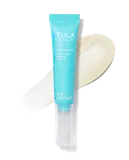 Tula Peptide Lip Treatment | 38% | $14.40 | |
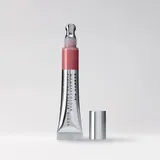 Beauty Pie Wondercolour Glossy Peptide Lip Butter - Ripple | BEAUTY PIE | 34% | ≈ $30.84 | |
 Typology Tinted Lip Oil | 33% | - | |
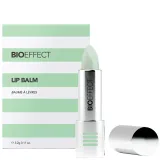 BIOEFFECT Lip Balm | 29% | $39.00 |
Key Actives
An exfoliating and moisturizing alpha-hydroxy acid (AHA). Typically causes less irritation than other AHAs, for example, glycolic acid. At high concentrations (about 15%), lactic acid can help reduce lines and wrinkles. Recent studies show that lactic acid can support the "good" bacteria living on skin's surface (healthy skin microbiome)
An exfoliating and moisturizing alpha-hydroxy acid (AHA). Typically causes less irritation than other AHAs, for example, glycolic acid. At high concentrations (about 15%), lactic acid can help reduce lines and wrinkles. Recent studies show that lactic acid can support the "good" bacteria living on skin's surface (healthy skin microbiome)
An exfoliating and moisturizing alpha-hydroxy acid (AHA). Typically causes less irritation than other AHAs, for example, glycolic acid. At high concentrations (about 15%), lactic acid can help reduce lines and wrinkles. Recent studies show that lactic acid can support the "good" bacteria living on skin's surface (healthy skin microbiome)
An exfoliating and moisturizing alpha-hydroxy acid (AHA). Typically causes less irritation than other AHAs, for example, glycolic acid. At high concentrations (about 15%), lactic acid can help reduce lines and wrinkles. Recent studies show that lactic acid can support the "good" bacteria living on skin's surface (healthy skin microbiome)
A type of peptide. Peptides are excellent moisturizers and might be able support collagen production reducing fine lines and wrinkles
A type of peptide. Peptides are excellent moisturizers and might be able support collagen production reducing fine lines and wrinkles
A type of peptide. Peptides are excellent moisturizers and might be able support collagen production reducing fine lines and wrinkles
A type of peptide. Peptides are excellent moisturizers and might be able support collagen production reducing fine lines and wrinkles
Helps soften the upper layer of the skin and support skin's barrier function while creating a thicker product consistency
An oil naturally present in skin. Works as an emollient to soften the skin and form a protective layer on its surface without a greasy feeling.
Helps soften the upper layer of the skin and support skin's barrier function while creating a thicker product consistency
An oil naturally present in skin. Works as an emollient to soften the skin and form a protective layer on its surface without a greasy feeling.
Works as a UV filter when used in high concentrations. It is photostable and is effective mostly against the UVB light, with some protection in the UVA range. In small concentrations, used for its ability to improve the color of cosmetic products. Is usually well tolerated by the skin
Potential irritants
A preservative. Can be used to mask unpleasant smell. Can be irritating
An exfoliating and moisturizing alpha-hydroxy acid (AHA). Typically causes less irritation than other AHAs, for example, glycolic acid. At high concentrations (about 15%), lactic acid can help reduce lines and wrinkles. Recent studies show that lactic acid can support the "good" bacteria living on skin's surface (healthy skin microbiome)
Comedogenic ingredients
An emollient that helps soften the skin and create a nice product texture
An emollient that helps soften the skin and create a nice product texture
An emollient that helps soften the skin and create a nice product texture
An emollient that helps soften the skin and create a nice product texture
All ingredients
Helps soften the upper layer of the skin and support skin's barrier function while creating a thicker product consistency
An oil naturally present in skin. Works as an emollient to soften the skin and form a protective layer on its surface without a greasy feeling.
Helps soften the skin and attract water to its upper layer. Helps create nice product texture
An emollient that helps soften the skin and create a nice product texture
Used to create a thicker product consistency and soften the upper layer of the skin
An exfoliating and moisturizing alpha-hydroxy acid (AHA). Typically causes less irritation than other AHAs, for example, glycolic acid. At high concentrations (about 15%), lactic acid can help reduce lines and wrinkles. Recent studies show that lactic acid can support the "good" bacteria living on skin's surface (healthy skin microbiome)
A type of peptide. Peptides are excellent moisturizers and might be able support collagen production reducing fine lines and wrinkles
A preservative. Can be used to mask unpleasant smell. Can be irritating
Helps soften the upper layer of the skin and support skin's barrier function while creating a thicker product consistency
An oil naturally present in skin. Works as an emollient to soften the skin and form a protective layer on its surface without a greasy feeling.
Helps soften the skin and attract water to its upper layer. Helps create nice product texture
An emollient that helps soften the skin and create a nice product texture
An emollient that helps to soften the skin and create a pleasant product texture and stabilize the formulation
Works as a UV filter when used in high concentrations. It is photostable and is effective mostly against the UVB light, with some protection in the UVA range. In small concentrations, used for its ability to improve the color of cosmetic products. Is usually well tolerated by the skin
Used to create a thicker product consistency and soften the upper layer of the skin
An umbrella term for the following three colorants: CI 77491, CI 77492, CI 77499. They might be able to offer some protection against visible light, but the degree of the protection is not clear
An exfoliating and moisturizing alpha-hydroxy acid (AHA). Typically causes less irritation than other AHAs, for example, glycolic acid. At high concentrations (about 15%), lactic acid can help reduce lines and wrinkles. Recent studies show that lactic acid can support the "good" bacteria living on skin's surface (healthy skin microbiome)
A type of peptide. Peptides are excellent moisturizers and might be able support collagen production reducing fine lines and wrinkles
An umbrella term for the following three colorants: CI 77491, CI 77492, CI 77499. They might be able to offer some protection against visible light, but the degree of the protection is not clear
A preservative. Can be used to mask unpleasant smell. Can be irritating
Helps soften the upper layer of the skin and support skin's barrier function while creating a thicker product consistency
An oil naturally present in skin. Works as an emollient to soften the skin and form a protective layer on its surface without a greasy feeling.
An emollient that helps to soften the skin and create a pleasant product texture and stabilize the formulation
Helps soften the skin and attract water to its upper layer. Helps create nice product texture
An emollient that helps soften the skin and create a nice product texture
An umbrella term for the following three colorants: CI 77491, CI 77492, CI 77499. They might be able to offer some protection against visible light, but the degree of the protection is not clear
Used to create a thicker product consistency and soften the upper layer of the skin
An umbrella term for the following three colorants: CI 77491, CI 77492, CI 77499. They might be able to offer some protection against visible light, but the degree of the protection is not clear
Works as a UV filter when used in high concentrations. It is photostable and is effective mostly against the UVB light, with some protection in the UVA range. In small concentrations, used for its ability to improve the color of cosmetic products. Is usually well tolerated by the skin
An exfoliating and moisturizing alpha-hydroxy acid (AHA). Typically causes less irritation than other AHAs, for example, glycolic acid. At high concentrations (about 15%), lactic acid can help reduce lines and wrinkles. Recent studies show that lactic acid can support the "good" bacteria living on skin's surface (healthy skin microbiome)
A type of peptide. Peptides are excellent moisturizers and might be able support collagen production reducing fine lines and wrinkles
A preservative. Can be used to mask unpleasant smell. Can be irritating
Helps soften the upper layer of the skin and support skin's barrier function while creating a thicker product consistency
An oil naturally present in skin. Works as an emollient to soften the skin and form a protective layer on its surface without a greasy feeling.
Helps soften the skin and attract water to its upper layer. Helps create nice product texture
An emollient that helps to soften the skin and create a pleasant product texture and stabilize the formulation
An emollient that helps soften the skin and create a nice product texture
Used to create a thicker product consistency and soften the upper layer of the skin
An umbrella term for the following three colorants: CI 77491, CI 77492, CI 77499. They might be able to offer some protection against visible light, but the degree of the protection is not clear
Works as a UV filter when used in high concentrations. It is photostable and is effective mostly against the UVB light, with some protection in the UVA range. In small concentrations, used for its ability to improve the color of cosmetic products. Is usually well tolerated by the skin
An exfoliating and moisturizing alpha-hydroxy acid (AHA). Typically causes less irritation than other AHAs, for example, glycolic acid. At high concentrations (about 15%), lactic acid can help reduce lines and wrinkles. Recent studies show that lactic acid can support the "good" bacteria living on skin's surface (healthy skin microbiome)
A type of peptide. Peptides are excellent moisturizers and might be able support collagen production reducing fine lines and wrinkles
A preservative. Can be used to mask unpleasant smell. Can be irritating
Ingredient list view
Polyglyceryl-2 isostearate/dimer dilinoleate copolymer, Triolein, Glyceryl dioleate, Prunus domestica seed extract, Helianthus annuus seed wax, Squalane, C10-18 triglycerides, Ethylhexyl palmitate, Tribehenin, Ci 45410, Ci 15985, Sorbitan isostearate, Lactic acid, Palmitoyl tripeptide-1, Benzaldehyde, Benzyl alcohol, Polyglyceryl-2 isostearate/dimer dilinoleate copolymer, Triolein, Glyceryl dioleate, Prunus domestica seed extract, Helianthus annuus seed wax, Squalane, C10-18 triglycerides, Silica dimethyl silylate, Ethylhexyl palmitate, Octyldodecanol, Titanium dioxide, Tribehenin, Iron oxides, Ci 15850, Sorbitan isostearate, Lactic acid, Sorbitan oleate, Palmitoyl tripeptide-1, Ci 42090, Iron oxides, Benzaldehyde, Benzyl alcohol, Polyglyceryl-2 isostearate/dimer dilinoleate copolymer, Triolein, Glyceryl dioleate, Prunus domestica seed extract, Helianthus annuus seed wax, Squalane, Octyldodecanol, C10-18 triglycerides, Ethylhexyl palmitate, Iron oxides, Ci 42090, Ci 45410, Tribehenin, Iron oxides, Ci 15850, Sorbitan isostearate, Titanium dioxide, Lactic acid, Sorbitan oleate, Palmitoyl tripeptide-1, Benzaldehyde, Benzyl alcohol, Polyglyceryl-2 isostearate/dimer dilinoleate copolymer, Triolein, Glyceryl dioleate, Prunus domestica seed extract, Helianthus annuus seed wax, Squalane, C10-18 triglycerides, Octyldodecanol, Ethylhexyl palmitate, Ci 45410, Ci 42090, Tribehenin, Iron oxides, Titanium dioxide, Sorbitan isostearate, Lactic acid, Sorbitan oleate, Palmitoyl tripeptide-1, Benzaldehyde, Benzyl alcohol