Triolein
In 83 skincare routines
Summary
Works for
- Moisturizing
Irritancy risk
1
LowHelps soften the upper layer of the skin
Products with Triolein
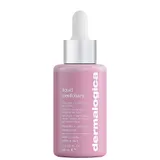 DermalogicaDaily Skin Health Daily Liquid Peelfoliant
salicylic acidlactic acidglycolic acid +13 actives
Moisturizing Anti-aging +4
Price unavailable
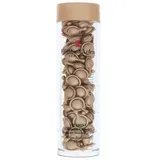 Elizabeth ArdenSerums Vitamin C Ceramide Radiance Renewal Serum Capsules x 90
tetrahexyldecyl ascorbatephytosphingosineceramide np +6 actives
Evens skin tone Moisturizing +2
Price unavailable
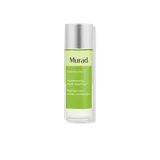 Murad UKReplenishing Multi-acid Peel
salicylic acidglycolic acidlactic acid +14 actives
Moisturizing Exfoliation +2
Price unavailable
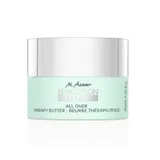 M. AsamHyaluron Repair All Over Therapy Butter
ceramide npbutyrospermum parkii buttercaprylic/capric triglyceride +13 actives
Moisturizing
Price unavailable
 Beauty PieSuper Retinal Rejuvenating Serum
hydroxypinacolone retinoateretinalniacinamide +9 actives
Anti-aging Moisturizing +2
Price unavailable
 LANEIGEBouncy Firm Serum
acetyl octapeptide-3acetyl tetrapeptide-2niacinamide +12 actives
Moisturizing Anti-aging +3
Fragrance
Price unavailable
 Typology ParisReplenishing Lip Balm — Ceramides + Hyaluronic Acid
ceramide npceramide npbis-diglyceryl polyacyladipate-2 +25 actives
Moisturizing
Price unavailable
 Estée LauderPerfectionist Pro Rapid Firm + Lift Serum with Hexapeptides 8 + 9
hexapeptide-9aminopropyl ascorbyl phosphateacetyl glucosamine +21 actives
Anti-aging Moisturizing +1
Fragrance
Price unavailable
 INKEY USAGlycerin Gentle Purifying Cleanser
centella asiatica extractglycerintriolein +3 actives
Cleansing
Price unavailable
 ResiboTotal Retinal advanced retinal face serum
retinalceramide nppalmitoyl pentapeptide-4 +12 actives
Evens skin tone Anti-blemish +2
Price unavailable
Similar ingredients
1-TRIMETHYL-2-CYCLOHEXENYL-1-PENTEN-3-ONEACETYL GLUCOSAMINEAn effective moisturizing ingredient that also has been shown to be effective in evening out the skin tone and reducing hyperpigmentation. It can help somewhat reduce wrinkles in skinAHNFELTIA CONCINNA EXTRACTAn algae extract that helps attract water to the upper layer of the skin. Also used to create a thicker product textureAHNFELTIOPSIS CONCINNA EXTRACTHelps attract water to the upper layer of the skinALGAE EXTRACTPlant extract that helps the skin to attract water and make it more smooth for touch. Also shows promise of anti-aging properties, but research is not extensive yetALLANTOINHelps calm down inflammation in skin and can help reduce itching. Helps to repair the skin barrier and keep skin hydratedANHYDROXYLITOLHelps attract water to the upper layer of the skin and repair the skin barrir functionARGININEAn amino acid that is naturally present in skin and helps keep it hydrated. When used together with AHAs, it can reduce their irritating effect on the skinAVENA SATIVA KERNEL EXTRACTAn effective moisturizing and skin barrier repair ingredient. Helps calm down inflammation and has some anti-oxidant propertiesBEESWAXForms a protective barrier that holds water and keeps dry skin hydrated. Keeps an emulsion from separating into its oil and liquid components, and increases the thickness of a product. Can be an allergenBETAINEHelps attract water to the upper layer of the skin and improves the product textureBIOSACCHARIDE GUM-1Helps attract water to the upper layer of the skin and is claimed to provide a longer-lasting hydration because of its ability to create a water-binding film on the surface of the skinBUTYROSPERMUM PARKII BUTTERA great moisturising ingredient that softens the skin and reduces water loss from its upper layer. It also can be helpful in protecting skin from free radicalsBUTYROSPERMUM PARKII BUTTER EXTRACTA great moisturising ingredient that softens the skin and reduces water loss from its upper layer. It also can be helpful in protecting skin from free radicalsCAMELLIA OLEIFERA SEED OILAn emollient that does not leave a greasy finish CAPROOYL TETRAPEPTIDE-3A type of peptide. Peptides are excellent moisturizers and might be able support collagen production reducing fine lines and wrinklesCARTHAMUS TINCTORIUS SEED OILAn emollient that helps soften the skin and might help calm down inflammationCHLORELLA PROTOTHECOIDES OILAn emollient. Is unlikely to have additional benefits for the skin CAPRYLIC/CAPRIC TRIGLYCERIDEA good mix of fatty acids that forms a protective layer on the skin. Improves the shelf life of products. Derived from coconut and glycerin CHOLESTEROLAn emollient that is naturally found in skinCHONDRUS CRISPUS EXTRACTRed algae extract that helps attract water to the upper layer of the skin and create a nicer product consistencyCOCOS NUCIFERA OILAn emollient. Found to be as effective as a moisturizer for dry skin as mineral oil. Could be comedogenicCOLLOIDAL OATMEALHelps to restore skin barrier function, soften the upper layer of the skin and calm down inflammationCOPERNICIA CERIFERA WAXHelps to soften the upper layer of the skin and create a nice product consistency DEXTRANHelps attract water to the most upper layer of the skin. Derived from sugarDIGLYCERINHelps attract water to the upper layer of the skinDIMETHICONEA silicone that helps to reduce water loss from the surface of the skin. Can temporarily "fill in" lines and wrinkles, absorb oil, and create a nice product finish DIMETHICONOLA silicone that makes products more spreadable and keeps skin smooth. Helps to add gloss to skin and may visually fill in fine lines/wrinkles for short time GLUCOSAMINE HCLMight be able to stimulate production of skin's natural moisturizing compounds such as hyaluronic acid. Could be helpful for evening the skin tone.GLYCERINOne of the best moisturizing ingredients. Naturally present in skin. It attracts water to the upper layer of the skin working as a humectantGLYCINE SOJA OILA good emollient that helps soften the skin and helps repair its barrier functionGLYCINE SOJA STEROLSAn emollient that helps soften the skinHELIANTHUS ANNUUS SEED OILA great emollient due to its high linoleic acid content. One of the most effective plant oils in helping skin hydration and repairing skin barrier functionHIPPOPHAE RHAMNOIDES OILA good emollient. Contains various ingredients including vitamins and fatty acids that could work in the skin to neutralize free radicals and minimize moisture loss - if enough of these compounds is able to penetrate the skin in an active form. HYALURONIC ACIDOne of the best moisturizing ingredients. Attracts water into the upper layer of the skin. Naturally present in skin. Typically has large molecule size unless advertised otherwise on the product label. Helps support skin's barrier function and may help to reduce inflammationHYDROLYZED HYALURONIC ACIDOne of the best moisturizing ingredients. Attracts water into the upper layer of the skin. A version of it is naturally present in skinINOSITOLISOCETYL STEARATEAn emollient that helps soften the skinISOPROPYL MYRISTATEAn emollient that helps soften the skin. Could be comedogenicJOJOBA ESTERSAn emollient made of jojoba oil. Helps soften the skin and support its barrier functionCYCLOMETHICONEA type of silicone that leaves a nice silky finish on the skin and can help soften its upper layerLACTIC ACIDAn exfoliating and moisturizing alpha-hydroxy acid (AHA). Typically causes less irritation than other AHAs, for example, glycolic acid. At high concentrations (about 15%), lactic acid can help reduce lines and wrinkles. Recent studies show that lactic acid can support the "good" bacteria living on skin's surface (healthy skin microbiom) LIMNANTHES ALBA SEED OILThis oil's cmposition is closest to rapeseed oil. It is a very stable oil and serves as an emoillientLINOLENIC ACIDAn emollient that helps soften the skin and calm down inflammationMYRISTYL MYRISTATEAn emollient. Is not recommended for acne-prone skin as it can be comedogenicPANTHENOLHelps attract water to the upper layer of the skin and can help improve skin barrier functionPARAFFINUM LIQUIDUMOne of the most effective and well studied occlusive and emollient moisturizing ingredients. Helps reduce moisture loss in skin and repair skin barrier functionPASSIFLORA EDULIS SEED OILA good emollient helping to soften the skin. Might have some anti-oxidant properties. Adds a fragrance to the productPEG/PPG-18/18 DIMETHICONEA silicone that mixes with water creating nice light-weight product texturePENTAERYTHRITYL TETRACAPRYLATE/TETRACAPRATEAn emollient that helps soften the skinPERSEA GRATISSIMA OILAn emollient that helps soften the skin and could be helpful in repairing its barrier functionPETROLATUMOne of the most effective and the most studied occlusive ingredients that creates a protective layer on top of the skin preventing moisture lossPHYTOSTEROLSLipids that work as an emollient and can be helpful in repairing skin barrier functionPHYTOSTERYL/OCTYLDODECYL LAUROYL GLUTAMATEA mix of amino acids and plant-based lipids. Helps to soften the upper layer of the skin and reduce water loss over timePRUNUS ARMENIACA KERNEL OILAn emollient that helps soften the skinRIBES NIGRUM SEED OILAn emollient. Can be helpful for restoring skin barrier function.ROSA CANINA FRUIT OILA great emollient. Contains vitamin E (tocopherol) which may give it some anti-oxidant properties. Can contain volatile compounds and can be irritatingSACCHARIDE ISOMERATEHelps attract water to the upper layer of the skinSACCHAROMYCES CEREVISIAE EXTRACTA moisturizing ingredient that works as a humectant to attract water to the upper layer of the skin. SACCHAROMYCES LYSATE EXTRACTHelps attract water to the upper layer of the skin. Can have some anti-inflammatory effectRICINUS COMMUNIS SEED OILA plant oil that can help soften the skin. It might be helpful in calming down inflammation, but solid research is lacking. Is often used in lip products to create the needed product consistencySHOREA ROBUSTA SEED BUTTERHelps to softent the upper layer of the skinSIMMONDSIA CHINENSIS SEED OILSoftens the upper layer of skin and helps restore the healthy skin barrier. Has shown to help calm down inflammation in skin. It is a stable oil, meaning that it retains its properties even when exposed to air. SODIUM HYALURONATEOne of the best moisturizing ingredients. Attracts water into the upper layer of the skinSODIUM HYALURONATE CROSSPOLYMERAttracts water into the upper layer of the skinSODIUM LACTATEHelps attract water to the upper layer of the skin. Is often used to adjust the pH level of the productSODIUM PCANaturally present in skin and helps to attract water to its upper layerSQUALANEAn oil naturally present in skin. Works as an emollient to soften the skin and form a protective layer on its surface without a greasy feeling. SUCROSECan help attract water to the upper layer of the skin. In crystal form, it can work as a gentle exfoliant, gentler than the salt scrub. Helps stabilize the emulsionTHERMUS THERMOPHILLUS FERMENTMight be helpful in neutralising free radicals in skin and have some hydration propertiesTREHALOSEA sugar that attracts water to the upper layer of the skinTRITICUM VULGARE GERM OILA good emoillient. Contains vitamin E which can help neutralise free radicals, however the oil is unstable. Avoid if you have gluten or wheat sensitivity (including food allergies). VITIS VINIFERA SEED OILA great emollient that can also have anti-oxidant propertiesXYLITYLGLUCOSIDEHelps attract water to the upper layer of the skin and repair the skin barrier functionYEAST EXTRACTHelps attract water to the upper layer of the skin and might have some anti-oxidant and skin lightening properties. It can help calm down inflammation in skinDIPOTASSIUM GLYCYRRHIZATEA salt derived from licorice. Works as an emollient to soften the upper layer of the skin and can help calm down inflammation. Might be helpful for skin lighteningPEG-10 DIMETHICONEA silicone that works to soften the upper layer of the skin and reduce its water loss LAMINARIA SACCHARINA EXTRACTA seaweed extract that contains sugars and can be helpful in attracting water to the upper layers of the skin if used in high enough concentrationsPHENYL TRIMETHICONEA type of silicone that can decrease loss of moisture from the skin surface. It helps create a nice product textureLANOLINSebum of wool-bearing animals (most commonly sheep). Helps soften the upper layer of the skin and reduce the skin water loss. In rare cases could be an allergen. Not suitable for vegansSNAIL SECRETION FILTRATETypically contains hyaluronic acid that helps attract water to the upper layer of the skin. Might contain allantoin that is helpful in calming down inflammation. There is no evidence that it can have any further benefits for the skin, especially when used in skincare productsBIFIDA FERMENT LYSATEConsists of remains of dead yeast bacteria cells. Helps to hydrate the skin and reduce irritation. Might has some anti-oxidant effectPANTETHINEHelps to hydrate the skin by improving its barrier funcitonCERA ALBAForms a protective barrier that holds water and keeps dry skin hydrated. Keeps an emulsion from separating into its oil and liquid components, and increases the thickness of a product. Can be an allergenCOLLAGEN AMINO ACIDSHelp attract water to the upper layer of the skin, soften it and support the skin barrier functionPARACHLORELLA BEIJERINCKII EXOPOLYSACCHARIDESCompounds extracted from green algae that could help neutralize free radicals, but evidence of effectiveness in skincare products (topical applicaiton) is missing. Helps moisturize the skin by attracting water to its upper layer CYLINDROTHECA FUSIFORMIS EXTRACTHelps skin moisturization by attracting water to the upper layer of the skin. Might have some anti-oxidant properties but research confirming effectiveness in skin is lackingHYDROLYZED YEAST EXTRACTHelps attract water to the upper layer of the skin and might have some anti-oxidant and skin lightening propertiesGLYCINEHelps to attract water to the upper layer of the skin and can help restore the skin barrier functionSODIUM ACETYLATED HYALURONATEA type of hyaluronic acid that works as an excellent moisturizer by attracting water into the upper layer of the skin. Is typically feels less sticky on the skin compared to the usual hyaluronic acidHYDROXYPROLINEIs helpful in restoring skin barrier function supporting its moisture levels. Is claimed to stimulte collagen production in skin but evidence is lackingPHYTOSTERYL MACADAMIATEHelps soften the upper layer of the skinSACCHAROMYCES/COPPER FERMENTYeast extract that contains copper. Can help to attract water to the upper layer of the skin and can help in skin wound healingSACCHAROMYCES/MAGNESIUM FERMENTYeast extract that contains magnesium. Can help to attract water to the upper layer of the skin. Evidence of effectiveness for other benefits is missingSACCHAROMYCES/IRON FERMENTYeast extract that contains iron. Can help to attract water to the upper layer of the skin. Evidence of effectiveness for other benefits is missingSACCHAROMYCES/SILICON FERMENTYeast extract that contains silicon. Can help to attract water to the upper layer of the skin. Evidence of effectiveness for other benefits is missingSACCHAROMYCES/ZINC FERMENTYeast extract that contains zinc. Can help to attract water to the upper layer of the skin. Evidence of effectiveness for other benefits is missingTHEOBROMA CACAO SEED BUTTERHelps soften the upper layer of the skin and can be helpful in restoring the skin barrier function. Might have some anti-oxidant effectEUPHORBIA CERIFERA CERAHelps soften the upper layer of the skin and thickens the product's textureCAMELLIA SINENSIS SEED OILA plant oil that helps to soften the upper layer of the skin and can help restore the skin barrier. Might have some anti-oxidant effectHYDROGENATED SUNFLOWER SEED OILCENTELLA ASIATICA EXTRACTA plant extract that has been shown to be able to reduce inflammation in skin, support restoration of skin barrier function, as well as support collagen production. Contains active compounds called centelloids: asiaticoside, madecasosside, asiatic acid and madecassic acid. Might be helpful in preventing stretch marks. It can be itself be irritating though. SOY AMINO ACIDSHelp attract water to the upper layer of the skinCHONDRUS CRISPUSRed algae extract that helps attract water to the upper layer of the skin and create a nicer product consistencyGLYCERYL GLUCOSIDECan help to restore skin barrier function and soften its upper layerSACCHARIDE HYDROLYSATEALTEROMONAS FERMENT EXTRACTA marine extract that helps attract water to the upper layer of the skin. It is claimed to have anti-inflammatory properties but research is lackingHYDROXYPROPYL TETRAHYDROPYRANTRIOLA sugar-derived compound that helps to attract water to the upper layer of the skin and might be able to stimulate synthesis of skin's own moisturizing factors, but solid research is lacking. It could be irritatingPCANaturally present in skin and helps to attract water to its upper layerALANINEAn amino-acid that helps to attract water to the upper layer of the skin and might help to lighten the skin, but solid evidence is lackingSODIUM CHONDROITIN SULFATEIs naturally present in skin. Helps to attract water to its upper layerATELOCOLLAGENA protein that helps to attract moisture to the upper layer of the skin and might be helpful in reducing fine lines and wrinklesMANNITOLHelps to attract water to the upper layer of the skinMANGANESE GLUCONATEMight be able to help restore skin barrier function supporting its hydrationZINC GLUCONATETypically used to stabilize the product formulations. It is a salt of a polyhydroxy acid (PHA) and in larger concentrations, can help shed the dead cells from the skin surface revealing smoother skin. It can help attract water to the upper layer of the skin. Might to be helpful against acne and clogged pores. Could be helpful in neutralizing free radicals, but solid research is missing. Due to the zinc content, might help calm down inflammation in skinSERINEAn amino-acid that helps to attract water to the upper layer of the skin. In combination with other amino-acids, might help to reduce fine lines and wrinklesTHREONINEAn amino-acid that helps to attract water to the upper layer of the skin. In combination with other amino-acids, might help to reduce fine lines and wrinklesLYSINEAn amino-acid that helps to attract water to the upper layer of the skin. In combination with other amino-acids, might help to reduce fine lines and wrinklesHISTIDINE HCLA salt of an amino-acid that helps attract water to the upper layer of the skin. Might be helpful in restoring the skin barrier functionHISTIDINELYSINE HCLCITRULLINEAn amino-acid that helps attract water to the upper layer of the skinGLUTAMIC ACIDAn amino-acid that helps attract water to the upper layer of the skinGLYCOGENHelps attract water to the upper layer of the skinGALACTOARABINANHelps attract water to the upper layer of the skinMICROCOCCUS LYSATEConsists of remains of dead bacteria cells. Is likely helpful in attracting water to the upper layer of the skin. Might be helpful in reducing inflammation and neutralizing free radicals in skin. It is claimed to be a "DNA repair enzyme"FAEXYeast extract. Helps to attract water to the upper layer of the skinCARYOCAR BRASILIENSE FRUIT OILHelps soften the upper layer of the skin. Can contain an essential oil that can be irritatingASTROCARYUM MURUMURU SEED BUTTERHelps soften the upper layer of the skin. Could be comedogenic due to the myrisic acid contentMETHICONEA type of silicone that helps soften the upper layer of the skin and reduces the water loss from the skin surfaceBETA-GLUCANHelps attract water to the upper layer of the skin, calm down inflammation and irritation, restore the barrier function and support wound healing. It can be helpful in reducing fine lines and wrinklesBORAGO OFFICINALIS SEED OILA plant oil that is effective in reducing irritation in skin, restore the barrier function and support its hydrationGLUCONOLACTONEA polyhydroxy acid (PHA) that helps shed the dead cells from the skin surface revealing smoother skin. Is believed to be genter than AHAs. It helps attract water to the upper layer of the skin and can stimulate production of skin's own hyaluronic acid resulting in improved hydration levels. It has been shown to be helpful against acne and clogged pores if used consistently (e.g over a period of 12 weeks) in high enough concentration. It can help reduce fine lines and wrinkles and improve skin tone with long-term application. Can help neutralize free radicalsLACTOBIONIC ACIDA polyhydroxy acid (PHA) that helps shed dead cells from the surface of the skin revealing a smoother, more even skin. PHAs tend to be gentler on the skin compared to AHAs (for example, glycolic acid). It also has hydrating properties and helps attract water to the upper layer of the skin. It can help calm down inflammation in skin and support restoration of the barrier function. It has an anti-oxidant effect as well. It can help reduce fine line, wrinkles and improve skin elasticity ORBIGNYA OLEIFERA SEED OILA plant oil that can help soften the upper layer of the skin. Might be helpful in calming down inflammation in skinSACCHARUM OFFICINARUM EXTRACTSugar extract that helps attract water to the upper layer of the skinARTEMIA EXTRACTZooplankton extract that can attract water to the upper level of the skin and might have some anti-oxidant effectBIS-DIGLYCERYL POLYACYLADIPATE-2Helps soften the upper layer of the skin and reduce water loss from its surfaceCOPPER GLUCONATETypically used to stabilize the product formulations. It is a salt of polyhydroxy acid (PHA) and in larger concentrations, can help shed the dead cells from the skin surface revealing smoother skin. It can help attract water to the upper layer of the skin. Might to be helpful against acne and clogged pores. Could be helpful in neutralizing free radicals, but solid research is missingPALMITOYL HEXAPEPTIDE-19A type of peptide. Peptides are excellent moisturizers and might be able support collagen production reducing fine lines and wrinklesGLYCERYL ACRYLATE/ACRYLIC ACID COPOLYMERHelps attract water to the upper layer of the skin and provide a longer-lasting hydration. Can create a thicker product consistencyGELIDIELLA ACEROSA EXTRACTAn algae extract that can help attract water to the upper layer of the skin and have some anti-oxidant propertiesORYZA SATIVA BRAN OILHelps soften the upper layer of the skin and might have some anti-oxidant propertiesCERA MICROCRISTALLINAHelps to soften the upper layer of the skin, reduce water loss from its surface and create a thicker product consistencyMALTOBIONIC ACIDA polyhydroxy acid (PHA) that helps shed the dead cells from the skin surface revealing smoother skin. Is genter than AHAs. In addition, it helps attract water to the upper layer of the skin. It has been shown to be helpful against acne and clogged pores. Might help reduce fine lines and wrinkles and improve skin tone with long-term application. Can help neutralize free radicalsHYDROXYETHYL UREAA derivative of urea, a compound that is naturally present in skin. Attracts water to the upper layer of the skin. Can enhance penetration of other ingredientsPLUKENETIA VOLUBILIS SEED OILA plant oil that works as a good moisturizer by softening the upper layer of the skin. Might be helpful in reducing inflammation in skin and reducing blemishes due to the large content of linoleic acidROSA CANINA SEED OILA plant oil that helps soften the upper layer of the skin. It might have anti-oxidant properties. Might help reduce inflammation in skin and help against blemishesZINC PCAA compound that combines zinc with a hydrating ingredient PCA. Might to be helpful against acne and clogged pores. Can help calm down inflammation in skin. Could be helpful in reducing the formation of free radicals in skin. Might help to reduce fine lines in wrinkles, but solid evidence is missingCUCUMIS SATIVUS OILA plant oil that works as a great moisturizer by softening the upper layer of the skin. Due to the high linoleic acid content, can help reduce inflammation in skinSQUALENEAn oil that is naturally part of skin sebum that helps to soften its upper layer, reduce water loss and neutralize free radicals. It might be comedogenic. Avoid applying large concentrations (or pure oil) before sun exposure as oxidized squalene can clog pores and lead to skin irritation. Today squalene is mostly derived from vegetable oils or synthetized by yeastSOLUBLE COLLAGENA typically plant-derived compound that is supposed mimic human collagen. Cannot penetrate the skin barrier so is not particularly useful in skincare products beyond attracting water to the upper layer of the skinHYDROLYZED COLLAGENA typically plant-derived compound that is supposed mimic human collagen. Cannot penetrate the skin barrier so is not particularly useful in skincare products beyond attracting water to the upper layer of the skinJOJOBA ALCOHOLPALMITOYL PROLINEAn amino-acid that helps attract watet to the upper layer of the skin and might have some anti-aging propertiesACETYL HEXAPEPTIDE-7A type of peptide. Peptides are excellent moisturizers and might be able support collagen production reducing fine lines and wrinklesACETYL OCTAPEPTIDE-3A type of peptide. Peptides are excellent moisturizers and might be able support collagen production reducing fine lines and wrinklesPALMITOYL TRIPEPTIDE-4A type of peptide. Peptides are excellent moisturizers and might be able support collagen production reducing fine lines and wrinklesMAGNESIUM PALMITOYL GLUTAMATEAn amino acid that helps attract water to the upper layer of the skin. Might be helpful against lines and wrinkles, but evidence of effectiveness is lackingETHYLHEXYL HYDROXYSTEARATEHelps soften the upper layer of the skin and reduce water loss from itRICE AMINO ACIDSHelp attract water to the upper layer of the skinETHYL LINOLEATEHelps reduce acne and blemishes. Helps to soften the upper layer of the skin and reduce inflammation. Might be helpful in reducing hyperpigmentation and evening out the skin tone, but evidence of effectiveness in skin are lackingSESAMUM INDICUM SEED OILA good moisturizing plant oil. Due to the high linoleic acid content, it helps soften the upper layer of the skin, reduce water loss and support skin barrier function ALANYL GLUTAMINEA type of peptide. Peptides are excellent moisturizers and might be able support collagen production reducing fine lines and wrinklesBETA-SITOSTEROLA phytosterol that can support skin's barrier function and help the skin stay hydratedCARNOSINEA type of peptide. It attracts water to the upper layer of the skin. It can help neutralize free radicals in skin combatting the sun damageERYTHRITOLHelps to attract water to the upper layer of the skinPANTHENYL ETHYL ETHERHelps attract water to the upper layer of the skin and can help improve skin barrier functionZEA MAYS OILA good moisturizing plant oil. Due to the high linoleic acid content, it helps soften the upper layer of the skin, reduce water loss and support skin barrier function HELIANTHUS ANNUUS SEED WAXHelps soften the upper layer of the skin and support skin's barrier function while creating a thicker product consistencyPOLYGLYCERIN-3Helps to attract water to the upper layer of the skinSOLANUM LYCOPERSICUM SEED OILA good emollient that helps soften the upper layer of the skin and, due to the high linoleic acid content, can support the skin's barrier functionVACCINIUM MACROCARPON SEED OILA plant oil that can help neutralize free radicals, soften the upper layer of the skin, and support skin's barrier functionHYDROXYDECYL UBIQUINONEAn analogue of coenzyme Q10 that has a lower molecular weight, which can improve its ability to penetrate the skin. It helps neutralize free radicals in skin, improves skin hydration and might be helpful agains fine lines and wrinkles. It can be an allergenSCENEDESMUS RUBESCENS EXTRACTA micro-algae extract that might help attract water to the upper layer of the skin, support its barrier function, amd might help neutralize free radicals, but evidence of effectiveness in skin is lackingSEA WHIP EXTRACTMight help neutrlize free radicals, calm down inflammation, and attract water to the upper layer of the skinGLUCONIC ACIDA polyhydroxy acid (PHA) that helps shed the dead cells from the skin surface revealing smoother skin. Is believed to be genter than AHAs. It helps attract water to the upper layer of the skin and can stimulate production of skin's own hyaluronic acid resulting in imporved hydration levels. It has been shown to be helpful against acne and clogged pores. Might help reduce fine lines and wrinkles and improve skin tone with long-term application. Can help neutralize free radicalsLACTOCOCCUS FERMENT LYSATEConsists of remains of dead bacteria cells. Is likely helpful in attracting water to the upper layer of the skin. Might be helpful in reducing inflammation and neutralizing free radicals in skinLACTOBACILLUS/ARUNDINARIA GIGANTEA LEAF FERMENT FILTRATEFermented bamboo. Is used to create a nice product texture. Might have some antioxidant effectOLIGOPEPTIDE-10A type of peptide. Peptides are excellent moisturizers and might be able support collagen production reducing fine lines and wrinklesSALVIA HISPANICA SEED EXTRACTA plant extract that typically contains linolenic and linoleic acids that help soften the upper layer of the skin and can support skin barrier functionACETYL HYDROXYPROLINEAn amino-acid that can support ceramides production in skin and reduce water-lossBUTYROSPERMUM PARKII BUTTER UNSAPONIFIABLESA great moisturizing ingredient that softens the skin and reduces water loss from its upper layer. It also can be helpful in protecting skin from free radicalsSESAMUM INDICUM SEED EXTRACTPlant oil that due to its high content of linoleic acid can help support skin's barrier function improving its hydrationGRIFOLA FRONDOSA FRUITING BODY EXTRACTMushroom extract that helps attract water to the upper layer of the skin and might be able to stimulate sebum production in skinSIMMONDSIA CHINENSIS SEED EXTRACTPlant oil that helps soften the upper layer of the skinRICE FERMENT FILTRATEHelps attract water to the upper layer of the skin. Might have some anti-oxidant propertiesROSA RUBIGINOSA SEED OILPlant oil that due to the high content of linoleic acid can support skin's barrier function and reduce moisture lossTREMELLA FUCIFORMIS SPOROCARP EXTRACTMushroom extract that helps attract water to the upper layer of the skinCALCIUM PCAHelps attract water to the upper layer of the skinGALACTOMYCES FERMENT FILTRATEA yeast ferment filtrate (also known as Pitera - a trademarked name for the filtrate reserved by the SK-II brand). It helps attract water to the upper layer of the skin, can help neutralize antioxidants and can be helpful in evening out the skin tone. It might be somewhat helpful in preventing premature skin aging but solid evidence is lacking. A small manufacturer study also shows that, when used in high concentrations, it can help reduce sebum production and help against blocked poresLACTOBACILLUS/RICE FERMENT FILTRATEA fermentation product created by bacteria Lactobacillus out of rice. The fermented product helps attract water to the upper layer of the skin. It has anti-bacterial properties and might be helpful in calming down inflammation, but studies are lackingSACCHAROMYCES/IMPERATA CYLINDRICA ROOT FERMENT EXTRACTYeast extract obtained from a plant root (cogon grass). It works as an excellent humectant attracting water to the upper layer of the skin. Can have some anti-inflammatory effectECHIUM PLANTAGINEUM SEED OILA plant oil that because of its high content of alpha-linolenic acid help support skin barrier function and moisturize the skinPANTOLACTONEHelps attract water to the upper layer of the skinFRUCTOSEHelps attract water to the upper layer of the skinAPHANIZOMENON FLOS-AQUAE EXTRACTAn extract from ablue-green algae. Can help attract water to the upper layer of the skin and might help to neutralize free radicals10-HYDROXYDECANOIC ACIDHelps soften the upper layer of the skin and slow down the water loss from its surface2-OLEAMIDO-1,3-OCTADECANEDIOLHelps soften the upper layer of the skin and slow down the water loss over time3-GLYCERYL ASCORBATEA moisturizing vitamin C derivative. It is considered to be one of the most stable ones. It is effective in neutralizing free radicals and can help to even out the skin tone if used in high enough concentrationUREANaturally present in skin (urea makes up about 7% of natural moisturizing factors in skin). Attracts water to the upper layer of the skin. Also has a positive effect on the skin barrier beyond the humectant action. Can enhance penetration of other ingredients. Is an exfoliating ingredient when used in high concentrationsACETYL TETRAPEPTIDE-15A type of peptide. Peptides are excellent moisturizers and might be able support collagen production reducing fine lines and wrinklesARGININE HCLAn amino acid that is naturally present in skin and helps keep it hydrated. When used together with AHAs, it can reduce their irritating effect on the skinASCOPHYLLUM NODOSUM EXTRACTBrown seaweed extract. Can help attract water to the upper layer of the skin and might have some antioxidant effectASPARAGOPSIS ARMATA EXTRACTRed seaweed extract. Can help attract water to the upper layer of the skin and might have some antioxidant effectASPARTIC ACIDAn amino-acid that helps increase skin hydration and might help to slightly improve skin firmness, potentially reducing lines and wrinklesNIACINA form of vitamin B3. It is similar in action to niacinamide, but is more likely to cause red flashes in skin as the side effectCALCIUM PANTOTHENATEHelps support skin barrier function improving skin hydration and reducing sensitivityCOCOS NUCIFERA FRUIT EXTRACTAn emollient. Found to be as effective as a moisturizer for dry skin as mineral oil. Could be comedogenicCORALLINA OFFICINALIS EXTRACTRed algae extract that helps attract water to the upper layer of the skin and might contain antioxidantsHALIDRYS SILIQUOSA EXTRACTExtract from large brown algae that can help attract water to the upper layer of the skinHYDROLYZED JOJOBA ESTERSHelps soften the upper layer of the skinHYDROGENATED JOJOBA OILHelps soften the upper layer of the skinHYDROLYZED SODIUM HYALURONATEAttracts water into the upper layer of the skinHYDROXYPALMITOYL SPHINGANINEA type of lipid similar to ceramides naturally present in skin. Helps to soften the upper layer of the skin and supports the skin barrier function to keep it hydrated. Can help to prevent inflammation in skinLANOLIN OILSebum of wool-bearing animals (most commonly sheep). Helps soften the upper layer of the skin and reduce the skin water loss. In rare cases could be an allergen. Not suitable for vegansUNDARIA PINNATIFIDA EXTRACTA seaweed extract that helps attract water to the upper layer of the skin and might have an anti-oxidant effectHELIANTHUS ANNUUS SEED OIL UNSAPONIFIABLESA great emollient due to its high linoleic acid content. One of the most effective plant oils in helping skin hydration and repairing skin barrier functionCETYLHYDROXYPROLINE PALMITAMIDEA type of lipid similar to ceramides naturally present in skin. Helps to soften the upper layer of the skin and supports the skin barrier function to keep it hydrated. Can help to prevent inflammation in skinSACCHAROMYCES FERMENT FILTRATEA product of yeast fermentation. Helps attract water to the upper layer of the skinSACCHAROMYCES FERMENTA product of yeast fermentation. Helps attract water to the upper layer of the skinSHOREA STENOPTERA SEED BUTTERHelps soften the upper layer of the skin and can be helpful in restoring the skin barrier functionLAURYL PCAHelps attract water to the upper layer of the skinPALMARIA PALMATA EXTRACTRed algae extract that helps attract water to the upper layer of the skinSIMMONDSIA CHINENSIS BUTTERHelps soften the upper layer of the skinSTEARYL DIMETHICONEHelps soften the upper layer of the skinSYNTHETIC BEESWAXHelps soften the upper layer of the skinMADECASSOSIDEAn antioxidant that is typically derived from plant Centella Asiatica. It can help neutralize free radicals in skin and support skin barrier function. It could, however, itself be irritating. It is often unstable in formulationsECTOINSoftens the upper layer of the skin and can support skin barrier functionLACTOBACILLUS FERMENTA fermentation product created by bacteria Lactobacillus. The fermented product has anti-bacterial properties and might be helpful in calming down inflammation, but studies are lacking. Helps attract water to the upper layer of the skin. Can be used as a preservativeGLYCOSAMINOGLYCANSLong sugars that help attract water to the upper layer of the skinHYDROLYZED GLYCOSAMINOGLYCANSLong sugars that help attract water to the upper layer of the skinPANTOTHENIC ACIDHelps attract water to the upper layer of the skin and may help reduce inflammation in skinTRIPEPTIDE-10ELAEIS GUINEENSIS BUTTERA type of palm oil. Helps soften the upper layer of the skinISOMALTHelps attract water to the upper layer of the skinADANSONIA DIGITATA OILBaobab oil. Helps soften the upper layer of the skinSALVIA HISPANICA SEED OILChia seed oil. Helps to soften the upper layer of the skin and might be helpful in repairing skin barrierSALVIA HISPANICA SEEDPIPTADENIA COLUBRINA PEEL EXTRACTHelps attract water to the upper layer of the skin. Preliminary research has shown that the extract contains chemicals that might be able to support skin hydration in other ways, but the evidence is lackingARGININE PCAAn amino-acid. Helps attract water to the upper layer of the skin and can help neutralize free radicals in skinTRIETHYLHEXANOINHelps soften the upper layer of the skinBUTYROSPERMUM PARKII OILPOLYGLUTAMIC ACIDHelps attract water to the upper layer of the skin. PISTACIA VERA SEED OILHelps soften the upper layer of the skinCANNABIS SATIVA SEED EXTRACTCANNABIS SATIVA SEED OILA plant oil that due to its high linoleic acid content can help strengthen skin's barrier function and soften its upper layerDILINOLEIC ACIDHYDROXYPROPYL BISPALMITAMIDE MEAGUAIAZULENEA blue-colored ingredient that is traditionally used as a colorant. It has anti-inflammatory properties. For example, it is successfully used to treat diaper rash for new borns. It can help support the skin barrier by reducing inflammationOLIGOPEPTIDE-68A type of peptide. Peptides are excellent moisturizers and might be able support collagen production reducing fine lines and wrinklesVINYL DIMETHICONEA type of silicone that helps to create a nice product texture and soften the upper layer of the skinTRIHEPTANOINA synthetic triglyceride. Helps soften the upper layer of the skinPANTHENYL TRIACETATEA stable oil-soluble derivative of vitamin B5. It can help support skin barrier and reduce inflammation in skinALEURITES MOLUCCANUS SEED OILHelps soften the upper layer of the skinACETYL FARNESYLCYSTEINEA synthetic amino-acid that might help calm down inflammation in skin and reduce its irritation, but conclusive studies are not available at the moment. It can help to attract water to the upper layer of the skin and support skin barrierLYSOPHOSPHATIDIC ACIDA phospholipid. It is naturally present in skin and plays a signaling role there. It is involved in cell prolifiratio, skin inflammatory responses and wound healing. In cosmetics, it might help to support the skin barrier functionISOLEUCINEAn amino acid that can help attract water to the upper layer of the skin and support skin's barrier functionCETYL DIMETHICONEA type of silicone. Helps soften the upper layer of the skin and creates a nice, light product textureOENOTHERA BIENNIS OILHelps soften the upper layer of the skin and can support skin barrier functionPOLYMETHYLSILSESQUIOXANEA silicone that improves product texture and helps dissolve other ingredients. Can form a non-greasy film on the skin to prevent moisture lossUBIQUINONECoenzyme Q10. It helps neutralize free radicals in skin, improves skin hydration and might be helpful agains fine lines and wrinkles. It can be an allergenHYDROLYZED LINSEED EXTRACTHelps soften the upper layer of the skinASIATICOSIDEAn active compound of Centella Asiatica plant extract. In combination with other active compounds of Centella Asiatica extract (madecasosside, asiatic
acid and madecassic acid), asiaticoside has been shown to be helpful in wound-healing, restoring skin barrier function and supporting collagen production in skin. It can, however, itself be irritatingMADECASSIC ACIDAn active compound of Centella Asiatica plant extract. In combination with other active compounds of Centella Asiatica extract (asiaticoside, madecasosside and asiatic
acid), madecassic acid has been shown to be helpful in wound-healing, restoring skin barrier function and supporting collagen production in skin. It can, however, itself be irritatingGLYCOSYL TREHALOSEGLYCOPROTEINSTYROSINEFAEX EXTRACTYeast extract. Helps attract water to the upper layer of the skinAVENA SATIVA KERNEL OILAn effective moisturizing and skin barrier repair ingredient. Helps calm down inflammation and has some anti-oxidant propertiesPERSEA GRATISSIMA OIL UNSAPONIFIABLESHelps soften the upper layer of the skinMAURITIA FLEXUOSA FRUIT OILHelps soften the upper layer of the skinCANNABIDIOL - SYNTHETICALLY PRODUCEDCBD. Can bind to skin cell receptors and can reduce inflammation, itching, and help support skin barrier functionCANNABIDIOL - DERIVED FROM EXTRACT OR TINCTURE OR RESIN OF CANNABISCBD. Can bind to skin cell receptors and can reduce inflammation, itching, and help support skin barrier functionOLEOYL DIPEPTIDE-15A type of peptide. Peptides are excellent moisturizers and might be able support collagen production reducing fine lines and wrinklesCENTELLA ASIATICA LEAF CELL EXTRACTA plant extract that has been shown to be able to reduce inflammation in skin, support restoration of skin barrier function, as well as support collagen production. It can be irritating to sensitive skin. Might be helpful in preventing stretch marks. It could, however, itself be irritating.CENTELLA ASIATICA FLOWER/LEAF/STEM EXTRACTA plant extract that has been shown to be able to reduce inflammation in skin, support restoration of skin barrier function, as well as support collagen production. Contains active compounds called centelloids: asiaticoside, madecasosside, asiatic acid and madecassic acid. Might be helpful in preventing stretch marks. It can be itself be irritating though. ASIATIC ACIDAn active compound of Centella Asiatica plant extract. In combination with other active compounds of Centella Asiatica extract (asiaticoside, madecasosside and madecassic acid) asiatic acid has been shown to be helpful in wound-healing, restoring skin barrier function and supporting collagen production in skin. It can, however, itself be irritatingTHEOBROMA GRANDIFLORUM SEED BUTTERHelps soften the upper layer of the skin and might as well help to attract moisture to its upper layerCHENOPODIUM QUINOA SEED OILA plant oil that contains a high percentage of linoleic acid. It softens the upper layer of the skin and can help strengthen the skin barrierALPHA-GLUCAN OLIGOSACCHARIDEHelps attract water to the upper layer of the skinCOPPER PCAHelps attract water to the upper layer of the skinACER SACCHARUM SAP EXTRACTHelps attract water to the upper layer of the skinSISYMBRIUM IRIO SEED OILA plant oil that helps soften the upper layer of the skin. Could help reduce inflammation due to high content of linolenic acidINULINHelps attract water to the upper layer of the skin. Is claimed to support the growth of "good" bacteria in skin (as a "prebiotic"), but the research is lackingSUPEROXIDE DISMUTASEAn antioxidant enzyme that is naturally present in skin. It can help support skin barrier function and reduce inflammation in skin. It is used in topical medications for inflammatory skin conditions including atopic dermatitis (eczema) and psoriasis. There are three types of natural Superoxide Dismutase in human skin. The compound used in topical treatments and cosmetics are mimics of typically one of these natural variantsPRUNUS AMYGDALUS DULCIS SEEDHelps soften the upper layer of the skinCERAMIDE 5SPHINGOLIPIDSSphingolipids are a group of lipids with a common chemical structure. Some of them are naturally present in skin and can be converted to ceramidesGLYCOSPHINGOLIPIDSA type of lipids naturally present in skin. They can be converted to ceramides in skinGLUTATHIONEA peptide that can help neutralize free radicals in skin and reduce melanin production resulting in skin lightening effect and reduction in hyperpigmentation. It can also help attract moisture to the upper layer of the skinGLUCOSE OXIDASEHelps attract water to the upper layer of the skinLACTOPEROXIDASEHelps attract water to the upper layer of the skin. In theory, could support healthy skin's microbiome, but evidence of effectiveness in skin is lackingSH-POLYPEPTIDE-16A type of peptide. Peptides are excellent moisturizers and might be able support collagen production reducing fine lines and wrinklesCYANOCOBALAMINCan support skin barrier function and reduce inflammation in skinTETRADECYL AMINOBUTYROYLVALYLAMINOBUTYRIC UREA TRIFLUOROACETATEA peptide. It helps attract water to the upper layer of the skin, support skin's barrier function and might have some slight anti-aging effect through stimulating skin's own production of hyaluronic acidMELIA AZADIRACHTA SEED OILHelps soften the upper layer of the skin and can support skin barrier function due to the high linoleic acid contentHYDROLYZED JOJOBA PROTEINHelps attract water to the upper layer of the skinAMINOBUTYRIC ACIDHas been shown to support wound healing and skin barrier function when used topically in rats. Is likely to be effective in supporting skin's hydration and barrier function, but research for human skin is missing. Might have some anti-aging properties but the research is missingTETRAPEPTIDE-36A type of peptide. Peptides are excellent moisturizers and might be able support collagen production reducing fine lines and wrinklesTETRAPEPTIDE-5A type of peptide. Peptides are excellent moisturizers and might be able support collagen production reducing fine lines and wrinklesTETRAPEPTIDE-40A type of peptide. Peptides are excellent moisturizers and might be able support collagen production reducing fine lines and wrinklesHELIANTHUS ANNUUS SPROUT EXTRACTHelps soften the upper layer of the skin and can help support the skin barrierPALMITOYL TRIPEPTIDE-28HEXAPEPTIDE-42A type of peptide. Peptides are excellent moisturizers and might be able support collagen production reducing fine lines and wrinklesHEXAPEPTIDE-33A type of peptide. Peptides are excellent moisturizers and might be able support collagen production reducing fine lines and wrinklesKAPPAPHYCUS ALVAREZII EXTRACTA red algae extract that can help attract water to the upper layer of the skin and might have some antioxidant propertiesTRIPEPTIDE-13A type of peptide. Peptides are excellent moisturizers and might be able support collagen production reducing fine lines and wrinklesAZELAOYL BIS-DIPEPTIDE-10A type of peptide. Peptides are excellent moisturizers and might be able support collagen production reducing fine lines and wrinklesCYSTEINEMight help neutralize free radicals in skin and might be helpful against hyperpigmentationPSEUDOZYMA EPICOLA/CAMELLIA SINENSIS SEED OIL/GLUCOSE/MALT EXTRACT/SOYBEAN FLOUR/YEAST EXTRACT FERMENT FILTRATEHelps attract water to the upper layer of the skin and might help neutralize free radicalsISOSORBIDE DICAPRYLATEHelps soften the upper layer of the skin. Early studies suggest that it can help strengthen the skin barrierACETYL SH-HEPTAPEPTIDE-1A type of peptide. Peptides are excellent moisturizers and might be able support collagen production reducing fine lines and wrinklesBIOTINOYL TRIPEPTIDE-1A type of peptide. Peptides are excellent moisturizers and might be able support collagen production reducing fine lines and wrinklesMYRISTOYL PENTAPEPTIDE-17A type of peptide. Peptides are excellent moisturizers and might be able support collagen production reducing fine lines and wrinklesN-PROLYL PALMITOYL TRIPEPTIDE-56 ACETATEA type of peptide. Peptides are excellent moisturizers and might be able support collagen production reducing fine lines and wrinklesNICOTIANA BENTHAMIANA HEXAPEPTIDE-40 SH-OLIGOPEPTIDE-1A type of peptide. Peptides are excellent moisturizers and might be able support collagen production reducing fine lines and wrinklesCRITHMUM MARITIMUM CALLUS CULTURE FILTRATEA plant cell extract that helps attract water to the upper layer of the skin and might have some anti-oxidant propertiesCOPPER HEPTAPEPTIDE-14 PANTOTHENATEA type of peptide. Peptides are excellent moisturizers and might be able support collagen production reducing fine lines and wrinklesCYCLOTETRAPEPTIDE-24 AMINOCYCLOHEXANE CARBOXYLATEA type of peptide. Peptides are excellent moisturizers and might be able support collagen production reducing fine lines and wrinklesDECAPEPTIDE-1A type of peptide. Peptides are excellent moisturizers and might be able support collagen production reducing fine lines and wrinklesDECAPEPTIDE-22A type of peptide. Peptides are excellent moisturizers and might be able support collagen production reducing fine lines and wrinklesFERULOYL OLIGOPEPTIDE-33A type of peptide. Peptides are excellent moisturizers and might be able support collagen production reducing fine lines and wrinklesHEXAPEPTIDE-2A type of peptide. Peptides are excellent moisturizers and might be able support collagen production reducing fine lines and wrinklesCARYODENDRON ORINOCENSE SEED OILA plant oil with a high content of linoleic acid that helps soften the upper layer of the skin and helps strengthen the skin barrier. It is an excellent moisturizer. Might have an anti-oxidant effectC13-16 ISOPARAFFINIs mostly used to dissolve other ingredients. Helps soften the upper layer of the skin. It might be comedogenic when used in high concentrationsFRAGARIA ANANASSA SEED OILHelps soften the upper layer of the skinNICOTIANA BENTHAMIANA HEXAPEPTIDE-40 SH-POLYPEPTIDE-76A fusion peptide that combines peptides produced by human and plant cells. It might have anti-aging effect in skin and can help the skin moisturizationPOLYGLYCERYL-2 DIPOLYHYDROXYSTEARATEHelps to soften the upper layer of the skinHYDROLYZED ALGAE EXTRACTHelps attract water to the upper layer of the skinSH-POLYPEPTIDE-17A type of peptide. Peptides are excellent moisturizers and might be able support collagen production reducing fine lines and wrinklesNICOTIANA BENTHAMIANA SH-POLYPEPTIDE-15 HEXAPEPTIDE-40OPUNTIA FICUS-INDICA SEED OILA plant oil that helps soften the upper layer of the skin and can support skin's barrier function due to its high content of linoleic acid. It also has anti-microbial propertiesFRUCTOOLIGOSACCHARIDESHelp attract water to the upper layer of the skinIMPERATA CYLINDRICA ROOT EXTRACTA plat extract that might help neutralize free radicals in skin and attract water to its upper layerLACTOBACILLUSA non-living ingredient made by fermentation with the bacteria Lactobacillus. It can help attract water to the upper layer of the skin and might help reduce inflammation SARCOSINEHelps to enhance the penetration of other ingredients and attract water to the upper layer of the skinVITIS VINIFERA OILA great emollient that can also have anti-oxidant propertiesALTHAEA OFFICINALIS ROOT EXTRACTA plant extract that can help attract water to the upper layer of the skin and might help to reduce inflammationNIGELLA SATIVA SEED OILHelps soften the upper layer of the skin and support the skin's barrier due to the high content of linoleic acidVACCINIUM CORYMBOSUM SEED OILHelps soften the upper layer of the skin, support the skin's barrier function and might help neutralize free radicalsHELIANTHUS ANNUUS HYBRID OILHelps soften the upper layer of the skinHELIANTHUS ANNUUS SEED CERAHelps soften the upper layer of the skinALCALIGENES POLYSACCHARIDESHelp attract water to the upper layer of the skinSH-OLIGOPEPTIDE-9A type of peptide. Peptides are excellent moisturizers and might be able support collagen production reducing fine lines and wrinklesNICOTINOYL TRIPEPTIDE-1A type of peptide. Peptides are excellent moisturizers and might be able support collagen production reducing fine lines and wrinklesHELIANTHUS ANNUUS EXTRACTHelps soften the upper layer of the skinPRUNUS AMYGDALUS DULCIS SEED EXTRACTAlmond extract (oil) - helps soften the upper layer of the skinLACTOBACILLUS FERMENT FILTRATEHelps attract water to the upper layer of the skin and might support the healthy skin microbiomeLAMINARIA OCHROLEUCA EXTRACTHelps attract water to the upper layer of the skinPERSEA GRATISSIMA FRUIT EXTRACTCUCURBITA PEPO SEED OILHelps soften the upper layer of the skinMALUS DOMESTICA FRUIT EXTRACTHelps attract water to the upper layer of the skinARGANIA SPINOSA SPROUT CELL EXTRACTPlant stem cell extract. Can help attract water to the upper layer of the skin and might be helpful in neutralizing free radicalsPUNICA GRANATUM SEED EXTRACTLAMINARIA JAPONICA EXTRACTSeaweed extract that might help to attract water to the upper layer of the skin and have some anti-oxidant propertiesMAGNESIUM CARBOXYMETHYL BETA-GLUCANHelps attract water to the upper layer of the skinEMU OILHelps soften the upper layer of the skinSALICYLOYL PHYTOSPHINGOSINEHelps attract water to the upper layer of the skin. Might have anti-aging benefits but solid study data is lackingJUGLANS REGIA SEED OILHelps to soften the upper layer of the skinPENTAPEPTIDE-59GANODERMA LUCIDUM EXTRACTHelps attract water to the upper layer of the skinPHOSPHATIDYLGLYCEROLHelps soften the upper layer of the skin. It might help reduce inflammation and support the barrier function. This compound is naturally present in animal and plant tissueTERMINALIA FERDINANDIANA SEED OILHelps soften the upper layer of the skinBARLEY SH-OLIGOPEPTIDE-1CAMELINA SATIVA SEED OILHelps soften the upper layer of the skinMAGNESIUM PCAHelps attract water to the upper layer of the skinMANGANESE PCAHelps attract water to the upper layer of the skin. Often used as a part of an ingredient complex Physiogenyl together with Sodium PCA, Magnesium PCA and Zinc PCA. The manufacturer claims that it does more than attracting water, but there is no evidence or studies supporting this claimSCHIZOSACCHAROMYCES POMBE EXTRACTA yeast extract. Can help attract water to the upper layer of the skinPADINA PAVONICA EXTRACTAn algae extract. Helps attract water to the upper layer of the skinSECALE CEREALE SEED EXTRACTRye seed extract. Helps soften the upper layer of the skinACETYL TYROSINAMIDEAn amino acid derivative. A manufacturer's study shows that it can help somewhat reduce wrinkles when used in combination with a low concentration of glycolic acid. No independent human in-vivo studies of this compound are availableDIPEPTIDE-1A type of peptide. Helps attract water to the upper layer of the skin and might have anti-aging benefitsPENTAPEPTIDE-48A type of peptide. Helps attract water to the upper layer of the skin and might have anti-aging benefits7-DEHYDROCHOLESTEROLPro-vitamin D. It is claimed to have anti-inflammatory effect in skin, but there is no research available confirming that this compound converts to vitamin D in skin or has any other benefits apart from softening the upper layer of the skin. This compound is different from the Vitamin D3 analogues used in medicine to treat psoriasisORNITHINEAn amino-acid. Helps attract water to the upper layer of the skinARGANIA SPINOSA KERNEL OILAn emollient that helps soften the upper layer of the skin. Might have some weak anti-oxidant properties SACCHAROMYCES FERMENT LYSATE FILTRATEHelps attract water to the upper layer of the skinMANGIFERA INDICA SEED BUTTERHelps to soften the upper layer of the skin and might have some anti-oxidant effectOCTYLDODECYL NEOPENTANOATEAn emollient that helps soften the skin. Often used to stabilize other ingredients, for example, sunscreenSACCHAROMYCES/XYLINUM/BLACK TEA FERMENTA fermented sweet black tea. There is no studies on particular benefits of this ingredient in skin. It can help attract water to the upper layer of the skin, and might have some anti-oxidant effect. It is used in skincare for mostly marketing purposes because of the popularity of kombucha drinksBACILLUS FERMENTA product of bacterial fermentation. Can help attract water to the upper layer of the skinNIACINAMIDEIs proven to be effective in reducing blemishes, evening out skin tone and helping to improve lines and wrinkles. It helps the skin to repair sun damage, calm down inflammation and keep maintain good levels of moistureOLIGOPEPTIDE-33A type of peptide. Peptides are excellent moisturizers and might be able support collagen production reducing fine lines and wrinklesNONAPEPTIDE-1A type of peptide. Peptides are excellent moisturizers and might be able support collagen production reducing fine lines and wrinklesPALMITOYL OLIGOPEPTIDEA type of peptide. Peptides are excellent moisturizers and might be able support collagen production reducing fine lines and wrinklesPALMITOYL PENTAPEPTIDE-4A type of peptide. Peptides are excellent moisturizers and might be able support collagen production reducing fine lines and wrinklesCERAMIDE NS DILAURATEPALMITOYL TETRAPEPTIDE-7A type of peptide. Peptides are excellent moisturizers and might be able support collagen production reducing fine lines and wrinklesCAPROOYL PHYTOSPHINGOSINEA component of ceramides. Helps to soften the upper layer of the skin and supports the skin barrier function to keep it hydrated. Can help to prevent inflammation in skinPALMITOYL SH-TRIPEPTIDE-4 AMIDEA type of peptide. Peptides are excellent moisturizers and might be able support collagen production reducing fine lines and wrinklesTETRAPEPTIDE-7A type of peptide. Peptides are excellent moisturizers and might be able support collagen production reducing fine lines and wrinklesLAUROYL SH-OLIGOPEPTIDE-33A type of peptide. Peptides are excellent moisturizers and might be able support collagen production reducing fine lines and wrinklesMYRISTOYL NONAPEPTIDE-3A type of peptide. Peptides are excellent moisturizers and might be able support collagen production reducing fine lines and wrinklesACETYL HEXAPEPTIDE-37A type of peptide. Peptides are excellent moisturizers and might be able support collagen production reducing fine lines and wrinklesCERAMIDE NGA type of lipid similar to ceramides naturally present in skin. Helps to soften the upper layer of the skin and supports the skin barrier function to keep it hydrated. Can help to prevent inflammation in skinACETYL DIPEPTIDE-1 CETYL ESTERA type of peptide. Peptides are excellent moisturizers and might be able support collagen production reducing fine lines and wrinklesMYRISTOYL PENTAPEPTIDE-8A type of peptide. Peptides are excellent moisturizers and might be able support collagen production reducing fine lines and wrinklesTRIPEPTIDE-1A type of peptide. Peptides are excellent moisturizers and might be able support collagen production reducing fine lines and wrinklesCERAMIDE ASA type of lipid similar to ceramides naturally present in skin. Helps to soften the upper layer of the skin and supports the skin barrier function to keep it hydrated. Can help to prevent inflammation in skinCERAMIDE 1 AGLUCOSYL CERAMIDECERAMIDE EOSA type of lipid similar to ceramides naturally present in skin. Helps to soften the upper layer of the skin and supports the skin barrier function to keep it hydrated. Can help to prevent inflammation in skinDIPEPTIDE-8A type of peptide. Peptides are excellent moisturizers and might be able support collagen production reducing fine lines and wrinklesCERAMIDE AGACETYL DECAPEPTIDE-3A type of peptide. Peptides are excellent moisturizers and might be able support collagen production reducing fine lines and wrinklesCERAMIDE 2A type of lipid similar to ceramides naturally present in skin. Helps to soften the upper layer of the skin and supports the skin barrier function to keep it hydrated. Can help to prevent inflammation in skinSH-OLIGOPEPTIDE-2A type of peptide. Peptides are excellent moisturizers and might be able support collagen production reducing fine lines and wrinklesACETYL TETRAPEPTIDE-11A type of peptide. Peptides are excellent moisturizers and might be able support collagen production reducing fine lines and wrinklesPALMITOYL TRIPEPTIDE-5A type of peptide. Peptides are excellent moisturizers and might be able support collagen production reducing fine lines and wrinklesSH-POLYPEPTIDE-22A type of peptide. Peptides are excellent moisturizers and might be able support collagen production reducing fine lines and wrinklesCERAMIDE 1A type of lipid similar to ceramides naturally present in skin. Helps to soften the upper layer of the skin and supports the skin barrier function to keep it hydrated. Can help to prevent inflammation in skinOLIGOPEPTIDE-31A type of peptide. Peptides are excellent moisturizers and might be able support collagen production reducing fine lines and wrinklesHEXAPEPTIDE-11A type of peptide. Peptides are excellent moisturizers and might be able support collagen production reducing fine lines and wrinklesDIPEPTIDE DIAMINOBUTYROYL BENZYLAMIDE DIACETATEA type of peptide. Peptides are excellent moisturizers and might be able support collagen production reducing fine lines and wrinklesHEXAPEPTIDE-3A type of peptide. Peptides are excellent moisturizers and might be able support collagen production reducing fine lines and wrinklesSH-POLYPEPTIDE-3A type of peptide. Peptides are excellent moisturizers and might be able support collagen production reducing fine lines and wrinklesACETYL TETRAPEPTIDE-9A type of peptide. Peptides are excellent moisturizers and might be able support collagen production reducing fine lines and wrinklesOLIGOPEPTIDE-4A type of peptide. Peptides are excellent moisturizers and might be able support collagen production reducing fine lines and wrinklesCERAMIDE 6 IIA type of lipid similar to ceramides naturally present in skin. Helps to soften the upper layer of the skin and supports the skin barrier function to keep it hydrated. Can help to prevent inflammation in skinACETYL TETRAPEPTIDE-5A type of peptide. Peptides are excellent moisturizers and might be able support collagen production reducing fine lines and wrinklesFERRIC HEXAPEPTIDE-35A type of peptide. Peptides are excellent moisturizers and might be able support collagen production reducing fine lines and wrinklesCERAMIDE APA type of lipid similar to ceramides naturally present in skin. Helps to soften the upper layer of the skin and supports the skin barrier function to keep it hydrated. Can help to prevent inflammation in skinTRIPEPTIDE-10 CITRULLINEA type of peptide. Peptides are excellent moisturizers and might be able support collagen production reducing fine lines and wrinklesOLIGOPEPTIDE-30A type of peptide. Peptides are excellent moisturizers and might be able support collagen production reducing fine lines and wrinklesPALMITOYL DIPEPTIDE-5 DIAMINOBUTYROYL HYDROXYTHREONINESH-OCTAPEPTIDE-4A type of peptide. Peptides are excellent moisturizers and might be able support collagen production reducing fine lines and wrinklesCERAMIDE 4MYRISTOYL HEXAPEPTIDE-16A type of peptide. Peptides are excellent moisturizers and might be able support collagen production reducing fine lines and wrinklesPALMITOYL TRIPEPTIDE-56A type of peptide. Peptides are excellent moisturizers and might be able support collagen production reducing fine lines and wrinklesOCTAPEPTIDE-2A type of peptide. Peptides are excellent moisturizers and might be able support collagen production reducing fine lines and wrinklesCERAMIDE EOPA type of lipid similar to ceramides naturally present in skin. Helps to soften the upper layer of the skin and supports the skin barrier function to keep it hydrated. Can help to prevent inflammation in skinSH-POLYPEPTIDE-9A type of peptide. Peptides are excellent moisturizers and might be able support collagen production reducing fine lines and wrinklesOLIGOPEPTIDE-32A type of peptide. Peptides are excellent moisturizers and might be able support collagen production reducing fine lines and wrinklesOLIGOPEPTIDE-41A type of peptide. Peptides are excellent moisturizers and might be able support collagen production reducing fine lines and wrinklesHEXAPEPTIDE-9A type of peptide. Peptides are excellent moisturizers and might be able support collagen production reducing fine lines and wrinklesACETYL HEPTAPEPTIDE-9A type of peptide. Peptides are excellent moisturizers and might be able support collagen production reducing fine lines and wrinklesPALMITOYL HEXAPEPTIDE-12A type of peptide. Peptides are excellent moisturizers and might be able support collagen production reducing fine lines and wrinklesCOPPER PALMITOYL HEPTAPEPTIDE-14A synthetic peptide. Peptides are excellent moisturizers and might be able support collagen production reducing fine lines and wrinkles. Can help speed up wound healingTRIFLUOROACETYL TRIPEPTIDE-2A type of peptide. Peptides are excellent moisturizers and might be able support collagen production reducing fine lines and wrinklesOLEOYL TETRAPEPTIDE-31A type of peptide. Peptides are excellent moisturizers and might be able support collagen production reducing fine lines and wrinklesHEXAPEPTIDE-48 HCLA type of peptide. Peptides are excellent moisturizers and might be able support collagen production reducing fine lines and wrinklesOLIGOPEPTIDE-3A type of peptide. Peptides are excellent moisturizers and might be able support collagen production reducing fine lines and wrinklesOLIGOPEPTIDE-24A type of peptide. Peptides are excellent moisturizers and might be able support collagen production reducing fine lines and wrinklesOLIGOPEPTIDE-35A type of peptide. Peptides are excellent moisturizers and might be able support collagen production reducing fine lines and wrinklesOLIGOPEPTIDE-1A type of peptide. Peptides are excellent moisturizers and might be able support collagen production reducing fine lines and wrinklesOLIGOPEPTIDE-5A type of peptide. Peptides are excellent moisturizers and might be able support collagen production reducing fine lines and wrinklesTETRAPEPTIDE-14ACETYL HEXAPEPTIDE-8A type of peptide. Peptides are excellent moisturizers and might be able support collagen production reducing fine lines and wrinklesTRIPEPTIDE-32A type of peptide. Peptides are excellent moisturizers and might be able support collagen production reducing fine lines and wrinklesCERAMIDE NSA type of lipid similar to ceramides naturally present in skin. Helps to soften the upper layer of the skin and supports the skin barrier function to keep it hydrated. Can help to prevent inflammation in skinOLIGOPEPTIDE-34A type of peptide. Peptides are excellent moisturizers and might be able support collagen production reducing fine lines and wrinklesPENTAPEPTIDE-18A type of peptide. Peptides are excellent moisturizers and might be able support collagen production reducing fine lines and wrinklesDIPEPTIDE-2A type of peptide. Peptides are excellent moisturizers and might be able support collagen production reducing fine lines and wrinklesSH-POLYPEPTIDE-2A type of peptide. Peptides are excellent moisturizers and might be able support collagen production reducing fine lines and wrinklesACETYL CYCLOHEXAPEPTIDE-34A type of peptide. Peptides are excellent moisturizers and might be able support collagen production reducing fine lines and wrinklesTETRAPEPTIDE-30PHYTOSPHINGOSINEA type of lipid that is naturally present in skin. It might help in repairing skin barrier function and has anti-bacterial effectNIACINAMIDE/YEAST POLYPEPTIDEA type of peptide. Peptides are excellent moisturizers and might be able support collagen production reducing fine lines and wrinklesARGININE/LYSINE POLYPEPTIDEA type of peptide. Peptides are excellent moisturizers and might be able support collagen production reducing fine lines and wrinklesHEXANOYL DIPEPTIDE-3 NORLEUCINE ACETATEA type of peptide. Peptides are excellent moisturizers and might be able support collagen production reducing fine lines and wrinklesCERAMIDE 3A type of lipid similar to ceramides naturally present in skin. Helps to soften the upper layer of the skin and supports the skin barrier function to keep it hydrated. Can help to prevent inflammation in skinPENTAPEPTIDE-4A type of peptide. Peptides are excellent moisturizers and might be able support collagen production reducing fine lines and wrinklesTETRAPEPTIDE-38A type of peptide. Peptides are excellent moisturizers and might be able support collagen production reducing fine lines and wrinklesACETYL HEXAPEPTIDE-1A type of peptide. Peptides are excellent moisturizers and might be able support collagen production reducing fine lines and wrinklesOLIGOPEPTIDESCOPPER TRIPEPTIDE-1A naturally occurring peptide. One of the most studied peptides in dermatology. It is sometimes abbreviated GHK-Cu. Belongs to the class of carrier peptides. It stimulates both synthesis and breakdown of collagen in skin. It is released in skin wounds and inflammation to support healing. It accelerates wound-healing of the skin and can stimulate hair growth. There are preliminary studies that confirm that copper tripeptide can help support collagen production reducing fine lines and wrinkles and decrease inflammation in skin. ACETYL HEXAPEPTIDE-30A type of peptide. Peptides are excellent moisturizers and might be able support collagen production reducing fine lines and wrinklesPALMITOYL TRIPEPTIDE-1A type of peptide. Peptides are excellent moisturizers and might be able support collagen production reducing fine lines and wrinklesACETYL TETRAPEPTIDE-17A type of peptide. Peptides are excellent moisturizers and might be able support collagen production reducing fine lines and wrinklesCAPROOYL SPHINGOSINEA component of ceramides. Helps to soften the upper layer of the skin and supports the skin barrier function to keep it hydrated. Can help to prevent inflammation in skinHEPTAPEPTIDE-15 PALMITATEA type of peptide. Peptides are excellent moisturizers and might be able support collagen production reducing fine lines and wrinklesPENTAPEPTIDE-34 TRIFLUOROACETATEA type of peptide that works as a great moisturizer. It might also have some anti-aging effect and help neutralize free radicals in skinDIPEPTIDE-4A type of peptide. Peptides are excellent moisturizers and might be able support collagen production reducing fine lines and wrinklesCERAMIDE NPA type of lipid similar to ceramides naturally present in skin. Helps to soften the upper layer of the skin and supports the skin barrier function to keep it hydrated. Can help to prevent inflammation in skinSH-POLYPEPTIDE-45A type of peptide. Peptides are excellent moisturizers and might be able support collagen production reducing fine lines and wrinklesPALMITOYL HEXAPEPTIDE-52A type of peptide. Peptides are excellent moisturizers and might be able support collagen production reducing fine lines and wrinklesPALMITOYL DIPEPTIDE-10A type of peptide. Peptides are excellent moisturizers and might be able support collagen production reducing fine lines and wrinklesACETYL TETRAPEPTIDE-2A type of peptide. Peptides are excellent moisturizers and might be able support collagen production reducing fine lines and wrinklesACETYL TETRAPEPTIDE-3A type of peptide. Peptides are excellent moisturizers and might be able support collagen production reducing fine lines and wrinklesASCORBIC ACID POLYPEPTIDEA type of peptide. Might help neutralize free radicals in skin. Peptides are excellent moisturizers and might be able support collagen production reducing fine lines and wrinklesOCTAPEPTIDE-7A type of peptide. Peptides are excellent moisturizers and might be able support collagen production reducing fine lines and wrinklesSH-POLYPEPTIDE-8A type of peptide. Peptides are excellent moisturizers and might be able support collagen production reducing fine lines and wrinklesTETRAPEPTIDE-21A type of peptide. Peptides are excellent moisturizers and might be able support collagen production reducing fine lines and wrinklesPALMITOYL TRIPEPTIDE-38A type of peptide. Peptides are excellent moisturizers and might be able support collagen production reducing fine lines and wrinklesSH-DECAPEPTIDE-7A type of peptide. Peptides are excellent moisturizers and might be able support collagen production reducing fine lines and wrinklesSH-POLYPEPTIDE-11A type of peptide. Peptides are excellent moisturizers and might be able support collagen production reducing fine lines and wrinklesGLUCOSYL CERAMIDE NPLINOLEIC ACIDAn excellent emollient. Helps soften the skin, restore its barrier function, and can help to calm down inflammation. It can be helpful to prevent blemishes and clogged poresTRIPEPTIDE-29ACETYL HEXAPEPTIDE-38ACETYL HEXAPEPTIDE-49OLIGOPEPTIDE-9PALMITOYL DECAPEPTIDE-21PALMITOYL HEPTAPEPTIDE-18PALMITOYL HEXAPEPTIDE-14PALMITOYL SH-TRIPEPTIDE-5 NORISOLEUCYL SH-NONAPEPTIDE-1PALMITOYL TETRAPEPTIDE-50PALMITOYL TRIPEPTIDE-1 ACETATEPALMITOYL TRIPEPTIDE-37PALMITOYL TRIPEPTIDE-8PANTOTHENIC ACID/YEAST POLYPEPTIDEPENTAPEPTIDE-28PISUM SATIVUM PEPTIDERH-OLIGOPEPTIDE-33SACCHAROMYCES POLYPEPTIDESSH-OLIGOPEPTIDE-1A type of peptide. Peptides are excellent moisturizers and might be able support collagen production reducing fine lines and wrinklesSH-OLIGOPEPTIDE-33SH-PENTAPEPTIDE-19SH-POLYPEPTIDE-1A type of peptide. Peptides are excellent moisturizers and might be able support collagen production reducing fine lines and wrinklesSH-POLYPEPTIDE-59SH-POLYPEPTIDE-7TETRAPEPTIDE-23TRIPEPTIDE-3TROLOXOYL OLIGOPEPTIDE-33VALPROOYL OLIGOPEPTIDE-33ZINC PALMITOYL NONAPEPTIDE-14N-ACETYL DIHYDROSPHINGOSINEACETYLPHYTOSPHINGOSINECERAMIDE NG DILAURATEPHYTOSPHINGOSINE GLYCOLATETETRAACETYLPHYTOSPHINGOSINETRIACETYL RETINOYL PHYTOSPHINGOSINETRIMETHYL PHYTOSPHINGOSINE IODIDECOLLOIDAL OATMEAL EXTRACTHelps to restore skin barrier function, soften the upper layer of the skin and calm down inflammationRH-OLIGOPEPTIDE-17LACTOBACILLUS/KELP FERMENT FILTRATECHENOPODIUM QUINOA SEED EXTRACTHelps soften the upper layer of the skin