
Works for:
based on ingredients and %- Moisturizing
Doesn't work for:
based on ingredients and %- Sun protection
- Anti-aging
Can it cause trouble?
- Irritation risk: low
- Comedogenic risk ingredients: 1
Key actives

Product Summary
"JOURDENESS - Jenduoste Extra UV Face Sunscreen SPF 50+ PA ++" does not provide enough UVA protection. UVA rays do not cause sunburn, but still damage the skin, leading to early signs of aging and pigmentation issues.
Its formula is also hydrating, so you might not need an additional moistruizer during the day.
Sunscreen filters
This is a "mixed" sunscreen in the sense that it uses both mineral and organic (so-called "chemical") sun filters. Here are the organic filters this product uses: butyloctyl salicylate. As for the mineral filters, this sunscreen uses titanium dioxide.
Irritation risk
This product does not contain known common irritants and is suitable for sensitive skin. We assess the overall irritancy of it to be low. For a detailed overview of all potential irritants: click here
You can see the detailed formula review with the breakdown of all actives in the product and the full ingredient list with estimated concentrations in the tables below.
Price
The product retails for 18.00$ in the United States.
For a detailed price comparison: click here.
Moisturizing
What does the product description say?
It has a smooth and powdery texture that can absorb skin oil to produce a soft-focus effect on makeup, and contains moisturizing ingredients to prevent moisture loss, and added organic spirulina extracts to achieve the result of sun protection and skin care. Non-sticky feel sunscreen. Ocean friendly.
Source: Yesstyle
This product can help improve hydration of the skin with the two types of ingredients.
The first type is called “humectants”:
these ingredients help attract water.
When humectants are on the surface of the skin, they “pull in” the moisture from the outside environment, or from
within deeper layers of the skin. The following ingredients in this product do the job:
glycerin, sucrose.
This product also contains ingredients called “occlusives”. They help reduce the speed with which our skin loses moisture to the outside environment. These ingredients also help soften the upper layer of the skin, so it feels less tight and nicer to the touch. The following ingredients in this product do the job: dimethicone, caprylyl glycol.
One of the best moisturizing ingredients. Naturally present in skin. It attracts water to the upper layer of the skin working as a humectant
A silicone that helps to reduce water loss from the surface of the skin. Can temporarily "fill in" lines and wrinkles, absorb oil, and create a nice product finish
Can help attract water to the upper layer of the skin. In crystal form, it can work as a gentle exfoliant, gentler than the salt scrub. Helps stabilize the emulsion
Used to create a nice product texture and help delivery of other ingredients. Might be somewhat helpful in attracting water to the upper layer of the skin
Helps oil and water mix together and works as an emollient
Helps preserve products and creates a nice product texture
A type of silicone that helps water and oil mix together. Can help to soften upper layer of the skin
Helps products spread more easily and works as an emollient to soften skin
A salt derived from licorice. Works as an emollient to soften the upper layer of the skin and can help calm down inflammation. Might be helpful for skin lightening
Pure form of vitamin E. Can help moisturise and protect the skin from free radicals. Often used to help stabilise other ingredients or the formula itself
Used mostly for creating emulsions - helping oil and water mix together. Helps soften the upper layer of the skin
Anti-aging
What does the product description say?
Refreshing face sunscreen, sunburn, prevent tan, help anti-aging.
Source: Yesstyle
This product does not contain ingredients that are able to reduce fine lines and wrinkles or help with skin elasticity, but it can improve the look of the skin temporarily through moisturization. Well-moisturized skin might also be able to repair the sun damage better.
The biggest anti-aging effect in this product comes from sun protection. Sun damage is the main factor causing early signs of skin aging. We, however, do not recommend using this product as a sunscreen because the protection it offers is not strong enough).
Pure form of vitamin E. Can help moisturise and protect the skin from free radicals. Often used to help stabilise other ingredients or the formula itself
Sun protection
This product does not offer good protection against UVA rays.
This product can be considered "reef safe" because it does not contain the UV filters (oxybenzone and octinoxate) that can be harmful to coral reefs when present in the water in high concentrations.
Works as a UV filter when used in high concentrations. It is photostable and is effective mostly against the UVB light, with some protection in the UVA range. In small concentrations, used for its ability to improve the color of cosmetic products. Is usually well tolerated by the skin
A synthetic ester of salicylic acid that is used to help disperse pigments and boost effectiveness of sunscreen ingredients. It is able to absorb UV light (working as an organic, or chemical filter), but is not approved as a sunscreen ingredient on its own
How honest is this product?
| Promise | Can it deliver? |
|---|---|
| Sun protection | |
| Anti-aging |
Total Promises Fulfilled score: 60/100.
We receive a small commission for purchases made through these links at no cost for you. Thank you for your support! Learn more
Potential irritants
Comedogenic ingredients
User reviews (0)
Averages from community submissions.
No reviews yet for this product.
Be the first to share your experience!
Tried this product?
Help capture what the ingredient list can't—texture, finish, pilling, scent, and more. Answer what you can, skip the rest.
Takes ~30 seconds.
Reviews are shown in aggregate. No personal details.
| Product | Similarity | Price | Irritancy |
|---|---|---|---|
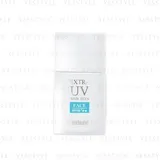 JOURDENESS Jenduoste Extra UV Face Sunscreen SPF 50+ PA ++ | Current | $18.00 | |
 CeraVe Hydrating 100% Mineral Face Sunscreen SPF 50 with Zinc Oxide & Hyaluronic Acid | 32% | $16.99 | |
 Aveeno Protect + Soothe Face Mineral Sunscreen with Broad Spectrum SPF 30 | 31% | - | |
 Jan Marini Antioxidant Physical Protectant SPF30 | 31% | - | |
 SkinCeuticals Physical UV Defense SPF 30 Mineral sunscreen for sensitive skin | 31% | $34.99 | |
 NourishMax TINTED MINERAL DEFENSE SUNSCREEN SPF 30 | 31% | $39.00 |
Key Actives
A salt derived from licorice. Works as an emollient to soften the upper layer of the skin and can help calm down inflammation. Might be helpful for skin lightening
A silicone that helps to reduce water loss from the surface of the skin. Can temporarily "fill in" lines and wrinkles, absorb oil, and create a nice product finish
Works as a UV filter when used in high concentrations. It is photostable and is effective mostly against the UVB light, with some protection in the UVA range. In small concentrations, used for its ability to improve the color of cosmetic products. Is usually well tolerated by the skin
A synthetic ester of salicylic acid that is used to help disperse pigments and boost effectiveness of sunscreen ingredients. It is able to absorb UV light (working as an organic, or chemical filter), but is not approved as a sunscreen ingredient on its own
One of the best moisturizing ingredients. Naturally present in skin. It attracts water to the upper layer of the skin working as a humectant
Can help attract water to the upper layer of the skin. In crystal form, it can work as a gentle exfoliant, gentler than the salt scrub. Helps stabilize the emulsion
Potential irritants
A synthetic ester of salicylic acid that is used to help disperse pigments and boost effectiveness of sunscreen ingredients. It is able to absorb UV light (working as an organic, or chemical filter), but is not approved as a sunscreen ingredient on its own
Helps to control the skin's pH level. Maintains the skin's natural film of amino-lactic acids and oils. Helps to preserve products
Comedogenic ingredients
All ingredients
Works as a UV filter when used in high concentrations. It is photostable and is effective mostly against the UVB light, with some protection in the UVA range. In small concentrations, used for its ability to improve the color of cosmetic products. Is usually well tolerated by the skin
Is used to add opaque (non-transparent) appearance to formulations. Can be used to coat other ingredients for even dispersion. This is a different ingredient compared to the ones used in antipersperants (aluminium chloride and aluminium chlorohydrate)
Helps products spread more easily and works as an emollient to soften skin
A silicone that helps to reduce water loss from the surface of the skin. Can temporarily "fill in" lines and wrinkles, absorb oil, and create a nice product finish
Acts as a solvent for other ingredients. Speeds up the absorption of other ingredients into the skin
A synthetic ester of salicylic acid that is used to help disperse pigments and boost effectiveness of sunscreen ingredients. It is able to absorb UV light (working as an organic, or chemical filter), but is not approved as a sunscreen ingredient on its own
One of the best moisturizing ingredients. Naturally present in skin. It attracts water to the upper layer of the skin working as a humectant
A type of silicone that helps water and oil mix together. Can help to soften upper layer of the skin
Helps to control the skin's pH level. Maintains the skin's natural film of amino-lactic acids and oils. Helps to preserve products
Helps to dissolve other ingredients in a formulation. Slows down the rate of product drying
A salt derived from licorice. Works as an emollient to soften the upper layer of the skin and can help calm down inflammation. Might be helpful for skin lightening
Used to stabilize product formulations and create a nice product texture
Used to create a nice product texture and help delivery of other ingredients. Might be somewhat helpful in attracting water to the upper layer of the skin
Pure form of vitamin E. Can help moisturise and protect the skin from free radicals. Often used to help stabilise other ingredients or the formula itself
Can help attract water to the upper layer of the skin. In crystal form, it can work as a gentle exfoliant, gentler than the salt scrub. Helps stabilize the emulsion
Used mostly for creating emulsions - helping oil and water mix together. Helps soften the upper layer of the skin
Ingredient list view
Disiloxane, Water, Titanium dioxide, Aluminum hydroxide, Stearic acid, Dicaprylyl carbonate, Dimethicone, Propanediol, Butyloctyl salicylate, Glycerin, Cetyl peg/ppg-10/1 dimethicone, Sodium citrate, Hydroxyacetophenone, Dipropylene glycol, Caprylyl glycol, Dipotassium glycyrrhizate, 1,2-hexanediol, Caprylhydroxamic acid, Dimethicone/vinyl dimethicone crosspolymer, Silica, Butylene glycol, Isoceteth-10, Tocopherol, Sucrose, Spirulina maxima extract, Lecithin, Xanthan gum
- Safety Assessment of Alumina and Aluminum Hydroxide as Used in Cosmetics
- Dimethicone as a protective ingredient in topical medications
- Final Report on the Safety Assessment of Dimethicone Copolyol
- Safety assessment of Salicylic Acid, Butyloctyl Salicylate, Calcium Salicylate, C12-15 Alkyl Salicylate, Capryloyl Salicylic Acid, Hexyldodecyl Salicylate, Isocetyl Salicylate, Isodecyl Salicylate, Magnesium Salicylate, MEA-Salicylate, Ethylhexyl Salicylate, Potassium Salicylate, Methyl Salicylate, Myristyl Salicylate, Sodium Salicylate, TEA-Salicylate, and Tridecyl Salicylate
- Glycerol and the skin: holistic approach to its origin and functions
- Ameliorating effect of dipotassium glycyrrhizinate on an IL-4- and IL-13-induced atopic dermatitis-like skin-equivalent model
- Final report on the safety assessment of Glycyrrhetinic Acid, Potassium Glycyrrhetinate, Disodium Succinoyl Glycyrrhetinate, Glyceryl Glycyrrhetinate, Glycyrrhetinyl Stearate, Stearyl Glycyrrhetinate, Glycyrrhizic Acid, Ammonium Glycyrrhizate, Dipotassium Glycyrrhizate, Disodium Glycyrrhizate, Trisodium Glycyrrhizate, Methyl Glycyrrhizate, and Potassium Glycyrrhizinate.
- The influence of alkane chain length on the skin irritation potential of 1,2-alkanediols
- Vitamin E in dermatology
- Vitamin E and Skin Health