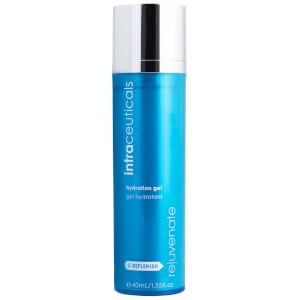
Intraceuticals Rejuvenate Hydration Gel

Intraceuticals Rejuvenate Hydration Gel

Efficacy62/100IrritancyMedium
Edit

Works for

1 of 2 advertised claims delivered

Moisturizing
6 ingredients credited for this claim
Good support
What the product description says
“Replenishes hydration to enhance skin volume”
Source: Lookfantastic Australia

This product contains good ingredients to attract water to the upper layer of the skin. These ingredients are called "humectants": glycerin, hyaluronic acid.

When humectants are on the surface of the skin, they “pull in” the moisture from the outside environment, or from within deeper layers of the skin. If the air is dry, humectants can speed up the moisture loss from the skin. This is why it is a good idea to use another product on top of this one to help "seal in" the moisture (look for ingredients like dimethicone, squalane, oils and butters).

Sodium hyaluronateKey active· HumectantEffect: HighOne of the best moisturizing ingredients. Attracts water into the upper layer of the skin~1.1–1.7%
GlycerinKey active· HumectantEffect: HighOne of the best moisturizing ingredients. Naturally present in skin. It attracts water to the upper layer of the skin working as a humectant~4.1–6.2%
Hyaluronic acidKey active· HumectantEffect: HighOne of the best moisturizing ingredients. Attracts water into the upper layer of the skin. Naturally present in skin. Typically has large molecule size unless advertised otherwise on the product label. Helps support skin's barrier function and may help to reduce inflammation~2–3%
Methyl gluceth-20Key active· HumectantEffect: MediumHelps attract water to the upper layer of the skin and soften it~3.5–5.2%
Caprylyl glycol· Humectant, EmollientEffect: LowHelps preserve products and creates a nice product texture~0.3–0.7%
Camellia sinensis leaf extractEffect: LowCan contain potent anti-oxidant compounds (abbreviated ECG, GCG, EGC, and EGCG) that might help protect the skin from free radicals. Can help calm down inflammation and has some anti-bacterial properties. Unfortunately, these antioxidants are unstable and lose their effectiveness very quickly in products. The concentration of the antioxidant compounds in the extract also tends to be low to be effective in topical formulation~0.8–1.2%
Anti-aging
4 ingredients credited for this claim
Limited support
What the product description says
“Smooths the appearance of fine lines and wrinkles”
Source: Lookfantastic Australia

This product does not contain ingredients that are able to reduce fine lines and wrinkles or help with skin elasticity, but it can improve the look of the skin temporarily through moisturization. Well-moisturized skin might also be able to repair the sun damage better.These ingredients - camellia sinensis leaf extract, hyaluronic acid - could be helpful for preventing or repairing signs of aging in theory, but there is no evidence that it actually works.

This ingredient camellia sinensis leaf extract might be able to help neutralize free radicals in skin and help it fight off some of the sun damage.

Camellia sinensis leaf extractEffect: LowCan contain potent anti-oxidant compounds (abbreviated ECG, GCG, EGC, and EGCG) that might help protect the skin from free radicals. Can help calm down inflammation and has some anti-bacterial properties. Unfortunately, these antioxidants are unstable and lose their effectiveness very quickly in products. The concentration of the antioxidant compounds in the extract also tends to be low to be effective in topical formulation~0.8–1.2%
Hyaluronic acidEffect: LowOne of the best moisturizing ingredients. Attracts water into the upper layer of the skin. Naturally present in skin. Typically has large molecule size unless advertised otherwise on the product label. Helps support skin's barrier function and may help to reduce inflammation~2–3%
Serum albuminEffect: LowFound in egg white, and can leave a film over skin. It can constrict skin temporarily, which can make it look smoother temporarily, but it can also cause sensitivity and is not helpful for skin.~0.35–0.8%
Sodium ascorbyl phosphateEffect: Low, below effective doseA stable derivative of vitamin C. It is oil-soluble which means it is more likely to penetrate the skin compared to the pure form of vitamin C (which is water-soluble), but it is less bio-available and is way less effective in stimulating collagen and reducing wrinkles compared to the pure form of vitamin C (L-ascorbic acid) and its other derivatives (for example, magnesium ascorbyl phosphate). At the same time, this vitamin C derivative has been shown in studies to be effective in reducing acne, blemishes and clogged pores. It is less irritating then the pure form of vitamin C~1.5–2.3%
Anti-oxidation
Not advertised by the brand · 5 ingredients credited for this claim
Moderate support

This product contains antioxidants (camellia sinensis leaf extract) that might be able to help neutralize free radicals in skin to lessen the damage it gets from the UV light (sun). There is not enough evidence to confirm their effectiveness in skin though.

Camellia sinensis leaf extractKey activeEffect: MediumCan contain potent anti-oxidant compounds (abbreviated ECG, GCG, EGC, and EGCG) that might help protect the skin from free radicals. Can help calm down inflammation and has some anti-bacterial properties. Unfortunately, these antioxidants are unstable and lose their effectiveness very quickly in products. The concentration of the antioxidant compounds in the extract also tends to be low to be effective in topical formulation~0.8–1.2%
BisabololEffect: LowAn active component of chamomile plant that historically has been used to calm down irritated skin. A recent study shows that bisabolol indeed can have some anti-inflammatory effect on skin, even though conclusive data is lacking. Bisabolol has a sweet floral scent and can be added to products for its aromatic properties~0.45–1%
Tocopheryl acetateEffect: LowA more stable but less bio-available form of vitamin E compared to Tocopherol. Might help moisturize and protect the skin from free radicals, but mostly used in low concentrations to stabilize other ingredients.~0.95–1.4%
Zingiber officinale root extractEffect: LowA plant extract that can contain an irritating essential oil. Might have some anti-oxidant effect, but evidence is lacking~1.3–1.9%
Sodium ascorbyl phosphateUnder-dosedEffect: MediumA stable derivative of vitamin C. It is oil-soluble which means it is more likely to penetrate the skin compared to the pure form of vitamin C (which is water-soluble), but it is less bio-available and is way less effective in stimulating collagen and reducing wrinkles compared to the pure form of vitamin C (L-ascorbic acid) and its other derivatives (for example, magnesium ascorbyl phosphate). At the same time, this vitamin C derivative has been shown in studies to be effective in reducing acne, blemishes and clogged pores. It is less irritating then the pure form of vitamin C~1.5–2.3%

Can it cause trouble?

Irritancy
1 strong irritant: Zingiber officinale root extract
Medium risk
We flagged 9 ingredients with irritancy potential. Severity depends on your sensitivity threshold; the table lists the worst offenders first.
IngredientFunctionIrritationEst. amount
Zingiber officinale root extractA plant extract that can contain an irritating essential oil. Might have some anti-oxidant effect, but evidence is lackingHigh~1.3–1.9%est.
Sodium ascorbyl phosphateA stable derivative of vitamin C. It is oil-soluble which means it is more likely to penetrate the skin compared to the pure form of vitamin C (which is water-soluble), but it is less bio-available and is way less effective in stimulating collagen and reducing wrinkles compared to the pure form of vitamin C (L-ascorbic acid) and its other derivatives (for example, magnesium ascorbyl phosphate). At the same time, this vitamin C derivative has been shown in studies to be effective in reducing acne, blemishes and clogged pores. It is less irritating then the pure form of vitamin CMedium~1.5–2.3%est.
Tocopheryl acetateA more stable but less bio-available form of vitamin E compared to Tocopherol. Might help moisturize and protect the skin from free radicals, but mostly used in low concentrations to stabilize other ingredients.Medium~0.95–1.4%est.
Serum albuminFound in egg white, and can leave a film over skin. It can constrict skin temporarily, which can make it look smoother temporarily, but it can also cause sensitivity and is not helpful for skin.Medium~0.35–0.8%est.
Caprylyl glycolHelps preserve products and creates a nice product textureMedium~0.3–0.7%est.
Caprylyl/capryl glucosideHelps oil and water mix together. Can be used as a cleansing agentMedium~0.2–0.75%est.
1,2-hexanediolA preservativeMedium~0.1–0.35%est.
TriethanolamineUsed to adjust pH of the product and can help improve the product's smellMedium~0.05–0.2%est.
Disodium edtaStabilizes the product formulationMedium~0.01–0.1%est.
Comedogenic
Clean of flagged comedogenic ingredients
None flagged
Edit

User reviews

Would you recommend?
No community reviews yet.

Be the first — your take helps the next person decide.

Write a review · ~30s

Ingredients

Filter by role to see what each ingredient is doing.

Water~40–60%
Formula
Irritation risk
Low

Plain old water

More about Water
Glycerin~4.1–6.2%
Key active
Irritation risk
Low
Works for
Moisturizing

One of the best moisturizing ingredients. Naturally present in skin. It attracts water to the upper layer of the skin working as a humectant

More about Glycerin
Methyl gluceth-20~3.5–5.2%
Key active
Irritation risk
Low
Works for
Moisturizing

Helps attract water to the upper layer of the skin and soften it

More about Methyl gluceth-20
Polysorbate 20~2.4–3.7%
Formula
Irritation risk
Low
Works for
Cleansing

Helps oil and water mix together

More about Polysorbate 20
Hyaluronic acid~2–3%
Key active
Irritation risk
Low
Works for
MoisturizingAnti-inflammatoryAnti-aging

One of the best moisturizing ingredients. Attracts water into the upper layer of the skin. Naturally present in skin. Typically has large molecule size unless advertised otherwise on the product label. Helps support skin's barrier function and may help to reduce inflammation

More about Hyaluronic acid
Sodium ascorbyl phosphate~1.5–2.3%
Under-dosedIrritant · medium
Irritation risk
Medium
Works for
Anti-blemishAnti-oxidationAnti-aging

A stable derivative of vitamin C. It is oil-soluble which means it is more likely to penetrate the skin compared to the pure form of vitamin C (which is water-soluble), but it is less bio-available and is way less effective in stimulating collagen and reducing wrinkles compared to the pure form of vitamin C (L-ascorbic acid) and its other derivatives (for example, magnesium ascorbyl phosphate). At the same time, this vitamin C derivative has been shown in studies to be effective in reducing acne, blemishes and clogged pores. It is less irritating then the pure form of vitamin C

More about Sodium ascorbyl phosphate
Zingiber officinale root extract~1.3–1.9%
Irritant · high
Irritation risk
High
Works for
Anti-oxidation

A plant extract that can contain an irritating essential oil. Might have some anti-oxidant effect, but evidence is lacking

More about Zingiber officinale root extract
Sodium hyaluronate~1.1–1.7%
Key active
Irritation risk
Low
Works for
Moisturizing

One of the best moisturizing ingredients. Attracts water into the upper layer of the skin

More about Sodium hyaluronate
Tocopheryl acetate~0.95–1.4%
Irritant · medium
Irritation risk
Medium
Works for
Anti-oxidation

A more stable but less bio-available form of vitamin E compared to Tocopherol. Might help moisturize and protect the skin from free radicals, but mostly used in low concentrations to stabilize other ingredients.

More about Tocopheryl acetate
Camellia sinensis leaf extract~0.8–1.2%
Key active
Irritation risk
Low
Works for
AntibacterialAnti-oxidationAnti-agingEvens skin toneMoisturizingAnti-blemish

Can contain potent anti-oxidant compounds (abbreviated ECG, GCG, EGC, and EGCG) that might help protect the skin from free radicals. Can help calm down inflammation and has some anti-bacterial properties. Unfortunately, these antioxidants are unstable and lose their effectiveness very quickly in products. The concentration of the antioxidant compounds in the extract also tends to be low to be effective in topical formulation

More about Camellia sinensis leaf extract
Bisabolol~0.45–1%
Formula
Irritation risk
Low
Works for
Reduces irritationAnti-inflammatoryAnti-oxidation

An active component of chamomile plant that historically has been used to calm down irritated skin. A recent study shows that bisabolol indeed can have some anti-inflammatory effect on skin, even though conclusive data is lacking. Bisabolol has a sweet floral scent and can be added to products for its aromatic properties

More about Bisabolol
Dextran sulfate~0.4–0.9%
Formula
Serum albumin~0.35–0.8%
Irritant · medium
Irritation risk
Medium
Works for
Anti-aging

Found in egg white, and can leave a film over skin. It can constrict skin temporarily, which can make it look smoother temporarily, but it can also cause sensitivity and is not helpful for skin.

More about Serum albumin
Caprylyl glycol~0.3–0.7%
Irritant · medium
Irritation risk
Medium
Works for
Moisturizing

Helps preserve products and creates a nice product texture

More about Caprylyl glycol
Caprylyl/capryl glucoside~0.2–0.75%
Irritant · medium
Irritation risk
Medium
Works for
Cleansing

Helps oil and water mix together. Can be used as a cleansing agent

More about Caprylyl/capryl glucoside
1,2-hexanediol~0.1–0.35%
Irritant · medium
Irritation risk
Medium

A preservative

More about 1,2-hexanediol
Carbomer~0.05–0.25%
Formula
Irritation risk
Low
Works for
Cleansing

Helps create a thicker or gel-like product texture. It is not a surfactant but can be used in gentle cleansing formulations

More about Carbomer
Triethanolamine~0.05–0.2%
Irritant · medium
Irritation risk
Medium
Works for
Cleansing

Used to adjust pH of the product and can help improve the product's smell

More about Triethanolamine
Disodium edta~0.01–0.1%
Irritant · medium
Irritation risk
Medium

Stabilizes the product formulation

More about Disodium edta
Ingredient list view

Water, Glycerin, Methyl gluceth-20, Polysorbate 20, Hyaluronic acid, Sodium ascorbyl phosphate, Zingiber officinale root extract, Sodium hyaluronate, Tocopheryl acetate, Camellia sinensis leaf extract, Bisabolol, Dextran sulfate, Serum albumin, Caprylyl glycol, Caprylyl/capryl glucoside, 1,2-hexanediol, Carbomer, Triethanolamine, Disodium edta

Compare prices

Retailers ranked by price — lowest first.

Amazon US
Price unavailable
Check

Affiliate links · prices updated regularly · As an Amazon Associate, WIMJ earns from qualifying purchases.

Worth comparing, line by line.

Match % combines shared ingredients, the first five ingredients, shared actives and hero ingredients, irritancy (lower counts in the alternative's favour), texture and body area. Only products in the same routine step are compared.

Side-by-side comparison of this product against its closest alternatives
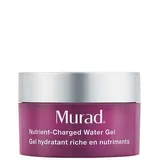
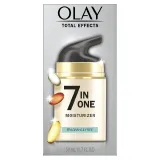
IntraceuticalsRejuvenate Hydration GelYOUR PRODUCTMuradMoisturisers Nutrient-Charged Water GelOlayAnti-Aging Face Moisturizer Fragrance-FreeEucerinHyaluron-Filler Ultra Light Moisture Booster Gel-Cream
Match—57%57%56%
Price$94.00$58.30−$35.70$13.21−$80.79—
Shared key ingredients—2 of 63 of 62 of 6
Key difference—NiacinamideNiacinamide—
Irritancy Medium Medium Low Medium
Drying alcohol——— Contains drying alcohol
View product Shop Shop Shop
Cheaper alternatives? See how this stacks up against similar formulas.
We compare ingredient profiles across our catalog — pick the closest match for your budget.
Open dupe finder

Sources cited in this review

Every concentration estimate and effectiveness label is anchored to one of these 15 studies and safety reviews.

  1. 1
  2. 2
  3. 3
  4. 4
  5. 5
  6. 6
Intraceuticals Rejuvenate Hydration Gel
IntraceuticalsRejuvenate Hydration Gel

Affiliate links · As an Amazon Associate, WIMJ earns from qualifying purchases.

As an Amazon Associate, WIMJ earns from qualifying purchases.