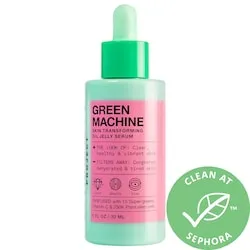
INNBEAUTY PROJECT Green Machine Vitamin C Dark Spot & Hyperpigmentation Serum

INNBEAUTY PROJECT Green Machine Vitamin C Dark Spot & Hyperpigmentation Serum

Efficacy100/100IrritancyHigh

Works for

Anti-aging
Niacinamide, Aloe barbadensis leaf juice + 2 more
Works well
What the product description says
“, Highly Stable Vitamin C (Tetrahexyldecyl Ascorbate) Supports collagen production and reduces the look of wrinkles.”
Source: Sephora CA

This product can help reduce and prevent fine lines and wrinkles, improve skin elasticity and firmness because it contains niacinamide.

Keep in mind that it typically takes at least 6 weeks to notice any results because the changes that are needed to improve fine lines and elasticity happen in the deeper layers of the skin. No topical anti-aging product can “erase” wrinkles or fully reverse signs of aging.

NiacinamideKey activeEffect: HighIs proven to be effective in reducing blemishes, evening out skin tone and helping to improve lines and wrinkles. It helps the skin to repair sun damage, calm down inflammation and keep maintain good levels of moisture. The concentration of about 2% is effective for supporting the skin barrier and evening out the skin tone. Concentration of 4-6% is better for helping with acne and balancing the sebum production~1.3–1.9%
Aloe barbadensis leaf juiceEffect: LowTraditionally used to treat sunburns, dermatitis and inflammation, but evidence for its effectiveness is lacking. The extract can contain humectants that help attract water into the skin~23–34%
Tetrahexyldecyl ascorbateUnder-dosedBeing a lipid soluble form of vitamin C, it is more stable than ascorbic acid, but still degrades quickly and needs to be stabilized in a formulation with another ingredient. It is claimed to penetrate skin better than pure vitamin C and have the the similar benefits, but solid studies of its effectiveness are lacking. Is likely to require a higher concentration in a product than pure vitamin C to be effective. It might be able to help reduce pore clogging.~0.9–1.4%
Lactic acidUnder-dosedAn exfoliating and moisturizing alpha-hydroxy acid (AHA). Typically causes less irritation than other AHAs, for example, glycolic acid. At high concentrations (about 15%), lactic acid can help reduce lines and wrinkles. Recent studies show that lactic acid can support the "good" bacteria living on skin's surface (healthy skin microbiome)~0.5–1.1%
Evens skin tone
Tranexamic acid, Niacinamide + 6 more
Works well
What the product description says
“Green Machine Vitamin C Dark Spot & Hyperpigmentation Serum”
From product name

This product can help reduce hypepigmentation and even out the skin tone because it contains the following effective ingredients: alpha-arbutin, kojic acid, niacinamide, tranexamic acid

The following ingredient (ingredients) in this product might be helpful, but there is no evidence to confirm that it actually can help even out the skin tone: pinus pinaster bark extract.

Keep in mind that you would need to apply any topical skincare targetted at hypigmentation consistently for a couple of months to get a result. No topical skincare product can help get rid of hyperpigmentation (including post-acne marks and age spots) instantly.

Tranexamic acidKey activeEffect: HighAn amino acid that is effective in reducing hyperpigmentation and evening out the skin tone. It can also help in skin barrier recovery. It is used to treat melasma, especially with injections and when taken orally~2.1–3.2%
NiacinamideKey activeEffect: HighIs proven to be effective in reducing blemishes, evening out skin tone and helping to improve lines and wrinkles. It helps the skin to repair sun damage, calm down inflammation and keep maintain good levels of moisture. The concentration of about 2% is effective for supporting the skin barrier and evening out the skin tone. Concentration of 4-6% is better for helping with acne and balancing the sebum production~1.3–1.9%
Kojic acidKey activeEffect: HighHelps to reduce hyperpigmentation and neutralize free radicals. Can be irritating~0.5–1.2%
Alpha-arbutinKey activeEffect: HighMight help reduce hyperpigmentation when used regularly over a long period of time. Is more effective than beta-arbutin~0.45–1.05%
Pinus pinaster bark extractEffect: LowA plant extract that might help neutralize free radicals and reduce hyperpigmentation, but evidence of effectiveness of topical application is lacking. It can be an INCI name for the trademarked ingredient Pycnogenol (but could also be a different type of this plant's bark extract)~0.15–0.6%
Tetrahexyldecyl ascorbateUnder-dosedBeing a lipid soluble form of vitamin C, it is more stable than ascorbic acid, but still degrades quickly and needs to be stabilized in a formulation with another ingredient. It is claimed to penetrate skin better than pure vitamin C and have the the similar benefits, but solid studies of its effectiveness are lacking. Is likely to require a higher concentration in a product than pure vitamin C to be effective. It might be able to help reduce pore clogging.~0.9–1.4%
Lactic acidUnder-dosedAn exfoliating and moisturizing alpha-hydroxy acid (AHA). Typically causes less irritation than other AHAs, for example, glycolic acid. At high concentrations (about 15%), lactic acid can help reduce lines and wrinkles. Recent studies show that lactic acid can support the "good" bacteria living on skin's surface (healthy skin microbiome)~0.5–1.1%
Potassium azeloyl diglycinateUnder-dosedA derivative of azelaic acid. It is obtained by reacting the chloride of azelaic acid with two molecules of glycine (an amino acid) and potassium hydroxide. It is less studied than azelaic acid, but the available research suggests that it also can be effective in reducing skin redness, hyperpigmentation and blemishes. There are claims that it is more bio-available and more effective than azelaic acid, but no comparison study is available. Potassium azeloyl diglycinate is better soluble in water compared with azelaic acid. Because of this property, products with potassium azeloyl digclycinate can have a nicer texture~0.35–0.8%
Anti-oxidation
Not advertised by the brand · Kojic acid, Pinus pinaster bark extract + 12 more
Works well

This product contains antioxidants (kojic acid) that can help neutralize free radicals in skin. By doing so, they can lessen the damage the skin gets from the UV light (sun).

The following ingredients - pinus pinaster bark extract also can have an antioxidant effect, but there is less evidence to confirm their effectiveness in skin.

Kojic acidKey activeEffect: HighHelps to reduce hyperpigmentation and neutralize free radicals. Can be irritating~0.5–1.2%
Pinus pinaster bark extractKey activeEffect: MediumA plant extract that might help neutralize free radicals and reduce hyperpigmentation, but evidence of effectiveness of topical application is lacking. It can be an INCI name for the trademarked ingredient Pycnogenol (but could also be a different type of this plant's bark extract)~0.15–0.6%
Punica granatum seed extractEffect: Low~0.4–0.9%
Crithmum maritimum callus culture filtrateEffect: LowA plant cell extract that helps attract water to the upper layer of the skin and might have some anti-oxidant properties~0.4–0.95%
Spinacia oleracea leaf extractEffect: LowA plant extract that might have some anti-oxidant properties~0.3–0.7%
Curcuma longa leaf extractEffect: LowA plant extract that might have some anti-oxidant effect~0.2–0.7%
Melia azadirachta flower extractEffect: LowA plant extract that might be helpful to neutralize free radicals in skin~0.2–0.8%
Ocimum sanctum leaf extractEffect: LowA plant extract that is rich in a fragrance compound eugenol that is a frequent allergen and can be irritating. It might also contain anti-oxidants to help neutralize free radicals~0.2–0.75%
Corallina officinalis extractEffect: LowRed algae extract that helps attract water to the upper layer of the skin and might contain antioxidants~0.15–0.55%
Boerhavia diffusa root extractEffect: LowA plant extract that might help reduce inflammation and neutralize free radicals~0.15–0.55%
Coccinia indica fruit extractEffect: LowA plant extract that might have some anti-oxidant effect helping neutralize free radicals in skin~0.15–0.55%
Solanum melongena fruit extractEffect: LowEggplant fruit extract. Might have some anti-oxidant effect~0.15–0.6%
Cucumis sativus fruit extractEffect: Low, below effective doseMight be somewhat helpful in reducing hyperpigmentation and neutralizing free radicals but its typical concentration in a product is too low for having an effect~0.2–0.75%
Tetrahexyldecyl ascorbateUnder-dosedBeing a lipid soluble form of vitamin C, it is more stable than ascorbic acid, but still degrades quickly and needs to be stabilized in a formulation with another ingredient. It is claimed to penetrate skin better than pure vitamin C and have the the similar benefits, but solid studies of its effectiveness are lacking. Is likely to require a higher concentration in a product than pure vitamin C to be effective. It might be able to help reduce pore clogging.~0.9–1.4%
Anti-blemish
Not advertised by the brand · Niacinamide, Aloe barbadensis leaf juice + 2 more
Works well

This product can help reduce breakouts and clogged pores because it contains the following ingredient: niacinamide. This ingredient is used for treating acne and can have a noticeable effect.

NiacinamideHeroEffect: HighIs proven to be effective in reducing blemishes, evening out skin tone and helping to improve lines and wrinkles. It helps the skin to repair sun damage, calm down inflammation and keep maintain good levels of moisture. The concentration of about 2% is effective for supporting the skin barrier and evening out the skin tone. Concentration of 4-6% is better for helping with acne and balancing the sebum production~1.3–1.9%
Aloe barbadensis leaf juiceEffect: LowTraditionally used to treat sunburns, dermatitis and inflammation, but evidence for its effectiveness is lacking. The extract can contain humectants that help attract water into the skin~23–34%
Melia azadirachta leaf extractEffect: LowA plant extract that has anti-bacterial properties. Can be used to preserve the product. Can be irritating~0.2–0.8%
Potassium azeloyl diglycinateUnder-dosedA derivative of azelaic acid. It is obtained by reacting the chloride of azelaic acid with two molecules of glycine (an amino acid) and potassium hydroxide. It is less studied than azelaic acid, but the available research suggests that it also can be effective in reducing skin redness, hyperpigmentation and blemishes. There are claims that it is more bio-available and more effective than azelaic acid, but no comparison study is available. Potassium azeloyl diglycinate is better soluble in water compared with azelaic acid. Because of this property, products with potassium azeloyl digclycinate can have a nicer texture~0.35–0.8%
Moisturizing
Not advertised by the brand · Isosorbide dicaprylate, Niacinamide + 19 more
Works well

This product can help improve hydration of the skin with the two types of ingredients.

The first type is called “humectants”:
these ingredients help attract water. When humectants are on the surface of the skin, they “pull in” the moisture from the outside environment, or from within deeper layers of the skin. The following ingredients in this product do the job: glycerin, sodium hyaluronate.

This product also contains ingredients called “occlusives”. They help reduce the speed with which our skin loses moisture to the outside environment. These ingredients also help soften the upper layer of the skin, so it feels less tight and nicer to the touch. The following ingredients in this product do the job: chondrus crispus extract, helianthus annuus seed oil.

The following ingredients in this product are especially good for supporting the skin barrier and helping with the hydration level: isosorbide dicaprylate, niacinamide

Isosorbide dicaprylateHero· EmollientEffect: HighHelps soften the upper layer of the skin. Early studies suggest that it can help strengthen the skin barrier~1.6–2.4%
NiacinamideHeroEffect: HighIs proven to be effective in reducing blemishes, evening out skin tone and helping to improve lines and wrinkles. It helps the skin to repair sun damage, calm down inflammation and keep maintain good levels of moisture. The concentration of about 2% is effective for supporting the skin barrier and evening out the skin tone. Concentration of 4-6% is better for helping with acne and balancing the sebum production~1.3–1.9%
GlycerinKey active· HumectantEffect: HighOne of the best moisturizing ingredients. Naturally present in skin. It attracts water to the upper layer of the skin working as a humectant~4.5–6.7%
Helianthus annuus seed oilKey active· Emollient, OcclusiveEffect: HighA great emollient due to its high linoleic acid content. One of the most effective plant oils in helping skin hydration and repairing skin barrier function~3.4–5.1%
Tranexamic acidKey activeEffect: HighAn amino acid that is effective in reducing hyperpigmentation and evening out the skin tone. It can also help in skin barrier recovery. It is used to treat melasma, especially with injections and when taken orally~2.1–3.2%
Cannabis sativa seed oilKey active· EmollientEffect: HighA plant oil that due to its high linoleic acid content can help strengthen skin's barrier function and soften its upper layer~1.2–1.8%
Chenopodium quinoa seed oilKey active· EmollientEffect: HighA plant oil that contains a high percentage of linoleic acid. It softens the upper layer of the skin and can help strengthen the skin barrier~1.1–1.7%
Persea gratissima oilKey active· EmollientEffect: HighAn emollient that helps soften the skin and could be helpful in repairing its barrier function~0.5–1.15%
Crithmum maritimum callus culture filtrateKey activeEffect: HighA plant cell extract that helps attract water to the upper layer of the skin and might have some anti-oxidant properties~0.4–0.95%
Punica granatum seed extractKey activeEffect: High~0.4–0.9%
Collagen amino acidsKey activeEffect: HighHelp attract water to the upper layer of the skin, soften it and support the skin barrier function~0.35–0.8%
Sodium hyaluronateKey active· HumectantEffect: HighOne of the best moisturizing ingredients. Attracts water into the upper layer of the skin~0.2–0.8%
Chondrus crispus extractKey active· OcclusiveEffect: HighRed algae extract that helps attract water to the upper layer of the skin and create a nicer product consistency~0.15–0.6%
Corallina officinalis extractKey activeEffect: HighRed algae extract that helps attract water to the upper layer of the skin and might contain antioxidants~0.15–0.55%
Aloe barbadensis leaf juice· HumectantEffect: LowTraditionally used to treat sunburns, dermatitis and inflammation, but evidence for its effectiveness is lacking. The extract can contain humectants that help attract water into the skin~23–34%
Moringa oleifera seed oil· EmollientEffect: LowA plant oil that helps soften the upper layer of the skin. Is unlikely to be helpful in restoring skin barrier function due to the low content of linoleic acid~0.35–0.85%
Caprylyl glycol· Humectant, EmollientEffect: LowHelps preserve products and creates a nice product texture~0.15–0.6%
Butylene glycol· HumectantEffect: LowUsed to create a nice product texture and help delivery of other ingredients. Might be somewhat helpful in attracting water to the upper layer of the skin~0.1–0.4%
Cucumis sativus fruit extractEffect: Low, below effective doseMight be somewhat helpful in reducing hyperpigmentation and neutralizing free radicals but its typical concentration in a product is too low for having an effect~0.2–0.75%
Lactic acidUnder-dosedAn exfoliating and moisturizing alpha-hydroxy acid (AHA). Typically causes less irritation than other AHAs, for example, glycolic acid. At high concentrations (about 15%), lactic acid can help reduce lines and wrinkles. Recent studies show that lactic acid can support the "good" bacteria living on skin's surface (healthy skin microbiome)~0.5–1.1%
Potassium azeloyl diglycinateUnder-dosedA derivative of azelaic acid. It is obtained by reacting the chloride of azelaic acid with two molecules of glycine (an amino acid) and potassium hydroxide. It is less studied than azelaic acid, but the available research suggests that it also can be effective in reducing skin redness, hyperpigmentation and blemishes. There are claims that it is more bio-available and more effective than azelaic acid, but no comparison study is available. Potassium azeloyl diglycinate is better soluble in water compared with azelaic acid. Because of this property, products with potassium azeloyl digclycinate can have a nicer texture~0.35–0.8%

Can it cause trouble?

Irritancy
3 strong irritants: Ocimum sanctum leaf extract, Origanum vulgare oil + 1 more — patch-test recommended
High risk
We flagged 26 ingredients with irritancy potential. Severity depends on your sensitivity threshold; the table lists the worst offenders first.
IngredientFunctionIrritationEst. amount
Kojic acidHelps to reduce hyperpigmentation and neutralize free radicals. Can be irritatingHigh~0.5–1.2%est.
Melia azadirachta leaf extractA plant extract that has anti-bacterial properties. Can be used to preserve the product. Can be irritatingHigh~0.2–0.8%est.
Ocimum sanctum leaf extractA plant extract that is rich in a fragrance compound eugenol that is a frequent allergen and can be irritating. It might also contain anti-oxidants to help neutralize free radicalsHigh~0.2–0.75%est.
Origanum vulgare oil—High~0.2–0.8%est.
Thymus vulgaris oil—High~0.2–0.7%est.
Curcuma longa leaf extractA plant extract that might have some anti-oxidant effectHigh~0.2–0.7%est.
Aloe barbadensis leaf juiceTraditionally used to treat sunburns, dermatitis and inflammation, but evidence for its effectiveness is lacking. The extract can contain humectants that help attract water into the skinMedium~23–34%est.
Cannabis sativa seed oilA plant oil that due to its high linoleic acid content can help strengthen skin's barrier function and soften its upper layerMedium~1.2–1.8%est.
Tetrahexyldecyl ascorbateBeing a lipid soluble form of vitamin C, it is more stable than ascorbic acid, but still degrades quickly and needs to be stabilized in a formulation with another ingredient. It is claimed to penetrate skin better than pure vitamin C and have the the similar benefits, but solid studies of its effectiveness are lacking. Is likely to require a higher concentration in a product than pure vitamin C to be effective. It might be able to help reduce pore clogging.Medium~0.9–1.4%est.
Lactic acidAn exfoliating and moisturizing alpha-hydroxy acid (AHA). Typically causes less irritation than other AHAs, for example, glycolic acid. At high concentrations (about 15%), lactic acid can help reduce lines and wrinkles. Recent studies show that lactic acid can support the "good" bacteria living on skin's surface (healthy skin microbiome)Medium~0.5–1.1%est.
Alpha-arbutinMight help reduce hyperpigmentation when used regularly over a long period of time. Is more effective than beta-arbutinMedium~0.45–1.05%est.
Persea gratissima oilAn emollient that helps soften the skin and could be helpful in repairing its barrier functionMedium~0.5–1.15%est.
Spinacia oleracea leaf extractA plant extract that might have some anti-oxidant propertiesMedium~0.3–0.7%est.
Moringa oleifera seed oilA plant oil that helps soften the upper layer of the skin. Is unlikely to be helpful in restoring skin barrier function due to the low content of linoleic acidMedium~0.35–0.85%est.
Melia azadirachta flower extractA plant extract that might be helpful to neutralize free radicals in skinMedium~0.2–0.8%est.
Cucumis sativus fruit extractMight be somewhat helpful in reducing hyperpigmentation and neutralizing free radicals but its typical concentration in a product is too low for having an effectMedium~0.2–0.75%est.
Pinus pinaster bark extractA plant extract that might help neutralize free radicals and reduce hyperpigmentation, but evidence of effectiveness of topical application is lacking. It can be an INCI name for the trademarked ingredient Pycnogenol (but could also be a different type of this plant's bark extract)Medium~0.15–0.6%est.
Boerhavia diffusa root extractA plant extract that might help reduce inflammation and neutralize free radicalsMedium~0.15–0.55%est.
Solanum melongena fruit extractEggplant fruit extract. Might have some anti-oxidant effectMedium~0.15–0.6%est.
Coccinia indica fruit extractA plant extract that might have some anti-oxidant effect helping neutralize free radicals in skinMedium~0.15–0.55%est.
Citric acidCan work as an exfoliant but is typically used to adjust the product pHMedium~0.1–0.5%est.
Caprylyl glycolHelps preserve products and creates a nice product textureMedium~0.15–0.6%est.
Leuconostoc/radish root ferment filtrateA preservative that comes from radishes fermented by a bacteria. New research suggests that the preservation properties in the ingredient come from an ammonium salt that is not present naturally in radish root but used in its cultivation. Is problematic because the exact amount of the preservative agents is difficult to determineMedium~0.1–0.3%est.
1,2-hexanediolA preservativeMedium~0.05–0.25%est.
Potassium sorbateA preservativeMedium~0.1–0.35%est.
HydroxyacetophenoneUsed to increase effectiveness of preservativesMedium~0.1–0.4%est.
Comedogenic
2 ingredients rated 2 or more on the 0–5 pore-clogging scale
2 flagged
These ingredients have a comedogenic rating of 2 or more on a 0–5 scale; the table shows each one's rating. In leave-on products they can clog pores in acne-prone skin.
IngredientFunctionRatingEst. amount
Corallina officinalis extractRed algae extract that helps attract water to the upper layer of the skin and might contain antioxidants3/5~0.15–0.55%est.
Chondrus crispus extractRed algae extract that helps attract water to the upper layer of the skin and create a nicer product consistency3/5~0.15–0.6%est.

User reviews

Would you recommend?
No community reviews yet.

Be the first — your take helps the next person decide.

Ingredients

Filter by role to see what each ingredient is doing.

Aloe barbadensis leaf juice~23–34%
Irritant · medium
Irritation risk
Medium
Works for
MoisturizingAntibacterialAnti-inflammatoryReduces rednessReduces irritationAnti-blemishAnti-aging

Traditionally used to treat sunburns, dermatitis and inflammation, but evidence for its effectiveness is lacking. The extract can contain humectants that help attract water into the skin

More about Aloe barbadensis leaf juice
Glycerin~4.5–6.7%
Key active
Irritation risk
Low
Works for
Moisturizing

One of the best moisturizing ingredients. Naturally present in skin. It attracts water to the upper layer of the skin working as a humectant

More about Glycerin
Water~4.5–6.8%
Formula
Irritation risk
Low

Plain old water

More about Water
Helianthus annuus seed oil~3.4–5.1%
Key active
Irritation risk
Low
Works for
Moisturizing

A great emollient due to its high linoleic acid content. One of the most effective plant oils in helping skin hydration and repairing skin barrier function

More about Helianthus annuus seed oil
Tranexamic acid~2.1–3.2%
Key active
Irritation risk
Low
Works for
Evens skin toneMoisturizing

An amino acid that is effective in reducing hyperpigmentation and evening out the skin tone. It can also help in skin barrier recovery. It is used to treat melasma, especially with injections and when taken orally

More about Tranexamic acid
Isosorbide dicaprylate~1.6–2.4%
Hero · Moisturizing
Irritation risk
Low
Works for
Moisturizing

Helps soften the upper layer of the skin. Early studies suggest that it can help strengthen the skin barrier

More about Isosorbide dicaprylate
Niacinamide~1.3–1.9%
Hero · Moisturizing, Anti-blemish
Irritation risk
Low
Works for
Evens skin toneAnti-agingMoisturizingAnti-blemishReduces irritationReduces rednessAntibacterialAnti-inflammatory

Is proven to be effective in reducing blemishes, evening out skin tone and helping to improve lines and wrinkles. It helps the skin to repair sun damage, calm down inflammation and keep maintain good levels of moisture. The concentration of about 2% is effective for supporting the skin barrier and evening out the skin tone. Concentration of 4-6% is better for helping with acne and balancing the sebum production

More about Niacinamide
Cannabis sativa seed oil~1.2–1.8%
Key activeIrritant · medium
Irritation risk
Medium
Works for
Moisturizing

A plant oil that due to its high linoleic acid content can help strengthen skin's barrier function and soften its upper layer

More about Cannabis sativa seed oil
Chenopodium quinoa seed oil~1.1–1.7%
Key active
Irritation risk
Low
Works for
Moisturizing

A plant oil that contains a high percentage of linoleic acid. It softens the upper layer of the skin and can help strengthen the skin barrier

More about Chenopodium quinoa seed oil
Tetrahexyldecyl ascorbate~0.9–1.4%
Under-dosedIrritant · medium
Irritation risk
Medium
Works for
Evens skin toneAnti-agingAnti-oxidation

Being a lipid soluble form of vitamin C, it is more stable than ascorbic acid, but still degrades quickly and needs to be stabilized in a formulation with another ingredient. It is claimed to penetrate skin better than pure vitamin C and have the the similar benefits, but solid studies of its effectiveness are lacking. Is likely to require a higher concentration in a product than pure vitamin C to be effective. It might be able to help reduce pore clogging.

More about Tetrahexyldecyl ascorbate
Xanthan gum~0.6–1.35%
Formula
Irritation risk
Low
Works for
Cleansing

Used to create a thicker product consistency

More about Xanthan gum
Kojic acid~0.5–1.2%
Key activeIrritant · high
Irritation risk
High
Works for
Evens skin toneAnti-oxidation

Helps to reduce hyperpigmentation and neutralize free radicals. Can be irritating

More about Kojic acid
Lactic acid~0.5–1.1%
Under-dosedIrritant · medium
Irritation risk
Medium
Works for
ExfoliationEvens skin toneMoisturizingAnti-aging

An exfoliating and moisturizing alpha-hydroxy acid (AHA). Typically causes less irritation than other AHAs, for example, glycolic acid. At high concentrations (about 15%), lactic acid can help reduce lines and wrinkles. Recent studies show that lactic acid can support the "good" bacteria living on skin's surface (healthy skin microbiome)

More about Lactic acid
Alpha-arbutin~0.45–1.05%
Key activeIrritant · medium
Irritation risk
Medium
Works for
Evens skin tone

Might help reduce hyperpigmentation when used regularly over a long period of time. Is more effective than beta-arbutin

More about Alpha-arbutin
Arthrospira platensis extract~0.45–1%
Formula
Persea gratissima oil~0.5–1.15%
Key activeIrritant · medium
Irritation risk
Medium
Works for
Moisturizing

An emollient that helps soften the skin and could be helpful in repairing its barrier function

More about Persea gratissima oil
Crithmum maritimum callus culture filtrate~0.4–0.95%
Key active
Irritation risk
Low
Works for
MoisturizingAnti-oxidation

A plant cell extract that helps attract water to the upper layer of the skin and might have some anti-oxidant properties

More about Crithmum maritimum callus culture filtrate
Punica granatum seed extract~0.4–0.9%
Key active
Irritation risk
Low
Works for
MoisturizingAnti-oxidation
More about Punica granatum seed extract
Collagen amino acids~0.35–0.8%
Key active
Irritation risk
Low
Works for
Moisturizing

Help attract water to the upper layer of the skin, soften it and support the skin barrier function

More about Collagen amino acids
Potassium azeloyl diglycinate~0.35–0.8%
Under-dosed
Irritation risk
Low
Works for
Evens skin toneAnti-blemishAnti-inflammatoryMoisturizing

A derivative of azelaic acid. It is obtained by reacting the chloride of azelaic acid with two molecules of glycine (an amino acid) and potassium hydroxide. It is less studied than azelaic acid, but the available research suggests that it also can be effective in reducing skin redness, hyperpigmentation and blemishes. There are claims that it is more bio-available and more effective than azelaic acid, but no comparison study is available. Potassium azeloyl diglycinate is better soluble in water compared with azelaic acid. Because of this property, products with potassium azeloyl digclycinate can have a nicer texture

More about Potassium azeloyl diglycinate
Brassica campestris extract~0.3–0.75%
Formula
Oleracea, acephala (kale) leaf extract
Not recognized
Spinacia oleracea leaf extract~0.3–0.7%
Irritant · medium
Irritation risk
Medium
Works for
Anti-oxidation

A plant extract that might have some anti-oxidant properties

More about Spinacia oleracea leaf extract
Moringa oleifera seed oil~0.35–0.85%
Irritant · medium
Irritation risk
Medium
Works for
Moisturizing

A plant oil that helps soften the upper layer of the skin. Is unlikely to be helpful in restoring skin barrier function due to the low content of linoleic acid

More about Moringa oleifera seed oil
Sodium hyaluronate~0.2–0.8%
Key active
Irritation risk
Low
Works for
Moisturizing

One of the best moisturizing ingredients. Attracts water into the upper layer of the skin

More about Sodium hyaluronate
Melia azadirachta leaf extract~0.2–0.8%
Irritant · high
Irritation risk
High
Works for
AntibacterialAnti-blemish

A plant extract that has anti-bacterial properties. Can be used to preserve the product. Can be irritating

More about Melia azadirachta leaf extract
Melia azadirachta flower extract~0.2–0.8%
Irritant · medium
Irritation risk
Medium
Works for
Anti-oxidation

A plant extract that might be helpful to neutralize free radicals in skin

More about Melia azadirachta flower extract
Ocimum sanctum leaf extract~0.2–0.75%
Irritant · high
Irritation risk
High
Works for
Anti-oxidation

A plant extract that is rich in a fragrance compound eugenol that is a frequent allergen and can be irritating. It might also contain anti-oxidants to help neutralize free radicals

More about Ocimum sanctum leaf extract
Cucumis sativus fruit extract~0.2–0.75%
Irritant · medium
Irritation risk
Medium
Works for
Anti-oxidationMoisturizing

Might be somewhat helpful in reducing hyperpigmentation and neutralizing free radicals but its typical concentration in a product is too low for having an effect

More about Cucumis sativus fruit extract
Origanum vulgare oil~0.2–0.8%
Irritant · high
Thymus vulgaris oil~0.2–0.7%
Irritant · high
Curcuma longa leaf extract~0.2–0.7%
Irritant · high
Irritation risk
High
Works for
Anti-oxidation

A plant extract that might have some anti-oxidant effect

More about Curcuma longa leaf extract
Pinus pinaster bark extract~0.15–0.6%
Key activeIrritant · medium
Irritation risk
Medium
Works for
Anti-oxidationEvens skin tone

A plant extract that might help neutralize free radicals and reduce hyperpigmentation, but evidence of effectiveness of topical application is lacking. It can be an INCI name for the trademarked ingredient Pycnogenol (but could also be a different type of this plant's bark extract)

More about Pinus pinaster bark extract
Boerhavia diffusa root extract~0.15–0.55%
Irritant · medium
Irritation risk
Medium
Works for
Anti-oxidationAnti-inflammatory

A plant extract that might help reduce inflammation and neutralize free radicals

More about Boerhavia diffusa root extract
Solanum melongena fruit extract~0.15–0.6%
Irritant · medium
Irritation risk
Medium
Works for
Anti-oxidation

Eggplant fruit extract. Might have some anti-oxidant effect

More about Solanum melongena fruit extract
Corallina officinalis extract~0.15–0.55%
Key activeComedogenic 3/5
Irritation risk
Low
Comedogenicity
3/5
Works for
MoisturizingAnti-oxidation

Red algae extract that helps attract water to the upper layer of the skin and might contain antioxidants

More about Corallina officinalis extract
Chondrus crispus extract~0.15–0.6%
Key activeComedogenic 3/5
Irritation risk
Low
Comedogenicity
3/5
Works for
Moisturizing

Red algae extract that helps attract water to the upper layer of the skin and create a nicer product consistency

More about Chondrus crispus extract
Coccinia indica fruit extract~0.15–0.55%
Irritant · medium
Irritation risk
Medium
Works for
Anti-oxidation

A plant extract that might have some anti-oxidant effect helping neutralize free radicals in skin

More about Coccinia indica fruit extract
Citric acid~0.1–0.5%
Irritant · medium
Irritation risk
Medium

Can work as an exfoliant but is typically used to adjust the product pH

More about Citric acid
Caprylyl glycol~0.15–0.6%
Irritant · medium
Irritation risk
Medium
Works for
Moisturizing

Helps preserve products and creates a nice product texture

More about Caprylyl glycol
Butylene glycol~0.1–0.4%
Formula
Irritation risk
Low
Works for
Moisturizing

Used to create a nice product texture and help delivery of other ingredients. Might be somewhat helpful in attracting water to the upper layer of the skin

More about Butylene glycol
Maltodextrin~0.15–0.55%
Formula
Irritation risk
Low
Works for
Mattifying

Used to stabilize the product formulation and can help absorb oil

More about Maltodextrin
Leuconostoc/radish root ferment filtrate~0.1–0.3%
Irritant · medium
Irritation risk
Medium

A preservative that comes from radishes fermented by a bacteria. New research suggests that the preservation properties in the ingredient come from an ammonium salt that is not present naturally in radish root but used in its cultivation. Is problematic because the exact amount of the preservative agents is difficult to determine

More about Leuconostoc/radish root ferment filtrate
1,2-hexanediol~0.05–0.25%
Irritant · medium
Irritation risk
Medium

A preservative

More about 1,2-hexanediol
Potassium sorbate~0.1–0.35%
Irritant · medium
Irritation risk
Medium

A preservative

More about Potassium sorbate
Sodium benzoate~0.1–0.4%
Formula
Irritation risk
Low

A preservative

More about Sodium benzoate
Amber powder~0.1–0.4%
Formula
Irritation risk
Low

Does not have proven skin benefits

More about Amber powder
Hydroxyacetophenone~0.1–0.4%
Irritant · medium
Irritation risk
Medium

Used to increase effectiveness of preservatives

More about Hydroxyacetophenone
Ingredient list view

Aloe barbadensis leaf juice, Glycerin, Water, Helianthus annuus seed oil, Tranexamic acid, Isosorbide dicaprylate, Niacinamide, Cannabis sativa seed oil, Chenopodium quinoa seed oil, Tetrahexyldecyl ascorbate, Xanthan gum, Kojic acid, Lactic acid, Alpha-arbutin, Arthrospira platensis extract, Persea gratissima oil, Crithmum maritimum callus culture filtrate, Punica granatum seed extract, Collagen amino acids, Potassium azeloyl diglycinate, Brassica campestris extract, Unknown, Spinacia oleracea leaf extract, Moringa oleifera seed oil, Sodium hyaluronate, Melia azadirachta leaf extract, Melia azadirachta flower extract, Ocimum sanctum leaf extract, Cucumis sativus fruit extract, Origanum vulgare oil, Thymus vulgaris oil, Curcuma longa leaf extract, Pinus pinaster bark extract, Boerhavia diffusa root extract, Solanum melongena fruit extract, Corallina officinalis extract, Chondrus crispus extract, Coccinia indica fruit extract, Citric acid, Caprylyl glycol, Butylene glycol, Maltodextrin, Leuconostoc/radish root ferment filtrate, 1,2-hexanediol, Potassium sorbate, Sodium benzoate, Amber powder, Hydroxyacetophenone

Compare prices

Retailers ranked by price — lowest first.

Amazon USPrice as of 11/3 22:29 GMT
$45.26
Buy

Affiliate links · As an Amazon Associate, WIMJ earns from qualifying purchases.

Worth comparing, line by line.

Match % combines shared ingredients, the first five ingredients, shared actives and hero ingredients, irritancy (lower counts in the alternative's favour), texture and body area. Only products in the same routine step are compared.

Side-by-side comparison of this product against its closest alternatives
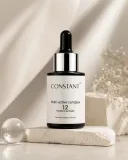
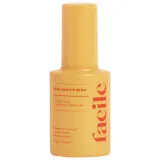
INNBEAUTY PROJECTGreen Machine Vitamin C Dark Spot & Hyperpigmentation SerumYOUR PRODUCTFig. 1Even Tone SerumOsea MalibuAnti-Aging Sea SerumFacileBrighten 5% Niacinamide Serum for Dark Spots & Uneven Texture
Match—76%72%71%
Price$45.26$36.00−$9.26$88.00+$42.74$38.00−$7.26
Shared key ingredients—5 of 215 of 214 of 21
Key difference——3-O-Ethyl Ascorbic AcidAzelaic Acid
Irritancy High Low Medium Low
Drying alcohol————
View product Shop Shop Shop

More alternatives: Zelens Lumino - Brightening Serum111SKIN Dark Spot Correcting Serum

Cheaper alternatives? See how this stacks up against similar formulas.
We compare ingredient profiles across our catalog — pick the closest match for your budget.
Open dupe finder

Product summary

"INNBEAUTY PROJECT - Green Machine Vitamin C Dark Spot & Hyperpigmentation Serum" is effective for: Anti-aging, Evens skin tone, Anti-blemish and Moisturizing

Ingredient callouts

  • This product contains acids (lactic acid 0.50% - 1.10%). Their concentration is low, and they will not have a strong exfoliating effect. Instead, they work to support the skin natural acid mantle and to attract water (as humectants). Lactic acid is particularly good in attracting water to the upper layer of the skin and improving the skin barrier.
  • Humectants (sodium hyaluronate 0.20% - 0.80% and glycerin 4.50% - 6.70%). These ingredients help attract water to the upper layer of the skin and improve the skin hydration.

Price

The product retails for 46.00CA$ in Canada.

For a detailed price comparison: click here.

Sources cited in this review

Every concentration estimate and effectiveness label is anchored to one of these 36 studies and safety reviews.

  1. 1
  2. 2
  3. 3
  4. 4
  5. 5
  6. 6
INNBEAUTY PROJECT Green Machine Vitamin C Dark Spot & Hyperpigmentation Serum
INNBEAUTY PROJECTGreen Machine Vitamin C Dark Spot & Hyperpigmentation Serum

Affiliate links · As an Amazon Associate, WIMJ earns from qualifying purchases.

As an Amazon Associate, WIMJ earns from qualifying purchases.