Works for:
based on ingredients and %- Moisturizing
- Anti-oxidation
- Evens skin tone
- Exfoliation
Can it cause trouble?
- Irritation risk: high
- Comedogenic risk ingredients: 1
Key actives

Anti-aging
This product can help reduce and prevent fine lines and wrinkles, improve skin elasticity and firmness because it contains retinol, retinyl linoleate.
Keep in mind that it typically takes at least 6 weeks to notice any results because the changes that are needed to improve fine lines and elasticity happen in the deeper layers of the skin. No topical anti-aging product can “erase” wrinkles or fully reverse signs of aging.
An ester of a retinoid and linoleic acid. Three steps removed from the bioactive form of retinoid, retinoic acid. Once converted to retinoic acid in skin, it can help reduce wrinkles, stimulate collagen production, even out skin tone and reduce blemishes. The concentrations used in cosmetic products are often not high enough to have a positive effect in skin.
Two steps removed from the active form of vitamin A - retinoic acid. Once converted to the retinoic acid in the skin, retinol is proven to be effective against all signs of aging. It improves skin cell turnover, helps fight blemishes and clogged pores, can regulate excess oil production and even skin tone. It can, however, be quite irritating
A great moisturising ingredient that softens the skin and reduces water loss from its upper layer. It also can be helpful in protecting skin from free radicals
Anti-blemish
This product can help reduce breakouts and clogged pores because it contains the following ingredient: retinol. This ingredient is used for treating acne and can have a noticeable effect.
The following ingredient (ingredients) in this product might be helpful, but there is no evidence to confirm that it actually works: retinyl linoleate
Two steps removed from the active form of vitamin A - retinoic acid. Once converted to the retinoic acid in the skin, retinol is proven to be effective against all signs of aging. It improves skin cell turnover, helps fight blemishes and clogged pores, can regulate excess oil production and even skin tone. It can, however, be quite irritating
An ester of a retinoid and linoleic acid. Three steps removed from the bioactive form of retinoid, retinoic acid. Once converted to retinoic acid in skin, it can help reduce wrinkles, stimulate collagen production, even out skin tone and reduce blemishes. The concentrations used in cosmetic products are often not high enough to have a positive effect in skin.
Can be helpful in reducing inflammation in skin, including inflamed acne. It can be irritating
Anti-oxidation
This product contains antioxidants (retinol, retinyl linoleate) that can help neutralize free radicals in skin. By doing so, they can lessen the damage the skin gets from the UV light (sun).
Two steps removed from the active form of vitamin A - retinoic acid. Once converted to the retinoic acid in the skin, retinol is proven to be effective against all signs of aging. It improves skin cell turnover, helps fight blemishes and clogged pores, can regulate excess oil production and even skin tone. It can, however, be quite irritating
An ester of a retinoid and linoleic acid. Three steps removed from the bioactive form of retinoid, retinoic acid. Once converted to retinoic acid in skin, it can help reduce wrinkles, stimulate collagen production, even out skin tone and reduce blemishes. The concentrations used in cosmetic products are often not high enough to have a positive effect in skin.
A plant extract that might help neutralize free radicals in skin, but research on its effectiveness is lacking
A more stable but less bio-available form of vitamin E compared to Tocopherol. Might help moisturize and protect the skin from free radicals, but mostly used in low concentrations to stabilize other ingredients.
A great moisturising ingredient that softens the skin and reduces water loss from its upper layer. It also can be helpful in protecting skin from free radicals
An active component of chamomile plant that historically has been used to calm down irritated skin. A recent study shows that bisabolol indeed can have some anti-inflammatory effect on skin, even though conclusive data is lacking. Bisabolol has a sweet floral scent and can be added to products for its aromatic properties
Can be helpful in reducing inflammation in skin, including inflamed acne. It can be irritating
A great emollient. Contains vitamin E (tocopherol) which may give it some anti-oxidant properties. Can contain volatile compounds and can be irritating
Evens skin tone
This product can help reduce hypepigmentation and even out the skin tone because it contains the following effective ingredients: retinol.
The following ingredient (ingredients) in this product might be helpful, but there is no evidence to confirm that it actually can help even out the skin tone: retinyl linoleate.
Keep in mind that you would need to apply any topical skincare targetted at hypigmentation consistently for a couple of months to get a result. No topical skincare product can help get rid of hyperpigmentation (including post-acne marks and age spots) instantly.
Two steps removed from the active form of vitamin A - retinoic acid. Once converted to the retinoic acid in the skin, retinol is proven to be effective against all signs of aging. It improves skin cell turnover, helps fight blemishes and clogged pores, can regulate excess oil production and even skin tone. It can, however, be quite irritating
An ester of a retinoid and linoleic acid. Three steps removed from the bioactive form of retinoid, retinoic acid. Once converted to retinoic acid in skin, it can help reduce wrinkles, stimulate collagen production, even out skin tone and reduce blemishes. The concentrations used in cosmetic products are often not high enough to have a positive effect in skin.
Exfoliation
This product can help exfoliate the skin. In other words, it helps break down the bonds between dead cells on the surface of the skin and speed up the skin turnover. Skin often appears softer and brighter after exfoliation, but overdoing it can result in disrupted skin barrier. The following ingredient is doing the exfoliating job in this product: retinol.
Two steps removed from the active form of vitamin A - retinoic acid. Once converted to the retinoic acid in the skin, retinol is proven to be effective against all signs of aging. It improves skin cell turnover, helps fight blemishes and clogged pores, can regulate excess oil production and even skin tone. It can, however, be quite irritating
Moisturizing
What does the product description say?
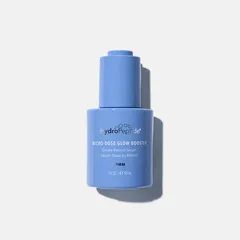
nourishing retinol experience
Source: HydroPeptide
This product can help soften the skin and reduce its moisture loss with emollients and occlusives: squalane, passiflora edulis seed oil.
Keep in mind that this product does not contain effective ingredients to attract water to the upper layer of the skin. This is why an additional product with humectants like glycerin or hyaluronic acid can be helpful (apply it before this product for the best results).
The following ingredients in this product are especially good for supporting the skin barrier and helping with the hydration level: caprooyl phytosphingosine
A component of ceramides. Helps to soften the upper layer of the skin and supports the skin barrier function to keep it hydrated. Can help to prevent inflammation in skin
A good emollient helping to soften the skin. Might have some anti-oxidant properties. Adds a fragrance to the product
An oil naturally present in skin. Works as an emollient to soften the skin and form a protective layer on its surface without a greasy feeling.
Emollients that are naturaly present in skin. In addition, they help water and oil mix together in the product
Helps soften the upper layer of the skin
A plant oil that helps soften the upper layer of the skin. Is unlikely to be helpful in restoring skin barrier function due to the low content of linoleic acid
Help soften the upper layer of the skin and make it easier for oil and water mix together. Recently, a rising number of allergic reactions to cocoglycerides and other coconut-derived surfactants has been reported. As there is a significant overlap between frequent irritants and allergens, we flag this ingredient for attention of those with very sensitive, reactive skin
Helps preserve products and creates a nice product texture
A great emollient. Contains vitamin E (tocopherol) which may give it some anti-oxidant properties. Can contain volatile compounds and can be irritating
A great moisturising ingredient that softens the skin and reduces water loss from its upper layer. It also can be helpful in protecting skin from free radicals
How honest is this product?
| Promise | Can it deliver? |
|---|---|
| Moisturizing |
Total Promises Fulfilled score: 100/100.
We receive a small commission for purchases made through these links at no cost for you. Thank you for your support! Learn more
Potential irritants
Comedogenic ingredients
User reviews (0)
Averages from community submissions.
No reviews yet for this product.
Be the first to share your experience!
Tried this product?
Help capture what the ingredient list can't—texture, finish, pilling, scent, and more. Answer what you can, skip the rest.
Takes ~30 seconds.
Reviews are shown in aggregate. No personal details.
| Product | Similarity | Price | Irritancy |
|---|---|---|---|
 HydroPeptide Micro-Dose Glow Booster | Current | $82.00 | |
Honest Beauty Honestly Pure Retinol Serum | 73% | $29.99 | |
 COSRX The Retinol 0.5 Oil | 69% | $16.45 | |
The Ordinary Retinol 0.5% in Squalane | 69% | $5.80 | |
 Mad Hippie Super A Serum | 68% | $28.99 | |
 Hero Cosmetics Rescue Retinol | 67% | $10.35 |
Key Actives
Two steps removed from the active form of vitamin A - retinoic acid. Once converted to the retinoic acid in the skin, retinol is proven to be effective against all signs of aging. It improves skin cell turnover, helps fight blemishes and clogged pores, can regulate excess oil production and even skin tone. It can, however, be quite irritating
An ester of a retinoid and linoleic acid. Three steps removed from the bioactive form of retinoid, retinoic acid. Once converted to retinoic acid in skin, it can help reduce wrinkles, stimulate collagen production, even out skin tone and reduce blemishes. The concentrations used in cosmetic products are often not high enough to have a positive effect in skin.
A great moisturising ingredient that softens the skin and reduces water loss from its upper layer. It also can be helpful in protecting skin from free radicals
An active component of chamomile plant that historically has been used to calm down irritated skin. A recent study shows that bisabolol indeed can have some anti-inflammatory effect on skin, even though conclusive data is lacking. Bisabolol has a sweet floral scent and can be added to products for its aromatic properties
A component of ceramides. Helps to soften the upper layer of the skin and supports the skin barrier function to keep it hydrated. Can help to prevent inflammation in skin
A great emollient. Contains vitamin E (tocopherol) which may give it some anti-oxidant properties. Can contain volatile compounds and can be irritating
An oil naturally present in skin. Works as an emollient to soften the skin and form a protective layer on its surface without a greasy feeling.
A good emollient helping to soften the skin. Might have some anti-oxidant properties. Adds a fragrance to the product
Potential irritants
Two steps removed from the active form of vitamin A - retinoic acid. Once converted to the retinoic acid in the skin, retinol is proven to be effective against all signs of aging. It improves skin cell turnover, helps fight blemishes and clogged pores, can regulate excess oil production and even skin tone. It can, however, be quite irritating
An ester of a retinoid and linoleic acid. Three steps removed from the bioactive form of retinoid, retinoic acid. Once converted to retinoic acid in skin, it can help reduce wrinkles, stimulate collagen production, even out skin tone and reduce blemishes. The concentrations used in cosmetic products are often not high enough to have a positive effect in skin.
Help soften the upper layer of the skin and make it easier for oil and water mix together. Recently, a rising number of allergic reactions to cocoglycerides and other coconut-derived surfactants has been reported. As there is a significant overlap between frequent irritants and allergens, we flag this ingredient for attention of those with very sensitive, reactive skin
A good emollient helping to soften the skin. Might have some anti-oxidant properties. Adds a fragrance to the product
An aromatic blend of unspecified and possibly irritating ingredients
Can be helpful in reducing inflammation in skin, including inflamed acne. It can be irritating
A more stable but less bio-available form of vitamin E compared to Tocopherol. Might help moisturize and protect the skin from free radicals, but mostly used in low concentrations to stabilize other ingredients.
A great emollient. Contains vitamin E (tocopherol) which may give it some anti-oxidant properties. Can contain volatile compounds and can be irritating
A plant oil that helps soften the upper layer of the skin. Is unlikely to be helpful in restoring skin barrier function due to the low content of linoleic acid
A plant extract that might help neutralize free radicals in skin, but research on its effectiveness is lacking
Helps preserve products and creates a nice product texture
Comedogenic ingredients
A great moisturising ingredient that softens the skin and reduces water loss from its upper layer. It also can be helpful in protecting skin from free radicals
All ingredients
An oil naturally present in skin. Works as an emollient to soften the skin and form a protective layer on its surface without a greasy feeling.
Two steps removed from the active form of vitamin A - retinoic acid. Once converted to the retinoic acid in the skin, retinol is proven to be effective against all signs of aging. It improves skin cell turnover, helps fight blemishes and clogged pores, can regulate excess oil production and even skin tone. It can, however, be quite irritating
An ester of a retinoid and linoleic acid. Three steps removed from the bioactive form of retinoid, retinoic acid. Once converted to retinoic acid in skin, it can help reduce wrinkles, stimulate collagen production, even out skin tone and reduce blemishes. The concentrations used in cosmetic products are often not high enough to have a positive effect in skin.
Emollients that are naturaly present in skin. In addition, they help water and oil mix together in the product
A component of ceramides. Helps to soften the upper layer of the skin and supports the skin barrier function to keep it hydrated. Can help to prevent inflammation in skin
A more stable but less bio-available form of vitamin E compared to Tocopherol. Might help moisturize and protect the skin from free radicals, but mostly used in low concentrations to stabilize other ingredients.
A great moisturising ingredient that softens the skin and reduces water loss from its upper layer. It also can be helpful in protecting skin from free radicals
Help soften the upper layer of the skin and make it easier for oil and water mix together. Recently, a rising number of allergic reactions to cocoglycerides and other coconut-derived surfactants has been reported. As there is a significant overlap between frequent irritants and allergens, we flag this ingredient for attention of those with very sensitive, reactive skin
An active component of chamomile plant that historically has been used to calm down irritated skin. A recent study shows that bisabolol indeed can have some anti-inflammatory effect on skin, even though conclusive data is lacking. Bisabolol has a sweet floral scent and can be added to products for its aromatic properties
A good emollient helping to soften the skin. Might have some anti-oxidant properties. Adds a fragrance to the product
A great emollient. Contains vitamin E (tocopherol) which may give it some anti-oxidant properties. Can contain volatile compounds and can be irritating
A plant oil that helps soften the upper layer of the skin. Is unlikely to be helpful in restoring skin barrier function due to the low content of linoleic acid
An aromatic blend of unspecified and possibly irritating ingredients
Can be helpful in reducing inflammation in skin, including inflamed acne. It can be irritating
A plant extract that might help neutralize free radicals in skin, but research on its effectiveness is lacking
Helps preserve products and creates a nice product texture
Ingredient list view
Ethyl macadamiate, Squalane, Dextrin palmitate/ethylhexanoate, Ascorbyl linoleate, Myristoyl pentapeptide-16, Retinol, Retinyl linoleate, Phospholipids, Glyceryl diretinoate, Caprooyl phytosphingosine, Tocopheryl acetate, Butyrospermum parkii butter, Cocoglycerides, Bisabolol, Passiflora edulis seed oil, Rosa canina fruit oil, Moringa oleifera seed oil, Crambe abyssinica seed oil, Phytonadione, Parfum, Rosmarinus officinalis leaf extract, Hippophae rhamnoides fruit extract, Caprylyl glycol, 1,2-hexanediol
- Retinoids in the treatment of skin aging: an overview of clinical efficacy and safety
- Improvement of naturally aged skin with vitamin A (retinol)
- A comparative study of the effects of retinol and retinoic acid on histological, molecular, and clinical properties of human skin
- Metabolism of topical retinaldehyde and retinol by mouse skin in vivo: predominant formation of retinyl esters and identification of 14‐hydroxy‐4, 14‐retro‐retinol
- Auto-regulation of Retinoic Acid Biosynthesis through Regulation of Retinol Esterification in Human Keratinocytes
- α-(-)-Bisabolol Reduces Pro-Inflammatory Cytokine Production and Ameliorates Skin Inflammation
- Moringa oleifera seed oil: Composition, nutritional aspects and health attributes
- Moringa oleifera Seeds and Oil: Characteristics and Uses for Human Health
- Allergic contact dermatitis induced by rosemary leaf extract in a cleansing gel
- Safety Assessment of Rosmarinus officinalis (Rosemary)-Derived Ingredients as Used in Cosmetics
- Rosmarinus officinalis Extract Suppresses Propionibacterium acnes–Induced Inflammatory Responses
- Abundance of active ingredients in sea-buckthorn oil
- The influence of alkane chain length on the skin irritation potential of 1,2-alkanediols