
Works for:
based on ingredients and %- Cleansing
- Anti-blemish
Doesn't work for:
based on ingredients and %- Exfoliation
Can it cause trouble?
- Irritation risk: high
- Comedogenic risk ingredients: 0
Key actives


Anti-blemish
What does the product description say?
Also rich in Lactic Acid, Papaya and Pomegranate extract, the Balancing Cleanser helps to brighten dull complexions and has antibacterial properties for blemish prone skin.
Source: Sephora AU
This product can help reduce breakouts and clogged pores because it contains the following ingredient: niacinamide. This ingredient is used for treating acne and can have a noticeable effect.
Is proven to be effective in reducing blemishes, evening out skin tone and helping to improve lines and wrinkles. It helps the skin to repair sun damage, calm down inflammation and keep maintain good levels of moisture. The concentration of about 2% is effective for supporting the skin barrier and evening out the skin tone. Concentration of 4-6% is better for helping with acne and balancing the sebum production
Traditionally used to treat sunburns, dermatitis and inflammation, but evidence for its effectiveness is lacking. The extract can contain humectants that help attract water into the skin
Cleansing
What does the product description say?
Balancing Cleanser
Source: Sephora New Zealand
This product works by removing dirt and oil from the surface of the skin. It uses a combination of mild cleansing agents (coco-glucoside, glyceryl oleate, lauryl glucoside, sodium cocoamphoacetate, sodium cocoyl glutamate, sodium lauryl glucose carboxylate) and should be able to cleanse the skin gently. Still keep in mind that any cleansing can disrupt the skin barrier, and most people do not need to cleanse their skin more than once per day.
Even though this formulation is mild, the following cleansing agents could trigger an irritation or allergy for some people: coco-glucoside, glyceryl oleate
Helps water and oil mix together and works as a cleansing agent
Used as a cleansing agent (surfactant) in cleansers. Helps water and oil mix together in lotions. Can be irritating
Helps oil and water mix together. Can be irritating
Helps oil and water mix together
Helps oil and water mix together and works as a cleansing agent. Creates foam
Helps oil and water mix together
Exfoliation
What does the product description say?
A daily gel-to-light-foam cleanser that is rich in naturally occurring AHA’s and lactic acid to provide a gentle enzymatic exfoliation of the skin.
Source: Sephora New Zealand
This product does not contain effective exfoliating ingredients. It might be able to deliver physical exfoliation, that is scrub off some of the dead cells on the surface of the skin. We do not recommend physical exfoliation, because it is not uniform (some bits of skin can get exfoliated too much while others not at all). It can also traumatize the skin and aggrevate acne and other skin conditions.
An exfoliating and moisturizing alpha-hydroxy acid (AHA). Typically causes less irritation than other AHAs, for example, glycolic acid. At high concentrations (about 15%), lactic acid can help reduce lines and wrinkles. Recent studies show that lactic acid can support the "good" bacteria living on skin's surface (healthy skin microbiome)
How honest is this product?
| Promise | Can it deliver? |
|---|---|
| Cleansing | |
| Exfoliation |
Total Promises Fulfilled score: 50/100.
We receive a small commission for purchases made through these links at no cost for you. Thank you for your support! Learn more
Affiliate link · supports WIMJ at no cost to you
Potential irritants
Comedogenic ingredients
No comedogenic ingredients detected
User reviews (0)
Averages from community submissions.
No reviews yet for this product.
Be the first to share your experience!
Tried this product?
Help capture what the ingredient list can't—texture, finish, pilling, scent, and more. Answer what you can, skip the rest.
Takes ~30 seconds.
Reviews are shown in aggregate. No personal details.
| Product | Similarity | Price | Irritancy |
|---|---|---|---|
 Habitual Beauty Balancing Cleanser | Current | ≈ $45.45 | |
CeraVe Gel Moussant Anti-Imperfections | 83% | - | |
Bepanthol Derma Face Cleansing Gel for Dry Skin | 79% | - | |
Skincare Company Daily Cleanser | 76% | - | |
 Skincare by Dr V Micellar Gel Wash | 76% | ≈ $20.06 | |
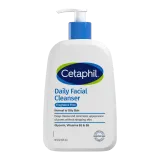 Cetaphil Daily Facial Cleanser Fragrance Free | 76% | ≈ $7.99 |
Key Actives
Is proven to be effective in reducing blemishes, evening out skin tone and helping to improve lines and wrinkles. It helps the skin to repair sun damage, calm down inflammation and keep maintain good levels of moisture. The concentration of about 2% is effective for supporting the skin barrier and evening out the skin tone. Concentration of 4-6% is better for helping with acne and balancing the sebum production
An exfoliating and moisturizing alpha-hydroxy acid (AHA). Typically causes less irritation than other AHAs, for example, glycolic acid. At high concentrations (about 15%), lactic acid can help reduce lines and wrinkles. Recent studies show that lactic acid can support the "good" bacteria living on skin's surface (healthy skin microbiome)
Helps attract water to the upper layer of the skin and can help improve skin barrier function
One of the best moisturizing ingredients. Naturally present in skin. It attracts water to the upper layer of the skin working as a humectant
Helps oil and water mix together and works as a cleansing agent. Creates foam
Used as a cleansing agent (surfactant) in cleansers. Helps water and oil mix together in lotions. Can be irritating
Helps oil and water mix together. Can be irritating
Helps oil and water mix together
Helps water and oil mix together and works as a cleansing agent
Potential irritants
Used as a cleansing agent (surfactant) in cleansers. Helps water and oil mix together in lotions. Can be irritating
An essentil oil from orange peel. Potential allergen and can be irritating
A plant oil with a high content of volatile compounds that can irritate the skin and lead to allergic reactions. Can lead to photosensitivity
A plant oil containing volatile compounds. Used as a fragrance and can be irritating
Most likely used for its fragrance. Can be irritating and lead to photosensitivity
A common frangrance that can easily irritate skin, especially if exposed to air, light or heat
Traditionally used to treat sunburns, dermatitis and inflammation, but evidence for its effectiveness is lacking. The extract can contain humectants that help attract water into the skin
Helps oil and water mix together and works as a cleansing agent. Creates foam
Can work as an exfoliant but is typically used to adjust the product pH
Helps water and oil mix together and works as a cleansing agent
An exfoliating and moisturizing alpha-hydroxy acid (AHA). Typically causes less irritation than other AHAs, for example, glycolic acid. At high concentrations (about 15%), lactic acid can help reduce lines and wrinkles. Recent studies show that lactic acid can support the "good" bacteria living on skin's surface (healthy skin microbiome)
A plant extract that might have some anti-oxidant effect in skin, but evidence is lacking
Comedogenic ingredients
We couldn't find any comedogenic ingredients in this product
All ingredients
Traditionally used to treat sunburns, dermatitis and inflammation, but evidence for its effectiveness is lacking. The extract can contain humectants that help attract water into the skin
One of the best moisturizing ingredients. Naturally present in skin. It attracts water to the upper layer of the skin working as a humectant
Helps oil and water mix together and works as a cleansing agent. Creates foam
Used as a cleansing agent (surfactant) in cleansers. Helps water and oil mix together in lotions. Can be irritating
Helps attract water to the upper layer of the skin and can help improve skin barrier function
Is proven to be effective in reducing blemishes, evening out skin tone and helping to improve lines and wrinkles. It helps the skin to repair sun damage, calm down inflammation and keep maintain good levels of moisture. The concentration of about 2% is effective for supporting the skin barrier and evening out the skin tone. Concentration of 4-6% is better for helping with acne and balancing the sebum production
Can work as an exfoliant but is typically used to adjust the product pH
Helps water and oil mix together and works as a cleansing agent
An exfoliating and moisturizing alpha-hydroxy acid (AHA). Typically causes less irritation than other AHAs, for example, glycolic acid. At high concentrations (about 15%), lactic acid can help reduce lines and wrinkles. Recent studies show that lactic acid can support the "good" bacteria living on skin's surface (healthy skin microbiome)
An essentil oil from orange peel. Potential allergen and can be irritating
A plant oil with a high content of volatile compounds that can irritate the skin and lead to allergic reactions. Can lead to photosensitivity
A plant oil containing volatile compounds. Used as a fragrance and can be irritating
Most likely used for its fragrance. Can be irritating and lead to photosensitivity
A plant extract that might have some anti-oxidant effect in skin, but evidence is lacking
A common frangrance that can easily irritate skin, especially if exposed to air, light or heat
Ingredient list view
Water, Aloe barbadensis leaf juice, Glycerin, Sodium cocoamphoacetate, Lauryl glucoside, Coco-glucoside, Glyceryl oleate, Panthenol, Niacinamide, Citric acid, Sodium levulinate, Sodium cocoyl glutamate, Sodium lauryl glucose carboxylate, Lactic acid, Citrus aurantium dulcis peel oil, Citrus limon peel oil, Citrus aurantium bergamia fruit oil, Backhousia citriodora leaf oil, Coriandrum sativum seed oil, Salvia sclarea flower/leaf/stem oil, Pimenta officinalis leaf oil, Cedrus atlantica wood oil, Sodium anisate, Carica papaya fruit extract, Punica granatum seed extract, Microcitrus australis fruit extract, Microcitrus australasica fruit extract, Citrus glauca fruit extract, Terminalia ferdinandiana fruit extract, Limonene, Linalool
- Glycerol and the skin: holistic approach to its origin and functions
- In Vitro Assessment of Skin Irritation Potential of Surfactant-based Formulations by Using a 3-D Skin Reconstructed Tissue Model and Cytokine Response
- Allergen of the Year—Alkyl Glucoside
- Contact Sensitization to Emulsifying Agents: An Underrated Issue?
- Skin moisturizing effects of panthenol-based formulations
- Safety Assessment of Panthenol, Pantothenic Acid, and Derivatives as Used in Cosmetics
- Niacinamide - mechanisms of action and its topical use in dermatology
- Gehring, W. (2004). Nicotinic acid/niacinamide and the skin. Journal of Cosmetic Dermatology, 3(2), 88–93. doi:10.1111/j.1473-2130.2004.00115.x
- Safety Assessment of Amino Acid Alkyl Amides as Used in Cosmetics
- Irritant and sensitizing potential of eight surfactants commonly used in skin cleansers: an evaluation of 105 patients
- Epidermal and dermal effects of topical lactic acid
- Dual Effects of Alpha-Hydroxy Acids on the Skin
- Safety Assessment of Citrus-Derived Peel Oils as Used in Cosmetics
- Oxidized citrus oil (R-limonene): A frequent skin sensitizer in Europe
- Air oxidation increases skin irritation from fragrance terpenes
- The chemotherapeutic potential of Terminalia ferdinandiana: Phytochemistry and bioactivity