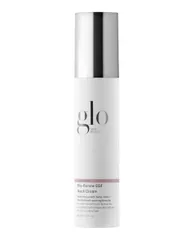
Works for:
based on ingredients and %- Evens skin tone
- Anti-aging
- Moisturizing
- Anti-oxidation
Can it cause trouble?
- Irritation risk: high
- Comedogenic risk ingredients: 0
Key actives


Anti-aging
What does the product description say?
Future-proofing skin, this advanced growth factor formulation reduces the appearance of wrinkles, fine neck lines, crepey and sagging skin, and hyperpigmentation.
Source: Glo Skin
This product can help reduce and prevent fine lines and wrinkles, improve skin elasticity and firmness because it contains niacinamide.
These ingredients in the product can also be helpful, even though there is less evidence for their effectiveness: acetyl zingerone, sh-oligopeptide-1.
Keep in mind that it typically takes at least 6 weeks to notice any results because the changes that are needed to improve fine lines and elasticity happen in the deeper layers of the skin. No topical anti-aging product can “erase” wrinkles or fully reverse signs of aging.
Is proven to be effective in reducing blemishes, evening out skin tone and helping to improve lines and wrinkles. It helps the skin to repair sun damage, calm down inflammation and keep maintain good levels of moisture. The concentration of about 2% is effective for supporting the skin barrier and evening out the skin tone. Concentration of 4-6% is better for helping with acne and balancing the sebum production
A type of peptide. Peptides are excellent moisturizers and might be able support collagen production reducing fine lines and wrinkles
An active compound sourced from ginger root. It can help neutralize free radicals in skin. It might be able to help reduce fine lines and wrinkles and improve the skin tone. In small concentrations, used as a chelating agent and helps preserve stability of product formulations.
Pure form of vitamin E. Can help moisturise and protect the skin from free radicals. Often used to help stabilise other ingredients or the formula itself
Anti-blemish
What does the product description say?
As the EGF (epidermal growth factor) experts, we've formulated this powerhouse age-defying ingredient into our breakthrough vegan EGF neck and décolleté cream. Designed to combat all stages of aging, from early to advanced, plus tech-neck, this transformative cream is clinically proven to deliver visible results in 30 days or less. Future-proofing skin, this advanced growth factor formulation reduces the appearance of wrinkles, fine neck lines, crepey and sagging skin, and hyperpigmentation. Powered by 1% EGF, it boosts skin's natural functions that diminish with age, strengthening with barrier-repairing skin-identical lipids and deeply hydrating hyaluronic acid. Nourishing flaxseed and sea buckthorn oils replenish skin's natural elasticity and suppleness. Tightening, firming, and smoothing, it evens out skin tone, for a lifted, youthful look that lasts. This neck cream is suitable for all skin types—especially those with aging concerns. Can be used in partnership with professional treatments and procedures.
Source: Glo Skin
This product can help reduce breakouts and clogged pores because it contains the following ingredient: niacinamide. This ingredient is used for treating acne and can have a noticeable effect.
Is proven to be effective in reducing blemishes, evening out skin tone and helping to improve lines and wrinkles. It helps the skin to repair sun damage, calm down inflammation and keep maintain good levels of moisture. The concentration of about 2% is effective for supporting the skin barrier and evening out the skin tone. Concentration of 4-6% is better for helping with acne and balancing the sebum production
A type of lipid that is naturally present in skin. It might help in repairing skin barrier function and has anti-bacterial effect
Anti-oxidation
This product contains antioxidants (acetyl zingerone) that can help neutralize free radicals in skin. By doing so, they can lessen the damage the skin gets from the UV light (sun).
An active compound sourced from ginger root. It can help neutralize free radicals in skin. It might be able to help reduce fine lines and wrinkles and improve the skin tone. In small concentrations, used as a chelating agent and helps preserve stability of product formulations.
A plant oil that might somewhat help to neutralize free radicals. It could be irritating
Pure form of vitamin E. Can help moisturise and protect the skin from free radicals. Often used to help stabilise other ingredients or the formula itself
Evens skin tone
What does the product description say?
Tightening, firming, and smoothing, it evens out skin tone, for a lifted, youthful look that lasts.
Source: Glo Skin
This product can help reduce hypepigmentation and even out the skin tone because it contains the following effective ingredients: niacinamide
Keep in mind that you would need to apply any topical skincare targetted at hypigmentation consistently for a couple of months to get a result. No topical skincare product can help get rid of hyperpigmentation (including post-acne marks and age spots) instantly.
Is proven to be effective in reducing blemishes, evening out skin tone and helping to improve lines and wrinkles. It helps the skin to repair sun damage, calm down inflammation and keep maintain good levels of moisture. The concentration of about 2% is effective for supporting the skin barrier and evening out the skin tone. Concentration of 4-6% is better for helping with acne and balancing the sebum production
Moisturizing
What does the product description say?
Strengthening: Encouraging dermal thickness and elasticity, it repairs and strengthens skin's barrier for a hydrated, youthful effect.
Source: Glo Skin
This product can help improve hydration of the skin with the two types of ingredients.
The first type is called “humectants”:
these ingredients help attract water.
When humectants are on the surface of the skin, they “pull in” the moisture from the outside environment, or from
within deeper layers of the skin. The following ingredients in this product do the job:
glycerin, glyceryl acrylate/acrylic acid copolymer.
This product also contains ingredients called “occlusives”. They help reduce the speed with which our skin loses moisture to the outside environment. These ingredients also help soften the upper layer of the skin, so it feels less tight and nicer to the touch. The following ingredients in this product do the job: dimethicone, helianthus annuus seed oil.
The following ingredients in this product are especially good for supporting the skin barrier and helping with the hydration level: ceramide ap, ceramide eop, ceramide np, niacinamide, phytosphingosine, sh-oligopeptide-1
Helps attract water to the upper layer of the skin and provide a longer-lasting hydration. Can create a thicker product consistency
A great emollient due to its high linoleic acid content. One of the most effective plant oils in helping skin hydration and repairing skin barrier function
A silicone that helps to reduce water loss from the surface of the skin. Can temporarily "fill in" lines and wrinkles, absorb oil, and create a nice product finish
One of the best moisturizing ingredients. Naturally present in skin. It attracts water to the upper layer of the skin working as a humectant
An emollient that is naturally found in skin
A type of lipid that is naturally present in skin. It might help in repairing skin barrier function and has anti-bacterial effect
An amino-acid. Helps attract water to the upper layer of the skin
A type of lipid similar to ceramides naturally present in skin. Helps to soften the upper layer of the skin and supports the skin barrier function to keep it hydrated. Can help to prevent inflammation in skin
A type of lipid similar to ceramides naturally present in skin. Helps to soften the upper layer of the skin and supports the skin barrier function to keep it hydrated. Can help to prevent inflammation in skin
A type of lipid similar to ceramides naturally present in skin. Helps to soften the upper layer of the skin and supports the skin barrier function to keep it hydrated. Can help to prevent inflammation in skin
A type of peptide. Peptides are excellent moisturizers and might be able support collagen production reducing fine lines and wrinkles
One of the best moisturizing ingredients. Attracts water into the upper layer of the skin
Is proven to be effective in reducing blemishes, evening out skin tone and helping to improve lines and wrinkles. It helps the skin to repair sun damage, calm down inflammation and keep maintain good levels of moisture. The concentration of about 2% is effective for supporting the skin barrier and evening out the skin tone. Concentration of 4-6% is better for helping with acne and balancing the sebum production
Helps attract water to the upper layer of the skin
Helps to soften the upper layer of the skin without creating a greasy texture
A plant oil that might somewhat help to neutralize free radicals. It could be irritating
Emollients that are naturaly present in skin. In addition, they help water and oil mix together in the product
Helps soften the upper layer of the skin and create a nice product texture
Used to improve the product consistency and soften the upper layer of the skin
Helps preserve products and creates a nice product texture
Helps attract water to the upper layer of the skin and can help improve skin barrier function
A good mix of fatty acids that forms a protective layer on the skin. Improves the shelf life of products. Derived from coconut and glycerin
Pure form of vitamin E. Can help moisturise and protect the skin from free radicals. Often used to help stabilise other ingredients or the formula itself
Used mostly for creating emulsions - helping oil and water mix together. Helps soften the upper layer of the skin
How honest is this product?
| Promise | Can it deliver? |
|---|---|
| Anti-aging | |
| Moisturizing | |
| Evens skin tone |
Total Promises Fulfilled score: 100/100.
We receive a small commission for purchases made through these links at no cost for you. Thank you for your support! Learn more
Potential irritants
Comedogenic ingredients
No comedogenic ingredients detected
User reviews (0)
Averages from community submissions.
No reviews yet for this product.
Be the first to share your experience!
Tried this product?
Help capture what the ingredient list can't—texture, finish, pilling, scent, and more. Answer what you can, skip the rest.
Takes ~30 seconds.
Reviews are shown in aggregate. No personal details.
| Product | Similarity | Price | Irritancy |
|---|---|---|---|
 Glo Skin Beauty Bio-Renew EGF Neck Cream | Current | $100.00 | |
Rilastil Acnestil Attiva Cream | 83% | ≈ $24.44 | |
 Agency Cloud Care Weightless Whipped Moisturizer | 80% | - | |
Dermatica Nourishing Ceramide + Peptides | 79% | ≈ $21.09 | |
SKIN627 CERAMIDE with PANTHENOL Intense Eye Cream | 79% | - | |
 botik Cica Pantenol + Niacinamida cream | 79% | - |
Key Actives
Is proven to be effective in reducing blemishes, evening out skin tone and helping to improve lines and wrinkles. It helps the skin to repair sun damage, calm down inflammation and keep maintain good levels of moisture. The concentration of about 2% is effective for supporting the skin barrier and evening out the skin tone. Concentration of 4-6% is better for helping with acne and balancing the sebum production
Helps attract water to the upper layer of the skin and can help improve skin barrier function
A type of lipid similar to ceramides naturally present in skin. Helps to soften the upper layer of the skin and supports the skin barrier function to keep it hydrated. Can help to prevent inflammation in skin
A type of lipid similar to ceramides naturally present in skin. Helps to soften the upper layer of the skin and supports the skin barrier function to keep it hydrated. Can help to prevent inflammation in skin
A type of lipid that is naturally present in skin. It might help in repairing skin barrier function and has anti-bacterial effect
A type of lipid similar to ceramides naturally present in skin. Helps to soften the upper layer of the skin and supports the skin barrier function to keep it hydrated. Can help to prevent inflammation in skin
A silicone that helps to reduce water loss from the surface of the skin. Can temporarily "fill in" lines and wrinkles, absorb oil, and create a nice product finish
An emollient that is naturally found in skin
An active compound sourced from ginger root. It can help neutralize free radicals in skin. It might be able to help reduce fine lines and wrinkles and improve the skin tone. In small concentrations, used as a chelating agent and helps preserve stability of product formulations.
A type of peptide. Peptides are excellent moisturizers and might be able support collagen production reducing fine lines and wrinkles
One of the best moisturizing ingredients. Naturally present in skin. It attracts water to the upper layer of the skin working as a humectant
An amino-acid. Helps attract water to the upper layer of the skin
A great emollient due to its high linoleic acid content. One of the most effective plant oils in helping skin hydration and repairing skin barrier function
Helps attract water to the upper layer of the skin and provide a longer-lasting hydration. Can create a thicker product consistency
One of the best moisturizing ingredients. Attracts water into the upper layer of the skin
Potential irritants
Produces temporary toning effect. Can help dissolve other ingredients or preserve products
Creates a cooling sensation on the skin. Does not have a skin benefit
A plant oil that might somewhat help to neutralize free radicals. It could be irritating
A plant extract that can help calm down inflammation in skin. Can, however, itself be irritating
Can be drying and contribute to skin irritation. Used in formulars to dissolve other ingredients, create a thinner product consistency or for its antibacterial properties
Helps mask the small of other ingredients and improve the product texture
Maintains the texture of skincare products. Allows the product to spread evenly. Helps oil and water mix together
Helps preserve products and creates a nice product texture
A good mix of fatty acids that forms a protective layer on the skin. Improves the shelf life of products. Derived from coconut and glycerin
Helps attract water to the upper layer of the skin and provide a longer-lasting hydration. Can create a thicker product consistency
An active compound sourced from ginger root. It can help neutralize free radicals in skin. It might be able to help reduce fine lines and wrinkles and improve the skin tone. In small concentrations, used as a chelating agent and helps preserve stability of product formulations.
Can work as an exfoliant but is typically used to adjust the product pH
Comedogenic ingredients
We couldn't find any comedogenic ingredients in this product
All ingredients
One of the best moisturizing ingredients. Naturally present in skin. It attracts water to the upper layer of the skin working as a humectant
Is proven to be effective in reducing blemishes, evening out skin tone and helping to improve lines and wrinkles. It helps the skin to repair sun damage, calm down inflammation and keep maintain good levels of moisture. The concentration of about 2% is effective for supporting the skin barrier and evening out the skin tone. Concentration of 4-6% is better for helping with acne and balancing the sebum production
Helps mask the small of other ingredients and improve the product texture
Used to create a thicker product consistency
Used to improve the product consistency and soften the upper layer of the skin
Maintains the texture of skincare products. Allows the product to spread evenly. Helps oil and water mix together
Helps preserve products and creates a nice product texture
Helps to soften the upper layer of the skin without creating a greasy texture
A silicone that helps to reduce water loss from the surface of the skin. Can temporarily "fill in" lines and wrinkles, absorb oil, and create a nice product finish
Produces temporary toning effect. Can help dissolve other ingredients or preserve products
A preservative. It helps prevent bacterial growth in cosmetic products
Helps soften the upper layer of the skin and create a nice product texture
Helps attract water to the upper layer of the skin and can help improve skin barrier function
Creates a cooling sensation on the skin. Does not have a skin benefit
Acts as a solvent for other ingredients. Speeds up the absorption of other ingredients into the skin
An amino-acid. Helps attract water to the upper layer of the skin
Used to dissolve other ingredients in a product and can enhance their ability to penetrate the skin
A plant oil that might somewhat help to neutralize free radicals. It could be irritating
A good mix of fatty acids that forms a protective layer on the skin. Improves the shelf life of products. Derived from coconut and glycerin
Used mostly for creating emulsions - helping oil and water mix together. Helps soften the upper layer of the skin
Pure form of vitamin E. Can help moisturise and protect the skin from free radicals. Often used to help stabilise other ingredients or the formula itself
Emollients that are naturaly present in skin. In addition, they help water and oil mix together in the product
Used to create a thicker product consistency
A great emollient due to its high linoleic acid content. One of the most effective plant oils in helping skin hydration and repairing skin barrier function
Helps attract water to the upper layer of the skin and provide a longer-lasting hydration. Can create a thicker product consistency
A type of lipid similar to ceramides naturally present in skin. Helps to soften the upper layer of the skin and supports the skin barrier function to keep it hydrated. Can help to prevent inflammation in skin
A type of lipid similar to ceramides naturally present in skin. Helps to soften the upper layer of the skin and supports the skin barrier function to keep it hydrated. Can help to prevent inflammation in skin
A type of lipid that is naturally present in skin. It might help in repairing skin barrier function and has anti-bacterial effect
One of the best moisturizing ingredients. Attracts water into the upper layer of the skin
An active compound sourced from ginger root. It can help neutralize free radicals in skin. It might be able to help reduce fine lines and wrinkles and improve the skin tone. In small concentrations, used as a chelating agent and helps preserve stability of product formulations.
Helps create a thicker or gel-like product texture. It is not a surfactant but can be used in gentle cleansing formulations
A type of peptide. Peptides are excellent moisturizers and might be able support collagen production reducing fine lines and wrinkles
Used to create a gel-like product texture
A type of lipid similar to ceramides naturally present in skin. Helps to soften the upper layer of the skin and supports the skin barrier function to keep it hydrated. Can help to prevent inflammation in skin
A plant extract that can help calm down inflammation in skin. Can, however, itself be irritating
Can work as an exfoliant but is typically used to adjust the product pH
Can be drying and contribute to skin irritation. Used in formulars to dissolve other ingredients, create a thinner product consistency or for its antibacterial properties
Ingredient list view
Water, Brassica campestris/aleurites fordi oil copolymer, Glycerin, Niacinamide, Acacia senegal gum, Sodium acrylate/sodium acryloyldimethyl taurate copolymer, Hydrogenated polyisobutene, Acrylates/c10-30 alkyl acrylate crosspolymer, Caprylyl glycol, Coco-caprylate/caprate, Dimethicone, Silica, Isopentyldiol, Alcohol denat., Phenoxyethanol, C15-19 alkane, Panthenol, Menthyl ethylamido oxalate, Propanediol, Ornithine, Linum usitatissimum seed oil, Dimethyl isosorbide, Hippophae rhamnoides fruit oil, Caprylic/capric triglyceride, Sodium acrylates copolymer, Sodium lauroyl lactylate, Polyglyceryl-6 laurate, Lecithin, Sodium gluconate, Tocopherol, Xanthan gum, Ethylhexylglycerin, Phospholipids, Glycolipids, Ethylene/propylene/styrene copolymer, Polyglycerin-6, Helianthus annuus seed oil, Glyceryl acrylate/acrylic acid copolymer, Ceramide np, Ceramide ap, Phytosphingosine, Sodium hyaluronate, Cholesterol, Ribose, Sodium polygamma-glutamate, Acetyl zingerone, Carbomer, Crocus chrysanthus bulb extract, Sodium hydroxide, Sh-oligopeptide-1, Butylene/ethylene/styrene copolymer, Ceramide eop, Hamamelis virginiana water, Citric acid, Sodium hyaluronate crosspolymer-3, Alcohol
- Glycerol and the skin: holistic approach to its origin and functions
- Niacinamide - mechanisms of action and its topical use in dermatology
- Gehring, W. (2004). Nicotinic acid/niacinamide and the skin. Journal of Cosmetic Dermatology, 3(2), 88–93. doi:10.1111/j.1473-2130.2004.00115.x
- Final report of the cosmetic ingredient review expert panel on the safety assessment of Polyisobutene and Hydrogenated Polyisobutene as used in cosmetics
- Safety Assessment of Alkyl Esters as Used in Cosmetics
- Dimethicone as a protective ingredient in topical medications
- Final Report on the Safety Assessment of Dimethicone Copolyol
- Skin moisturizing effects of panthenol-based formulations
- Safety Assessment of Panthenol, Pantothenic Acid, and Derivatives as Used in Cosmetics
- Activity enhancement of ferulic acid with dimethyl isosorbride in cosmetic compositions
- Final Report on the Safety Assessment of Acrylates Copolymer and 33 Related Cosmetic Ingredients
- Vitamin E in dermatology
- Vitamin E and Skin Health
- Effect of Olive and Sunflower Seed Oil on the Adult Skin Barrier: Implications for Neonatal Skin Care
- Topically Applied Sunflower Seed Oil Prevents Invasive Bacterial Infections in Preterm Infants in Egypt
- Effect of topically applied lipids on surfactant-irritated skin
- Impact of topical oils on the skin barrier: possible implications for neonatal health in developing countries
- Skin hydration is significantly increased by a cream formulated to mimic the skin’s own natural moisturizing systems
- Topically Applied Ceramides Interact with the Stratum Corneum Lipid Matrix in Compromised Ex Vivo Skin
- Hyaluronic acid: A key molecule in skin aging
- Hyaluronan (Hyaluronic Acid): a natural moisturizer for skin care
- Randomized double-blind vehicle controlled study of the effects of topical acetyl zingerone on photoaging
- Safety Assessment of Styrene and Vinyl-type Styrene Copolymers as Used in Cosmetics
- Topical emulsions containing ceramides: Effects on the skin barrier function and anti‐inflammatory properties