Works for:
based on ingredients and %- Moisturizing
Doesn't work for:
based on ingredients and %- Anti-aging
- Evens skin tone
Can it cause trouble?
- Irritation risk: high
- Comedogenic risk ingredients: 2
Key actives


Moisturizing
This product can help improve hydration of the skin with the two types of ingredients.
The first type is called “humectants”:
these ingredients help attract water.
When humectants are on the surface of the skin, they “pull in” the moisture from the outside environment, or from
within deeper layers of the skin. The following ingredients in this product do the job:
glycerin, aloe barbadensis leaf juice.
This product also contains ingredients called “occlusives”. They help reduce the speed with which our skin loses moisture to the outside environment. These ingredients also help soften the upper layer of the skin, so it feels less tight and nicer to the touch. The following ingredients in this product do the job: carthamus tinctorius seed oil, hydrogenated vegetable oil.
A seaweed extract that helps attract water to the upper layer of the skin and might have an anti-oxidant effect
An emollient that helps soften the skin and might help calm down inflammation
Helps attract water to the upper layer of the skin
One of the best moisturizing ingredients. Naturally present in skin. It attracts water to the upper layer of the skin working as a humectant
An oil from a mixture of different vegetables. Helps soften the upper layer of the skin
An algae extract that might have anti-oxidant properties
Helps create a non-greasy finish on the skin
An emollient that softens the skin and forms a protective layer on its surface. Helps water and oil mix together
Used to create a nice product texture and help delivery of other ingredients. Might be somewhat helpful in attracting water to the upper layer of the skin
Helps preserve products and creates a nice product texture
Traditionally used to treat sunburns, dermatitis and inflammation, but evidence for its effectiveness is lacking. The extract can contain humectants that help attract water into the skin
Used to preserve products, dissolve other ingredients and create a nice product texture
A good mix of fatty acids that forms a protective layer on the skin. Improves the shelf life of products. Derived from coconut and glycerin
A derivative of azelaic acid. It is obtained by reacting the chloride of azelaic acid with two molecules of glycine (an amino acid) and potassium hydroxide. It is less studied than azelaic acid, but the available research suggests that it also can be effective in reducing skin redness, hyperpigmentation and blemishes. There are claims that it is more bio-available and more effective than azelaic acid, but no comparison study is available. Potassium azeloyl diglycinate is better soluble in water compared with azelaic acid. Because of this property, products with potassium azeloyl digclycinate can have a nicer texture
Anti-aging
What does the product description say?
This clinically proven formula helps improve the visible appearance of fine lines, wrinkles, dark spots, skin tone evenness, skin smoothness, elasticity, and overall radiance while enhancing the health of the skin barrier.
Source: Dermstore
Effective ingredients missing or their concentration is too low.
Traditionally used to treat sunburns, dermatitis and inflammation, but evidence for its effectiveness is lacking. The extract can contain humectants that help attract water into the skin
Evens skin tone
What does the product description say?
This clinically proven formula helps improve the visible appearance of fine lines, wrinkles, dark spots, skin tone evenness, skin smoothness, elasticity, and overall radiance while enhancing the health of the skin barrier.
Source: Dermstore
Effective ingredients missing or their concentration is too low
A derivative of azelaic acid. It is obtained by reacting the chloride of azelaic acid with two molecules of glycine (an amino acid) and potassium hydroxide. It is less studied than azelaic acid, but the available research suggests that it also can be effective in reducing skin redness, hyperpigmentation and blemishes. There are claims that it is more bio-available and more effective than azelaic acid, but no comparison study is available. Potassium azeloyl diglycinate is better soluble in water compared with azelaic acid. Because of this property, products with potassium azeloyl digclycinate can have a nicer texture
How honest is this product?
| Promise | Can it deliver? |
|---|---|
| Anti-aging | |
| Evens skin tone |
Total Promises Fulfilled score: 0/100.
We receive a small commission for purchases made through these links at no cost for you. Thank you for your support! Learn more
Potential irritants
Comedogenic ingredients
User reviews (0)
Averages from community submissions.
No reviews yet for this product.
Be the first to share your experience!
Tried this product?
Help capture what the ingredient list can't—texture, finish, pilling, scent, and more. Answer what you can, skip the rest.
Takes ~30 seconds.
Reviews are shown in aggregate. No personal details.
| Product | Similarity | Price | Irritancy |
|---|---|---|---|
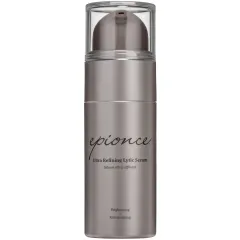
 Epionce Ultra Refining Lytic Serum | Current | $96.00 | |
Zelens Lumino - Brightening Serum | 90% | ≈ $144.38 | |
Dr. Idiss Left Un-Red Reducer Serum | 88% | - | |
 Mario Badescu Clarifying Serum | 88% | $18.00 | |
 Helia-D Cell Concept Regenerating serum | 88% | - | |
 NEORETIN | Discrom control Pigment Neutralizer Serum | Cantabria Labs | 88% | ≈ $29.45 |
Key Actives
A derivative of azelaic acid. It is obtained by reacting the chloride of azelaic acid with two molecules of glycine (an amino acid) and potassium hydroxide. It is less studied than azelaic acid, but the available research suggests that it also can be effective in reducing skin redness, hyperpigmentation and blemishes. There are claims that it is more bio-available and more effective than azelaic acid, but no comparison study is available. Potassium azeloyl diglycinate is better soluble in water compared with azelaic acid. Because of this property, products with potassium azeloyl digclycinate can have a nicer texture
An emollient that helps soften the skin and might help calm down inflammation
A seaweed extract that helps attract water to the upper layer of the skin and might have an anti-oxidant effect
One of the best moisturizing ingredients. Naturally present in skin. It attracts water to the upper layer of the skin working as a humectant
A good mix of fatty acids that forms a protective layer on the skin. Improves the shelf life of products. Derived from coconut and glycerin
Helps attract water to the upper layer of the skin
Potential irritants
An essentil oil from orange peel. Potential allergen and can be irritating
A plant extract used to conceal the smell of other ingredients in a product. Has anti-microbial properties. Can be irritating
Plant extract that can be irritating and is a known allergen
A common frangrance that can easily irritate skin, especially if exposed to air, light or heat
An essential oil with a lemon-like smell that is extracted from a fruit grown in Asia. Used as a fragrance
A tree rasin that could temporarily tighten the skin and might help regulate sebum production, but the research on its effectiveness in skin is lacking
Traditionally used to treat sunburns, dermatitis and inflammation, but evidence for its effectiveness is lacking. The extract can contain humectants that help attract water into the skin
A gelling agent that thickens the product consistency and leaves the skin with a velvety finish
A plant extract that might help calm down inflammation in skin but evidence of effectiveness is lacking
Helps mask the small of other ingredients and improve the product texture
A good mix of fatty acids that forms a protective layer on the skin. Improves the shelf life of products. Derived from coconut and glycerin
Helps preserve products and creates a nice product texture
Can work as an exfoliant but is typically used to adjust the product pH
Helps water and oil mix together and has an anti-microbial effect helping to preserve product formulations
Used to preserve products, dissolve other ingredients and create a nice product texture
Comedogenic ingredients
An algae extract that might have anti-oxidant properties
An oil from a mixture of different vegetables. Helps soften the upper layer of the skin
All ingredients
Used to create a nice product texture and help delivery of other ingredients. Might be somewhat helpful in attracting water to the upper layer of the skin
One of the best moisturizing ingredients. Naturally present in skin. It attracts water to the upper layer of the skin working as a humectant
Traditionally used to treat sunburns, dermatitis and inflammation, but evidence for its effectiveness is lacking. The extract can contain humectants that help attract water into the skin
A gelling agent that thickens the product consistency and leaves the skin with a velvety finish
An emollient that softens the skin and forms a protective layer on its surface. Helps water and oil mix together
Helps oil and water mix togehter and creates a nice product texture
A plant extract that might help calm down inflammation in skin but evidence of effectiveness is lacking
Helps mask the small of other ingredients and improve the product texture
A good mix of fatty acids that forms a protective layer on the skin. Improves the shelf life of products. Derived from coconut and glycerin
Helps preserve products and creates a nice product texture
An emollient that helps soften the skin and might help calm down inflammation
Can work as an exfoliant but is typically used to adjust the product pH
An essentil oil from orange peel. Potential allergen and can be irritating
An algae extract that might have anti-oxidant properties
Helps water and oil mix together and has an anti-microbial effect helping to preserve product formulations
A plant extract used to conceal the smell of other ingredients in a product. Has anti-microbial properties. Can be irritating
An oil from a mixture of different vegetables. Helps soften the upper layer of the skin
Plant extract that can be irritating and is a known allergen
A common frangrance that can easily irritate skin, especially if exposed to air, light or heat
An essential oil with a lemon-like smell that is extracted from a fruit grown in Asia. Used as a fragrance
Used to preserve products, dissolve other ingredients and create a nice product texture
A preservative. It helps prevent bacterial growth in cosmetic products
A tree rasin that could temporarily tighten the skin and might help regulate sebum production, but the research on its effectiveness in skin is lacking
A derivative of azelaic acid. It is obtained by reacting the chloride of azelaic acid with two molecules of glycine (an amino acid) and potassium hydroxide. It is less studied than azelaic acid, but the available research suggests that it also can be effective in reducing skin redness, hyperpigmentation and blemishes. There are claims that it is more bio-available and more effective than azelaic acid, but no comparison study is available. Potassium azeloyl diglycinate is better soluble in water compared with azelaic acid. Because of this property, products with potassium azeloyl digclycinate can have a nicer texture
Helps attract water to the upper layer of the skin
A seaweed extract that helps attract water to the upper layer of the skin and might have an anti-oxidant effect
Ingredient list view
Water, Butylene glycol, Glycerin, Aloe barbadensis leaf juice, Hydroxyethyl acrylate/sodium acryloyldimethyl taurate copolymer, Glyceryl stearate, Peg-100 stearate, Serenoa serrulata fruit extract, Polycitronellol acetate, Tridecane, Undecane, Acacia senegal gum, Camphor, Caprylic/capric triglyceride, Caprylyl glycol, Carthamus tinctorius seed oil, Citral, Citric acid, Citrus aurantium dulcis peel oil, Citrus limon peel oil, Commiphora myrrha resin extract, Crithmum maritimum extract, Unknown, Cymbopogon citratus leaf oil, Ethylene brassylate, Ethylhexylglycerin, Glyceryl laurate, Helichrysum italicum extract, Hexylene glycol, Hydrogenated vegetable oil, Isodonis japonicus leaf/stalk extract, Jania rubens extract, Lavandula hybrida oil, Limonene, Linalool, Linalyl acetate, Litsea cubeba fruit oil, Malic acid, Morinda citrifolia extract, Octanal, Pentylene glycol, Phenoxyethanol, Pinene, Pistacia lentiscus gum, Potassium azeloyl diglycinate, Potassium sorbate, Saccharomyces ferment lysate filtrate, Sodium benzoate, Sterculia urens gum, Thymus citriodorus flower/leaf extract, Undaria pinnatifida extract
- Glycerol and the skin: holistic approach to its origin and functions
- Saw palmetto extract: A dermatologist's perspective
- Fragrance material review on ethylene brassylate
- Ethnopharmacological Properties and Medicinal Uses of Litsea cubeba
- Mastic liposome treatment for shiny and impure skin
- Clinical and instrumental assessment of the effects of a new product based on hydroxypropyl chitosan and potassium azeloyl diglycinate in the management of rosacea
- A Preliminary Clinical Evaluation of a Topical Product for Reducing Slight Rosacea Imperfections
- Azeloyl-Glycine: A new active in skin disequilibrium
- Formulation and evaluation of the cream made from potassium azeloyl diglycinate as an anti-aging