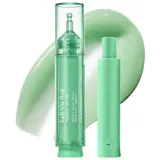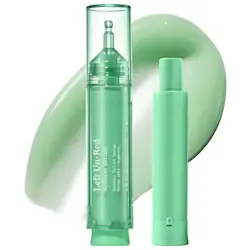
Dr. Idriss Left Un-Red Reducer Face Serum for Redness and Blemish Prone Skin

Dr. Idriss Left Un-Red Reducer Face Serum for Redness and Blemish Prone Skin

Efficacy75/100IrritancyMedium

Works for

Moisturizing
Glycerin, Potassium azeloyl diglycinate + 10 more
Works
What the product description says
“The Reducer Serum is sensitive-skin friendly and fragrance-free, containing two cartridges to ensure the highest level of formula freshness.”
Source: Sephora

This product can help improve hydration of the skin with the two types of ingredients.

The first type is called “humectants”:
these ingredients help attract water. When humectants are on the surface of the skin, they “pull in” the moisture from the outside environment, or from within deeper layers of the skin. The following ingredients in this product do the job: glycerin, butylene glycol.

This product also contains ingredients called “occlusives”. They help reduce the speed with which our skin loses moisture to the outside environment. These ingredients also help soften the upper layer of the skin, so it feels less tight and nicer to the touch. The following ingredients in this product do the job: butyrospermum parkii butter, caprylic/capric triglyceride.

GlycerinKey active· HumectantEffect: HighOne of the best moisturizing ingredients. Naturally present in skin. It attracts water to the upper layer of the skin working as a humectant~3.8–5.7%
Potassium azeloyl diglycinateKey activeEffect: MediumA derivative of azelaic acid. It is obtained by reacting the chloride of azelaic acid with two molecules of glycine (an amino acid) and potassium hydroxide. It is less studied than azelaic acid, but the available research suggests that it also can be effective in reducing skin redness, hyperpigmentation and blemishes. There are claims that it is more bio-available and more effective than azelaic acid, but no comparison study is available. Potassium azeloyl diglycinate is better soluble in water compared with azelaic acid. Because of this property, products with potassium azeloyl digclycinate can have a nicer texture~2.7–4%
Caprylic/capric triglycerideKey active· Emollient, OcclusiveEffect: HighA good mix of fatty acids that forms a protective layer on the skin. Improves the shelf life of products. Derived from coconut and glycerin~1.4–2.1%
Butyrospermum parkii butterKey active· Emollient, OcclusiveEffect: HighA great moisturising ingredient that softens the skin and reduces water loss from its upper layer. It also can be helpful in protecting skin from free radicals~1.3–1.9%
Cetyl alcoholKey active· EmollientEffect: MediumA non-drying alcohol that works to soften the skin and stabilize product formulations helping oil and water mix together~0.55–1.25%
DimethiconeKey active· Emollient, OcclusiveEffect: HighA silicone that helps to reduce water loss from the surface of the skin. Can temporarily "fill in" lines and wrinkles, absorb oil, and create a nice product finish~0.35–0.8%
ProlineKey activeEffect: Medium~0.15–0.55%
Capryloyl glycineKey activeEffect: MediumHelps oil and water mix together, preserve cosmetic products, and attract water to the upper layer of the skin~0.15–0.55%
Polyglyceryl-10 oleateKey activeEffect: MediumHelps soften the upper layer of the skin~0.1–0.3%
Pentylene glycol· EmollientEffect: LowUsed to preserve products, dissolve other ingredients and create a nice product texture~1.7–2.5%
Isohexadecane· EmollientEffect: LowImproves the texture of the product and helps soften the skin. Helps oil and water mix together and can be used as a cleansing agent~0.15–0.5%
Butylene glycol· HumectantEffect: LowUsed to create a nice product texture and help delivery of other ingredients. Might be somewhat helpful in attracting water to the upper layer of the skin~0.05–0.3%
Anti-oxidation
Side benefit · Azelaic acid, Glycyrrhetinic acid + 4 more
Works well

This product contains antioxidants (azelaic acid, glycyrrhetinic acid) that can help neutralize free radicals in skin. By doing so, they can lessen the damage the skin gets from the UV light (sun).

Azelaic acidKey activeEffect: HighIs produced by a yeast that lives on normal human skin. It is used in medicine as a topical treatment for mild to moderate acne. It has a mild exfoliating effect. It can also help reduce hyperpigmentation, helps calm down inflammation and can help neutralize free radicals~2–3%
Glycyrrhetinic acidKey activeEffect: HighActive compound of licorice root. Works to calm down inflammation, as an anti-oxidant, and might be helpful in lightening the skin and reducing hyperpigmentation~0.2–0.7%
Butyrospermum parkii butterEffect: LowA great moisturising ingredient that softens the skin and reduces water loss from its upper layer. It also can be helpful in protecting skin from free radicals~1.3–1.9%
Salix alba bark extractEffect: LowA plant extract that can help neutralize free radicals in skin. It contains a compound salicin that can theoretically be converted into salicylic acid that, in turn, helps reduce inflammation in skin, but the evidence of effectiveness in skin is lacking and the extract is usually not used in a concentration that would enable an exfoliating effect~0.15–0.6%
BisabololEffect: Low, below effective doseAn active component of chamomile plant that historically has been used to calm down irritated skin. A recent study shows that bisabolol indeed can have some anti-inflammatory effect on skin, even though conclusive data is lacking. Bisabolol has a sweet floral scent and can be added to products for its aromatic properties~0.1–0.3%
Ascorbyl palmitateEffect: Low, below effective doseBeing a lipid soluble form of vitamin C, it is more stable and can penetrate the skin better than L-Ascorbic acid. It is effective in protecting the skin from free radicals, as well as evening the skin tone, but is less effective in stimulating collagen production compared to L-Ascorbic acid.~0.1–0.35%
Evens skin tone
Side benefit · Potassium azeloyl diglycinate, Azelaic acid + 1 more
Works well

This product can help reduce hypepigmentation and even out the skin tone because it contains the following effective ingredients: azelaic acid, potassium azeloyl diglycinate

The following ingredient (ingredients) in this product might be helpful, but there is no evidence to confirm that it actually can help even out the skin tone: glycyrrhetinic acid.

Keep in mind that you would need to apply any topical skincare targetted at hypigmentation consistently for a couple of months to get a result. No topical skincare product can help get rid of hyperpigmentation (including post-acne marks and age spots) instantly.

Potassium azeloyl diglycinateKey activeEffect: HighA derivative of azelaic acid. It is obtained by reacting the chloride of azelaic acid with two molecules of glycine (an amino acid) and potassium hydroxide. It is less studied than azelaic acid, but the available research suggests that it also can be effective in reducing skin redness, hyperpigmentation and blemishes. There are claims that it is more bio-available and more effective than azelaic acid, but no comparison study is available. Potassium azeloyl diglycinate is better soluble in water compared with azelaic acid. Because of this property, products with potassium azeloyl digclycinate can have a nicer texture~2.7–4%
Azelaic acidKey activeEffect: HighIs produced by a yeast that lives on normal human skin. It is used in medicine as a topical treatment for mild to moderate acne. It has a mild exfoliating effect. It can also help reduce hyperpigmentation, helps calm down inflammation and can help neutralize free radicals~2–3%
Glycyrrhetinic acidKey activeEffect: MediumActive compound of licorice root. Works to calm down inflammation, as an anti-oxidant, and might be helpful in lightening the skin and reducing hyperpigmentation~0.2–0.7%
Anti-blemish
Side benefit · Azelaic acid, Potassium azeloyl diglycinate + 1 more
Works well

This product can help reduce breakouts and clogged pores because it contains the following ingredient: azelaic acid. This ingredient is used for treating acne and can have a noticeable effect.

In addition, this product contains potassium azeloyl diglycinate. It can help in reducing blemishes, even though it is less effective.

Azelaic acidHeroEffect: HighIs produced by a yeast that lives on normal human skin. It is used in medicine as a topical treatment for mild to moderate acne. It has a mild exfoliating effect. It can also help reduce hyperpigmentation, helps calm down inflammation and can help neutralize free radicals~2–3%
Potassium azeloyl diglycinateKey activeEffect: HighA derivative of azelaic acid. It is obtained by reacting the chloride of azelaic acid with two molecules of glycine (an amino acid) and potassium hydroxide. It is less studied than azelaic acid, but the available research suggests that it also can be effective in reducing skin redness, hyperpigmentation and blemishes. There are claims that it is more bio-available and more effective than azelaic acid, but no comparison study is available. Potassium azeloyl diglycinate is better soluble in water compared with azelaic acid. Because of this property, products with potassium azeloyl digclycinate can have a nicer texture~2.7–4%
Salix alba bark extractEffect: LowA plant extract that can help neutralize free radicals in skin. It contains a compound salicin that can theoretically be converted into salicylic acid that, in turn, helps reduce inflammation in skin, but the evidence of effectiveness in skin is lacking and the extract is usually not used in a concentration that would enable an exfoliating effect~0.15–0.6%
Anti-aging
Side benefit · Butyrospermum parkii butter, Ascorbyl palmitate
May help

This product contains azelaic acid, glycyrrhetinic acid. These ingredients help neutralize free radicals in skin. By doing so, they might be able to prevent early signs of aging (like fine lines and wrinkles), at least to some extent. These ingredients will not be able to "reverse" signs of aging.

Butyrospermum parkii butterEffect: LowA great moisturising ingredient that softens the skin and reduces water loss from its upper layer. It also can be helpful in protecting skin from free radicals~1.3–1.9%
Ascorbyl palmitateEffect: Low, below effective doseBeing a lipid soluble form of vitamin C, it is more stable and can penetrate the skin better than L-Ascorbic acid. It is effective in protecting the skin from free radicals, as well as evening the skin tone, but is less effective in stimulating collagen production compared to L-Ascorbic acid.~0.1–0.35%

Can it cause trouble?

Irritancy
11 flagged ingredients
Medium risk
We flagged 11 ingredients with irritancy potential. Severity depends on your sensitivity threshold; the table lists the worst offenders first.
IngredientFunctionIrritationEst. amount
Salix alba bark extractA plant extract that can help neutralize free radicals in skin. It contains a compound salicin that can theoretically be converted into salicylic acid that, in turn, helps reduce inflammation in skin, but the evidence of effectiveness in skin is lacking and the extract is usually not used in a concentration that would enable an exfoliating effectHigh~0.15–0.6%est.
Ci 19140A yellow dyeHigh~0.01–0.05%est.
Pentylene glycolUsed to preserve products, dissolve other ingredients and create a nice product textureMedium~1.7–2.5%est.
Caprylic/capric triglycerideA good mix of fatty acids that forms a protective layer on the skin. Improves the shelf life of products. Derived from coconut and glycerinMedium~1.4–2.1%est.
Glycyrrhetinic acidActive compound of licorice root. Works to calm down inflammation, as an anti-oxidant, and might be helpful in lightening the skin and reducing hyperpigmentationMedium~0.2–0.7%est.
Ascorbyl palmitateBeing a lipid soluble form of vitamin C, it is more stable and can penetrate the skin better than L-Ascorbic acid. It is effective in protecting the skin from free radicals, as well as evening the skin tone, but is less effective in stimulating collagen production compared to L-Ascorbic acid.Medium~0.1–0.35%est.
EthylhexylglycerinA preservativeMedium~0.1–0.3%est.
Sorbitan oleateHelps oil and water mix togetherMedium~0.1–0.3%est.
Polyglyceryl-6 caprylateHelps oil and water mix togetherMedium~0.1–0.35%est.
Sorbitan palmitateHelps water and oil mix together and stabilize the product formulationMedium~0.05–0.25%est.
Ci 42090A colorant (dye)Medium~0.01–0.05%est.
Comedogenic
2 ingredients rated 2 or more on the 0–5 pore-clogging scale
2 flagged
These ingredients have a comedogenic rating of 2 or more on a 0–5 scale; the table shows each one's rating. In leave-on products they can clog pores in acne-prone skin.
IngredientFunctionRatingEst. amount
Butyrospermum parkii butterA great moisturising ingredient that softens the skin and reduces water loss from its upper layer. It also can be helpful in protecting skin from free radicals3/5~1.3–1.9%est.
Sorbitan oleateHelps oil and water mix together2/5~0.1–0.3%est.

User reviews

Would you recommend?
No community reviews yet.

Be the first — your take helps the next person decide.

Ingredients

Filter by role to see what each ingredient is doing.

Water~40–60%
Formula
Irritation risk
Low

Plain old water

More about Water
Glycerin~3.8–5.7%
Key active
Irritation risk
Low
Works for
Moisturizing

One of the best moisturizing ingredients. Naturally present in skin. It attracts water to the upper layer of the skin working as a humectant

More about Glycerin
Propanediol~3.3–5%
Formula
Irritation risk
Low

Acts as a solvent for other ingredients. Speeds up the absorption of other ingredients into the skin

More about Propanediol
Potassium azeloyl diglycinate~2.7–4%
Key active
Irritation risk
Low
Works for
Anti-inflammatoryEvens skin toneAnti-blemishMoisturizing

A derivative of azelaic acid. It is obtained by reacting the chloride of azelaic acid with two molecules of glycine (an amino acid) and potassium hydroxide. It is less studied than azelaic acid, but the available research suggests that it also can be effective in reducing skin redness, hyperpigmentation and blemishes. There are claims that it is more bio-available and more effective than azelaic acid, but no comparison study is available. Potassium azeloyl diglycinate is better soluble in water compared with azelaic acid. Because of this property, products with potassium azeloyl digclycinate can have a nicer texture

More about Potassium azeloyl diglycinate
Azelaic acid~2–3%
Hero · Anti-blemish
Irritation risk
Low
Works for
Anti-blemishAnti-oxidationEvens skin toneExfoliation

Is produced by a yeast that lives on normal human skin. It is used in medicine as a topical treatment for mild to moderate acne. It has a mild exfoliating effect. It can also help reduce hyperpigmentation, helps calm down inflammation and can help neutralize free radicals

More about Azelaic acid
Pentylene glycol~1.7–2.5%
Irritant · medium
Irritation risk
Medium
Works for
Moisturizing

Used to preserve products, dissolve other ingredients and create a nice product texture

More about Pentylene glycol
Caprylic/capric triglyceride~1.4–2.1%
Key activeIrritant · medium
Irritation risk
Medium
Works for
Moisturizing

A good mix of fatty acids that forms a protective layer on the skin. Improves the shelf life of products. Derived from coconut and glycerin

More about Caprylic/capric triglyceride
Butyrospermum parkii butter~1.3–1.9%
Key activeComedogenic 3/5
Irritation risk
Low
Comedogenicity
3/5
Works for
MoisturizingAnti-oxidationAnti-aging

A great moisturising ingredient that softens the skin and reduces water loss from its upper layer. It also can be helpful in protecting skin from free radicals

More about Butyrospermum parkii butter
Dipropylene glycol~0.95–1.45%
Formula
Irritation risk
Low

Helps to dissolve other ingredients in a formulation. Slows down the rate of product drying

More about Dipropylene glycol
Cetearyl olivate~0.6–1.35%
Formula
Irritation risk
Low
Works for
Cleansing

Helps oil and water mix together

More about Cetearyl olivate
Cetyl alcohol~0.55–1.25%
Key active
Irritation risk
Low
Works for
CleansingMoisturizing

A non-drying alcohol that works to soften the skin and stabilize product formulations helping oil and water mix together

More about Cetyl alcohol
Sorbitan olivate~0.4–0.9%
Formula
Irritation risk
Low
Works for
Cleansing

Helps oil and water mix together

More about Sorbitan olivate
Sodium acrylate/sodium acryloyldimethyl taurate copolymer~0.35–0.85%
Formula
Irritation risk
Low

Used to create a thicker product consistency

More about Sodium acrylate/sodium acryloyldimethyl taurate copolymer
Dimethicone~0.35–0.8%
Key active
Irritation risk
Low
Works for
MoisturizingMattifying

A silicone that helps to reduce water loss from the surface of the skin. Can temporarily "fill in" lines and wrinkles, absorb oil, and create a nice product finish

More about Dimethicone
Sodium hydroxide~0.2–0.7%
Formula
Irritation risk
Low

Used to adjust the product's pH

More about Sodium hydroxide
Glycyrrhetinic acid~0.2–0.7%
Key activeIrritant · medium
Irritation risk
Medium
Works for
Anti-inflammatoryAnti-oxidationEvens skin tone

Active compound of licorice root. Works to calm down inflammation, as an anti-oxidant, and might be helpful in lightening the skin and reducing hyperpigmentation

More about Glycyrrhetinic acid
Hydroxyphenyl propamidobenzoic acid~0.15–0.7%
Formula
Irritation risk
Low
Works for
Anti-inflammatory

Might help to reduce inflammation in skin, but solid research is lacking

More about Hydroxyphenyl propamidobenzoic acid
Salix alba bark extract~0.15–0.6%
Irritant · high
Irritation risk
High
Works for
Anti-oxidationAnti-inflammatoryAnti-blemishExfoliation

A plant extract that can help neutralize free radicals in skin. It contains a compound salicin that can theoretically be converted into salicylic acid that, in turn, helps reduce inflammation in skin, but the evidence of effectiveness in skin is lacking and the extract is usually not used in a concentration that would enable an exfoliating effect

More about Salix alba bark extract
Apricot kernel oil polyglyceryl-6 esters~0.15–0.65%
Formula
Irritation risk
Low
Works for
Cleansing
More about Apricot kernel oil polyglyceryl-6 esters
Proline~0.15–0.55%
Key active
Irritation risk
Low
Works for
Moisturizing
More about Proline
Magnolol~0.1–0.5%
Formula
Irritation risk
Low
More about Magnolol
Honokiol~0.1–0.4%
Formula
Irritation risk
Low
More about Honokiol
Sodium phytate~0.1–0.4%
Formula
Irritation risk
Low

Used to stabilize product formulations

More about Sodium phytate
Ascorbyl palmitate~0.1–0.35%
Irritant · medium
Irritation risk
Medium
Works for
Anti-agingAnti-oxidation

Being a lipid soluble form of vitamin C, it is more stable and can penetrate the skin better than L-Ascorbic acid. It is effective in protecting the skin from free radicals, as well as evening the skin tone, but is less effective in stimulating collagen production compared to L-Ascorbic acid.

More about Ascorbyl palmitate
Bisabolol~0.1–0.3%
Formula
Irritation risk
Low
Works for
Anti-inflammatoryReduces irritationAnti-oxidation

An active component of chamomile plant that historically has been used to calm down irritated skin. A recent study shows that bisabolol indeed can have some anti-inflammatory effect on skin, even though conclusive data is lacking. Bisabolol has a sweet floral scent and can be added to products for its aromatic properties

More about Bisabolol
Capryloyl glycine~0.15–0.55%
Key active
Irritation risk
Low
Works for
CleansingMoisturizing

Helps oil and water mix together, preserve cosmetic products, and attract water to the upper layer of the skin

More about Capryloyl glycine
Ethylhexylglycerin~0.1–0.3%
Irritant · medium
Irritation risk
Medium

A preservative

More about Ethylhexylglycerin
Butylene glycol~0.05–0.3%
Formula
Irritation risk
Low
Works for
Moisturizing

Used to create a nice product texture and help delivery of other ingredients. Might be somewhat helpful in attracting water to the upper layer of the skin

More about Butylene glycol
Sorbitan oleate~0.1–0.3%
Comedogenic 2/5Irritant · medium
Irritation risk
Medium
Comedogenicity
2/5
Works for
Cleansing

Helps oil and water mix together

More about Sorbitan oleate
Polyglyceryl-6 caprylate~0.1–0.35%
Irritant · medium
Irritation risk
Medium
Works for
Cleansing

Helps oil and water mix together

More about Polyglyceryl-6 caprylate
Xanthan gum~0.1–0.3%
Formula
Irritation risk
Low
Works for
Cleansing

Used to create a thicker product consistency

More about Xanthan gum
Polysorbate 80~0.1–0.35%
Formula
Irritation risk
Low
Works for
Cleansing

Helps water and oil mix together

More about Polysorbate 80
Polyglyceryl-10 oleate~0.1–0.3%
Key active
Irritation risk
Low
Works for
Moisturizing

Helps soften the upper layer of the skin

More about Polyglyceryl-10 oleate
Isohexadecane~0.15–0.5%
Formula
Irritation risk
Low
Works for
CleansingMoisturizing

Improves the texture of the product and helps soften the skin. Helps oil and water mix together and can be used as a cleansing agent

More about Isohexadecane
Sorbitan palmitate~0.05–0.25%
Irritant · medium
Irritation risk
Medium
Works for
Cleansing

Helps water and oil mix together and stabilize the product formulation

More about Sorbitan palmitate
Sodium bicarbonate~0.1–0.4%
Formula
Irritation risk
Low

Helps regulate the product pH

More about Sodium bicarbonate
Phenoxyethanol~0.05–0.15%
Formula
Irritation risk
Low

A preservative. It helps prevent bacterial growth in cosmetic products

More about Phenoxyethanol
Ci 19140~0.01–0.05%
Irritant · high
Irritation risk
High

A yellow dye

More about Ci 19140
Ci 42090~0.01–0.05%
Irritant · medium
Irritation risk
Medium

A colorant (dye)

More about Ci 42090
Ingredient list view

Water, Glycerin, Propanediol, Potassium azeloyl diglycinate, Azelaic acid, Pentylene glycol, Caprylic/capric triglyceride, Butyrospermum parkii butter, Dipropylene glycol, Cetearyl olivate, Cetyl alcohol, Sorbitan olivate, Sodium acrylate/sodium acryloyldimethyl taurate copolymer, Dimethicone, Sodium hydroxide, Glycyrrhetinic acid, Hydroxyphenyl propamidobenzoic acid, Salix alba bark extract, Apricot kernel oil polyglyceryl-6 esters, Proline, Magnolol, Honokiol, Sodium phytate, Ascorbyl palmitate, Bisabolol, Capryloyl glycine, Ethylhexylglycerin, Butylene glycol, Sorbitan oleate, Polyglyceryl-6 caprylate, Xanthan gum, Polysorbate 80, Polyglyceryl-10 oleate, Isohexadecane, Sorbitan palmitate, Sodium bicarbonate, Phenoxyethanol, Ci 19140, Ci 42090

Compare prices

Retailers ranked by price — lowest first.

Sephora
$68.00
Buy

Affiliate links · As an Amazon Associate, WIMJ earns from qualifying purchases.

Worth comparing, line by line.

Match % combines shared ingredients, the first five ingredients, shared actives and hero ingredients, irritancy (lower counts in the alternative's favour), texture and body area. Only products in the same routine step are compared.

Side-by-side comparison of this product against its closest alternatives
Dr. IdrissLeft Un-Red Reducer Face Serum for Redness and Blemish Prone SkinYOUR PRODUCTDr. IdissLeft Un-Red Reducer SerumBiodroga MD10% Azelaic Skin Booster SerumSKIN 1004.Azelaic Acid 10 Ampoule
Match—100%91%87%
Price$68.00——$21.60−$46.40
Shared key ingredients—7 of 73 of 73 of 7
Key difference———Panthenol
Irritancy Medium Medium Low Low
Drying alcohol————
View product Shop Shop Shop

More alternatives: Mario Badescu Clarifying SerumNEORETIN | Discrom control Pigment Neutralizer Serum | Cantabria Labs

Cheaper alternatives? See how this stacks up against similar formulas.
We compare ingredient profiles across our catalog — pick the closest match for your budget.
Open dupe finder

Sources cited in this review

Every concentration estimate and effectiveness label is anchored to one of these 15 studies and safety reviews.

  1. 1
  2. 2
  3. 3
  4. 4
  5. 5
  6. 6
Dr. Idriss Left Un-Red Reducer Face Serum for Redness and Blemish Prone Skin
Dr. IdrissLeft Un-Red Reducer Face Serum for Redness and Blemish Prone Skin

Affiliate links · As an Amazon Associate, WIMJ earns from qualifying purchases.

As an Amazon Associate, WIMJ earns from qualifying purchases.