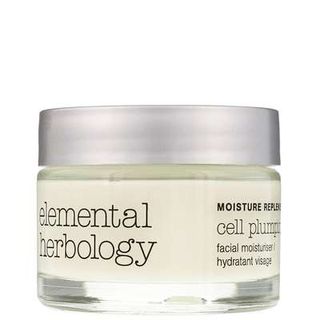
Elemental Herbology Facial Moisturisers Cell Plumping Facial Moisturiser SPF8
Works for
3 of 4 advertised claims delivered
Sun protectionSPF 8 · 2 UV filters · Broad spectrumNo real protectionSPF too low
This product does not offer sun protection, or it is very low.
Moisturizing18 ingredients credited for this claimStrong support
“Facial Moisturisers Cell Plumping Facial Moisturiser SPF8”
This product can help improve hydration of the skin with the two types of ingredients.
The first type is called “humectants”:
these ingredients help attract water.
When humectants are on the surface of the skin, they “pull in” the moisture from the outside environment, or from
within deeper layers of the skin. The following ingredients in this product do the job:
arginine, glycerin.
This product also contains ingredients called “occlusives”. They help reduce the speed with which our skin loses moisture to the outside environment. These ingredients also help soften the upper layer of the skin, so it feels less tight and nicer to the touch. The following ingredients in this product do the job: arginine, dimethicone.
The following ingredients in this product are especially good for supporting the skin barrier and helping with the hydration level: panthenol
Anti-aging4 ingredients credited for this claimModerate support
“Elemental Herbology Cell Plumping Facial Hydrator SPF8 is an age-defying formula which combines antioxidants, marine actives and hydrating botanicals to help protect against the elements, reactivate pro-collagen synthesis to leave you with a youthful, glow.”
This product contains retinyl palmitate. This ingredient might be able to help reduce and prevent fine lines and wrinkles, improve skin elasticity and firmness, but there is not enough evidence that it actually works.
Evens skin tone2 ingredients credited for this claimModerate support
“, Pearl Powder Rich in protein complexes to help increase moisture levels, promote new cell renewal and maintain skin tone.”
The following ingredient (ingredients) in this product might be helpful, but there is no evidence to confirm that it actually works: retinyl palmitate.
Anti-oxidationNot advertised by the brand · 12 ingredients credited for this claimStrong support
This product contains antioxidants (ubiquinone) that can help neutralize free radicals in skin. By doing so, they can lessen the damage the skin gets from the UV light (sun).
Can it cause trouble?
Irritancy8 strong irritants: Rosa damascena flower water, Retinyl palmitate + 6 more — patch-test recommendedHigh risk
Comedogenic2 ingredients rated 2 or more on the 0–5 pore-clogging scale2 flagged


User reviews
Be the first — your take helps the next person decide.
Ingredients
Filter by role to see what each ingredient is doing.
Rosa damascena flower water~29–35%
- Irritation risk
- High
Used to add a nice rose smell to the product. Might help attract water to the upper layer of the skin and have some anti-oxidant effect. Can be irritating
More about Rosa damascena flower waterWater~13–16%
Dimethicone~6.5–8%
- Irritation risk
- Low
A silicone that helps to reduce water loss from the surface of the skin. Can temporarily "fill in" lines and wrinkles, absorb oil, and create a nice product finish
More about DimethiconeEthylhexyl methoxycinnamate~4.6–5.7%
- Irritation risk
- High
Octinoxate. When used in higher concentrations, works as a sunscreen protecting the skin from UVB rays. When used in lower concentration, helps to preserve the product formulation. Is shown to be harmful to coral reefs - consider avoiding bathing in coral reef areas when wearing a product with this ingredient. It can be irritating
More about Ethylhexyl methoxycinnamateTheobroma cacao seed butter~3.1–3.8%
- Irritation risk
- Low
- Comedogenicity
- 3/5
Helps soften the upper layer of the skin and can be helpful in restoring the skin barrier function. Might have some anti-oxidant effect
More about Theobroma cacao seed butterArgania spinosa kernel oil~2.4–2.9%
- Irritation risk
- Medium
An emollient that helps soften the upper layer of the skin. Might have some weak anti-oxidant properties
More about Argania spinosa kernel oilCetearyl alcohol~1.9–2.4%
- Irritation risk
- Low
- Comedogenicity
- 2/5
A non-drying alcohol. Works as an emollient. Helps water and oil mix together and creates a nice product texture
More about Cetearyl alcoholCeteareth-6 olivate~1.7–2.1%
Butyl methoxydibenzoylmethane~1.9–2.3%
- Irritation risk
- Medium
Avobenzone. An organic, or so-called "chemical" UV filter. Protects against both UVA and UVB rays. Needs to be combined with other filters in a formulation to be stable.
More about Butyl methoxydibenzoylmethaneGlyceryl stearate~1.2–1.5%
- Irritation risk
- Low
An emollient that softens the skin and forms a protective layer on its surface. Helps water and oil mix together
More about Glyceryl stearateGlycerin~1–1.2%
- Irritation risk
- Low
One of the best moisturizing ingredients. Naturally present in skin. It attracts water to the upper layer of the skin working as a humectant
More about GlycerinRosa canina seed oil~0.75–1.15%
- Irritation risk
- Medium
A plant oil that helps soften the upper layer of the skin. It might have anti-oxidant properties. Might help reduce inflammation in skin and help against blemishes
More about Rosa canina seed oilPanthenol~0.65–1%
- Irritation risk
- Low
Helps attract water to the upper layer of the skin and can help improve skin barrier function
More about PanthenolNiacinamide~0.65–0.95%
- Irritation risk
- Low
Is proven to be effective in reducing blemishes, evening out skin tone and helping to improve lines and wrinkles. It helps the skin to repair sun damage, calm down inflammation and keep maintain good levels of moisture. The concentration of about 2% is effective for supporting the skin barrier and evening out the skin tone. Concentration of 4-6% is better for helping with acne and balancing the sebum production
More about NiacinamideSoluble collagen~0.9–1.1%
- Irritation risk
- Low
A typically plant-derived compound that is supposed mimic human collagen. Cannot penetrate the skin barrier so is not particularly useful in skincare products beyond attracting water to the upper layer of the skin
More about Soluble collagenPearl powder~0.65–0.95%
- Irritation risk
- Low
Consists of 95% calcium carbonate that does not have any effect on the skin. The remaining 5% can include compounds that can help neutralize free radicals and support skin barrier function
More about Pearl powderUbiquinone~0.65–0.95%
- Irritation risk
- Low
Coenzyme Q10. It helps neutralize free radicals in skin, improves skin hydration and might be helpful agains fine lines and wrinkles. It can be an allergen
More about UbiquinoneRoyal jelly~0.6–0.9%
- Irritation risk
- High
Helps attract water to the upper layer of the skin
More about Royal jellyOenothera biennis oil~0.6–0.9%
- Irritation risk
- Medium
Helps soften the upper layer of the skin and can support skin barrier function
More about Oenothera biennis oilAvena strigosa seed extract~0.55–0.8%
- Irritation risk
- Low
Panicum miliaceum seed extract~0.5–0.75%
- Irritation risk
- Low
Malpighia glabra fruit extract~0.5–0.75%
- Irritation risk
- Medium
A plant extract that might help neutralize free radicals in skin, but research on its effectiveness is lacking
More about Malpighia glabra fruit extractLecithin~0.55–0.8%
- Irritation risk
- Low
Used mostly for creating emulsions - helping oil and water mix together. Helps soften the upper layer of the skin
More about LecithinRetinyl palmitate~0.5–0.7%
- Irritation risk
- High
Three steps removed from the active form of vitamin A - retinoic acid. To have an effect in the skin, it first needs to be converted twice to become the retinoic acid. This means it is less potent than retinol, but could also be less irritating. Once converted to the retinoic acid in the skin, it helps against all signs of aging, improves skin cell turnover and helps fight blemishes and clogged pores. However, in many cosmetic formulations, it is used in a concentration that is too low to have the full effect
More about Retinyl palmitatePeg-100 stearate~0.6–0.9%
- Irritation risk
- Low
Helps oil and water mix togehter and creates a nice product texture
More about Peg-100 stearateCetearyl glucoside~0.5–0.75%
- Irritation risk
- Medium
Helps water and oil in the product mix well together and improves product texture
More about Cetearyl glucosidePelargonium graveolens flower oil~0.5–0.75%
- Irritation risk
- High
An essential oil. Can be irritating. Can become an allergen with oxidation
More about Pelargonium graveolens flower oilOryzanol~0.5–0.75%
- Irritation risk
- Low
An anti-oxidant that helps stabilize product formulations. Might help neutralise free radicals in skin
More about OryzanolArginine~0.45–0.7%
- Irritation risk
- Low
An amino acid that is naturally present in skin and helps keep it hydrated. When used together with AHAs, it can reduce their irritating effect on the skin
More about ArginineMaris sal~0.5–0.75%
- Irritation risk
- Medium
Used to thicken the product formulation and might help to add minerals to the surface of the skin. It is used in scrubs as a physical exfoliant. Can increase sensitivity to other ingredients if left on the skin or used in high concentration
More about Maris salTocopheryl acetate~0.5–0.75%
- Irritation risk
- Medium
A more stable but less bio-available form of vitamin E compared to Tocopherol. Might help moisturize and protect the skin from free radicals, but mostly used in low concentrations to stabilize other ingredients.
More about Tocopheryl acetateTocopherol~0.5–0.7%
- Irritation risk
- Low
Pure form of vitamin E. Can help moisturise and protect the skin from free radicals. Often used to help stabilise other ingredients or the formula itself
More about TocopherolDisodium edta~0.45–0.7%
Maltodextrin~0.55–0.85%
- Irritation risk
- Low
Used to stabilize the product formulation and can help absorb oil
More about MaltodextrinEthylhexylglycerin~0.45–0.65%
Tannic acid~0.45–0.65%
- Irritation risk
- Low
Phenoxyethanol~0.45–0.65%
- Irritation risk
- Low
A preservative. It helps prevent bacterial growth in cosmetic products
More about PhenoxyethanolPotassium sorbate~0.3–0.6%
Citral~0.35–0.6%
Citronellol~0.3–0.55%
Geraniol~0.2–0.4%
Limonene~0.2–0.4%
- Irritation risk
- High
A common frangrance that can easily irritate skin, especially if exposed to air, light or heat
More about LimoneneLinalool~0.15–0.25%
Ingredient list view
Rosa damascena flower water, Water, Dimethicone, Ethylhexyl methoxycinnamate, Theobroma cacao seed butter, Argania spinosa kernel oil, Cetearyl alcohol, Ceteareth-6 olivate, Butyl methoxydibenzoylmethane, Glyceryl stearate, Glycerin, Rosa canina seed oil, Panthenol, Niacinamide, Soluble collagen, Pearl powder, Ubiquinone, Royal jelly, Oenothera biennis oil, Avena strigosa seed extract, Panicum miliaceum seed extract, Malpighia glabra fruit extract, Lecithin, Retinyl palmitate, Peg-100 stearate, Cetearyl glucoside, Pelargonium graveolens flower oil, Oryzanol, Arginine, Maris sal, Tocopheryl acetate, Tocopherol, Disodium edta, Maltodextrin, Ethylhexylglycerin, Tannic acid, Phenoxyethanol, Potassium sorbate, Citral, Citronellol, Geraniol, Limonene, Linalool
Compare prices
Retailers ranked by price — lowest first.

.png)
Worth comparing, line by line.
Match % combines shared ingredients, the first five ingredients, shared actives and hero ingredients, irritancy (lower counts in the alternative's favour), texture and body area. Only products in the same routine step are compared.
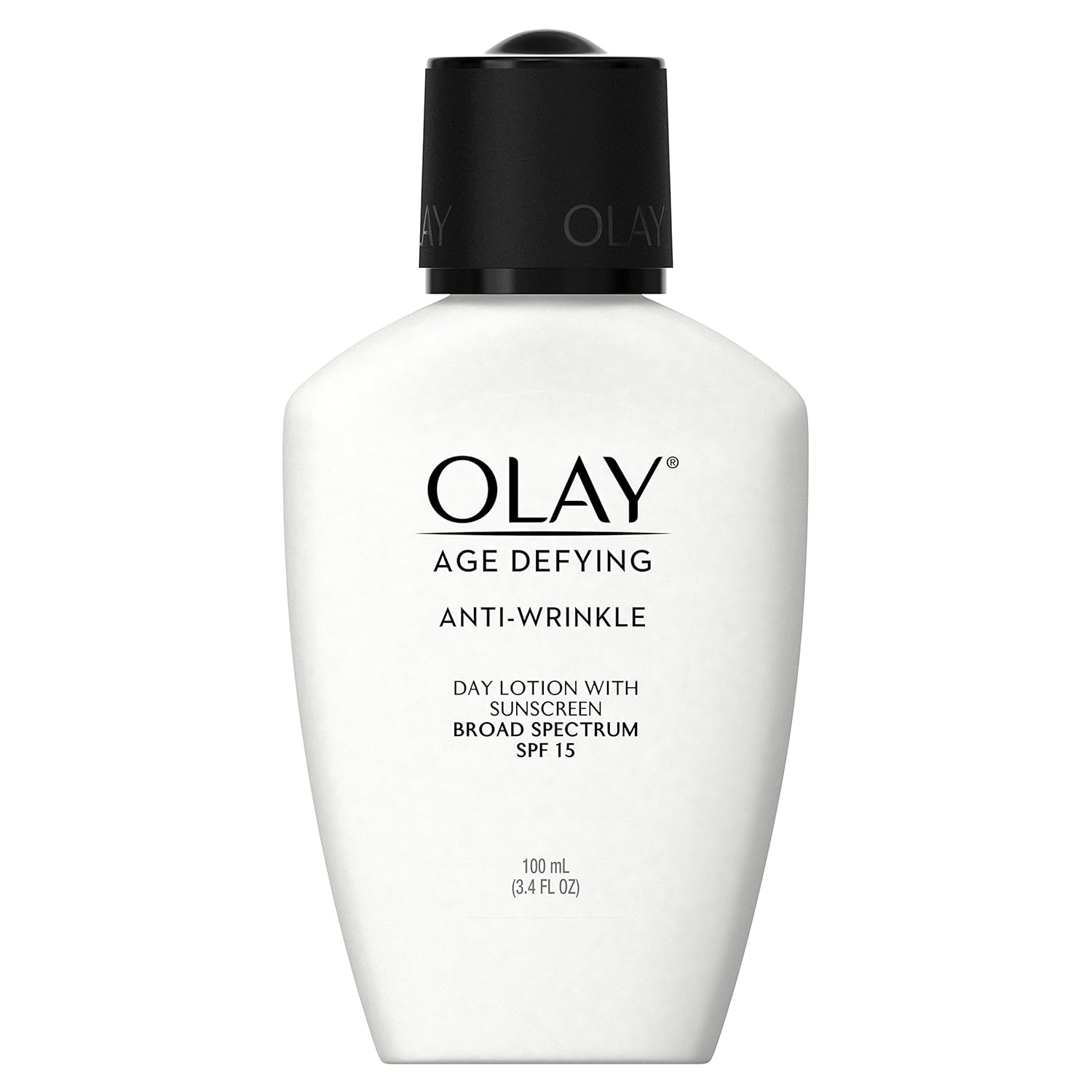
| Elemental HerbologyFacial Moisturisers Cell Plumping Facial Moisturiser SPF8YOUR PRODUCT | SkinMedicaTotal Defense and Repair SPF 50 | BarefacedTinted Protection SPF 50+ | OlayAge Defying, Anti-Wrinkle Day Lotion with Sunscreen, Broad Spectrum , SPF 15 | |
|---|---|---|---|---|
| Match | — | 84% | 81% | 80% |
| Price | $52.14 | $61.20+$9.06 | $47.00−$5.14 | $14.99−$37.15 |
| Shared key ingredients | — | 7 of 15 | 5 of 15 | 5 of 15 |
| Key difference | — | Knotgrass Extract | Lactic Acid | Dimethiconol |
| Irritancy | High | Low | Low | Medium |
| SPF | SPF 8 | SPF 50 | SPF 50 | SPF 15 |
| Drying alcohol | — | — | — | — |
| View product | Shop | Shop | Shop |


Product summary
"Elemental Herbology - Facial Moisturisers Cell Plumping Facial Moisturiser SPF8" "is a broad spectrum sunscreen meaning that it protects both from UVB rays (" burning "- they cause sunburn) and UVA rays (" aging "- they don't cause sunburn but lead to premature aging and pigmentation issues). However, it does not offer enough sun protection. We recommend to use a sunscreen with at least SPF 30 daily.
It should also be hydrating enough to use without an additional moisturizer during the day.
Sunscreen filters
This is a so-called" chemical "sunscreen. It means that it uses organic UV filters. They typically offer good sun protection and rarely leave a white cast, but they can be irritating for some people with sensitive skin. These are the sun protection ingredients in this sunscreen: avobenzone 1.90% - 2.30% and octinoxate 4.60% - 5.70%.
Irritation risk
This product contains a bunch of common irritants, including ingredients that do not provide any known benefit for the skin. It might not be the best choice if your skin is sensitive. We assess the overall irritancy of this product to be high. For a detailed overview of all potential irritants: click here
You can see the detailed formula review with the breakdown of all actives in the product and the full ingredient list with estimated concentrations in the tables below.
Price
The product retails for 64.50$ in the United States, for 85.90CA$ in Canada and from 39.10£ up to 46.00£ in the United Kingdom.
For a detailed price comparison: click here.
Sources cited in this review
Every concentration estimate and effectiveness label is anchored to one of these 20 studies and safety reviews.
- 1
- 2
- 3Final Report on the Safety Assessment of Dimethicone Copolyoljournals.sagepub.com
- 4
- 5
- 6

Affiliate links · As an Amazon Associate, WIMJ earns from qualifying purchases.