
Works for:
based on ingredients and %- Cleansing
Can it cause trouble?
- Irritation risk: medium
- Comedogenic risk ingredients: 1
Key actives
Works for
Cleansing
What does the product description say?
Mello Marula Cream Cleanser with 1.0% Colloidal Oatmeal
Source: Sephora CA
This product works by removing dirt and oil from the surface of the skin. It uses a combination of mild cleansing agents (cetearyl alcohol, cocamidopropyl betaine, coco-glucoside, coconut acid, lauryl glucoside, linoleic acid, linolenic acid, oleic acid, palmitic acid, sodium cocoyl isethionate, sodium lauroyl methyl isethionate, sodium methyl oleoyl taurate) and should be able to cleanse the skin gently. Still keep in mind that any cleansing can disrupt the skin barrier, and most people do not need to cleanse their skin more than once per day.
Even though this formulation is mild, the following cleansing agents could trigger an irritation or allergy for some people: cocamidopropyl betaine, coco-glucoside
A non-drying alcohol. Works as an emollient. Helps water and oil mix together and creates a nice product texture
Helps water and oil mix together. Used as a cleansing ingredient. Could be an allergen
Used as a cleansing agent (surfactant) in cleansers. Helps water and oil mix together in lotions. Can be irritating
Helps oil and water mix together
An excellent emollient. Helps soften the skin, restore its barrier function, and can help to calm down inflammation. It can be helpful to prevent blemishes and clogged pores
An emollient that helps soften the skin and calm down inflammation
Helps soften the upper layer of the skin. At the same time, it can weaken the skin's barrier enhancing penetration of other ingredients and increasing the risk of skin dryness
An emollient that is naturally present in skin and helps soften it
Helps water and oil mix together. Can be used as a cleansing agent
Works as a cleansing agent
Helps oil and water mix together
Helps oil and water mix together and works as an emollient
How honest is this product?
| Promise | Can it deliver? |
|---|---|
| Cleansing |
Total Promises Fulfilled score: 100/100.
We receive a small commission for purchases made through these links at no cost for you. Thank you for your support! Learn more
Affiliate link · supports WIMJ at no cost to you
Potential irritants
Comedogenic ingredients
User reviews (0)
Averages from community submissions.
No reviews yet for this product.
Be the first to share your experience!
Tried this product?
Help capture what the ingredient list can't—texture, finish, pilling, scent, and more. Answer what you can, skip the rest.
Takes ~30 seconds.
Reviews are shown in aggregate. No personal details.
| Product | Similarity | Price | Irritancy |
|---|---|---|---|
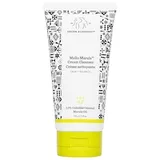 Drunk Elephant Mello Marula Cream Cleanser with 1.0% Colloidal Oatmeal | Current | ≈ $34.94 | |
 Naturium The Calmer Ceramide Body Wash | 37% | $16.99 | |
 CeraVe Cream to Foam Cleanser | 36% | ≈ $9.35 | |
 Peter Thomas Roth Water Drench Cloud Cream Cleanser | 33% | ≈ $27.79 | |
 Neutrogena Ultra Gentle Hydrating Cream to Foam Cleanser | 33% | $7.54 | |
 Cetaphil Hydrating Foaming Cream Cleanser | 32% | ≈ $11.53 |
Key Actives
Helps to restore skin barrier function, soften the upper layer of the skin and calm down inflammation
Helps soften the upper layer of the skin and can support skin barrier function
An emollient that helps soften the skin and calm down inflammation
Helps soften the upper layer of the skin. At the same time, it can weaken the skin's barrier enhancing penetration of other ingredients and increasing the risk of skin dryness
An excellent emollient. Helps soften the skin, restore its barrier function, and can help to calm down inflammation. It can be helpful to prevent blemishes and clogged pores
A non-drying alcohol. Works as an emollient. Helps water and oil mix together and creates a nice product texture
A plant extract that can help attract water to the upper layer of the skin and might help to reduce inflammation
An amino-acid that helps to attract water to the upper layer of the skin and might help to lighten the skin, but solid evidence is lacking
An amino-acid that helps to attract water to the upper layer of the skin. In combination with other amino-acids, might help to reduce fine lines and wrinkles
An amino-acid that helps to attract water to the upper layer of the skin. In combination with other amino-acids, might help to reduce fine lines and wrinkles
An emollient that is naturally present in skin and helps soften it
Helps oil and water mix together and works as an emollient
An amino-acid that helps increase skin hydration and might help to slightly improve skin firmness, potentially reducing lines and wrinkles
A type of colloidal oatmeal. Can contain potent antioxidants and anti-inflammatory compounds. Is effective in supporting skin barrier
Helps soften the upper layer of the skin and can be helpful in restoring the skin barrier function
Helps water and oil mix together. Can be used as a cleansing agent
Helps water and oil mix together. Used as a cleansing ingredient. Could be an allergen
One of the best moisturizing ingredients. Naturally present in skin. It attracts water to the upper layer of the skin working as a humectant
A good mix of fatty acids that forms a protective layer on the skin. Improves the shelf life of products. Derived from coconut and glycerin
Works as a cleansing agent
Helps oil and water mix together
Chia seed oil. Helps to soften the upper layer of the skin and might be helpful in repairing skin barrier
Helps soften the upper layer of the skin and can be helpful in restoring the skin barrier function
Naturally present in skin and helps to attract water to its upper layer
Helps attract water to the upper layer of the skin. Is often used to adjust the pH level of the product
Used as a cleansing agent (surfactant) in cleansers. Helps water and oil mix together in lotions. Can be irritating
Naturally present in skin and helps to attract water to its upper layer
An amino acid that is naturally present in skin and helps keep it hydrated. When used together with AHAs, it can reduce their irritating effect on the skin
Helps to attract water to the upper layer of the skin and can help restore the skin barrier function
An amino acid that can help attract water to the upper layer of the skin and support skin's barrier function
Potential irritants
Helps water and oil mix together. Used as a cleansing ingredient. Could be an allergen
A plant extract used as a fragrance. Can be irritating
A plant extract that can help attract water to the upper layer of the skin and might help to reduce inflammation
Used as a cleansing agent (surfactant) in cleansers. Helps water and oil mix together in lotions. Can be irritating
An emollient that helps to soften the skin. It has a high contetn of oleic acid that might weaken the skin barrier. Might have some anti-oxidant properties. It might be somewhat helpful against hyperpigmentation.
Helps water and oil mix together. Can be used as a cleansing agent
A good mix of fatty acids that forms a protective layer on the skin. Improves the shelf life of products. Derived from coconut and glycerin
Helps soften the upper layer of the skin and can support skin barrier function
Helps preserve products and creates a nice product texture
A great emollient. Contains vitamin E (tocopherol) which may give it some anti-oxidant properties. Can contain volatile compounds and can be irritating
Helps attract water to the upper layer of the skin. Is often used to adjust the pH level of the product
Helps soften the upper layer of the skin. At the same time, it can weaken the skin's barrier enhancing penetration of other ingredients and increasing the risk of skin dryness
Maintains the texture of skincare products. Allows the product to spread evenly. Helps oil and water mix together
An emollient that helps soften the skin and calm down inflammation
Used to improve stability of the formulation
Comedogenic ingredients
A non-drying alcohol. Works as an emollient. Helps water and oil mix together and creates a nice product texture
All ingredients
A type of colloidal oatmeal. Can contain potent antioxidants and anti-inflammatory compounds. Is effective in supporting skin barrier
An emollient that helps to soften the skin. It has a high contetn of oleic acid that might weaken the skin barrier. Might have some anti-oxidant properties. It might be somewhat helpful against hyperpigmentation.
Helps soften the upper layer of the skin and can be helpful in restoring the skin barrier function
Helps water and oil mix together. Can be used as a cleansing agent
Helps water and oil mix together. Used as a cleansing ingredient. Could be an allergen
One of the best moisturizing ingredients. Naturally present in skin. It attracts water to the upper layer of the skin working as a humectant
A good mix of fatty acids that forms a protective layer on the skin. Improves the shelf life of products. Derived from coconut and glycerin
A non-drying alcohol. Works as an emollient. Helps water and oil mix together and creates a nice product texture
An emollient that helps to soften the skin. It has a high contetn of oleic acid that might weaken the skin barrier. Might have some anti-oxidant properties. It might be somewhat helpful against hyperpigmentation.
Helps to restore skin barrier function, soften the upper layer of the skin and calm down inflammation
Chia seed oil. Helps to soften the upper layer of the skin and might be helpful in repairing skin barrier
Helps soften the upper layer of the skin and can support skin barrier function
Helps preserve products and creates a nice product texture
A great emollient. Contains vitamin E (tocopherol) which may give it some anti-oxidant properties. Can contain volatile compounds and can be irritating
Helps soften the upper layer of the skin and can be helpful in restoring the skin barrier function
Naturally present in skin and helps to attract water to its upper layer
A plant extract used as a fragrance. Can be irritating
A plant extract that can help attract water to the upper layer of the skin and might help to reduce inflammation
Helps attract water to the upper layer of the skin. Is often used to adjust the pH level of the product
Used as a cleansing agent (surfactant) in cleansers. Helps water and oil mix together in lotions. Can be irritating
Helps soften the upper layer of the skin. At the same time, it can weaken the skin's barrier enhancing penetration of other ingredients and increasing the risk of skin dryness
Maintains the texture of skincare products. Allows the product to spread evenly. Helps oil and water mix together
Naturally present in skin and helps to attract water to its upper layer
An amino-acid that helps to attract water to the upper layer of the skin and might help to lighten the skin, but solid evidence is lacking
An amino acid that is naturally present in skin and helps keep it hydrated. When used together with AHAs, it can reduce their irritating effect on the skin
Helps to attract water to the upper layer of the skin and can help restore the skin barrier function
An amino acid that can help attract water to the upper layer of the skin and support skin's barrier function
An amino-acid that helps to attract water to the upper layer of the skin. In combination with other amino-acids, might help to reduce fine lines and wrinkles
An amino-acid that helps to attract water to the upper layer of the skin. In combination with other amino-acids, might help to reduce fine lines and wrinkles
An excellent emollient. Helps soften the skin, restore its barrier function, and can help to calm down inflammation. It can be helpful to prevent blemishes and clogged pores
An emollient that helps soften the skin and calm down inflammation
An emollient that is naturally present in skin and helps soften it
Pure form of vitamin E. Can help moisturise and protect the skin from free radicals. Often used to help stabilise other ingredients or the formula itself
Used to improve stability of the formulation
An amino-acid that helps increase skin hydration and might help to slightly improve skin firmness, potentially reducing lines and wrinkles
Used to stabilize mixtures of oil and water, and create thicker, gel-like product textures
A preservative. It helps prevent bacterial growth in cosmetic products
Ingredient list view
Avena sativa kernel flour, Sclerocarya birrea seed oil, Shorea stenoptera seed butter, Water, Sodium cocoyl isethionate, Cocamidopropyl betaine, Glycerin, Caprylic/capric triglyceride, Cetearyl alcohol, Sodium lauroyl methyl isethionate, Lauryl glucoside, Sclerocarya birrea seed oil, Sodium methyl oleoyl taurate, Coconut acid, Colloidal oatmeal, Glyceryl stearates, Salvia hispanica seed oil, Oenothera biennis oil, Caprylyl glycol, Rosa canina fruit oil, Shorea stenoptera seed butter, Sodium pca, Vanilla planifolia fruit extract, Althaea officinalis root extract, Sodium lactate, Coco-glucoside, Oleic acid, Acrylates/c10-30 alkyl acrylate crosspolymer, Pca, Alanine, Arginine, Glycine, Histidine, Isoleucine, Phenylalanine, Proline, Serine, Threonine, Valine, Linoleic acid, Linolenic acid, Sodium isethionate, Palmitic acid, Tocopherol, Trisodium ethylenediamine disuccinate, Stearic acid, Sodium benzoate, Aspartic acid, Sodium carbonate, Sodium chloride, Chlorphenesin, Phenoxyethanol, Sodium hydroxide
- Anti-aging potential of extracts from Sclerocarya birrea (A. Rich.) Hochst and its chemical profiling by UPLC-Q-TOF-MS
- Physico-chemical composition and characterisation of the seed and seed oil of Sclerocarya birrea
- Assessment of the potential irritancy of oleic acid on human skin: Evaluation in vitro and in vivo
- Final Report on the Safety Assessment of Sodium Cocoyl Isethionate
- Glycerol and the skin: holistic approach to its origin and functions
- Mechanism of action and clinical benefits of colloidal oatmeal for dermatologic practice
- In Vitro Assessment of Skin Irritation Potential of Surfactant-based Formulations by Using a 3-D Skin Reconstructed Tissue Model and Cytokine Response
- Allergen of the Year—Alkyl Glucoside
- Anti-Inflammatory and Skin Barrier Repair Effects of Topical Application of Some Plant Oils
- https://www.sciencedirect.com/science/article/pii/0168365995000887
- Combination of amino acids reduces pigmentation in B16F0 melanoma cells
- Effect of Topical Application of Glycine and Proline on Recalcitrant Leg Ulcers of Prolidase Deficiency
- Functional glycine receptor in cultured human keratinocytes
- Histidine and/or Histidine Derivative for the Treatment of Inflammatory Skin Diseases
- Safety Assessment of α-Amino Acids as Used in Cosmetics
- Local rhamnosoft, ceramides and L‐isoleucine in atopic eczema: a randomized, placebo controlled trial
- Topical palmitoyl pentapeptide provides improvement in photoaged human facial skin
- The Permeability Barrier in Essential Fatty Acid Deficiency: Evidence for a Direct Role for Linoleic Acid in Barrier Function
- Digital image analysis of the effect of topically applied linoleic acid on acne microcomedones.
- Vitamin E in dermatology
- Vitamin E and Skin Health
- Acetyl aspartic acid, a novel active ingredient, demonstrates potential to improve signs of skin ageing: from consumer need to clinical proof
- In vivo topical application of acetyl aspartic acid increases fibrillin-1 and collagen IV deposition leading to a significant improvement of skin firmness