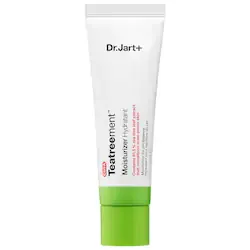
Dr. Jart+ Teatreement™ Moisturizer
Works for
3 of 3 advertised claims delivered
Anti-blemishNiacinamide, Beta-glucan + 5 moreStrong evidence
“With Teatreement solution, this moisturiser contains Australian tea tree leaf to help rid the skin of blemishes and 2% niacinamide to help control excess oil and brighten the skin.”
This product can help reduce breakouts and clogged pores because it contains the following ingredient: niacinamide. This ingredient is used for treating acne and can have a noticeable effect.
Evens skin toneNiacinamide, Glycyrrhiza glabra root extract + 3 moreStrong evidence
“With Teatreement solution, this moisturiser contains Australian tea tree leaf to help rid the skin of blemishes and 2% niacinamide to help control excess oil and brighten the skin.”
This product can help reduce hypepigmentation and even out the skin tone because it contains the following effective ingredients: niacinamide
The following ingredient (ingredients) in this product might be helpful, but there is no evidence to confirm that it actually can help even out the skin tone: glycyrrhiza glabra root extract, pinus pinaster bark extract.
Keep in mind that you would need to apply any topical skincare targetted at hypigmentation consistently for a couple of months to get a result. No topical skincare product can help get rid of hyperpigmentation (including post-acne marks and age spots) instantly.
MoisturizingCeramide np, Niacinamide + 24 moreStrong evidence
“Teatreement™ Moisturizer”
This product can help improve hydration of the skin with the two types of ingredients.
The first type is called “humectants”:
these ingredients help attract water.
When humectants are on the surface of the skin, they “pull in” the moisture from the outside environment, or from
within deeper layers of the skin. The following ingredients in this product do the job:
fructooligosaccharides, glycerin.
This product also contains ingredients called “occlusives”. They help reduce the speed with which our skin loses moisture to the outside environment. These ingredients also help soften the upper layer of the skin, so it feels less tight and nicer to the touch. The following ingredients in this product do the job: carthamus tinctorius seed oil, glycine soja sterols.
The following ingredients in this product are especially good for supporting the skin barrier and helping with the hydration level: ceramide np, niacinamide
Anti-agingNot advertised by the brand · Niacinamide, Beta-glucan + 3 moreStrong evidence
This product can help reduce and prevent fine lines and wrinkles, improve skin elasticity and firmness because it contains niacinamide.
Keep in mind that it typically takes at least 6 weeks to notice any results because the changes that are needed to improve fine lines and elasticity happen in the deeper layers of the skin. No topical anti-aging product can “erase” wrinkles or fully reverse signs of aging.
Anti-oxidationNot advertised by the brand · Ficus carica fruit extract, Pinus pinaster bark extract + 8 moreModerate evidence
This product contains antioxidants (ficus carica fruit extract, pinus pinaster bark extract) that might be able to help neutralize free radicals in skin to lessen the damage it gets from the UV light (sun). There is not enough evidence to confirm their effectiveness in skin though.
Can it cause trouble?
Irritancy7 strong irritants: Melaleuca alternifolia leaf extract, Melaleuca alternifolia leaf oil + 5 more — patch-test recommendedHigh risk
Comedogenic2 ingredients rated 2 or more on the 0–5 pore-clogging scale2 flagged

User reviews
Be the first — your take helps the next person decide.
Ingredients
Filter by role to see what each ingredient is doing.
Water~45–55%
Butylene glycol~6–7.3%
- Irritation risk
- Low
Used to create a nice product texture and help delivery of other ingredients. Might be somewhat helpful in attracting water to the upper layer of the skin
More about Butylene glycolGlycerin~3.9–4.8%
- Irritation risk
- Low
One of the best moisturizing ingredients. Naturally present in skin. It attracts water to the upper layer of the skin working as a humectant
More about Glycerin1,2-hexanediol~2.2–2.7%
Ethylhexyl stearate~2.2–2.7%
- Irritation risk
- Low
Helps soften the upper layer of the skin
More about Ethylhexyl stearateMethylpropanediol~1.7–2.1%
Niacinamide~1.5–1.8%
- Irritation risk
- Low
Is proven to be effective in reducing blemishes, evening out skin tone and helping to improve lines and wrinkles. It helps the skin to repair sun damage, calm down inflammation and keep maintain good levels of moisture. The concentration of about 2% is effective for supporting the skin barrier and evening out the skin tone. Concentration of 4-6% is better for helping with acne and balancing the sebum production
More about NiacinamideTrehalose~1.3–1.5%
- Irritation risk
- Low
A sugar that attracts water to the upper layer of the skin
More about TrehaloseCetearyl glucoside~1–1.2%
- Irritation risk
- Medium
Helps water and oil in the product mix well together and improves product texture
More about Cetearyl glucosideMethyl trimethicone~0.6–0.9%
- Irritation risk
- Low
A type of silicone that helps create a silky product finish and dissolve other ingredients
More about Methyl trimethiconeSorbitan olivate~0.45–0.7%
Melaleuca alternifolia leaf extract~0.3–0.55%
- Irritation risk
- High
An essential oil that can be irritating. Has some anti-bacterial properties
More about Melaleuca alternifolia leaf extractCetearyl alcohol~0.4–0.65%
- Irritation risk
- Low
- Comedogenicity
- 2/5
A non-drying alcohol. Works as an emollient. Helps water and oil mix together and creates a nice product texture
More about Cetearyl alcoholSodium polyacryloyldimethyl taurate~0.3–0.5%
- Irritation risk
- Medium
Helps oil and water mix together
More about Sodium polyacryloyldimethyl taurateSorbitan stearate~0.25–0.5%
Allantoin~0.2–0.4%
- Irritation risk
- Low
Helps calm down inflammation in skin and can help reduce itching. Helps to repair the skin barrier and keep skin hydrated
More about AllantoinCarthamus tinctorius seed oil~0.25–0.5%
- Irritation risk
- Low
An emollient that helps soften the skin and might help calm down inflammation
More about Carthamus tinctorius seed oilMelaleuca alternifolia leaf oil~0.2–0.35%
- Irritation risk
- High
An essential oil that can be irritating. Has some anti-bacterial properties
More about Melaleuca alternifolia leaf oilEthylhexylglycerin~0.2–0.35%
Xanthan gum~0.15–0.3%
- Irritation risk
- Low
Used to create a thicker product consistency
More about Xanthan gumDipropylene glycol~0.15–0.25%
- Irritation risk
- Low
Helps to dissolve other ingredients in a formulation. Slows down the rate of product drying
More about Dipropylene glycolEclipta prostrata leaf extract~0.1–0.25%
- Irritation risk
- High
A plant extract that is mostly used as a fragrance. Might have some anti-oxidant effect
More about Eclipta prostrata leaf extractLaminaria japonica extract~0.1–0.25%
- Irritation risk
- Low
- Comedogenicity
- 3/5
Seaweed extract that might help to attract water to the upper layer of the skin and have some anti-oxidant properties
More about Laminaria japonica extractGlycyrrhiza glabra root extract~0.1–0.2%
- Irritation risk
- Medium
A plant extract that can help lighten the skin and calm down inflammation. Might be helpful in neutralizing free radicals
More about Glycyrrhiza glabra root extractDisodium edta~0.15–0.25%
Salicylic acid~0.15–0.25%
- Irritation risk
- High
Used for skin exfoliation. It has an anti-inflammatory and anti-bacterial effect, helps to unclog pores, prevent blemishes and speed up healing of the existing ones. Sometimes referred to as a BHA (beta-hydroxy acid)
More about Salicylic acidHydrogenated lecithin~0.15–0.3%
- Irritation risk
- Low
Helps to retain moisture by creating a protective barrier on the skin. Rich in fatty acids. Improves product texture and helps with the penetration of other ingredients.
More about Hydrogenated lecithinFructooligosaccharides~0.15–0.25%
- Irritation risk
- Low
Help attract water to the upper layer of the skin
More about FructooligosaccharidesCamellia sinensis leaf extract~0.15–0.3%
- Irritation risk
- Low
Can contain potent anti-oxidant compounds (abbreviated ECG, GCG, EGC, and EGCG) that might help protect the skin from free radicals. Can help calm down inflammation and has some anti-bacterial properties. Unfortunately, these antioxidants are unstable and lose their effectiveness very quickly in products. The concentration of the antioxidant compounds in the extract also tends to be low to be effective in topical formulation
More about Camellia sinensis leaf extractGloiopeltis furcata extract~0.15–0.3%
- Irritation risk
- Low
Amaranthus caudatus seed extract~0.15–0.3%
- Irritation risk
- Low
Beta-glucan~0.15–0.3%
- Irritation risk
- Low
Helps attract water to the upper layer of the skin, calm down inflammation and irritation, restore the barrier function and support wound healing. It can be helpful in reducing fine lines and wrinkles
More about Beta-glucanCentella asiatica extract~0.2–0.4%
- Irritation risk
- Medium
A plant extract that has been shown to be able to reduce inflammation in skin, support restoration of skin barrier function, as well as support collagen production. Contains active compounds called centelloids: asiaticoside, madecasosside, asiatic acid and madecassic acid. Might be helpful in preventing stretch marks. It can be itself be irritating though.
More about Centella asiatica extractFicus carica fruit extract~0.15–0.3%
- Irritation risk
- Medium
A plant extract that can help neutralize free radicals. The concentrations typically used in cosmetics are too small to have an effect
More about Ficus carica fruit extractUlmus davidiana root extract~0.15–0.3%
- Irritation risk
- High
A plant root extract that helps attract water to the upper layer of the skin. It might have an anti-inflammatory effect and could help neturalize free radicals in skin
More about Ulmus davidiana root extractCapryloyl glycine~0.25–0.5%
- Irritation risk
- Low
Helps oil and water mix together, preserve cosmetic products, and attract water to the upper layer of the skin
More about Capryloyl glycineHexylene glycol~0.15–0.3%
- Irritation risk
- Medium
Helps create a more spreadable product texture
More about Hexylene glycolLimonene~0.15–0.3%
- Irritation risk
- High
A common frangrance that can easily irritate skin, especially if exposed to air, light or heat
More about LimoneneAloe barbadensis leaf extract~0.2–0.4%
- Irritation risk
- Medium
Traditionally used to treat sunburns, dermatitis and inflammation, but evidence for its effectiveness is lacking. The extract can contain humectants that help attract water into the skin
More about Aloe barbadensis leaf extractAnthemis nobilis flower extract~0.15–0.25%
- Irritation risk
- High
A plant extract that one one hand, can contain compounds that can help calm down skin irritation, but, on the other hand, its other compounds (especially fragrant ones) can themselves be irritating
More about Anthemis nobilis flower extractCamphor~0.15–0.3%
- Irritation risk
- High
Hamamelis virginiana leaf extract~0.15–0.3%
- Irritation risk
- High
A plant extract that can help calm down inflammation in skin. Can, however, itself be irritating
More about Hamamelis virginiana leaf extractSarcosine~0.15–0.3%
- Irritation risk
- Low
Helps to enhance the penetration of other ingredients and attract water to the upper layer of the skin
More about SarcosineHydrolyzed hyaluronic acid~0.15–0.3%
- Irritation risk
- Low
One of the best moisturizing ingredients. Attracts water into the upper layer of the skin. A version of it is naturally present in skin
More about Hydrolyzed hyaluronic acidSilica~0.25–0.5%
Pentylene glycol~0.2–0.4%
- Irritation risk
- Medium
Used to preserve products, dissolve other ingredients and create a nice product texture
More about Pentylene glycolCeramide np~0.2–0.35%
- Irritation risk
- Low
A type of lipid similar to ceramides naturally present in skin. Helps to soften the upper layer of the skin and supports the skin barrier function to keep it hydrated. Can help to prevent inflammation in skin
More about Ceramide npCaprylyl glycol~0.2–0.35%
- Irritation risk
- Medium
Helps preserve products and creates a nice product texture
More about Caprylyl glycolCinnamomum zeylanicum bark extract~0.15–0.3%
- Irritation risk
- High
Pinus pinaster bark extract~0.15–0.3%
- Irritation risk
- Medium
A plant extract that might help neutralize free radicals and reduce hyperpigmentation, but evidence of effectiveness of topical application is lacking. It can be an INCI name for the trademarked ingredient Pycnogenol (but could also be a different type of this plant's bark extract)
More about Pinus pinaster bark extractTocopherol~0.15–0.25%
- Irritation risk
- Low
Pure form of vitamin E. Can help moisturise and protect the skin from free radicals. Often used to help stabilise other ingredients or the formula itself
More about Tocopherol4-terpineol~0.1–0.2%
- Irritation risk
- Low
Methyl methacrylate crosspolymer~0.1–0.2%
- Irritation risk
- Low
Helps thicken the product consistency
More about Methyl methacrylate crosspolymerCaprylic/capric triglyceride~0.2–0.35%
- Irritation risk
- Medium
A good mix of fatty acids that forms a protective layer on the skin. Improves the shelf life of products. Derived from coconut and glycerin
More about Caprylic/capric triglycerideGlycine soja sterols~0.15–0.3%
- Irritation risk
- Low
An emollient that helps soften the skin
More about Glycine soja sterolsLinoleic acid~0.25–0.45%
- Irritation risk
- Low
An excellent emollient. Helps soften the skin, restore its barrier function, and can help to calm down inflammation. It can be helpful to prevent blemishes and clogged pores
More about Linoleic acidPhospholipids~0.1–0.15%
- Irritation risk
- Low
Emollients that are naturaly present in skin. In addition, they help water and oil mix together in the product
More about PhospholipidsIngredient list view
Water, Butylene glycol, Glycerin, 1,2-hexanediol, Ethylhexyl stearate, Methylpropanediol, Niacinamide, Trehalose, Cetearyl glucoside, Methyl trimethicone, Sorbitan olivate, Melaleuca alternifolia leaf extract, Cetearyl alcohol, Sodium polyacryloyldimethyl taurate, Sorbitan stearate, Allantoin, Carthamus tinctorius seed oil, Melaleuca alternifolia leaf oil, Ethylhexylglycerin, Xanthan gum, Dipropylene glycol, Eclipta prostrata leaf extract, Laminaria japonica extract, Glycyrrhiza glabra root extract, Disodium edta, Salicylic acid, Hydrogenated lecithin, Fructooligosaccharides, Camellia sinensis leaf extract, Gloiopeltis furcata extract, Amaranthus caudatus seed extract, Beta-glucan, Centella asiatica extract, Ficus carica fruit extract, Ulmus davidiana root extract, Capryloyl glycine, Hexylene glycol, Limonene, Aloe barbadensis leaf extract, Anthemis nobilis flower extract, Camphor, Hamamelis virginiana leaf extract, Sarcosine, Hydrolyzed hyaluronic acid, Silica, Pentylene glycol, Ceramide np, Caprylyl glycol, Cinnamomum zeylanicum bark extract, Pinus pinaster bark extract, Tocopherol, 4-terpineol, Methyl methacrylate crosspolymer, Caprylic/capric triglyceride, Glycine soja sterols, Linoleic acid, Phospholipids
Compare prices
Retailers ranked by price — lowest first.

Worth comparing, line by line.
Match % combines shared ingredients, the first five ingredients, shared actives and hero ingredients, irritancy (lower counts in the alternative's favour), texture and body area. Only products in the same routine step are compared.
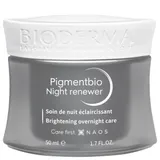
| Dr. Jart+Teatreement™ MoisturizerYOUR PRODUCT | Face factsCeramide Blemish Gel Moisturiser | Paula's choiceInvisible Finish Moisture Gel | BiodermaPigmentbio Brightening Night Face Cream | |
|---|---|---|---|---|
| Match | — | 78% | 75% | 74% |
| Price | $26.00 | $2.67−$23.33 | $40.73+$14.73 | $24.95−$1.05 |
| Shared key ingredients | — | 4 of 20 | 3 of 20 | 4 of 20 |
| Key difference | — | Mineral Oil | Oatmeal Extract | Hexapeptide-2 |
| Irritancy | High | Low | Low | Medium |
| Drying alcohol | — | — | — | — |
| View product | Shop | Shop | Shop |


Product summary
"Dr. Jart+ - Teatreement™ Moisturizer" is effective for: Anti-inflammatory, Evens skin tone, Anti-aging, Anti-blemish and Moisturizing
Ingredient callouts
- Ceramides (ceramide np 0.20% - 0.35%). Ceramides are an important part of our natural skin barrier. The Ceramides used in skincare are synthetic or come from plants. They help soften the skin and can help "fill the gaps" in the skin barrier, keeping the skin hydrated and resilient for longer.
- Humectants (trehalose 1.30% - 1.50%, fructooligosaccharides 0.15% - 0.25%, hydrolyzed hyaluronic acid 0.15% - 0.30%, sarcosine 0.15% - 0.30% and glycerin 3.90% - 4.80%). These ingredients help attract water to the upper layer of the skin and improve the skin hydration.
Price
The product retails from 26.00$ up to 35.00$ in the United States and from 20.00£ up to 23.00£ in the United Kingdom.
For a detailed price comparison: click here.
Sources cited in this review
Every concentration estimate and effectiveness label is anchored to one of these 37 studies and safety reviews.
- 1
- 2
- 3
- 4
- 5
- 6Salicylic acid as a peeling agent: a comprehensive reviewncbi.nlm.nih.gov

Affiliate links · As an Amazon Associate, WIMJ earns from qualifying purchases.