
Works for:
based on ingredients and %- Moisturizing
Doesn't work for:
based on ingredients and %- Anti-aging
Can it cause trouble?
- Irritation risk: high
- Comedogenic risk ingredients: 4
Key actives
Product Summary
"Darphin - Lumière Essentielle Instant Purifying & Illuminating Mask" could be helpful for: Moisturizing, but its actives are not the most effective or are not well-studied.
Ingredient callouts
- Humectants (saccharide isomerate 0.25% - 0.45%, glycerin 0.25% - 0.50%, sodium hyaluronate 0.25% - 0.45%, artemia extract 0.20% - 0.40%, diglycerin 0.20% - 0.40%, sodium hyaluronate 0.20% - 0.40%, saccharomyces lysate extract 0.25% - 0.45%, sucrose 0.35% - 0.60%, trehalose 0.45% - 0.70%, glycerin 0.45% - 0.65% and faex 0.20% - 0.40%). These ingredients help attract water to the upper layer of the skin and improve the skin hydration.
Price
The product retails for 45.00$ in the United States and from 27.00£ up to 46.00£ in the United Kingdom.
For a detailed price comparison: click here.
Moisturizing
What does the product description say?
The Instant Purifying Mask is formulated with Kaolin Clay which draws out dirt and impurities from pores to smooth and refine the skin texture, while the Instant Illuminating Mask uses Hyaluronic Acid to replenish long-lasting hydration and restore radiance.
Source: Lookfantastic
This product can help improve hydration of the skin with the two types of ingredients.
The first type is called “humectants”:
these ingredients help attract water.
When humectants are on the surface of the skin, they “pull in” the moisture from the outside environment, or from
within deeper layers of the skin. The following ingredients in this product do the job:
artemia extract, diglycerin.
This product also contains ingredients called “occlusives”. They help reduce the speed with which our skin loses moisture to the outside environment. These ingredients also help soften the upper layer of the skin, so it feels less tight and nicer to the touch. The following ingredients in this product do the job: beeswax, caprylic/capric triglyceride.
Helps attract water to the upper layer of the skin. Can have some anti-inflammatory effect
Forms a protective barrier that holds water and keeps dry skin hydrated. Keeps an emulsion from separating into its oil and liquid components, and increases the thickness of a product. Can be an allergen
Zooplankton extract that can attract water to the upper level of the skin and might have some anti-oxidant effect
Helps attract water to the upper layer of the skin
A silicone that helps to reduce water loss from the surface of the skin. Can temporarily "fill in" lines and wrinkles, absorb oil, and create a nice product finish
Yeast extract. Helps to attract water to the upper layer of the skin
An algae extract that can help attract water to the upper layer of the skin and have some anti-oxidant properties
One of the best moisturizing ingredients. Naturally present in skin. It attracts water to the upper layer of the skin working as a humectant
A sugar that attracts water to the upper layer of the skin
Forms a protective barrier that holds water and keeps dry skin hydrated. Keeps an emulsion from separating into its oil and liquid components, and increases the thickness of a product. Can be an allergen
Can help attract water to the upper layer of the skin. In crystal form, it can work as a gentle exfoliant, gentler than the salt scrub. Helps stabilize the emulsion
An emollient that helps soften the skin and could be helpful in repairing its barrier function
A mix of amino acids and plant-based lipids. Helps to soften the upper layer of the skin and reduce water loss over time
One of the best moisturizing ingredients. Attracts water into the upper layer of the skin
Helps attract water to the upper layer of the skin
A good mix of fatty acids that forms a protective layer on the skin. Improves the shelf life of products. Derived from coconut and glycerin
Helps create a nice product texture and attract water to the upper layer of the skin
Might help to attract water to the upper layer of the skin
A non-drying alcohol that works to soften the skin and stabilize product formulations helping oil and water mix together
Helps soften upper layer of the skin and can enhance penetration of other ingredients into the upper layer of the skin
An emollient that helps soften the skin and can decrease moisture loss. Helps create a nice product texture
Helps attract water to the upper layer of the skin and soften it
Used to preserve products, dissolve other ingredients and create a nice product texture
A silicone that forms a light film on the skin surface helping to bind water and temporarily absorb oils creating a matt and powdery feel
A plant extract that might contain a compound baicalin that could be helpful in neutralizing free radicals and reducing inflammation in skin. The baicalin concentration in skincare products is often too low for an effective action. Can be used for its fragrant properties
Used to create a nice product texture and help delivery of other ingredients. Might be somewhat helpful in attracting water to the upper layer of the skin
An emollient that softens the skin and forms a protective layer on its surface. Helps water and oil mix together
Helps preserve products and creates a nice product texture
Used as a fragrance. Can be irritating
Helps attract water to the upper layer of the skin and might have some anti-oxidant and skin lightening properties. It can help calm down inflammation in skin
A seaweed extract that contains sugars and can be helpful in attracting water to the upper layers of the skin if used in high enough concentrations
Can have some moisturizing properties due to its sugar content
Seaweed extract that helps the skin to attract water and make it more smooth for touch. Also shows promise of anti-aging properties, but good research is lacking at the moment
Used mostly for creating emulsions - helping oil and water mix together. Helps soften the upper layer of the skin
Might be somewhat helpful in reducing hyperpigmentation and neutralizing free radicals but its typical concentration in a product is too low for having an effect
Anti-aging
What does the product description say?
To use, smooth onto the skin then leave in place for up to five minutes before rinsing away with warm water.Following that, the instant illuminating mask works to plump out tired-looking skin, reducing the appearance of fine lines and working to revitalise the complexion.With essential oils of cedarwood, ginger and citrus, this refreshing treatment will leave you with a sumptuous lingering scent, as well as a naturally fresh look.
Source: SpaceNK
This product does not contain ingredients that are able to reduce fine lines and wrinkles or help with skin elasticity, but it can improve the look of the skin temporarily through moisturization. Well-moisturized skin might also be able to repair the sun damage better.This ingredient - magnesium aluminum silicate - could be helpful for preventing or repairing signs of aging in theory, but there is no evidence that it actually works.
Might be helpful in restoring skin barrier function and, when combined with zinc carbonate and malonic acid, reducing fine lines and wrinkles by stimulating elastin production. Also helps stabilize the product formulation
Being a lipid soluble form of vitamin C, it is more stable than ascorbic acid, but still degrades quickly and needs to be stabilized in a formulation with another ingredient. It is claimed to penetrate skin better than pure vitamin C and have the the similar benefits, but solid studies of its effectiveness are lacking. Is likely to require a higher concentration in a product than pure vitamin C to be effective. It might be able to help reduce pore clogging.
A more stable but less potent derivative of vitamin C. It can help neautralize free radicals and even out the skin tone if used in high enough concentration (required levels are likely to be much higher than for pure vitamin C, and solid studies are lacking at the moment)
A seaweed extract that contains sugars and can be helpful in attracting water to the upper layers of the skin if used in high enough concentrations
Seaweed extract that helps the skin to attract water and make it more smooth for touch. Also shows promise of anti-aging properties, but good research is lacking at the moment
How honest is this product?
| Promise | Can it deliver? |
|---|---|
| Moisturizing | |
| Anti-aging |
Total Promises Fulfilled score: 62/100.
We receive a small commission for purchases made through these links at no cost for you. Thank you for your support! Learn more
Affiliate link · supports WIMJ at no cost to you
Potential irritants
Comedogenic ingredients
User reviews (0)
Averages from community submissions.
No reviews yet for this product.
Be the first to share your experience!
Tried this product?
Help capture what the ingredient list can't—texture, finish, pilling, scent, and more. Answer what you can, skip the rest.
Takes ~30 seconds.
Reviews are shown in aggregate. No personal details.
| Product | Similarity | Price | Irritancy |
|---|---|---|---|
 Darphin Lumière Essentielle Instant Purifying & Illuminating Mask | Current | ≈ $36.09 | |
 Mylee Avocado Overnight Face Mask | 31% | - | |
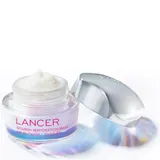 Lancer Skincare Nourish Rehydration Mask | 30% | ≈ $112.29 | |
 e.l.f. Cosmetics Game Up Rez-Me Awakening Face Mask | 30% | ≈ $13.37 | |
 Dr. Jart+ Cryo Rubber™ Mask with Firming Collagen | 30% | ≈ $13.97 | |
 Clinique Moisture Surge Overnight Mask | 29% | ≈ $35.01 |
Key Actives
Helps attract water to the upper layer of the skin and might have some anti-oxidant and skin lightening properties. It can help calm down inflammation in skin
Helps attract water to the upper layer of the skin and might have some anti-oxidant and skin lightening properties. It can help calm down inflammation in skin
A silicone that helps to reduce water loss from the surface of the skin. Can temporarily "fill in" lines and wrinkles, absorb oil, and create a nice product finish
An algae extract that can help attract water to the upper layer of the skin and have some anti-oxidant properties
Might be helpful in neutralizing free radicals. Can have a dehydration effect that might somewhat decrease the look of puffy eyes
Forms a protective barrier that holds water and keeps dry skin hydrated. Keeps an emulsion from separating into its oil and liquid components, and increases the thickness of a product. Can be an allergen
A silicone that forms a light film on the skin surface helping to bind water and temporarily absorb oils creating a matt and powdery feel
A type of clay that consists mainly of aluminum silicate. Helps absorb oil and creates a thicker product consistency. Can be used to add a white color
Zooplankton extract that can attract water to the upper level of the skin and might have some anti-oxidant effect
An algae extract that can help attract water to the upper layer of the skin and have some anti-oxidant properties
Might be helpful in neutralizing free radicals. Can have a dehydration effect that might somewhat decrease the look of puffy eyes
A mix of amino acids and plant-based lipids. Helps to soften the upper layer of the skin and reduce water loss over time
A silicone that forms a light film on the skin surface helping to bind water and temporarily absorb oils creating a matt and powdery feel
A good mix of fatty acids that forms a protective layer on the skin. Improves the shelf life of products. Derived from coconut and glycerin
An emollient that helps soften the skin and could be helpful in repairing its barrier function
Can help attract water to the upper layer of the skin. In crystal form, it can work as a gentle exfoliant, gentler than the salt scrub. Helps stabilize the emulsion
A sugar that attracts water to the upper layer of the skin
One of the best moisturizing ingredients. Naturally present in skin. It attracts water to the upper layer of the skin working as a humectant
Helps attract water to the upper layer of the skin. Can have some anti-inflammatory effect
Can help neutralize free radicals in skin. Preliminary studies show that it can be more effective than coenzyme Q10 but studies on effective concentration for topical applications are lacking
Yeast extract. Helps to attract water to the upper layer of the skin
One of the best moisturizing ingredients. Attracts water into the upper layer of the skin
Forms a protective barrier that holds water and keeps dry skin hydrated. Keeps an emulsion from separating into its oil and liquid components, and increases the thickness of a product. Can be an allergen
Forms a protective barrier that holds water and keeps dry skin hydrated. Keeps an emulsion from separating into its oil and liquid components, and increases the thickness of a product. Can be an allergen
Works as a UV filter when used in high concentrations. It is photostable and is effective mostly against the UVB light, with some protection in the UVA range. In small concentrations, used for its ability to improve the color of cosmetic products. Is usually well tolerated by the skin
Helps attract water to the upper layer of the skin
Can help neutralize free radicals in skin. Preliminary studies show that it can be more effective than coenzyme Q10 but studies on effective concentration for topical applications are lacking
One of the best moisturizing ingredients. Attracts water into the upper layer of the skin
One of the best moisturizing ingredients. Naturally present in skin. It attracts water to the upper layer of the skin working as a humectant
Helps attract water to the upper layer of the skin
Works as a UV filter when used in high concentrations. It is photostable and is effective mostly against the UVB light, with some protection in the UVA range. In small concentrations, used for its ability to improve the color of cosmetic products. Is usually well tolerated by the skin
Potential irritants
A plant extract that might contain a compound baicalin that could be helpful in neutralizing free radicals and reducing inflammation in skin. The baicalin concentration in skincare products is often too low for an effective action. Can be used for its fragrant properties
An algae extract that can help attract water to the upper layer of the skin and have some anti-oxidant properties
A plant oil with high content of volatile compounds that, especially when exposed to air, can cause allergic reactions and irritate the skin
Used as a fragrance. It can be irritating and cause photosensitivity
An essential oil that is likely to be irritating and can cause photosensitivity
A common frangrance that can easily irritate skin, especially if exposed to air, light or heat
Fragrance with sweet balsamic smell. Help to preserve products and dissolve other ingredients. Could trigger allergic reactions and be irritating
A good mix of fatty acids that forms a protective layer on the skin. Improves the shelf life of products. Derived from coconut and glycerin
An emollient that helps soften the skin and could be helpful in repairing its barrier function
Might be somewhat helpful in reducing hyperpigmentation and neutralizing free radicals but its typical concentration in a product is too low for having an effect
Can have some moisturizing properties due to its sugar content
A fruit juice. Might have some anti-oxidant properties but is unlikely to have any benefit when used in skincare
Might be helpful in neutralizing free radicals in skin
Might be helpful in neutralizing free radicals. Can have a dehydration effect that might somewhat decrease the look of puffy eyes
A more stable but less bio-available form of vitamin E compared to Tocopherol. Might help moisturize and protect the skin from free radicals, but mostly used in low concentrations to stabilize other ingredients.
Forms a protective barrier that holds water and keeps dry skin hydrated. Keeps an emulsion from separating into its oil and liquid components, and increases the thickness of a product. Can be an allergen
Helps preserve products and creates a nice product texture
Can work as an exfoliant but is typically used to adjust the product pH
Being a lipid soluble form of vitamin C, it is more stable than ascorbic acid, but still degrades quickly and needs to be stabilized in a formulation with another ingredient. It is claimed to penetrate skin better than pure vitamin C and have the the similar benefits, but solid studies of its effectiveness are lacking. Is likely to require a higher concentration in a product than pure vitamin C to be effective. It might be able to help reduce pore clogging.
Used to preserve products, dissolve other ingredients and create a nice product texture
An alpha-hydroxy acid (AHA), but is mostly used to stabilize product formulations in cosmetics
A more stable but less potent derivative of vitamin C. It can help neautralize free radicals and even out the skin tone if used in high enough concentration (required levels are likely to be much higher than for pure vitamin C, and solid studies are lacking at the moment)
Maintains the texture of skincare products. Allows the product to spread evenly. Helps oil and water mix together
Comedogenic ingredients
Might help to attract water to the upper layer of the skin
A seaweed extract that contains sugars and can be helpful in attracting water to the upper layers of the skin if used in high enough concentrations
Seaweed extract that helps the skin to attract water and make it more smooth for touch. Also shows promise of anti-aging properties, but good research is lacking at the moment
Might help to attract water to the upper layer of the skin
All ingredients
A good mix of fatty acids that forms a protective layer on the skin. Improves the shelf life of products. Derived from coconut and glycerin
An emollient that helps soften the skin and could be helpful in repairing its barrier function
Helps soften upper layer of the skin and can enhance penetration of other ingredients into the upper layer of the skin
A silicone that helps to reduce water loss from the surface of the skin. Can temporarily "fill in" lines and wrinkles, absorb oil, and create a nice product finish
Used to create a nice product texture and help delivery of other ingredients. Might be somewhat helpful in attracting water to the upper layer of the skin
A non-drying alcohol that works to soften the skin and stabilize product formulations helping oil and water mix together
Acts as a solvent for other ingredients. Speeds up the absorption of other ingredients into the skin
An emollient that softens the skin and forms a protective layer on its surface. Helps water and oil mix together
Helps oil and water mix togehter and creates a nice product texture
Can help attract water to the upper layer of the skin. In crystal form, it can work as a gentle exfoliant, gentler than the salt scrub. Helps stabilize the emulsion
One of the best moisturizing ingredients. Naturally present in skin. It attracts water to the upper layer of the skin working as a humectant
Might help to attract water to the upper layer of the skin
Might be somewhat helpful in reducing hyperpigmentation and neutralizing free radicals but its typical concentration in a product is too low for having an effect
Can have some moisturizing properties due to its sugar content
A plant extract that might contain a compound baicalin that could be helpful in neutralizing free radicals and reducing inflammation in skin. The baicalin concentration in skincare products is often too low for an effective action. Can be used for its fragrant properties
A fruit juice. Might have some anti-oxidant properties but is unlikely to have any benefit when used in skincare
Helps attract water to the upper layer of the skin. Can have some anti-inflammatory effect
A seaweed extract that contains sugars and can be helpful in attracting water to the upper layers of the skin if used in high enough concentrations
Might be helpful in neutralizing free radicals in skin
An algae extract that can help attract water to the upper layer of the skin and have some anti-oxidant properties
Can help neutralize free radicals in skin. Preliminary studies show that it can be more effective than coenzyme Q10 but studies on effective concentration for topical applications are lacking
Helps attract water to the upper layer of the skin and might have some anti-oxidant and skin lightening properties. It can help calm down inflammation in skin
Helps attract water to the upper layer of the skin and might have some anti-oxidant and skin lightening properties. It can help calm down inflammation in skin
Might be helpful in neutralizing free radicals. Can have a dehydration effect that might somewhat decrease the look of puffy eyes
One of the best moisturizing ingredients. Attracts water into the upper layer of the skin
Might be helpful in restoring skin barrier function and, when combined with zinc carbonate and malonic acid, reducing fine lines and wrinkles by stimulating elastin production. Also helps stabilize the product formulation
A more stable but less bio-available form of vitamin E compared to Tocopherol. Might help moisturize and protect the skin from free radicals, but mostly used in low concentrations to stabilize other ingredients.
Forms a protective barrier that holds water and keeps dry skin hydrated. Keeps an emulsion from separating into its oil and liquid components, and increases the thickness of a product. Can be an allergen
Forms a protective barrier that holds water and keeps dry skin hydrated. Keeps an emulsion from separating into its oil and liquid components, and increases the thickness of a product. Can be an allergen
Forms a protective barrier that holds water and keeps dry skin hydrated. Keeps an emulsion from separating into its oil and liquid components, and increases the thickness of a product. Can be an allergen
A silicone that forms a light film on the skin surface helping to bind water and temporarily absorb oils creating a matt and powdery feel
Helps preserve products and creates a nice product texture
Used mostly for creating emulsions - helping oil and water mix together. Helps soften the upper layer of the skin
A type of clay that consists mainly of aluminum silicate. Helps absorb oil and creates a thicker product consistency. Can be used to add a white color
Can work as an exfoliant but is typically used to adjust the product pH
Being a lipid soluble form of vitamin C, it is more stable than ascorbic acid, but still degrades quickly and needs to be stabilized in a formulation with another ingredient. It is claimed to penetrate skin better than pure vitamin C and have the the similar benefits, but solid studies of its effectiveness are lacking. Is likely to require a higher concentration in a product than pure vitamin C to be effective. It might be able to help reduce pore clogging.
Used to preserve products, dissolve other ingredients and create a nice product texture
An alpha-hydroxy acid (AHA), but is mostly used to stabilize product formulations in cosmetics
A preservative. It helps prevent bacterial growth in cosmetic products
Works as a UV filter when used in high concentrations. It is photostable and is effective mostly against the UVB light, with some protection in the UVA range. In small concentrations, used for its ability to improve the color of cosmetic products. Is usually well tolerated by the skin
Acts as a solvent for other ingredients. Speeds up the absorption of other ingredients into the skin
Helps create a nice product texture and attract water to the upper layer of the skin
An emollient that helps soften the skin and can decrease moisture loss. Helps create a nice product texture
Helps attract water to the upper layer of the skin and soften it
A plant oil with high content of volatile compounds that, especially when exposed to air, can cause allergic reactions and irritate the skin
Used as a fragrance. It can be irritating and cause photosensitivity
An essential oil that is likely to be irritating and can cause photosensitivity
Can help neutralize free radicals in skin. Preliminary studies show that it can be more effective than coenzyme Q10 but studies on effective concentration for topical applications are lacking
Seaweed extract that helps the skin to attract water and make it more smooth for touch. Also shows promise of anti-aging properties, but good research is lacking at the moment
Zooplankton extract that can attract water to the upper level of the skin and might have some anti-oxidant effect
An algae extract that can help attract water to the upper layer of the skin and have some anti-oxidant properties
Used to create a nice product texture and help delivery of other ingredients. Might be somewhat helpful in attracting water to the upper layer of the skin
Might help to attract water to the upper layer of the skin
Might be helpful in neutralizing free radicals. Can have a dehydration effect that might somewhat decrease the look of puffy eyes
A mix of amino acids and plant-based lipids. Helps to soften the upper layer of the skin and reduce water loss over time
A more stable but less potent derivative of vitamin C. It can help neautralize free radicals and even out the skin tone if used in high enough concentration (required levels are likely to be much higher than for pure vitamin C, and solid studies are lacking at the moment)
One of the best moisturizing ingredients. Attracts water into the upper layer of the skin
One of the best moisturizing ingredients. Naturally present in skin. It attracts water to the upper layer of the skin working as a humectant
A more stable but less bio-available form of vitamin E compared to Tocopherol. Might help moisturize and protect the skin from free radicals, but mostly used in low concentrations to stabilize other ingredients.
Used mostly for creating emulsions - helping oil and water mix together. Helps soften the upper layer of the skin
Maintains the texture of skincare products. Allows the product to spread evenly. Helps oil and water mix together
A silicone that forms a light film on the skin surface helping to bind water and temporarily absorb oils creating a matt and powdery feel
A preservative. It helps prevent bacterial growth in cosmetic products
A common frangrance that can easily irritate skin, especially if exposed to air, light or heat
Fragrance with sweet balsamic smell. Help to preserve products and dissolve other ingredients. Could trigger allergic reactions and be irritating
Creates an illusion of smoother and more radiant skin tone. Adds shimmer to the skin by reflecting light
Works as a UV filter when used in high concentrations. It is photostable and is effective mostly against the UVB light, with some protection in the UVA range. In small concentrations, used for its ability to improve the color of cosmetic products. Is usually well tolerated by the skin
Ingredient list view
Water, Caprylic/capric triglyceride, Persea gratissima oil, Stearyl alcohol, Cetyl esters, Dimethicone, Butylene glycol, Cetyl alcohol, Propanediol, Glyceryl stearate, Peg-100 stearate, Sucrose, Trehalose, Calcium sulfate, Glycerin, Hypnea musciformis extract, Cucumis sativus fruit extract, Pyrus malus fruit extract, Oryza sativa bran extract, Scutellaria baicalensis root extract, Punica granatum fruit juice, Saccharomyces lysate extract, Laminaria saccharina extract, Coffea arabica seed oil, Gelidiella acerosa extract, Ergothioneine, Yeast extract, Faex, Yeast extract, Ethylhexylglycerin, Caffeine, Sodium hyaluronate, Methyl glucose sesquistearate, Magnesium aluminum silicate, Tocopheryl acetate, Beeswax, Cera alba, Beeswax, Polysilicone-11, Caprylyl glycol, Choleth-24, Lecithin, Kaolin, Ceteth-24, Xanthan gum, Citric acid, Tetrahexyldecyl ascorbate, Pentylene glycol, Hexylene glycol, Phytic acid, Disodium edta, Bht, Sodium benzoate, Phenoxyethanol, Titanium dioxide, Ci 77891, Water, Propanediol, Peg/ppg/polybutylene glycol-8/5/3 glycerin, Isododecane, Sodium acrylates copolymer, Methyl gluceth-20, Diglycerin, Sapindus mukorossi fruit extract, Juglans regia seed extract, Citrus aurantium dulcis flower oil, Citrus nobilis peel oil, Cedrus atlantica bark oil, Santalum album oil, Rosa damascena flower oil, Citrus aurantium dulcis oil, Zingiber officinale root oil, Cinnamomum zeylanicum bark oil, Cananga odorata flower oil, Morinda citrifolia fruit extract, Ergothioneine, Caesalpinia spinosa gum, Laminaria digitata extract, Ethylhexylglycerin, Artemia extract, Gelidiella acerosa extract, Butylene glycol, Hypnea musciformis extract, Caffeine, Phytosteryl/octyldodecyl lauroyl glutamate, Aminopropyl ascorbyl phosphate, Sodium hyaluronate, Glycerin, Saccharide isomerate, Tocopheryl acetate, Lecithin, Acrylates/c10-30 alkyl acrylate crosspolymer, Polysilicone-11, Sodium hydroxide, Tetrasodium edta, Phenoxyethanol, Potassium sorbate, Linalool, Citronellol, Limonene, Geraniol, Farnesol, Benzyl benzoate, Benzyl salicylate, Cinnamal, Mica, Titanium dioxide, Ci 77891, Ci 14700, Ci 19140
- Comparison of skin calming effects of cosmetic products containing 4-t-butylcyclohexanol or acetyl dipeptide-1 cetyl ester on capsaicin-induced facial stinging in volunteers with sensitive skin
- Amended Safety Assessment of Alkyl Esters as Used in Cosmetics
- Dimethicone as a protective ingredient in topical medications
- Final Report on the Safety Assessment of Dimethicone Copolyol
- Glycerol and the skin: holistic approach to its origin and functions
- Scutellaria baicalensis, the golden herb from the garden of Chinese medicinal plants
- Flavonoids in Treating Psoriasis
- Improvement of skin barrier dysfunction by Scutellaria baicalensis GEOGI extracts through lactic acid fermentation
- Safety Assessment of Scutellaria baicalensis-Derived Ingredients as Used in Cosmetics
- Use of Probiotics for Dermal Applications
- Safety Assessment of Brown Algae-Derived Ingredients as Used in Cosmetics
- The effect of laminaria saccharina extract on suppressing pigmentation in in-vitro system
- Effect of green Coffea arabica L. seed oil on extracellular matrix components and water-channel expression in in vitro and ex vivo human skin models
- Marine Bioactive Compounds and Their Health Benefits: A Review
- Antioxidant Capacity and Lipophilic Content of Seaweeds Collected from the Qingdao Coastline
- A comparison of the relative antioxidant potency of L‐ergothioneine and idebenone
- l-Ergothioneine Protects Skin Cells against UV-Induced Damage—A Preliminary Study
- The natural yeast extract isolated by ethanol precipitation inhibits melanin synthesis by modulating tyrosinase activity and downregulating melanosome transfer
- Evaluation of dermatological effects of cosmetic formulations containing Saccharomyces cerevisiae extract and vitamins
- Hyaluronic acid: A key molecule in skin aging
- Hyaluronan (Hyaluronic Acid): a natural moisturizer for skin care
- Final report on the safety assessment of aluminum silicate, calcium silicate, magnesium aluminum silicate, magnesium silicate, magnesium trisilicate, sodium magnesium silicate, zirconium silicate, attapulgite, bentonite, Fuller's earth, hectorite, kaolin, lithium magnesium silicate, lithium magnesium sodium silicate, montmorillonite, pyrophyllite, and zeolite
- Extracellular matrix in cutaneous ageing: the effects of 0.1% copper-zinc malonate-containing cream on elastin biosynthesis
- Efficacy of barrier creams in comparison to skin care products in dental laboratory technicians--a controlled trial
- Final Report on the Safety Assessment of Choleth-24
- Safety assessment of alkyl PEG ethers as used in cosmetics
- Double-blind, half-face study comparing topical vitamin C and vehicle for rejuvenation of photodamage
- Application of tetra-isopalmitoyl ascorbic acid in cosmetic formulations: Stability studies and in vivo efficacy
- Cosmetic and dermatologic use of alpha hydroxy acids
- Comparative Evaluation of Efficacy and Tolerability of Glycolic Acid, Salicylic Mandelic Acid, and Phytic Acid Combination Peels in Melasma
- Final Report on the Safety Assessment of Acrylates Copolymer and 33 Related Cosmetic Ingredients
- Safety Assessment of Citrus-Derived Peel Oils as Used in Cosmetics
- Oxidized citrus oil (R-limonene): A frequent skin sensitizer in Europe
- Air oxidation increases skin irritation from fragrance terpenes
- Annex I: Clinical evidence regarding sensitisation to individual fragrance chemicals and to natural extracts
- Zingiber officinale Rosc. essential oil, a review on its composition and bioactivity
- Final Report On the Safety Assessment of Galactomannans As Used in Cosmetics
- The Effects of Purified Artemia Extract Proteins on Proliferation, Differentiation and Apoptosis of Human Leukemic HL-60 Cells
- An exemplary claim substantiation for the firming / filling activity of a synthetic tripeptide
- Analysis of Dyes in Cosmetics: Challenges and Recent Developments