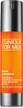
Clinique For Men Anti-Fatigue Hydrating Concentrate SPF 25

Clinique For Men Anti-Fatigue Hydrating Concentrate SPF 25

SPF 25Efficacy83/100IrritancyMedium·3 UV filters

Works for

Sun protection
SPF 25 · 3 UV filters · Broad spectrum
Weak protectionSPF under 30
SPF 25Broad spectrumChemical filters

This product offers broad spectrum sun protection, but it is weak. We recommend to use a broad spectrum sunscreen with at least SPF 30.

This product can be considered "reef safe" because it does not contain the UV filters (oxybenzone and octinoxate) that can be harmful to coral reefs when present in the water in high concentrations.

UV spectrum
UVB290–320 nmUVA II320–340 nmUVA I340–400 nm
Octisalate
Titanium Dioxide
Avobenzone
FilterCoverageWhat it doesEst. amount
OctisalateEthylhexyl SalicylateUVBOctisalate. A UV filter. It offers some protection against the sun rays that cause sunburn (UVB), but does not protect against the most aging sun rays (UVA). It loses its effectiveness quickly when exposed to sunlight. It is an organic, or so called "chemical" sunscreen5%
Titanium Dioxide Mineral UVBUVA2 Photo-stable Works as a UV filter when used in high concentrations. It is photostable and is effective mostly against the UVB light, with some protection in the UVA range. In small concentrations, used for its ability to improve the color of cosmetic products. Is usually well tolerated by the skin~0.15–0.25%
AvobenzoneButyl MethoxydibenzoylmethaneUVA1Avobenzone. An organic, or so-called "chemical" UV filter. Protects against both UVA and UVB rays. Needs to be combined with other filters in a formulation to be stable.3%
~ marks concentrations estimated from label position and typical use levels
Reef-safe
No oxybenzone or octinoxate — the two filters banned in Hawaii, Florida Keys and Aruba.
Anti-aging
Niacinamide, Creatine + 7 more
Works well
What the product description says
“For Men Anti-Fatigue Hydrating Concentrate SPF 25”
From product name

This product can help reduce and prevent fine lines and wrinkles, improve skin elasticity and firmness because it contains niacinamide.

These ingredients in the product can also be helpful, even though there is less evidence for their effectiveness: adenosine phosphate, arabidopsis thaliana extract, creatine, resveratrol.

Keep in mind that it typically takes at least 6 weeks to notice any results because the changes that are needed to improve fine lines and elasticity happen in the deeper layers of the skin. No topical anti-aging product can “erase” wrinkles or fully reverse signs of aging.

NiacinamideKey activeEffect: HighIs proven to be effective in reducing blemishes, evening out skin tone and helping to improve lines and wrinkles. It helps the skin to repair sun damage, calm down inflammation and keep maintain good levels of moisture. The concentration of about 2% is effective for supporting the skin barrier and evening out the skin tone. Concentration of 4-6% is better for helping with acne and balancing the sebum production~0.9–1.1%
CreatineKey activeEffect: MediumCan support skin's ability to neutralize free radicals and produce collagen, though further research is needed to confirm effectiveness~0.65–0.95%
ResveratrolKey activeEffect: MediumHelps neutralize free radicals in skin and might help reduce fine lines and wrinkles, as well as even out the skin tone~0.5–0.7%
Arabidopsis thaliana extractKey activeEffect: MediumPlant extract that might be helpful in repairing sun damage but evidence of effectiveness in skin are lacking~0.45–0.7%
Adenosine phosphateKey activeEffect: MediumMight help improve cell turnover and reduce inflammation in skin. One study shows that the ingredients might be able to stimulate collagen production in skin~0.45–0.7%
Algae extractEffect: LowPlant extract that helps the skin to attract water and make it more smooth for touch. Also shows promise of anti-aging properties, but research is not extensive yet~0.6–0.85%
Laminaria saccharina extractEffect: Low, below effective doseA seaweed extract that contains sugars and can be helpful in attracting water to the upper layers of the skin if used in high enough concentrations~0.45–0.7%
Sodium rnaEffect: Low, below effective doseIs claimed to have anti-aging properties, but research about its effect in topical application is missing~0.45–0.7%
Tetrahexyldecyl ascorbateUnder-dosedBeing a lipid soluble form of vitamin C, it is more stable than ascorbic acid, but still degrades quickly and needs to be stabilized in a formulation with another ingredient. It is claimed to penetrate skin better than pure vitamin C and have the the similar benefits, but solid studies of its effectiveness are lacking. Is likely to require a higher concentration in a product than pure vitamin C to be effective. It might be able to help reduce pore clogging.~0.25–0.45%
Moisturizing
Niacinamide, Glycerin + 23 more
Works well
What the product description says
“For Men Anti-Fatigue Hydrating Concentrate SPF 25”
From product name

This product can help improve hydration of the skin with the two types of ingredients.

The first type is called “humectants”:
these ingredients help attract water. When humectants are on the surface of the skin, they “pull in” the moisture from the outside environment, or from within deeper layers of the skin. The following ingredients in this product do the job: algae extract, faex.

This product also contains ingredients called “occlusives”. They help reduce the speed with which our skin loses moisture to the outside environment. These ingredients also help soften the upper layer of the skin, so it feels less tight and nicer to the touch. The following ingredients in this product do the job: dimethicone, algae extract.

The following ingredients in this product are especially good for supporting the skin barrier and helping with the hydration level: niacinamide

NiacinamideHeroEffect: HighIs proven to be effective in reducing blemishes, evening out skin tone and helping to improve lines and wrinkles. It helps the skin to repair sun damage, calm down inflammation and keep maintain good levels of moisture. The concentration of about 2% is effective for supporting the skin barrier and evening out the skin tone. Concentration of 4-6% is better for helping with acne and balancing the sebum production~0.9–1.1%
GlycerinKey active· HumectantEffect: HighOne of the best moisturizing ingredients. Naturally present in skin. It attracts water to the upper layer of the skin working as a humectant~3.7–4.5%
DimethiconeKey active· Emollient, OcclusiveEffect: HighA silicone that helps to reduce water loss from the surface of the skin. Can temporarily "fill in" lines and wrinkles, absorb oil, and create a nice product finish~2.7–3.3%
Sodium hyaluronateKey active· HumectantEffect: HighOne of the best moisturizing ingredients. Attracts water into the upper layer of the skin~0.7–1.1%
Acetyl carnitine hclKey activeEffect: MediumMight be helpful in decreasing sebum production making the skin less oily. Is claimed to be able to support ceramide production in skin that leads to better hydration, but evidence is lacking. Is able to attract water to the upper layer of the skin~0.7–1.05%
Algae extractKey active· Humectant, EmollientEffect: HighPlant extract that helps the skin to attract water and make it more smooth for touch. Also shows promise of anti-aging properties, but research is not extensive yet~0.6–0.85%
Capryloyl glycineKey activeEffect: MediumHelps oil and water mix together, preserve cosmetic products, and attract water to the upper layer of the skin~0.55–0.8%
Cetyl alcoholKey active· EmollientEffect: MediumA non-drying alcohol that works to soften the skin and stabilize product formulations helping oil and water mix together~0.55–0.85%
Plankton extractKey activeEffect: MediumCan help attract water to the upper layer of the skin~0.5–0.75%
Micrococcus lysateKey activeEffect: HighConsists of remains of dead bacteria cells. Is likely helpful in attracting water to the upper layer of the skin. Might be helpful in reducing inflammation and neutralizing free radicals in skin. It is claimed to be a "DNA repair enzyme"~0.45–0.7%
Sea whip extractKey activeEffect: HighMight help neutrlize free radicals, calm down inflammation, and attract water to the upper layer of the skin~0.45–0.7%
TrehaloseKey active· HumectantEffect: HighA sugar that attracts water to the upper layer of the skin~0.45–0.7%
Lactobacillus fermentKey active· HumectantEffect: HighA fermentation product created by bacteria Lactobacillus. The fermented product has anti-bacterial properties and might be helpful in calming down inflammation, but studies are lacking. Helps attract water to the upper layer of the skin. Can be used as a preservative~0.45–0.7%
FaexKey active· HumectantEffect: HighYeast extract. Helps to attract water to the upper layer of the skin~0.45–0.7%
7-dehydrocholesterolKey activeEffect: HighPro-vitamin D. It is claimed to have anti-inflammatory effect in skin, but there is no research available confirming that this compound converts to vitamin D in skin or has any other benefits apart from softening the upper layer of the skin. This compound is different from the Vitamin D3 analogues used in medicine to treat psoriasis~0.3–0.55%
Neopentyl glycol diheptanoate· EmollientEffect: LowHelps soften the upper layer of the skin and create a nice product consistency~4.7–5.8%
Butylene glycol· HumectantEffect: LowUsed to create a nice product texture and help delivery of other ingredients. Might be somewhat helpful in attracting water to the upper layer of the skin~1.2–1.5%
Isohexadecane· EmollientEffect: LowImproves the texture of the product and helps soften the skin. Helps oil and water mix together and can be used as a cleansing agent~0.55–0.85%
Pentylene glycol· EmollientEffect: LowUsed to preserve products, dissolve other ingredients and create a nice product texture~0.55–0.85%
Propylene glycol dicaprate· EmollientEffect: LowAn emollient that helps soften the upper layer of the skin~0.4–0.65%
LecithinEffect: Low, below effective doseUsed mostly for creating emulsions - helping oil and water mix together. Helps soften the upper layer of the skin~0.55–0.85%
Cucumis sativus fruit extractEffect: Low, below effective doseMight be somewhat helpful in reducing hyperpigmentation and neutralizing free radicals but its typical concentration in a product is too low for having an effect~0.5–0.75%
Brassica oleracea acephala leaf extractEffect: Low, below effective doseMight be helpful in neutralizing free radicals in skin but solid research is lacking. Helps attract water to the upper layer of the skin~0.5–0.75%
Laminaria saccharina extractUnder-dosedA seaweed extract that contains sugars and can be helpful in attracting water to the upper layers of the skin if used in high enough concentrations~0.45–0.7%
Yeast extractUnder-dosedHelps attract water to the upper layer of the skin and might have some anti-oxidant and skin lightening properties. It can help calm down inflammation in skin~0.45–0.7%
Anti-oxidation
Side benefit · Creatine, Resveratrol + 16 more
Works well

This product contains antioxidants (resveratrol) that can help neutralize free radicals in skin. By doing so, they can lessen the damage the skin gets from the UV light (sun).

The following ingredients - creatine also can have an antioxidant effect, but there is less evidence to confirm their effectiveness in skin.

CreatineKey activeEffect: MediumCan support skin's ability to neutralize free radicals and produce collagen, though further research is needed to confirm effectiveness~0.65–0.95%
ResveratrolKey activeEffect: HighHelps neutralize free radicals in skin and might help reduce fine lines and wrinkles, as well as even out the skin tone~0.5–0.7%
Vaccinium angustifolium fruit extractEffect: LowA plant extract tha can have anti-oxidant properties, but evidence of effectiveness in skin is lacking~0.6–0.9%
Daucus carota sativa root extractEffect: LowCarrot extract. Might have anti-oxidant properties and be used to add orange color~0.55–0.8%
Spinacia oleracea leaf extractEffect: LowA plant extract that might have some anti-oxidant properties~0.5–0.75%
Albizia julibrissin bark extractEffect: LowA plant extract that might help to neutralize free radicals in skin. Is claimed to help reduce hyperpigmentation but evidence is missing~0.5–0.75%
Vaccinium macrocarpon fruit extractEffect: LowA berry extract. Might have some anti-oxidant properties~0.5–0.7%
Lactobacillus fermentEffect: LowA fermentation product created by bacteria Lactobacillus. The fermented product has anti-bacterial properties and might be helpful in calming down inflammation, but studies are lacking. Helps attract water to the upper layer of the skin. Can be used as a preservative~0.45–0.7%
Sea whip extractEffect: LowMight help neutrlize free radicals, calm down inflammation, and attract water to the upper layer of the skin~0.45–0.7%
Micrococcus lysateEffect: LowConsists of remains of dead bacteria cells. Is likely helpful in attracting water to the upper layer of the skin. Might be helpful in reducing inflammation and neutralizing free radicals in skin. It is claimed to be a "DNA repair enzyme"~0.45–0.7%
CaffeineEffect: LowMight be helpful in neutralizing free radicals. Can have a dehydration effect that might somewhat decrease the look of puffy eyes~0.45–0.7%
Brassica oleracea italica extractEffect: Low, below effective doseMight have some anti-inflammatory properties but research is lacking~0.6–0.85%
Hordeum vulgare extractEffect: Low, below effective doseA plant extract that might have some anti-oxidant properties. Avoid if you are sensitive to gluten~0.55–0.8%
Tocopheryl acetateEffect: Low, below effective doseA more stable but less bio-available form of vitamin E compared to Tocopherol. Might help moisturize and protect the skin from free radicals, but mostly used in low concentrations to stabilize other ingredients.~0.5–0.75%
Cucumis sativus fruit extractEffect: Low, below effective doseMight be somewhat helpful in reducing hyperpigmentation and neutralizing free radicals but its typical concentration in a product is too low for having an effect~0.5–0.75%
ErgothioneineUnder-dosedCan help neutralize free radicals in skin. Preliminary studies show that it can be more effective than coenzyme Q10 but studies on effective concentration for topical applications are lacking~0.45–0.65%
Yeast extractUnder-dosedHelps attract water to the upper layer of the skin and might have some anti-oxidant and skin lightening properties. It can help calm down inflammation in skin~0.45–0.7%
Tetrahexyldecyl ascorbateUnder-dosedBeing a lipid soluble form of vitamin C, it is more stable than ascorbic acid, but still degrades quickly and needs to be stabilized in a formulation with another ingredient. It is claimed to penetrate skin better than pure vitamin C and have the the similar benefits, but solid studies of its effectiveness are lacking. Is likely to require a higher concentration in a product than pure vitamin C to be effective. It might be able to help reduce pore clogging.~0.25–0.45%
Exfoliation
Side benefit · Salicylic acid
Works well

This product can help exfoliate the skin. In other words, it helps break down the bonds between dead cells on the surface of the skin and speed up the skin turnover. Skin often appears softer and brighter after exfoliation, but overdoing it can result in disrupted skin barrier. The following ingredient is doing the exfoliating job in this product: salicylic acid.

Salicylic acidKey activeEffect: HighUsed for skin exfoliation. It has an anti-inflammatory and anti-bacterial effect, helps to unclog pores, prevent blemishes and speed up healing of the existing ones. Sometimes referred to as a BHA (beta-hydroxy acid)~0.45–0.7%
Evens skin tone
Side benefit · Niacinamide, Albizia julibrissin bark extract + 4 more
Works well

This product can help reduce hypepigmentation and even out the skin tone because it contains the following effective ingredients: niacinamide, salicylic acid

The following ingredient (ingredients) in this product might be helpful, but there is no evidence to confirm that it actually can help even out the skin tone: albizia julibrissin bark extract, resveratrol.

Keep in mind that you would need to apply any topical skincare targetted at hypigmentation consistently for a couple of months to get a result. No topical skincare product can help get rid of hyperpigmentation (including post-acne marks and age spots) instantly.

This product can also help with skin tone because it offers sun protection. Sun damage is the main factor causing age spots, darkening of post-acne marks and other discolorations. This is why sun protection is the best strategy for maintaining an even skin tone. We, however, do not recommend using this product as a sunscreen because the protection it offers is not strong enough).

NiacinamideKey activeEffect: HighIs proven to be effective in reducing blemishes, evening out skin tone and helping to improve lines and wrinkles. It helps the skin to repair sun damage, calm down inflammation and keep maintain good levels of moisture. The concentration of about 2% is effective for supporting the skin barrier and evening out the skin tone. Concentration of 4-6% is better for helping with acne and balancing the sebum production~0.9–1.1%
Albizia julibrissin bark extractEffect: LowA plant extract that might help to neutralize free radicals in skin. Is claimed to help reduce hyperpigmentation but evidence is missing~0.5–0.75%
ResveratrolEffect: LowHelps neutralize free radicals in skin and might help reduce fine lines and wrinkles, as well as even out the skin tone~0.5–0.7%
Salicylic acidEffect: LowUsed for skin exfoliation. It has an anti-inflammatory and anti-bacterial effect, helps to unclog pores, prevent blemishes and speed up healing of the existing ones. Sometimes referred to as a BHA (beta-hydroxy acid)~0.45–0.7%
Yeast extractEffect: Low, below effective doseHelps attract water to the upper layer of the skin and might have some anti-oxidant and skin lightening properties. It can help calm down inflammation in skin~0.45–0.7%
Tetrahexyldecyl ascorbateUnder-dosedBeing a lipid soluble form of vitamin C, it is more stable than ascorbic acid, but still degrades quickly and needs to be stabilized in a formulation with another ingredient. It is claimed to penetrate skin better than pure vitamin C and have the the similar benefits, but solid studies of its effectiveness are lacking. Is likely to require a higher concentration in a product than pure vitamin C to be effective. It might be able to help reduce pore clogging.~0.25–0.45%
Anti-blemish
Side benefit · Niacinamide, Salicylic acid + 1 more
Works well

This product can help reduce breakouts and clogged pores because it contains the following ingredient: niacinamide, salicylic acid. These ingredients is used for treating acne and can have a noticeable effect.

NiacinamideHeroEffect: HighIs proven to be effective in reducing blemishes, evening out skin tone and helping to improve lines and wrinkles. It helps the skin to repair sun damage, calm down inflammation and keep maintain good levels of moisture. The concentration of about 2% is effective for supporting the skin barrier and evening out the skin tone. Concentration of 4-6% is better for helping with acne and balancing the sebum production~0.9–1.1%
Salicylic acidHeroEffect: HighUsed for skin exfoliation. It has an anti-inflammatory and anti-bacterial effect, helps to unclog pores, prevent blemishes and speed up healing of the existing ones. Sometimes referred to as a BHA (beta-hydroxy acid)~0.45–0.7%
Acetyl carnitine hclEffect: LowMight be helpful in decreasing sebum production making the skin less oily. Is claimed to be able to support ceramide production in skin that leads to better hydration, but evidence is lacking. Is able to attract water to the upper layer of the skin~0.7–1.05%

Can it cause trouble?

Irritancy
29 flagged ingredients
Medium risk
We flagged 29 ingredients with irritancy potential. Severity depends on your sensitivity threshold; the table lists the worst offenders first.
IngredientFunctionIrritationEst. amount
Albizia julibrissin bark extractA plant extract that might help to neutralize free radicals in skin. Is claimed to help reduce hyperpigmentation but evidence is missingHigh~0.5–0.75%est.
Vaccinium macrocarpon fruit extractA berry extract. Might have some anti-oxidant propertiesHigh~0.5–0.7%est.
Salicylic acidUsed for skin exfoliation. It has an anti-inflammatory and anti-bacterial effect, helps to unclog pores, prevent blemishes and speed up healing of the existing ones. Sometimes referred to as a BHA (beta-hydroxy acid)High~0.45–0.7%est.
Butyl methoxydibenzoylmethaneAvobenzone. An organic, or so-called "chemical" UV filter. Protects against both UVA and UVB rays. Needs to be combined with other filters in a formulation to be stable.Medium3%
Polyester-8Used to stabilize product formulations and individual ingredients (for example, sunscreens). Can be an allergenMedium~3.6–4.4%est.
Butyloctyl salicylateA synthetic ester of salicylic acid that is used to help disperse pigments and boost effectiveness of sunscreen ingredients. It is able to absorb UV light (working as an organic, or chemical filter), but is not approved as a sunscreen ingredient on its ownMedium~1.6–1.9%est.
Polysorbate 60Helps oil and water mix togetherMedium~1.3–1.6%est.
Sodium acrylates copolymerUsed to create a thicker product consistencyMedium~1.2–1.5%est.
Vaccinium angustifolium fruit extractA plant extract tha can have anti-oxidant properties, but evidence of effectiveness in skin is lackingMedium~0.6–0.9%est.
Brassica oleracea italica extractMight have some anti-inflammatory properties but research is lackingMedium~0.6–0.85%est.
Brassica oleracea acephala leaf extractMight be helpful in neutralizing free radicals in skin but solid research is lacking. Helps attract water to the upper layer of the skinMedium~0.5–0.75%est.
Spinacia oleracea leaf extractA plant extract that might have some anti-oxidant propertiesMedium~0.5–0.75%est.
Cucumis sativus fruit extractMight be somewhat helpful in reducing hyperpigmentation and neutralizing free radicals but its typical concentration in a product is too low for having an effectMedium~0.5–0.75%est.
Plankton extractCan help attract water to the upper layer of the skinMedium~0.5–0.75%est.
CaffeineMight be helpful in neutralizing free radicals. Can have a dehydration effect that might somewhat decrease the look of puffy eyesMedium~0.45–0.7%est.
Phytic acidAn alpha-hydroxy acid (AHA), but is mostly used to stabilize product formulations in cosmeticsMedium~0.5–0.7%est.
Hordeum vulgare extractA plant extract that might have some anti-oxidant properties. Avoid if you are sensitive to glutenMedium~0.55–0.8%est.
ResveratrolHelps neutralize free radicals in skin and might help reduce fine lines and wrinkles, as well as even out the skin toneMedium~0.5–0.7%est.
Tocopheryl acetateA more stable but less bio-available form of vitamin E compared to Tocopherol. Might help moisturize and protect the skin from free radicals, but mostly used in low concentrations to stabilize other ingredients.Medium~0.5–0.75%est.
Sigesbeckia orientalis extractA plant extract that can contain an anti-inflammatory compoundMedium~0.45–0.7%est.
Pentylene glycolUsed to preserve products, dissolve other ingredients and create a nice product textureMedium~0.55–0.85%est.
Arabidopsis thaliana extractPlant extract that might be helpful in repairing sun damage but evidence of effectiveness in skin are lackingMedium~0.45–0.7%est.
Peg-8 laurateHelps oil and water mix togetherMedium~0.35–0.6%est.
EthylhexylglycerinA preservativeMedium~0.3–0.6%est.
7-dehydrocholesterolPro-vitamin D. It is claimed to have anti-inflammatory effect in skin, but there is no research available confirming that this compound converts to vitamin D in skin or has any other benefits apart from softening the upper layer of the skin. This compound is different from the Vitamin D3 analogues used in medicine to treat psoriasisMedium~0.3–0.55%est.
Tetrahexyldecyl ascorbateBeing a lipid soluble form of vitamin C, it is more stable than ascorbic acid, but still degrades quickly and needs to be stabilized in a formulation with another ingredient. It is claimed to penetrate skin better than pure vitamin C and have the the similar benefits, but solid studies of its effectiveness are lacking. Is likely to require a higher concentration in a product than pure vitamin C to be effective. It might be able to help reduce pore clogging.Medium~0.25–0.45%est.
Disodium edtaStabilizes the product formulationMedium~0.2–0.35%est.
BhtA preservativeMedium~0.15–0.3%est.
ChlorphenesinA preservativeMedium~0.15–0.3%est.
Comedogenic
3 ingredients rated 2 or more on the 0–5 pore-clogging scale
3 flagged
These ingredients have a comedogenic rating of 2 or more on a 0–5 scale; the table shows each one's rating. In leave-on products they can clog pores in acne-prone skin.
IngredientFunctionRatingEst. amount
Plankton extractCan help attract water to the upper layer of the skin3/5~0.5–0.75%est.
Laminaria saccharina extractA seaweed extract that contains sugars and can be helpful in attracting water to the upper layers of the skin if used in high enough concentrations3/5~0.45–0.7%est.
Algae extractPlant extract that helps the skin to attract water and make it more smooth for touch. Also shows promise of anti-aging properties, but research is not extensive yet3/5~0.6–0.85%est.

User reviews

Would you recommend?
No community reviews yet.

Be the first — your take helps the next person decide.

Ingredients

Filter by role to see what each ingredient is doing.

Butyl methoxydibenzoylmethane3%
UV filterKey activeIrritant · medium
Irritation risk
Medium
Works for
Sun protection

Avobenzone. An organic, or so-called "chemical" UV filter. Protects against both UVA and UVB rays. Needs to be combined with other filters in a formulation to be stable.

More about Butyl methoxydibenzoylmethane
Ethylhexyl salicylate5%
UV filter
Irritation risk
Low
Works for
Sun protection

Octisalate. A UV filter. It offers some protection against the sun rays that cause sunburn (UVB), but does not protect against the most aging sun rays (UVA). It loses its effectiveness quickly when exposed to sunlight. It is an organic, or so called "chemical" sunscreen

More about Ethylhexyl salicylate
Water~45–55%
Formula
Irritation risk
Low

Plain old water

More about Water
Glycerin~3.7–4.5%
Key active
Irritation risk
Low
Works for
Moisturizing

One of the best moisturizing ingredients. Naturally present in skin. It attracts water to the upper layer of the skin working as a humectant

More about Glycerin
Neopentyl glycol diheptanoate~4.7–5.8%
Formula
Irritation risk
Low
Works for
Moisturizing

Helps soften the upper layer of the skin and create a nice product consistency

More about Neopentyl glycol diheptanoate
Polyester-8~3.6–4.4%
Irritant · medium
Irritation risk
Medium

Used to stabilize product formulations and individual ingredients (for example, sunscreens). Can be an allergen

More about Polyester-8
Dimethicone~2.7–3.3%
Key active
Irritation risk
Low
Works for
MoisturizingMattifying

A silicone that helps to reduce water loss from the surface of the skin. Can temporarily "fill in" lines and wrinkles, absorb oil, and create a nice product finish

More about Dimethicone
Sorbitan stearate~1.7–2.1%
Formula
Irritation risk
Low
Works for
Cleansing

Helps water and oil mix together

More about Sorbitan stearate
Butyloctyl salicylate~1.6–1.9%
Irritant · medium
Irritation risk
Medium

A synthetic ester of salicylic acid that is used to help disperse pigments and boost effectiveness of sunscreen ingredients. It is able to absorb UV light (working as an organic, or chemical filter), but is not approved as a sunscreen ingredient on its own

More about Butyloctyl salicylate
Polysorbate 60~1.3–1.6%
Irritant · medium
Irritation risk
Medium
Works for
Cleansing

Helps oil and water mix together

More about Polysorbate 60
Butylene glycol~1.2–1.5%
Formula
Irritation risk
Low
Works for
Moisturizing

Used to create a nice product texture and help delivery of other ingredients. Might be somewhat helpful in attracting water to the upper layer of the skin

More about Butylene glycol
Sodium acrylates copolymer~1.2–1.5%
Irritant · medium
Irritation risk
Medium

Used to create a thicker product consistency

More about Sodium acrylates copolymer
Niacinamide~0.9–1.1%
Hero · Moisturizing, Anti-blemish
Irritation risk
Low
Works for
Evens skin toneMoisturizingAnti-agingAnti-blemishReduces irritationAnti-inflammatoryAntibacterialReduces redness

Is proven to be effective in reducing blemishes, evening out skin tone and helping to improve lines and wrinkles. It helps the skin to repair sun damage, calm down inflammation and keep maintain good levels of moisture. The concentration of about 2% is effective for supporting the skin barrier and evening out the skin tone. Concentration of 4-6% is better for helping with acne and balancing the sebum production

More about Niacinamide
Sodium hyaluronate~0.7–1.1%
Key active
Irritation risk
Low
Works for
Moisturizing

One of the best moisturizing ingredients. Attracts water into the upper layer of the skin

More about Sodium hyaluronate
Acetyl carnitine hcl~0.7–1.05%
Key active
Irritation risk
Low
Works for
MattifyingMoisturizingAnti-blemish

Might be helpful in decreasing sebum production making the skin less oily. Is claimed to be able to support ceramide production in skin that leads to better hydration, but evidence is lacking. Is able to attract water to the upper layer of the skin

More about Acetyl carnitine hcl
Creatine~0.65–0.95%
Key active
Irritation risk
Low
Works for
Anti-oxidationAnti-aging

Can support skin's ability to neutralize free radicals and produce collagen, though further research is needed to confirm effectiveness

More about Creatine
Brassica oleracea gemmifera extract~0.65–0.95%
Formula
Vaccinium angustifolium fruit extract~0.6–0.9%
Irritant · medium
Irritation risk
Medium
Works for
Anti-oxidation

A plant extract tha can have anti-oxidant properties, but evidence of effectiveness in skin is lacking

More about Vaccinium angustifolium fruit extract
Brassica oleracea italica extract~0.6–0.85%
Irritant · medium
Irritation risk
Medium
Works for
Anti-oxidation

Might have some anti-inflammatory properties but research is lacking

More about Brassica oleracea italica extract
Daucus carota sativa root extract~0.55–0.8%
Formula
Irritation risk
Low
Works for
Anti-oxidation

Carrot extract. Might have anti-oxidant properties and be used to add orange color

More about Daucus carota sativa root extract
Brassica oleracea acephala leaf extract~0.5–0.75%
Irritant · medium
Irritation risk
Medium
Works for
Moisturizing

Might be helpful in neutralizing free radicals in skin but solid research is lacking. Helps attract water to the upper layer of the skin

More about Brassica oleracea acephala leaf extract
Spinacia oleracea leaf extract~0.5–0.75%
Irritant · medium
Irritation risk
Medium
Works for
Anti-oxidation

A plant extract that might have some anti-oxidant properties

More about Spinacia oleracea leaf extract
Albizia julibrissin bark extract~0.5–0.75%
Irritant · high
Irritation risk
High
Works for
Anti-inflammatoryEvens skin toneAnti-oxidation

A plant extract that might help to neutralize free radicals in skin. Is claimed to help reduce hyperpigmentation but evidence is missing

More about Albizia julibrissin bark extract
Cucumis sativus fruit extract~0.5–0.75%
Irritant · medium
Irritation risk
Medium
Works for
MoisturizingAnti-oxidation

Might be somewhat helpful in reducing hyperpigmentation and neutralizing free radicals but its typical concentration in a product is too low for having an effect

More about Cucumis sativus fruit extract
Vaccinium macrocarpon fruit extract~0.5–0.7%
Irritant · high
Irritation risk
High
Works for
Anti-oxidation

A berry extract. Might have some anti-oxidant properties

More about Vaccinium macrocarpon fruit extract
Plankton extract~0.5–0.75%
Key activeComedogenic 3/5Irritant · medium
Irritation risk
Medium
Comedogenicity
3/5
Works for
Moisturizing

Can help attract water to the upper layer of the skin

More about Plankton extract
Laminaria saccharina extract~0.45–0.7%
Under-dosedComedogenic 3/5
Irritation risk
Low
Comedogenicity
3/5
Works for
MoisturizingAnti-aging

A seaweed extract that contains sugars and can be helpful in attracting water to the upper layers of the skin if used in high enough concentrations

More about Laminaria saccharina extract
Caffeine~0.45–0.7%
Irritant · medium
Irritation risk
Medium
Works for
De-puffingAnti-oxidation

Might be helpful in neutralizing free radicals. Can have a dehydration effect that might somewhat decrease the look of puffy eyes

More about Caffeine
Adenosine phosphate~0.45–0.7%
Key active
Irritation risk
Low
Works for
Anti-inflammatoryAnti-aging

Might help improve cell turnover and reduce inflammation in skin. One study shows that the ingredients might be able to stimulate collagen production in skin

More about Adenosine phosphate
Sea whip extract~0.45–0.7%
Key active
Irritation risk
Low
Works for
MoisturizingAnti-inflammatoryAnti-oxidation

Might help neutrlize free radicals, calm down inflammation, and attract water to the upper layer of the skin

More about Sea whip extract
Yeast extract~0.45–0.7%
Under-dosed
Irritation risk
Low
Works for
MoisturizingAnti-inflammatoryReduces irritationAnti-oxidationEvens skin tone

Helps attract water to the upper layer of the skin and might have some anti-oxidant and skin lightening properties. It can help calm down inflammation in skin

More about Yeast extract
Faex~0.45–0.7%
Key active
Irritation risk
Low
Works for
Moisturizing

Yeast extract. Helps to attract water to the upper layer of the skin

More about Faex
Yeast extract~0.45–0.7%
Under-dosed
Irritation risk
Low
Works for
MoisturizingAnti-oxidationReduces irritationAnti-inflammatoryEvens skin tone

Helps attract water to the upper layer of the skin and might have some anti-oxidant and skin lightening properties. It can help calm down inflammation in skin

More about Yeast extract
Sodium rna~0.45–0.7%
Formula
Irritation risk
Low
Works for
Anti-aging

Is claimed to have anti-aging properties, but research about its effect in topical application is missing

More about Sodium rna
Phytic acid~0.5–0.7%
Irritant · medium
Irritation risk
Medium

An alpha-hydroxy acid (AHA), but is mostly used to stabilize product formulations in cosmetics

More about Phytic acid
Lactobacillus ferment~0.45–0.7%
Key active
Irritation risk
Low
Works for
MoisturizingAnti-oxidationAnti-inflammatoryReduces irritation

A fermentation product created by bacteria Lactobacillus. The fermented product has anti-bacterial properties and might be helpful in calming down inflammation, but studies are lacking. Helps attract water to the upper layer of the skin. Can be used as a preservative

More about Lactobacillus ferment
Algae extract~0.6–0.85%
Key activeComedogenic 3/5
Irritation risk
Low
Comedogenicity
3/5
Works for
MoisturizingAnti-aging

Plant extract that helps the skin to attract water and make it more smooth for touch. Also shows promise of anti-aging properties, but research is not extensive yet

More about Algae extract
Hordeum vulgare extract~0.55–0.8%
Irritant · medium
Irritation risk
Medium
Works for
Anti-oxidation

A plant extract that might have some anti-oxidant properties. Avoid if you are sensitive to gluten

More about Hordeum vulgare extract
Silica~0.6–0.9%
Formula
Irritation risk
Low

Used to absorb oil and can temporarily mattify skin

More about Silica
Resveratrol~0.5–0.7%
Key activeIrritant · medium
Irritation risk
Medium
Works for
Anti-oxidationAnti-agingEvens skin tone

Helps neutralize free radicals in skin and might help reduce fine lines and wrinkles, as well as even out the skin tone

More about Resveratrol
Cetyl alcohol~0.55–0.85%
Key active
Irritation risk
Low
Works for
CleansingMoisturizing

A non-drying alcohol that works to soften the skin and stabilize product formulations helping oil and water mix together

More about Cetyl alcohol
Tocopheryl acetate~0.5–0.75%
Irritant · medium
Irritation risk
Medium
Works for
Anti-oxidation

A more stable but less bio-available form of vitamin E compared to Tocopherol. Might help moisturize and protect the skin from free radicals, but mostly used in low concentrations to stabilize other ingredients.

More about Tocopheryl acetate
Sigesbeckia orientalis extract~0.45–0.7%
Irritant · medium
Irritation risk
Medium
Works for
Anti-inflammatory

A plant extract that can contain an anti-inflammatory compound

More about Sigesbeckia orientalis extract
Pentylene glycol~0.55–0.85%
Irritant · medium
Irritation risk
Medium
Works for
Moisturizing

Used to preserve products, dissolve other ingredients and create a nice product texture

More about Pentylene glycol
Trehalose~0.45–0.7%
Key active
Irritation risk
Low
Works for
Moisturizing

A sugar that attracts water to the upper layer of the skin

More about Trehalose
Styrene/acrylates copolymer~0.6–0.9%
Formula
Irritation risk
Low

Used to create an even product consistency. Can help boost efficiency of sunscreen filters

More about Styrene/acrylates copolymer
Lecithin~0.55–0.85%
Formula
Irritation risk
Low
Works for
CleansingMoisturizing

Used mostly for creating emulsions - helping oil and water mix together. Helps soften the upper layer of the skin

More about Lecithin
Helianthus annuus seedcake~0.55–0.85%
Formula
Irritation risk
Low

Used to thicken the product consistency

More about Helianthus annuus seedcake
Micrococcus lysate~0.45–0.7%
Key active
Irritation risk
Low
Works for
MoisturizingAnti-oxidationAnti-inflammatory

Consists of remains of dead bacteria cells. Is likely helpful in attracting water to the upper layer of the skin. Might be helpful in reducing inflammation and neutralizing free radicals in skin. It is claimed to be a "DNA repair enzyme"

More about Micrococcus lysate
Arabidopsis thaliana extract~0.45–0.7%
Key activeIrritant · medium
Irritation risk
Medium
Works for
Anti-aging

Plant extract that might be helpful in repairing sun damage but evidence of effectiveness in skin are lacking

More about Arabidopsis thaliana extract
Biosaccharide gum-4~0.45–0.7%
Formula
Irritation risk
Low

Helps improve the product texture

More about Biosaccharide gum-4
Ergothioneine~0.45–0.65%
Under-dosed
Irritation risk
Low
Works for
Anti-oxidation

Can help neutralize free radicals in skin. Preliminary studies show that it can be more effective than coenzyme Q10 but studies on effective concentration for topical applications are lacking

More about Ergothioneine
Oryza sativa bran extract~0.45–0.7%
Formula
Irritation risk
Low

Used to thicken the product consistency

More about Oryza sativa bran extract
Capryloyl glycine~0.55–0.8%
Key active
Irritation risk
Low
Works for
CleansingMoisturizing

Helps oil and water mix together, preserve cosmetic products, and attract water to the upper layer of the skin

More about Capryloyl glycine
Salicylic acid~0.45–0.7%
Hero · Anti-blemishIrritant · high
Irritation risk
High
Works for
Anti-blemishExfoliationAnti-inflammatoryAntibacterialEvens skin tone

Used for skin exfoliation. It has an anti-inflammatory and anti-bacterial effect, helps to unclog pores, prevent blemishes and speed up healing of the existing ones. Sometimes referred to as a BHA (beta-hydroxy acid)

More about Salicylic acid
Isohexadecane~0.55–0.85%
Formula
Irritation risk
Low
Works for
CleansingMoisturizing

Improves the texture of the product and helps soften the skin. Helps oil and water mix together and can be used as a cleansing agent

More about Isohexadecane
Peg-8 laurate~0.35–0.6%
Irritant · medium
Irritation risk
Medium
Works for
Cleansing

Helps oil and water mix together

More about Peg-8 laurate
Polysorbate 80~0.35–0.65%
Formula
Irritation risk
Low
Works for
Cleansing

Helps water and oil mix together

More about Polysorbate 80
Ethylhexylglycerin~0.3–0.6%
Irritant · medium
Irritation risk
Medium

A preservative

More about Ethylhexylglycerin
Propylene glycol dicaprate~0.4–0.65%
Formula
Irritation risk
Low
Works for
Moisturizing

An emollient that helps soften the upper layer of the skin

More about Propylene glycol dicaprate
7-dehydrocholesterol~0.3–0.55%
Key activeIrritant · medium
Irritation risk
Medium
Works for
Moisturizing

Pro-vitamin D. It is claimed to have anti-inflammatory effect in skin, but there is no research available confirming that this compound converts to vitamin D in skin or has any other benefits apart from softening the upper layer of the skin. This compound is different from the Vitamin D3 analogues used in medicine to treat psoriasis

More about 7-dehydrocholesterol
Peg-100 stearate~0.4–0.65%
Formula
Irritation risk
Low
Works for
Cleansing

Helps oil and water mix togehter and creates a nice product texture

More about Peg-100 stearate
Acrylamide/sodium acryloyldimethyltaurate copolymer~0.25–0.5%
Formula
Irritation risk
Low

Helps water and oil mix together and create gel-like textures

More about Acrylamide/sodium acryloyldimethyltaurate copolymer
Tetrahexyldecyl ascorbate~0.25–0.45%
Under-dosedIrritant · medium
Irritation risk
Medium
Works for
Evens skin toneAnti-agingAnti-oxidation

Being a lipid soluble form of vitamin C, it is more stable than ascorbic acid, but still degrades quickly and needs to be stabilized in a formulation with another ingredient. It is claimed to penetrate skin better than pure vitamin C and have the the similar benefits, but solid studies of its effectiveness are lacking. Is likely to require a higher concentration in a product than pure vitamin C to be effective. It might be able to help reduce pore clogging.

More about Tetrahexyldecyl ascorbate
Propylene glycol caprylate~0.25–0.5%
Formula
Irritation risk
Low
Works for
Cleansing
More about Propylene glycol caprylate
Polyethylene~0.45–0.7%
Formula
Irritation risk
Low

Used to thicken the product's texture

More about Polyethylene
Disodium edta~0.2–0.35%
Irritant · medium
Irritation risk
Medium

Stabilizes the product formulation

More about Disodium edta
Bht~0.15–0.3%
Irritant · medium
Irritation risk
Medium

A preservative

More about Bht
Phenoxyethanol~0.2–0.35%
Formula
Irritation risk
Low

A preservative. It helps prevent bacterial growth in cosmetic products

More about Phenoxyethanol
Chlorphenesin~0.15–0.3%
Irritant · medium
Irritation risk
Medium

A preservative

More about Chlorphenesin
Mica~0.15–0.3%
Formula
Irritation risk
Low

Creates an illusion of smoother and more radiant skin tone. Adds shimmer to the skin by reflecting light

More about Mica
Titanium dioxide~0.15–0.25%
UV filterKey active
Irritation risk
Low
Works for
Sun protection

Works as a UV filter when used in high concentrations. It is photostable and is effective mostly against the UVB light, with some protection in the UVA range. In small concentrations, used for its ability to improve the color of cosmetic products. Is usually well tolerated by the skin

More about Titanium dioxide
Ingredient list view

Butyl methoxydibenzoylmethane, Ethylhexyl salicylate, Water, Glycerin, Neopentyl glycol diheptanoate, Polyester-8, Dimethicone, Sorbitan stearate, Butyloctyl salicylate, Polysorbate 60, Butylene glycol, Sodium acrylates copolymer, Niacinamide, Sodium hyaluronate, Acetyl carnitine hcl, Creatine, Brassica oleracea gemmifera extract, Vaccinium angustifolium fruit extract, Brassica oleracea italica extract, Daucus carota sativa root extract, Brassica oleracea acephala leaf extract, Spinacia oleracea leaf extract, Albizia julibrissin bark extract, Cucumis sativus fruit extract, Vaccinium macrocarpon fruit extract, Plankton extract, Laminaria saccharina extract, Caffeine, Adenosine phosphate, Sea whip extract, Yeast extract, Faex, Yeast extract, Sodium rna, Phytic acid, Lactobacillus ferment, Algae extract, Hordeum vulgare extract, Silica, Resveratrol, Cetyl alcohol, Tocopheryl acetate, Sigesbeckia orientalis extract, Pentylene glycol, Trehalose, Styrene/acrylates copolymer, Lecithin, Helianthus annuus seedcake, Micrococcus lysate, Arabidopsis thaliana extract, Biosaccharide gum-4, Ergothioneine, Oryza sativa bran extract, Capryloyl glycine, Salicylic acid, Isohexadecane, Peg-8 laurate, Polysorbate 80, Ethylhexylglycerin, Propylene glycol dicaprate, 7-dehydrocholesterol, Peg-100 stearate, Acrylamide/sodium acryloyldimethyltaurate copolymer, Tetrahexyldecyl ascorbate, Propylene glycol caprylate, Polyethylene, Disodium edta, Bht, Phenoxyethanol, Chlorphenesin, Mica, Titanium dioxide

Compare prices

Retailers ranked by price — lowest first.

Amazon US
Price unavailable Out of stock
Check

Affiliate links · As an Amazon Associate, WIMJ earns from qualifying purchases.

Worth comparing, line by line.

Match % combines shared ingredients, the first five ingredients, shared actives and hero ingredients, irritancy (lower counts in the alternative's favour), texture and body area. Only products in the same routine step are compared.

Side-by-side comparison of this product against its closest alternatives
CliniqueFor Men Anti-Fatigue Hydrating Concentrate SPF 25YOUR PRODUCTLa Roche-PosayEffaclar Duo+ SPF 30SVRSEBIACLEAR Crème SPF50GarnierGreen Labs Canna-B Pore Perfecting Serum Cream, Fragrance Free, with SPF 30 and Niacinamide Vitamin B3 + Cannabis Sativa Seed Oil
Match—76%70%55%
Price—$18.21$46.99—
Shared key ingredients—5 of 243 of 244 of 24
Key difference—Capryloyl Salicylic AcidGluconolactoneCapryloyl Salicylic Acid
Irritancy Medium Medium Medium Low
SPFSPF 25SPF 30SPF 50SPF 30
Drying alcohol— Contains drying alcohol ——
View product Shop Shop Shop

More alternatives: Sun Bum Daily Mineral Sunscreen Moisturizer SPF 30CeraVe Crème Hydratante Visage SPF30

Cheaper alternatives? Browse formulas in the same category.
We compare ingredient profiles across our catalog — pick the closest match for your budget.
Open dupe finder

Product summary

"Clinique - For Men Anti-Fatigue Hydrating Concentrate SPF 25" offers broad spectrum protection. It means that it protects from both UVA and UVB rays (you can remember UVB as "burning" sunlight - they cause sunburn. You can remember UVA rays as "aging" - they do not lead to sunburn, but they cause photodamage and contribute to early signs of skin aging and hyperpigmentation). On the negative side, the SPF of it is not high enough. We recommend to use a sunscreen with at least SPF 30 daily.

It contains good moisturizing ingredients and can double as a hydrating day cream.

Sunscreen filters

This is a so-called "chemical" sunscreen. It means that it uses organic UV filters. They typically offer good sun protection and rarely leave a white cast, but they can be irritating for some people with sensitive skin. These are the sun protection ingredients in this sunscreen: avobenzone 3.00% (declared), butyloctyl salicylate 1.60% - 1.90% and octisalate 5.00% (declared).

Irritation risk

There are some common irritants in this product, including ingredients that do not have benefits for the skin. We assess the overall irritancy of this sunscreen to be medium. For a detailed overview of all potential irritants: click here

You can see the detailed formula review with the breakdown of all actives in the product and the full ingredient list with estimated concentrations in the tables below.

Price

The product retails for 61.00$ in the United States.

For a detailed price comparison: click here.

Sources cited in this review

Every concentration estimate and effectiveness label is anchored to one of these 51 studies and safety reviews.

  1. 1
  2. 2
  3. 3
  4. 4
  5. 5
  6. 6
Clinique For Men Anti-Fatigue Hydrating Concentrate SPF 25
CliniqueFor Men Anti-Fatigue Hydrating Concentrate SPF 25

Affiliate links · As an Amazon Associate, WIMJ earns from qualifying purchases.

As an Amazon Associate, WIMJ earns from qualifying purchases.