Clinique Even Better Clinical Serum Foundation SPF 20 •

Clinique Even Better Clinical Serum Foundation SPF 20 •

SPF 20Efficacy75/100IrritancyMedium·2 UV filters·100% recommend (1 review)

Works for

Sun protection
SPF 20 · 2 UV filters · Broad spectrum
Weak protectionSPF under 30
SPF 20Broad spectrumMineral filters

This product offers broad spectrum sun protection, but it is weak. We recommend to use a broad spectrum sunscreen with at least SPF 30.

This product can be considered "reef safe" because it does not contain the UV filters (oxybenzone and octinoxate) that can be harmful to coral reefs when present in the water in high concentrations.

UV spectrum
UVB290–320 nmUVA II320–340 nmUVA I340–400 nm
Titanium Dioxide
Zinc Oxide
FilterCoverageWhat it doesEst. amount
Titanium Dioxide Mineral UVBUVA2 Photo-stable Works as a UV filter when used in high concentrations. It is photostable and is effective mostly against the UVB light, with some protection in the UVA range. In small concentrations, used for its ability to improve the color of cosmetic products. Is usually well tolerated by the skin~1.6–2%
Zinc Oxide Mineral UVBUVA Photo-stable A broad spectrum sunblock (protects from both UVA and UVB rays). Is suitable for most sensitive skins. In small concentrations, can be used as a colorant~5.6–6.8%
~ marks concentrations estimated from label position and typical use levels
Reef-safe
No oxybenzone or octinoxate — the two filters banned in Hawaii, Florida Keys and Aruba.
Moisturizing
Linoleic acid, Dimethicone + 23 more
Works well
What the product description says
“Hyaluronic acid helps plump up skin with hydration for a youthful, dewy look.”
Source: Sephora AU

This product can help improve hydration of the skin with the two types of ingredients.

The first type is called “humectants”:
these ingredients help attract water. When humectants are on the surface of the skin, they “pull in” the moisture from the outside environment, or from within deeper layers of the skin. The following ingredients in this product do the job: lactobacillus ferment, sodium hyaluronate.

This product also contains ingredients called “occlusives”. They help reduce the speed with which our skin loses moisture to the outside environment. These ingredients also help soften the upper layer of the skin, so it feels less tight and nicer to the touch. The following ingredients in this product do the job: dimethicone, peg-10 dimethicone.

The following ingredients in this product are especially good for supporting the skin barrier and helping with the hydration level: linoleic acid

Linoleic acidHero· EmollientEffect: HighAn excellent emollient. Helps soften the skin, restore its barrier function, and can help to calm down inflammation. It can be helpful to prevent blemishes and clogged pores~0.5–0.75%
DimethiconeKey active· Emollient, OcclusiveEffect: HighA silicone that helps to reduce water loss from the surface of the skin. Can temporarily "fill in" lines and wrinkles, absorb oil, and create a nice product finish~25–30%
Peg-10 dimethiconeKey active· Emollient, OcclusiveEffect: HighA silicone that works to soften the upper layer of the skin and reduce its water loss~4.3–5.3%
Phenyl trimethiconeKey active· OcclusiveEffect: HighA type of silicone that can decrease loss of moisture from the skin surface. It helps create a nice product texture~2.1–2.5%
IsododecaneKey active· Emollient, OcclusiveEffect: MediumAn emollient that helps soften the skin and can decrease moisture loss. Helps create a nice product texture~1.7–2.1%
Sodium hyaluronateKey active· HumectantEffect: HighOne of the best moisturizing ingredients. Attracts water into the upper layer of the skin~0.55–0.8%
CholesterolKey active· EmollientEffect: HighAn emollient that is naturally found in skin~0.5–0.75%
Jojoba estersKey active· EmollientEffect: HighAn emollient made of jojoba oil. Helps soften the skin and support its barrier function~0.5–0.75%
Salvia hispanica seed extractKey active· EmollientEffect: HighA plant extract that typically contains linolenic and linoleic acids that help soften the upper layer of the skin and can support skin barrier function~0.45–0.7%
Saccharum officinarum extractKey activeEffect: HighSugar extract that helps attract water to the upper layer of the skin~0.45–0.65%
Glucose oxidaseKey activeEffect: HighHelps attract water to the upper layer of the skin~0.45–0.65%
LactoperoxidaseKey activeEffect: HighHelps attract water to the upper layer of the skin. In theory, could support healthy skin's microbiome, but evidence of effectiveness in skin is lacking~0.45–0.65%
GlucoseKey active· HumectantEffect: MediumHelps attract water to the upper layer of the skin. Could be helpful in restoring the skin barrier function~0.45–0.65%
Lactobacillus fermentKey active· HumectantEffect: HighA fermentation product created by bacteria Lactobacillus. The fermented product has anti-bacterial properties and might be helpful in calming down inflammation, but studies are lacking. Helps attract water to the upper layer of the skin. Can be used as a preservative~0.4–0.65%
Molasses extractKey active· HumectantEffect: MediumHelps attract water to the upper layer of the skin. Might have a weak skin-lightening effect, but solid research is missing~0.4–0.65%
Butylene glycol· HumectantEffect: LowUsed to create a nice product texture and help delivery of other ingredients. Might be somewhat helpful in attracting water to the upper layer of the skin~3–3.7%
Lauryl peg-9 polydimethylsiloxyethyl dimethiconeEffect: LowA type of silicone that helps to soften upper layer of the skin and create a nice product texture~0.75–1.15%
Polysilicone-11Effect: LowA silicone that forms a light film on the skin surface helping to bind water and temporarily absorb oils creating a matt and powdery feel~0.55–0.85%
Caprylyl glycol· Humectant, EmollientEffect: LowHelps preserve products and creates a nice product texture~0.5–0.75%
Camellia sinensis leaf extractEffect: LowCan contain potent anti-oxidant compounds (abbreviated ECG, GCG, EGC, and EGCG) that might help protect the skin from free radicals. Can help calm down inflammation and has some anti-bacterial properties. Unfortunately, these antioxidants are unstable and lose their effectiveness very quickly in products. The concentration of the antioxidant compounds in the extract also tends to be low to be effective in topical formulation~0.5–0.7%
Propylene carbonateEffect: LowIs used to dissolve other ingredients and create nice product texture~0.5–0.75%
LecithinEffect: Low, below effective doseUsed mostly for creating emulsions - helping oil and water mix together. Helps soften the upper layer of the skin~0.5–0.75%
TocopherolEffect: Low, below effective dosePure form of vitamin E. Can help moisturise and protect the skin from free radicals. Often used to help stabilise other ingredients or the formula itself~0.45–0.65%
Laminaria saccharina extractUnder-dosedA seaweed extract that contains sugars and can be helpful in attracting water to the upper layers of the skin if used in high enough concentrations~0.45–0.7%
NiacinamideUnder-dosedIs proven to be effective in reducing blemishes, evening out skin tone and helping to improve lines and wrinkles. It helps the skin to repair sun damage, calm down inflammation and keep maintain good levels of moisture. The concentration of about 2% is effective for supporting the skin barrier and evening out the skin tone. Concentration of 4-6% is better for helping with acne and balancing the sebum production~0.45–0.65%
Evens skin tone
Glycyrrhetinic acid, Dimethoxytolyl propylresorcinol + 6 more
May help
What the product description says
“It is clinically proven to leave bare skin looking even better than you found it—more even, smoother, and hydrated.”
Source: Sephora AU

This product might be able to help reduce hyperpigmentation and even out the skin tone because it contains salicylic acid. The effect, if any, is likely to be small. Keep in mind that you would need to apply any topical skincare targetted at hypigmentation consistently for a couple of months to get a result. No topical skincare product can help get rid of hyperpigmentation (including post-acne marks and age spots) instantly.

The following ingredient (ingredients) in this product might be helpful, but there is no evidence to confirm that it actually works: dimethoxytolyl propylresorcinol, glycyrrhetinic acid.

The biggest effect for evening out skin tone in this product comes from sun protection. Sun damage is the main factor causing age spots, darkening of post-acne marks and other discolorations. This is why sun protection is the best strategy for maintaining an even skin tone. We, however, do not recommend using this product as a sunscreen because the protection it offers is not strong enough).

Glycyrrhetinic acidKey activeEffect: MediumActive compound of licorice root. Works to calm down inflammation, as an anti-oxidant, and might be helpful in lightening the skin and reducing hyperpigmentation~0.45–0.65%
Dimethoxytolyl propylresorcinolKey activeEffect: MediumCan help reduce hyperpigmentation and lighten skin, but additional research is needed to test its effectiveness on human skin~0.4–0.65%
Camellia sinensis leaf extractEffect: LowCan contain potent anti-oxidant compounds (abbreviated ECG, GCG, EGC, and EGCG) that might help protect the skin from free radicals. Can help calm down inflammation and has some anti-bacterial properties. Unfortunately, these antioxidants are unstable and lose their effectiveness very quickly in products. The concentration of the antioxidant compounds in the extract also tends to be low to be effective in topical formulation~0.5–0.7%
Salicylic acidEffect: LowUsed for skin exfoliation. It has an anti-inflammatory and anti-bacterial effect, helps to unclog pores, prevent blemishes and speed up healing of the existing ones. Sometimes referred to as a BHA (beta-hydroxy acid)~0.45–0.65%
Magnesium ascorbyl phosphateEffect: Low, below effective doseA derivative of vitamin C that is more stable, but less bioavailable than the pure form of vitamin C. It does not penetrate the skin well, but has been shown to convert to pure vitamin C once in skin. It can be helpful in stimulating collagen production and lightening the skin tone, but the required concentration is likely to be very high~0.55–0.85%
Ascorbyl glucosideUnder-dosedA vitamin C derivative that is more stable but less potent than pure form of vitamin C. Has a potential to boost collagen production, nutralise free radicals and reduce hyperpigmentation, but the required concentration is likely to be much higher than for the pure form of vitamin C, limiting the ingredient's effectiveness in products~0.65–0.95%
Tetrahexyldecyl ascorbateUnder-dosedBeing a lipid soluble form of vitamin C, it is more stable than ascorbic acid, but still degrades quickly and needs to be stabilized in a formulation with another ingredient. It is claimed to penetrate skin better than pure vitamin C and have the the similar benefits, but solid studies of its effectiveness are lacking. Is likely to require a higher concentration in a product than pure vitamin C to be effective. It might be able to help reduce pore clogging.~0.6–0.9%
NiacinamideUnder-dosedIs proven to be effective in reducing blemishes, evening out skin tone and helping to improve lines and wrinkles. It helps the skin to repair sun damage, calm down inflammation and keep maintain good levels of moisture. The concentration of about 2% is effective for supporting the skin barrier and evening out the skin tone. Concentration of 4-6% is better for helping with acne and balancing the sebum production~0.45–0.65%
Anti-aging
Camellia sinensis leaf extract, Magnesium ascorbyl phosphate + 5 more
May help
What the product description says
“Hyaluronic acid helps plump up skin with hydration for a youthful, dewy look.”
Source: Sephora AU

This product contains glycyrrhetinic acid. This ingredient help neutralize free radicals in skin. By doing so, they might be able to prevent early signs of aging (like fine lines and wrinkles), at least to some extent. These ingredients will not be able to "reverse" signs of aging. The biggest anti-aging effect in this product comes from sun protection. Sun damage is the main factor causing early signs of skin aging. We, however, do not recommend using this product as a sunscreen because the protection it offers is not strong enough).

Camellia sinensis leaf extractEffect: LowCan contain potent anti-oxidant compounds (abbreviated ECG, GCG, EGC, and EGCG) that might help protect the skin from free radicals. Can help calm down inflammation and has some anti-bacterial properties. Unfortunately, these antioxidants are unstable and lose their effectiveness very quickly in products. The concentration of the antioxidant compounds in the extract also tends to be low to be effective in topical formulation~0.5–0.7%
Magnesium ascorbyl phosphateEffect: Low, below effective doseA derivative of vitamin C that is more stable, but less bioavailable than the pure form of vitamin C. It does not penetrate the skin well, but has been shown to convert to pure vitamin C once in skin. It can be helpful in stimulating collagen production and lightening the skin tone, but the required concentration is likely to be very high~0.55–0.85%
Laminaria saccharina extractEffect: Low, below effective doseA seaweed extract that contains sugars and can be helpful in attracting water to the upper layers of the skin if used in high enough concentrations~0.45–0.7%
TocopherolEffect: Low, below effective dosePure form of vitamin E. Can help moisturise and protect the skin from free radicals. Often used to help stabilise other ingredients or the formula itself~0.45–0.65%
Ascorbyl glucosideUnder-dosedA vitamin C derivative that is more stable but less potent than pure form of vitamin C. Has a potential to boost collagen production, nutralise free radicals and reduce hyperpigmentation, but the required concentration is likely to be much higher than for the pure form of vitamin C, limiting the ingredient's effectiveness in products~0.65–0.95%
Tetrahexyldecyl ascorbateUnder-dosedBeing a lipid soluble form of vitamin C, it is more stable than ascorbic acid, but still degrades quickly and needs to be stabilized in a formulation with another ingredient. It is claimed to penetrate skin better than pure vitamin C and have the the similar benefits, but solid studies of its effectiveness are lacking. Is likely to require a higher concentration in a product than pure vitamin C to be effective. It might be able to help reduce pore clogging.~0.6–0.9%
NiacinamideUnder-dosedIs proven to be effective in reducing blemishes, evening out skin tone and helping to improve lines and wrinkles. It helps the skin to repair sun damage, calm down inflammation and keep maintain good levels of moisture. The concentration of about 2% is effective for supporting the skin barrier and evening out the skin tone. Concentration of 4-6% is better for helping with acne and balancing the sebum production~0.45–0.65%
Exfoliation
Side benefit · Salicylic acid
Works well

This product can help exfoliate the skin. In other words, it helps break down the bonds between dead cells on the surface of the skin and speed up the skin turnover. Skin often appears softer and brighter after exfoliation, but overdoing it can result in disrupted skin barrier. The following ingredient is doing the exfoliating job in this product: salicylic acid.

Salicylic acidKey activeEffect: HighUsed for skin exfoliation. It has an anti-inflammatory and anti-bacterial effect, helps to unclog pores, prevent blemishes and speed up healing of the existing ones. Sometimes referred to as a BHA (beta-hydroxy acid)~0.45–0.65%
Anti-oxidation
Side benefit · Camellia sinensis leaf extract, Glycyrrhetinic acid + 8 more
Works well

This product contains antioxidants (glycyrrhetinic acid) that can help neutralize free radicals in skin. By doing so, they can lessen the damage the skin gets from the UV light (sun).

The following ingredients - camellia sinensis leaf extract also can have an antioxidant effect, but there is less evidence to confirm their effectiveness in skin.

Camellia sinensis leaf extractKey activeEffect: MediumCan contain potent anti-oxidant compounds (abbreviated ECG, GCG, EGC, and EGCG) that might help protect the skin from free radicals. Can help calm down inflammation and has some anti-bacterial properties. Unfortunately, these antioxidants are unstable and lose their effectiveness very quickly in products. The concentration of the antioxidant compounds in the extract also tends to be low to be effective in topical formulation~0.5–0.7%
Glycyrrhetinic acidKey activeEffect: HighActive compound of licorice root. Works to calm down inflammation, as an anti-oxidant, and might be helpful in lightening the skin and reducing hyperpigmentation~0.45–0.65%
CaffeineEffect: LowMight be helpful in neutralizing free radicals. Can have a dehydration effect that might somewhat decrease the look of puffy eyes~0.45–0.7%
Nymphaea alba root extractEffect: LowA plant root extract that might help neutralize free radicals in skin~0.45–0.65%
Lactobacillus fermentEffect: LowA fermentation product created by bacteria Lactobacillus. The fermented product has anti-bacterial properties and might be helpful in calming down inflammation, but studies are lacking. Helps attract water to the upper layer of the skin. Can be used as a preservative~0.4–0.65%
Magnesium ascorbyl phosphateEffect: Low, below effective doseA derivative of vitamin C that is more stable, but less bioavailable than the pure form of vitamin C. It does not penetrate the skin well, but has been shown to convert to pure vitamin C once in skin. It can be helpful in stimulating collagen production and lightening the skin tone, but the required concentration is likely to be very high~0.55–0.85%
Tocopheryl acetateEffect: Low, below effective doseA more stable but less bio-available form of vitamin E compared to Tocopherol. Might help moisturize and protect the skin from free radicals, but mostly used in low concentrations to stabilize other ingredients.~0.5–0.75%
Ascorbyl glucosideUnder-dosedA vitamin C derivative that is more stable but less potent than pure form of vitamin C. Has a potential to boost collagen production, nutralise free radicals and reduce hyperpigmentation, but the required concentration is likely to be much higher than for the pure form of vitamin C, limiting the ingredient's effectiveness in products~0.65–0.95%
Tetrahexyldecyl ascorbateUnder-dosedBeing a lipid soluble form of vitamin C, it is more stable than ascorbic acid, but still degrades quickly and needs to be stabilized in a formulation with another ingredient. It is claimed to penetrate skin better than pure vitamin C and have the the similar benefits, but solid studies of its effectiveness are lacking. Is likely to require a higher concentration in a product than pure vitamin C to be effective. It might be able to help reduce pore clogging.~0.6–0.9%
TocopherolUnder-dosedPure form of vitamin E. Can help moisturise and protect the skin from free radicals. Often used to help stabilise other ingredients or the formula itself~0.45–0.65%
Anti-blemish
Side benefit · Salicylic acid, Linoleic acid + 2 more
Works well

This product can help reduce breakouts and clogged pores because it contains the following ingredient: salicylic acid. This ingredient is used for treating acne and can have a noticeable effect.

The following ingredient (ingredients) in this product might be helpful, but there is no evidence to confirm that it actually works: linoleic acid

Salicylic acidHeroEffect: HighUsed for skin exfoliation. It has an anti-inflammatory and anti-bacterial effect, helps to unclog pores, prevent blemishes and speed up healing of the existing ones. Sometimes referred to as a BHA (beta-hydroxy acid)~0.45–0.65%
Linoleic acidKey activeEffect: MediumAn excellent emollient. Helps soften the skin, restore its barrier function, and can help to calm down inflammation. It can be helpful to prevent blemishes and clogged pores~0.5–0.75%
Camellia sinensis leaf extractEffect: LowCan contain potent anti-oxidant compounds (abbreviated ECG, GCG, EGC, and EGCG) that might help protect the skin from free radicals. Can help calm down inflammation and has some anti-bacterial properties. Unfortunately, these antioxidants are unstable and lose their effectiveness very quickly in products. The concentration of the antioxidant compounds in the extract also tends to be low to be effective in topical formulation~0.5–0.7%
NiacinamideUnder-dosedIs proven to be effective in reducing blemishes, evening out skin tone and helping to improve lines and wrinkles. It helps the skin to repair sun damage, calm down inflammation and keep maintain good levels of moisture. The concentration of about 2% is effective for supporting the skin barrier and evening out the skin tone. Concentration of 4-6% is better for helping with acne and balancing the sebum production~0.45–0.65%

Can it cause trouble?

Irritancy
2 strong irritants: Alcohol denat., Sorbitan sesquioleate
Medium risk
We flagged 21 ingredients with irritancy potential. Severity depends on your sensitivity threshold; the table lists the worst offenders first.
IngredientFunctionIrritationEst. amount
Alcohol denat.Produces temporary toning effect. Can help dissolve other ingredients or preserve productsHigh~0.7–1.1%est.
Dimethoxytolyl propylresorcinolCan help reduce hyperpigmentation and lighten skin, but additional research is needed to test its effectiveness on human skinHigh~0.4–0.65%est.
Salicylic acidUsed for skin exfoliation. It has an anti-inflammatory and anti-bacterial effect, helps to unclog pores, prevent blemishes and speed up healing of the existing ones. Sometimes referred to as a BHA (beta-hydroxy acid)High~0.45–0.65%est.
Sorbitan sesquioleateUsed to help oil and water mix together. Can be irritatingHigh~0.5–0.7%est.
Butyloctyl salicylateA synthetic ester of salicylic acid that is used to help disperse pigments and boost effectiveness of sunscreen ingredients. It is able to absorb UV light (working as an organic, or chemical filter), but is not approved as a sunscreen ingredient on its ownMedium~1.4–1.7%est.
Ascorbyl glucosideA vitamin C derivative that is more stable but less potent than pure form of vitamin C. Has a potential to boost collagen production, nutralise free radicals and reduce hyperpigmentation, but the required concentration is likely to be much higher than for the pure form of vitamin C, limiting the ingredient's effectiveness in productsMedium~0.65–0.95%est.
Tetrahexyldecyl ascorbateBeing a lipid soluble form of vitamin C, it is more stable than ascorbic acid, but still degrades quickly and needs to be stabilized in a formulation with another ingredient. It is claimed to penetrate skin better than pure vitamin C and have the the similar benefits, but solid studies of its effectiveness are lacking. Is likely to require a higher concentration in a product than pure vitamin C to be effective. It might be able to help reduce pore clogging.Medium~0.6–0.9%est.
Magnesium ascorbyl phosphateA derivative of vitamin C that is more stable, but less bioavailable than the pure form of vitamin C. It does not penetrate the skin well, but has been shown to convert to pure vitamin C once in skin. It can be helpful in stimulating collagen production and lightening the skin tone, but the required concentration is likely to be very highMedium~0.55–0.85%est.
Tocopheryl acetateA more stable but less bio-available form of vitamin E compared to Tocopherol. Might help moisturize and protect the skin from free radicals, but mostly used in low concentrations to stabilize other ingredients.Medium~0.5–0.75%est.
Nymphaea alba root extractA plant root extract that might help neutralize free radicals in skinMedium~0.45–0.65%est.
Salvia hispanica seed extractA plant extract that typically contains linolenic and linoleic acids that help soften the upper layer of the skin and can support skin barrier functionMedium~0.45–0.7%est.
CaffeineMight be helpful in neutralizing free radicals. Can have a dehydration effect that might somewhat decrease the look of puffy eyesMedium~0.45–0.7%est.
Glycyrrhetinic acidActive compound of licorice root. Works to calm down inflammation, as an anti-oxidant, and might be helpful in lightening the skin and reducing hyperpigmentationMedium~0.45–0.65%est.
Jojoba estersAn emollient made of jojoba oil. Helps soften the skin and support its barrier functionMedium~0.5–0.75%est.
Laureth-7Helps oil and water mix togetherMedium~0.45–0.7%est.
Caprylyl glycolHelps preserve products and creates a nice product textureMedium~0.5–0.75%est.
Dimethicone/peg-10/15 crosspolymerHelps oil and water mix togetherMedium~0.55–0.85%est.
Citric acidCan work as an exfoliant but is typically used to adjust the product pHMedium~0.4–0.65%est.
Tetrasodium edtaHelps to stabilize the product formulationMedium~0.25–0.5%est.
Sodium citrateHelps to control the skin's pH level. Maintains the skin's natural film of amino-lactic acids and oils. Helps to preserve productsMedium~0.25–0.5%est.
Potassium sorbateA preservativeMedium~0.3–0.55%est.
Comedogenic
1 ingredient rated 2 or more on the 0–5 pore-clogging scale
1 flagged
These ingredients have a comedogenic rating of 2 or more on a 0–5 scale; the table shows each one's rating. In leave-on products they can clog pores in acne-prone skin.
IngredientFunctionRatingEst. amount
Laminaria saccharina extractA seaweed extract that contains sugars and can be helpful in attracting water to the upper layers of the skin if used in high enough concentrations3/5~0.45–0.7%est.

User reviews

Would you recommend?
100%·yes

1 of 1 community members would buy it again.

100% would0% wouldn't
What reviewers noticed
Marker shows the average response

Ingredients

Filter by role to see what each ingredient is doing.

Dimethicone~25–30%
Key active
Irritation risk
Low
Works for
MoisturizingMattifying

A silicone that helps to reduce water loss from the surface of the skin. Can temporarily "fill in" lines and wrinkles, absorb oil, and create a nice product finish

More about Dimethicone
Water~12–14%
Formula
Irritation risk
Low

Plain old water

More about Water
Zinc oxide~5.6–6.8%
UV filterKey active
Irritation risk
Low
Works for
Sun protection

A broad spectrum sunblock (protects from both UVA and UVB rays). Is suitable for most sensitive skins. In small concentrations, can be used as a colorant

More about Zinc oxide
Peg-10 dimethicone~4.3–5.3%
Key active
Irritation risk
Low
Works for
Moisturizing

A silicone that works to soften the upper layer of the skin and reduce its water loss

More about Peg-10 dimethicone
Butylene glycol~3–3.7%
Formula
Irritation risk
Low
Works for
Moisturizing

Used to create a nice product texture and help delivery of other ingredients. Might be somewhat helpful in attracting water to the upper layer of the skin

More about Butylene glycol
Vinyl dimethicone/methicone silsesquioxane crosspolymer~2.3–2.8%
Formula
Irritation risk
Low

A type of silicone that create a smooth product finish and can create an optical soft-focus effect on the skin. Helps to thicken the product consistency

More about Vinyl dimethicone/methicone silsesquioxane crosspolymer
Phenyl trimethicone~2.1–2.5%
Key active
Irritation risk
Low
Works for
Moisturizing

A type of silicone that can decrease loss of moisture from the skin surface. It helps create a nice product texture

More about Phenyl trimethicone
Isododecane~1.7–2.1%
Key active
Irritation risk
Low
Works for
Moisturizing

An emollient that helps soften the skin and can decrease moisture loss. Helps create a nice product texture

More about Isododecane
Butyloctyl salicylate~1.4–1.7%
Irritant · medium
Irritation risk
Medium

A synthetic ester of salicylic acid that is used to help disperse pigments and boost effectiveness of sunscreen ingredients. It is able to absorb UV light (working as an organic, or chemical filter), but is not approved as a sunscreen ingredient on its own

More about Butyloctyl salicylate
Titanium dioxide~1.6–2%
UV filterKey active
Irritation risk
Low
Works for
Sun protection

Works as a UV filter when used in high concentrations. It is photostable and is effective mostly against the UVB light, with some protection in the UVA range. In small concentrations, used for its ability to improve the color of cosmetic products. Is usually well tolerated by the skin

More about Titanium dioxide
Isodecyl isononanoate~1–1.2%
Formula
Lauryl peg-9 polydimethylsiloxyethyl dimethicone~0.75–1.15%
Formula
Irritation risk
Low
Works for
CleansingMoisturizing

A type of silicone that helps to soften upper layer of the skin and create a nice product texture

More about Lauryl peg-9 polydimethylsiloxyethyl dimethicone
Alcohol denat.~0.7–1.1%
Irritant · high
Irritation risk
High

Produces temporary toning effect. Can help dissolve other ingredients or preserve products

More about Alcohol denat.
Dimethicone/vinyl dimethicone crosspolymer~0.7–1%
Formula
Irritation risk
Low

Used to stabilize product formulations and create a nice product texture

More about Dimethicone/vinyl dimethicone crosspolymer
Hydrated silica~0.9–1.1%
Formula
Irritation risk
Low
Works for
Mattifying
More about Hydrated silica
Ascorbyl glucoside~0.65–0.95%
Under-dosedIrritant · medium
Irritation risk
Medium
Works for
Anti-oxidationAnti-agingEvens skin tone

A vitamin C derivative that is more stable but less potent than pure form of vitamin C. Has a potential to boost collagen production, nutralise free radicals and reduce hyperpigmentation, but the required concentration is likely to be much higher than for the pure form of vitamin C, limiting the ingredient's effectiveness in products

More about Ascorbyl glucoside
Tetrahexyldecyl ascorbate~0.6–0.9%
Under-dosedIrritant · medium
Irritation risk
Medium
Works for
Anti-agingEvens skin toneAnti-oxidation

Being a lipid soluble form of vitamin C, it is more stable than ascorbic acid, but still degrades quickly and needs to be stabilized in a formulation with another ingredient. It is claimed to penetrate skin better than pure vitamin C and have the the similar benefits, but solid studies of its effectiveness are lacking. Is likely to require a higher concentration in a product than pure vitamin C to be effective. It might be able to help reduce pore clogging.

More about Tetrahexyldecyl ascorbate
Magnesium ascorbyl phosphate~0.55–0.85%
Irritant · medium
Irritation risk
Medium
Works for
Evens skin toneAnti-agingAnti-oxidation

A derivative of vitamin C that is more stable, but less bioavailable than the pure form of vitamin C. It does not penetrate the skin well, but has been shown to convert to pure vitamin C once in skin. It can be helpful in stimulating collagen production and lightening the skin tone, but the required concentration is likely to be very high

More about Magnesium ascorbyl phosphate
Sodium hyaluronate~0.55–0.8%
Key active
Irritation risk
Low
Works for
Moisturizing

One of the best moisturizing ingredients. Attracts water into the upper layer of the skin

More about Sodium hyaluronate
Tocopheryl acetate~0.5–0.75%
Irritant · medium
Irritation risk
Medium
Works for
Anti-oxidation

A more stable but less bio-available form of vitamin E compared to Tocopherol. Might help moisturize and protect the skin from free radicals, but mostly used in low concentrations to stabilize other ingredients.

More about Tocopheryl acetate
Laminaria saccharina extract~0.45–0.7%
Under-dosedComedogenic 3/5
Irritation risk
Low
Comedogenicity
3/5
Works for
MoisturizingAnti-aging

A seaweed extract that contains sugars and can be helpful in attracting water to the upper layers of the skin if used in high enough concentrations

More about Laminaria saccharina extract
Polygala senega root extract~0.45–0.7%
Formula
Berberis vulgaris stem extract~0.45–0.65%
Formula
Nymphaea alba root extract~0.45–0.65%
Irritant · medium
Irritation risk
Medium
Works for
Anti-oxidation

A plant root extract that might help neutralize free radicals in skin

More about Nymphaea alba root extract
Camellia sinensis leaf extract~0.5–0.7%
Key active
Irritation risk
Low
Works for
Anti-oxidationAntibacterialAnti-agingAnti-blemishEvens skin toneMoisturizing

Can contain potent anti-oxidant compounds (abbreviated ECG, GCG, EGC, and EGCG) that might help protect the skin from free radicals. Can help calm down inflammation and has some anti-bacterial properties. Unfortunately, these antioxidants are unstable and lose their effectiveness very quickly in products. The concentration of the antioxidant compounds in the extract also tends to be low to be effective in topical formulation

More about Camellia sinensis leaf extract
Salvia hispanica seed extract~0.45–0.7%
Key activeIrritant · medium
Irritation risk
Medium
Works for
Moisturizing

A plant extract that typically contains linolenic and linoleic acids that help soften the upper layer of the skin and can support skin barrier function

More about Salvia hispanica seed extract
Molasses extract~0.4–0.65%
Key active
Irritation risk
Low
Works for
Moisturizing

Helps attract water to the upper layer of the skin. Might have a weak skin-lightening effect, but solid research is missing

More about Molasses extract
Saccharum officinarum extract~0.45–0.65%
Key active
Irritation risk
Low
Works for
Moisturizing

Sugar extract that helps attract water to the upper layer of the skin

More about Saccharum officinarum extract
Dimethoxytolyl propylresorcinol~0.4–0.65%
Key activeIrritant · high
Irritation risk
High
Works for
Evens skin tone

Can help reduce hyperpigmentation and lighten skin, but additional research is needed to test its effectiveness on human skin

More about Dimethoxytolyl propylresorcinol
Caffeine~0.45–0.7%
Irritant · medium
Irritation risk
Medium
Works for
De-puffingAnti-oxidation

Might be helpful in neutralizing free radicals. Can have a dehydration effect that might somewhat decrease the look of puffy eyes

More about Caffeine
Niacinamide~0.45–0.65%
Under-dosed
Irritation risk
Low
Works for
Evens skin toneAnti-blemishAnti-agingMoisturizingReduces irritationAnti-inflammatoryReduces rednessAntibacterial

Is proven to be effective in reducing blemishes, evening out skin tone and helping to improve lines and wrinkles. It helps the skin to repair sun damage, calm down inflammation and keep maintain good levels of moisture. The concentration of about 2% is effective for supporting the skin barrier and evening out the skin tone. Concentration of 4-6% is better for helping with acne and balancing the sebum production

More about Niacinamide
Salicylic acid~0.45–0.65%
Hero · Anti-blemishIrritant · high
Irritation risk
High
Works for
Anti-inflammatoryExfoliationAnti-blemishAntibacterialEvens skin tone

Used for skin exfoliation. It has an anti-inflammatory and anti-bacterial effect, helps to unclog pores, prevent blemishes and speed up healing of the existing ones. Sometimes referred to as a BHA (beta-hydroxy acid)

More about Salicylic acid
Linoleic acid~0.5–0.75%
Hero · Moisturizing
Irritation risk
Low
Works for
MoisturizingCleansingAnti-blemish

An excellent emollient. Helps soften the skin, restore its barrier function, and can help to calm down inflammation. It can be helpful to prevent blemishes and clogged pores

More about Linoleic acid
Tocopherol~0.45–0.65%
Under-dosed
Irritation risk
Low
Works for
Anti-oxidationAnti-inflammatoryAnti-agingMoisturizing

Pure form of vitamin E. Can help moisturise and protect the skin from free radicals. Often used to help stabilise other ingredients or the formula itself

More about Tocopherol
Lactoperoxidase~0.45–0.65%
Key active
Irritation risk
Low
Works for
Moisturizing

Helps attract water to the upper layer of the skin. In theory, could support healthy skin's microbiome, but evidence of effectiveness in skin is lacking

More about Lactoperoxidase
Glucose oxidase~0.45–0.65%
Key active
Irritation risk
Low
Works for
Moisturizing

Helps attract water to the upper layer of the skin

More about Glucose oxidase
Lactobacillus ferment~0.4–0.65%
Key active
Irritation risk
Low
Works for
MoisturizingAnti-inflammatoryAnti-oxidationReduces irritation

A fermentation product created by bacteria Lactobacillus. The fermented product has anti-bacterial properties and might be helpful in calming down inflammation, but studies are lacking. Helps attract water to the upper layer of the skin. Can be used as a preservative

More about Lactobacillus ferment
Glycyrrhetinic acid~0.45–0.65%
Key activeIrritant · medium
Irritation risk
Medium
Works for
Anti-oxidationAnti-inflammatoryEvens skin tone

Active compound of licorice root. Works to calm down inflammation, as an anti-oxidant, and might be helpful in lightening the skin and reducing hyperpigmentation

More about Glycyrrhetinic acid
Cholesterol~0.5–0.75%
Key active
Irritation risk
Low
Works for
CleansingMoisturizing

An emollient that is naturally found in skin

More about Cholesterol
Jojoba esters~0.5–0.75%
Key activeIrritant · medium
Irritation risk
Medium
Works for
Moisturizing

An emollient made of jojoba oil. Helps soften the skin and support its barrier function

More about Jojoba esters
Glucose~0.45–0.65%
Key active
Irritation risk
Low
Works for
Moisturizing

Helps attract water to the upper layer of the skin. Could be helpful in restoring the skin barrier function

More about Glucose
Polysilicone-11~0.55–0.85%
Formula
Irritation risk
Low
Works for
MattifyingMoisturizing

A silicone that forms a light film on the skin surface helping to bind water and temporarily absorb oils creating a matt and powdery feel

More about Polysilicone-11
Laureth-7~0.45–0.7%
Irritant · medium
Irritation risk
Medium
Works for
Cleansing

Helps oil and water mix together

More about Laureth-7
Trimethylsiloxysilicate~0.5–0.75%
Formula
Irritation risk
Low

A type of silicone that helps create a nice product consistency and support the delivery of other ingredients

More about Trimethylsiloxysilicate
Sorbitan sesquioleate~0.5–0.7%
Irritant · high
Irritation risk
High
Works for
Cleansing

Used to help oil and water mix together. Can be irritating

More about Sorbitan sesquioleate
Lecithin~0.5–0.75%
Formula
Irritation risk
Low
Works for
CleansingMoisturizing

Used mostly for creating emulsions - helping oil and water mix together. Helps soften the upper layer of the skin

More about Lecithin
Xanthan gum~0.45–0.7%
Formula
Irritation risk
Low
Works for
Cleansing

Used to create a thicker product consistency

More about Xanthan gum
Silica~0.55–0.85%
Formula
Irritation risk
Low

Used to absorb oil and can temporarily mattify skin

More about Silica
Caprylyl glycol~0.5–0.75%
Irritant · medium
Irritation risk
Medium
Works for
Moisturizing

Helps preserve products and creates a nice product texture

More about Caprylyl glycol
Dimethicone/peg-10/15 crosspolymer~0.55–0.85%
Irritant · medium
Irritation risk
Medium

Helps oil and water mix together

More about Dimethicone/peg-10/15 crosspolymer
Disteardimonium hectorite~0.45–0.7%
Formula
Irritation risk
Low

A type of clay that is used to thicken the product consistency

More about Disteardimonium hectorite
Triethoxycaprylylsilane~0.45–0.7%
Formula
Irritation risk
Low

A type of silicone that helps oil and water mix well together. Helps to disperse other ingredients, e.g. pigments, evenly in a formulation

More about Triethoxycaprylylsilane
Alumina~0.6–0.85%
Formula
Irritation risk
Low

The same compound that is used safely in dental implants and bone cements. In cosmetics, it is used to improve the consistency of products

More about Alumina
Propylene carbonate~0.5–0.75%
Formula
Irritation risk
Low
Works for
Moisturizing

Is used to dissolve other ingredients and create nice product texture

More about Propylene carbonate
Dipropylene glycol~0.4–0.6%
Formula
Irritation risk
Low

Helps to dissolve other ingredients in a formulation. Slows down the rate of product drying

More about Dipropylene glycol
Sodium chloride~0.45–0.65%
Formula
Irritation risk
Low

Used to stabilize mixtures of oil and water, and create thicker, gel-like product textures

More about Sodium chloride
Sodium hydroxide~0.45–0.65%
Formula
Irritation risk
Low

Used to adjust the product's pH

More about Sodium hydroxide
Citric acid~0.4–0.65%
Irritant · medium
Irritation risk
Medium

Can work as an exfoliant but is typically used to adjust the product pH

More about Citric acid
Potassium phosphate~0.4–0.6%
Formula
Irritation risk
Low

Helps regulate the pH of the formulation

More about Potassium phosphate
Tetrasodium edta~0.25–0.5%
Irritant · medium
Irritation risk
Medium

Helps to stabilize the product formulation

More about Tetrasodium edta
Sodium citrate~0.25–0.5%
Irritant · medium
Irritation risk
Medium

Helps to control the skin's pH level. Maintains the skin's natural film of amino-lactic acids and oils. Helps to preserve products

More about Sodium citrate
Potassium sorbate~0.3–0.55%
Irritant · medium
Irritation risk
Medium

A preservative

More about Potassium sorbate
Phenoxyethanol~0.3–0.5%
Formula
Irritation risk
Low

A preservative. It helps prevent bacterial growth in cosmetic products

More about Phenoxyethanol
Mica~0.25–0.5%
Formula
Irritation risk
Low

Creates an illusion of smoother and more radiant skin tone. Adds shimmer to the skin by reflecting light

More about Mica
Titanium dioxide~0.35–0.65%
UV filterKey active
Irritation risk
Low
Works for
Sun protection

Works as a UV filter when used in high concentrations. It is photostable and is effective mostly against the UVB light, with some protection in the UVA range. In small concentrations, used for its ability to improve the color of cosmetic products. Is usually well tolerated by the skin

More about Titanium dioxide
Ci 77891~0.2–0.4%
Formula
Irritation risk
Low
More about Ci 77891
Iron oxides~0.2–0.4%
Formula
Irritation risk
Low
Works for
Sun protection

An umbrella term for the following three colorants: CI 77491, CI 77492, CI 77499. They might be able to offer some protection against visible light, but the degree of the protection is not clear

More about Iron oxides
Ci 77491~0.2–0.4%
Formula
Irritation risk
Low

A red colorant made of iron oxide. Typically is not irritating

More about Ci 77491
Iron oxides~0.2–0.35%
Formula
Irritation risk
Low
Works for
Sun protection

An umbrella term for the following three colorants: CI 77491, CI 77492, CI 77499. They might be able to offer some protection against visible light, but the degree of the protection is not clear

More about Iron oxides
Ci 77492~0.15–0.3%
Formula
Irritation risk
Low

A colorant. Usually well-tolerated

More about Ci 77492
Iron oxides~0.15–0.25%
Formula
Irritation risk
Low
Works for
Sun protection

An umbrella term for the following three colorants: CI 77491, CI 77492, CI 77499. They might be able to offer some protection against visible light, but the degree of the protection is not clear

More about Iron oxides
Ci 77499~0.15–0.3%
Formula
Irritation risk
Low

An iron oxide. Used as a colorant. Is usually well tolerated

More about Ci 77499
Datem~0.2–0.35%
Formula
Irritation risk
Low
Works for
Cleansing
More about Datem
Ingredient list view

Dimethicone, Water, Zinc oxide, Peg-10 dimethicone, Butylene glycol, Vinyl dimethicone/methicone silsesquioxane crosspolymer, Phenyl trimethicone, Isododecane, Butyloctyl salicylate, Titanium dioxide, Isodecyl isononanoate, Lauryl peg-9 polydimethylsiloxyethyl dimethicone, Alcohol denat., Dimethicone/vinyl dimethicone crosspolymer, Hydrated silica, Ascorbyl glucoside, Tetrahexyldecyl ascorbate, Magnesium ascorbyl phosphate, Sodium hyaluronate, Tocopheryl acetate, Laminaria saccharina extract, Polygala senega root extract, Berberis vulgaris stem extract, Nymphaea alba root extract, Camellia sinensis leaf extract, Salvia hispanica seed extract, Molasses extract, Saccharum officinarum extract, Dimethoxytolyl propylresorcinol, Caffeine, Niacinamide, Salicylic acid, Linoleic acid, Tocopherol, Lactoperoxidase, Glucose oxidase, Lactobacillus ferment, Glycyrrhetinic acid, Cholesterol, Jojoba esters, Glucose, Polysilicone-11, Laureth-7, Trimethylsiloxysilicate, Sorbitan sesquioleate, Lecithin, Xanthan gum, Silica, Caprylyl glycol, Dimethicone/peg-10/15 crosspolymer, Disteardimonium hectorite, Triethoxycaprylylsilane, Alumina, Propylene carbonate, Dipropylene glycol, Sodium chloride, Sodium hydroxide, Citric acid, Potassium phosphate, Tetrasodium edta, Sodium citrate, Potassium sorbate, Phenoxyethanol, Mica, Titanium dioxide, Ci 77891, Iron oxides, Ci 77491, Iron oxides, Ci 77492, Iron oxides, Ci 77499, Datem

Compare prices

Retailers ranked by price — lowest first.

Amazon US
Price unavailable Out of stock
Check

Affiliate links · As an Amazon Associate, WIMJ earns from qualifying purchases.

Worth comparing, line by line.

Match % combines shared ingredients, the first five ingredients, shared actives and hero ingredients, irritancy (lower counts in the alternative's favour), texture and body area. Only products in the same routine step are compared.

Side-by-side comparison of this product against its closest alternatives
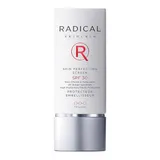
CliniqueEven Better Clinical Serum Foundation SPF 20 •YOUR PRODUCTLa Roche-PosayEffaclar Duo+ SPF 30SVRSEBIACLEAR Crème SPF50Radical SkincareUV Skin Perfecting Screen SPF 30
Match—60%60%51%
Price—$18.21$46.99$50.26
Shared key ingredients—3 of 263 of 266 of 26
Key difference—Capryloyl Salicylic AcidGluconolactoneAscorbyl Tetraisopalmitate
Irritancy Medium Medium Medium Low
SPFSPF 20SPF 30SPF 50SPF 30
Drying alcohol Contains drying alcohol Contains drying alcohol — Contains drying alcohol
View product Shop Shop Shop

More alternatives: SkinCeuticals Sheer Physical UV Defense SPF 50Heliocare 360 Pediatric Mineral SPF 50+

Cheaper alternatives? See how this stacks up against similar formulas.
We compare ingredient profiles across our catalog — pick the closest match for your budget.
Open dupe finder

Product summary

"Clinique - Even Better Clinical™ Serum Foundation SPF 20 •" offers broad spectrum protection. It means that it protects from both UVA and UVB rays (you can remember UVB as "burning" sunlight - they cause sunburn. You can remember UVA rays as "aging" - they do not lead to sunburn, but they cause photodamage and contribute to early signs of skin aging and hyperpigmentation). On the negative side, the SPF of this sunscreen is not high enough. We recommend to use a sunscreen with at least SPF 30 daily.

Because it includes good moisturizing ingredients, it can also work as a hydrating day cream.

Sunscreen filters

This is a "mixed" sunscreen in the sense that it uses both mineral and organic (so-called "chemical") sun filters. Here are the organic filters this product uses: butyloctyl salicylate. As for the mineral filters, this sunscreen uses both titanium dioxide and zinc oxide.

Irritation risk

This sunscreen contains some common irritants, including those without a benefit for the skin. We assess the overall irritancy of this product to be medium. For a detailed overview of all potential irritants: click here

You can see the detailed formula review with the breakdown of all actives in the product and the full ingredient list with estimated concentrations in the tables below.

Price

The product retails for 66.00A$ in Australia, for 36.97$ in the United States and for 29.95£ in the United Kingdom.

For a detailed price comparison: click here.

Sources cited in this review

Every concentration estimate and effectiveness label is anchored to one of these 38 studies and safety reviews.

  1. 1
  2. 2
  3. 3
  4. 4
  5. 5
  6. 6
Clinique Even Better Clinical Serum Foundation SPF 20 •
CliniqueEven Better Clinical Serum Foundation SPF 20 •

Affiliate links · As an Amazon Associate, WIMJ earns from qualifying purchases.

As an Amazon Associate, WIMJ earns from qualifying purchases.