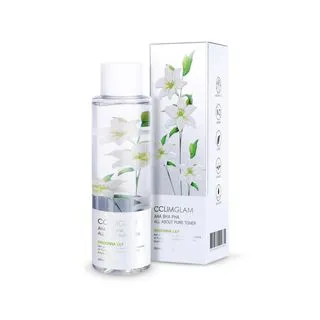
Works for
ExfoliationBetaine salicylate, Allantoin + 1 moreWorks well
“Enriched with AHA, BHA and PHA, this exfoliating toner sloughs off dead skin cells for a baby-soft finish.”
This product can help exfoliate the skin. In other words, it helps break down the bonds between dead cells on the surface of the skin and speed up the skin turnover. Skin often appears softer and brighter after exfoliation, but overdoing it can result in disrupted skin barrier. The following ingredient is doing the exfoliating job in this product: betaine salicylate.
MoisturizingSide benefit · Niacinamide, Panthenol + 20 moreWorks well
This product can help improve hydration of the skin with the two types of ingredients.
The first type is called “humectants”:
these ingredients help attract water.
When humectants are on the surface of the skin, they “pull in” the moisture from the outside environment, or from
within deeper layers of the skin. The following ingredients in this product do the job:
arginine, betaine.
This product also contains ingredients called “occlusives”. They help reduce the speed with which our skin loses moisture to the outside environment. These ingredients also help soften the upper layer of the skin, so it feels less tight and nicer to the touch. The following ingredients in this product do the job: arginine, hydrolyzed collagen.
The following ingredients in this product are especially good for supporting the skin barrier and helping with the hydration level: copper tripeptide-1, niacinamide, panthenol
Anti-blemishSide benefit · Niacinamide, Betaine salicylate + 4 moreWorks well
This product can help reduce breakouts and clogged pores because it contains the following ingredient: niacinamide. This ingredient is used for treating acne and can have a noticeable effect.
In addition, this product contains betaine salicylate. It can help in reducing blemishes, even though it is less effective.
Evens skin toneSide benefit · Niacinamide, Camellia sinensis leaf extract + 1 moreWorks well
This product can help reduce hypepigmentation and even out the skin tone because it contains the following effective ingredients: betaine salicylate, niacinamide
Keep in mind that you would need to apply any topical skincare targetted at hypigmentation consistently for a couple of months to get a result. No topical skincare product can help get rid of hyperpigmentation (including post-acne marks and age spots) instantly.
Anti-agingSide benefit · Niacinamide, Adenosine + 5 moreWorks well
This product can help reduce and prevent fine lines and wrinkles, improve skin elasticity and firmness because it contains adenosine, niacinamide.
These ingredients in the product can also be helpful, even though there is less evidence for their effectiveness: copper tripeptide-1.
Keep in mind that it typically takes at least 6 weeks to notice any results because the changes that are needed to improve fine lines and elasticity happen in the deeper layers of the skin. No topical anti-aging product can “erase” wrinkles or fully reverse signs of aging.
Anti-oxidationSide benefit · Camellia sinensis leaf extract, Beta-glucan + 5 moreMay help
This product contains antioxidants (camellia sinensis leaf extract) that can help neutralize free radicals in skin to lessen the damage it gets from the UV light (sun). There is some human evidence for this effect in skin, though it is smaller or less consistent than the evidence for the best antioxidants.
Can it cause trouble?
Irritancy7 strong irritants: Hamamelis virginiana extract, Carica papaya fruit extract + 5 more — patch-test recommendedHigh risk
ComedogenicClean of flagged comedogenic ingredientsNone flagged

User reviews
Be the first — your take helps the next person decide.
Ingredients
Filter by role to see what each ingredient is doing.
Lilium candidum flower water~22–33%
- Irritation risk
- Low
Butylene glycol~4.8–7.1%
- Irritation risk
- Low
Used to create a nice product texture and help delivery of other ingredients. Might be somewhat helpful in attracting water to the upper layer of the skin
More about Butylene glycolDipropylene glycol~4.5–6.7%
- Irritation risk
- Low
Helps to dissolve other ingredients in a formulation. Slows down the rate of product drying
More about Dipropylene glycolNiacinamide~3.6–5.4%
- Irritation risk
- Low
Is proven to be effective in reducing blemishes, evening out skin tone and helping to improve lines and wrinkles. It helps the skin to repair sun damage, calm down inflammation and keep maintain good levels of moisture. The concentration of about 2% is effective for supporting the skin barrier and evening out the skin tone. Concentration of 4-6% is better for helping with acne and balancing the sebum production
More about NiacinamideGlycerin~2.7–4%
- Irritation risk
- Low
One of the best moisturizing ingredients. Naturally present in skin. It attracts water to the upper layer of the skin working as a humectant
More about GlycerinMelaleuca alternifolia (tea tree) extract~2.1–3.2%
- Irritation risk
- Low
1,2-hexanediol~0.5–1.1%
Hydroxyethyl urea~1.2–1.8%
- Irritation risk
- Low
A synthetic humectant made from urea. It pulls water into the upper layer of the skin about as well as glycerin, but without glycerin's stickiness. Unlike urea, it has not been shown to exfoliate. Lab and animal tests suggest a low risk of irritation at the levels used in products.
More about Hydroxyethyl ureaPanthenol~0.95–1.45%
- Irritation risk
- Low
Helps attract water to the upper layer of the skin and can help improve skin barrier function
More about PanthenolCaprylyl/capryl glucoside~0.85–1.25%
- Irritation risk
- Medium
Helps oil and water mix together. Can be used as a cleansing agent
More about Caprylyl/capryl glucosideArginine~0.45–1%
- Irritation risk
- Low
An amino acid that is naturally present in skin and helps keep it hydrated. When used together with AHAs, it can reduce their irritating effect on the skin
More about ArginineEthylhexylglycerin~0.4–0.95%
Caprylyl glycol~0.4–1%
- Irritation risk
- Medium
Helps preserve products and creates a nice product texture
More about Caprylyl glycolBetaine~0.35–0.8%
- Irritation risk
- Low
Helps attract water to the upper layer of the skin and improves the product texture
More about BetaineCitric acid~0.35–0.75%
- Irritation risk
- Medium
Can work as an exfoliant but is typically used to adjust the product pH
More about Citric acidBeta-glucan~0.35–0.75%
- Irritation risk
- Low
Helps attract water to the upper layer of the skin, calm down inflammation and irritation, restore the barrier function and support wound healing. It can be helpful in reducing fine lines and wrinkles
More about Beta-glucanAdenosine~0.3–0.75%
- Irritation risk
- Low
Might help improve cell turnover and reduce inflammation in skin. One study shows that the ingredients might be able to help reduce dynamic wrinkles (for example, in the corners of the eyes or on the forehead)
More about AdenosineAllantoin~0.2–0.7%
- Irritation risk
- Low
Helps calm down inflammation in skin and can help reduce itching. Helps to repair the skin barrier and keep skin hydrated
More about AllantoinDisodium edta~0.2–0.7%
Olea europaea fruit oil~0.2–0.75%
- Irritation risk
- Medium
An emollient that helps soften the skin but is not effective for restoring its barrier function. Might be helpful to calm down inflammation
More about Olea europaea fruit oilHamamelis virginiana extract~0.15–0.65%
- Irritation risk
- High
A plant extract that can help calm down inflammation in skin. Can, however, itself be irritating
More about Hamamelis virginiana extractBetaine salicylate~0.15–0.6%
- Irritation risk
- Medium
Exfoliating acid, a "relative" of salicylic acid
More about Betaine salicylateGluconolactone~0.15–0.55%
- Irritation risk
- Medium
A polyhydroxy acid (PHA) that helps shed the dead cells from the skin surface revealing smoother skin. Is believed to be genter than AHAs. It helps attract water to the upper layer of the skin and can stimulate production of skin's own hyaluronic acid resulting in improved hydration levels. It has been shown to be helpful against acne and clogged pores if used consistently (e.g over a period of 12 weeks) in high enough concentration. It can help reduce fine lines and wrinkles and improve skin tone with long-term application. Can help neutralize free radicals
More about GluconolactoneHydrolyzed collagen~0.35–0.85%
- Irritation risk
- Low
A typically plant-derived compound that is supposed mimic human collagen. Cannot penetrate the skin barrier so is not particularly useful in skincare products beyond attracting water to the upper layer of the skin
More about Hydrolyzed collagenCarica papaya fruit extract~0.15–0.6%
- Irritation risk
- High
Copper tripeptide-1~0.15–0.6%
- Irritation risk
- Low
A naturally occurring peptide. One of the most studied peptides in dermatology. It is sometimes abbreviated GHK-Cu. Belongs to the class of carrier peptides. It stimulates both synthesis and breakdown of collagen in skin. It is released in skin wounds and inflammation to support healing. It accelerates wound-healing of the skin and can stimulate hair growth. There are preliminary studies that confirm that copper tripeptide can help support collagen production reducing fine lines and wrinkles and decrease inflammation in skin.
More about Copper tripeptide-1Lavandula angustifolia oil~0.15–0.55%
- Irritation risk
- High
An essential oil. Potential allergen and can be irritating. It has some anti-bacterial properties
More about Lavandula angustifolia oilSodium hyaluronate crosspolymer~0.15–0.6%
- Irritation risk
- Medium
Attracts water into the upper layer of the skin
More about Sodium hyaluronate crosspolymerSalvia officinalis leaf extract~0.2–0.7%
- Irritation risk
- High
Sage leaf extract. It can be irritating
More about Salvia officinalis leaf extractMyrothamnus flabellifolia leaf extract~0.2–0.75%
- Irritation risk
- Low
Camellia sinensis leaf extract~0.15–0.65%
- Irritation risk
- Low
Can contain potent anti-oxidant compounds (abbreviated ECG, GCG, EGC, and EGCG) that might help protect the skin from free radicals. Can help calm down inflammation and has some anti-bacterial properties. Unfortunately, these antioxidants are unstable and lose their effectiveness very quickly in products. The concentration of the antioxidant compounds in the extract also tends to be low to be effective in topical formulation
More about Camellia sinensis leaf extractHouttuynia cordata extract~0.15–0.6%
- Irritation risk
- Low
Portulaca oleracea extract~0.15–0.6%
- Irritation risk
- Medium
A plant extract that has some anti-oxidant activity, but solid research is lacking. Can help attract water to the upper layer of the skin
More about Portulaca oleracea extractHydrolyzed glycosaminoglycans~0.15–0.6%
- Irritation risk
- Low
Long sugars that help attract water to the upper layer of the skin
More about Hydrolyzed glycosaminoglycansPelargonium graveolens flower oil~0.15–0.55%
- Irritation risk
- High
An essential oil. Can be irritating. Can become an allergen with oxidation
More about Pelargonium graveolens flower oilSodium hyaluronate~0.1–0.45%
- Irritation risk
- Low
One of the best moisturizing ingredients. Attracts water into the upper layer of the skin
More about Sodium hyaluronateRosmarinus officinalis leaf oil~0.1–0.5%
- Irritation risk
- High
A plant oil with high content of volatile compounds that can irritate the skin. Can be used as a fragrance. Has anti-bacterial properties and might help neutralize free radicals on the surface of the skin
More about Rosmarinus officinalis leaf oilMelaleuca alternifolia leaf oil~0.1–0.4%
- Irritation risk
- High
An essential oil that can be irritating. Has some anti-bacterial properties
More about Melaleuca alternifolia leaf oilArtemisia vulgaris oil~0.1–0.35%
- Irritation risk
- Low
Hydrolyzed hyaluronic acid~0.1–0.3%
- Irritation risk
- Low
One of the best moisturizing ingredients. Attracts water into the upper layer of the skin. A version of it is naturally present in skin
More about Hydrolyzed hyaluronic acidHyaluronic acid~0.1–0.3%
- Irritation risk
- Low
One of the best moisturizing ingredients. Attracts water into the upper layer of the skin. Naturally present in skin. Typically has large molecule size unless advertised otherwise on the product label. Helps support skin's barrier function and may help to reduce inflammation
More about Hyaluronic acidIngredient list view
Lilium candidum flower water, Butylene glycol, Dipropylene glycol, Niacinamide, Glycerin, Melaleuca alternifolia (tea tree) extract, 1,2-hexanediol, Hydroxyethyl urea, Panthenol, Caprylyl/capryl glucoside, Arginine, Ethylhexylglycerin, Caprylyl glycol, Betaine, Citric acid, Beta-glucan, Adenosine, Allantoin, Disodium edta, Olea europaea fruit oil, Hamamelis virginiana extract, Betaine salicylate, Gluconolactone, Hydrolyzed collagen, Carica papaya fruit extract, Copper tripeptide-1, Lavandula angustifolia oil, Sodium hyaluronate crosspolymer, Salvia officinalis leaf extract, Myrothamnus flabellifolia leaf extract, Camellia sinensis leaf extract, Houttuynia cordata extract, Portulaca oleracea extract, Hydrolyzed glycosaminoglycans, Pelargonium graveolens flower oil, Sodium hyaluronate, Rosmarinus officinalis leaf oil, Melaleuca alternifolia leaf oil, Artemisia vulgaris oil, Hydrolyzed hyaluronic acid, Hyaluronic acid
Compare prices
Retailers ranked by price — lowest first.

Worth comparing, line by line.
Match % combines shared ingredients, the first five ingredients, shared actives and hero ingredients, irritancy (lower counts in the alternative's favour), texture and body area. Only products in the same routine step are compared.
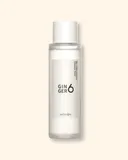
| CCLIMGLAMAHA BHA PHA All About Pure TonerYOUR PRODUCT | Ginger 6Like White Blossom Essence Toner | COSRX5 PDRN B5 Vital Soothing Toner | PYUNKANG YULBlack Tea Deep Infusion Toner | |
|---|---|---|---|---|
| Match | — | 85% | 84% | 84% |
| Price | — | $22.00 | $23.00 | $14.80 |
| Shared key ingredients | — | 9 of 20 | 12 of 20 | 9 of 20 |
| Key difference | — | Tripeptide-1 | Alpha-Arbutin | Madecassoside |
| Irritancy | High | Medium | Medium | Medium |
| Drying alcohol | — | — | — | — |
| View product | Shop | Shop | Shop |



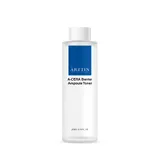
More alternatives: TOSOWOONG Ceramide TonerARZTIN A-Cera Barrier Ampoule Toner
Sources cited in this review
Every concentration estimate and effectiveness label is anchored to one of these 53 studies and safety reviews.
- 1
- 2
- 3
- 4
- 5
- 6Glycerin and hydroxyethyl urea: Comparing two skin moisturizers (Cosmetics & Toiletries 2004)cosmeticsandtoiletries.com

Affiliate links · As an Amazon Associate, WIMJ earns from qualifying purchases.