Works for:
based on ingredients and %- Anti-oxidation
- Anti-aging
- Moisturizing
Doesn't work for:
based on ingredients and %- Anti-blemish
Can it cause trouble?
- Irritation risk: medium
- Comedogenic risk ingredients: 0
Key actives

Anti-aging
This product contains adenosine triphosphate. This ingredient might be able to help reduce and prevent fine lines and wrinkles, improve skin elasticity and firmness, but there is not enough evidence that it actually works.
Might be helpful in restoring skin barrier function and, when combined with zinc carbonate and malonic acid, reducing fine lines and wrinkles by stimulating elastin production. Also helps stabilize the product formulation
Can contain potent anti-oxidant compounds (abbreviated ECG, GCG, EGC, and EGCG) that might help protect the skin from free radicals. Can help calm down inflammation and has some anti-bacterial properties. Unfortunately, these antioxidants are unstable and lose their effectiveness very quickly in products. The concentration of the antioxidant compounds in the extract also tends to be low to be effective in topical formulation
One of the best moisturizing ingredients. Attracts water into the upper layer of the skin. Naturally present in skin. Typically has large molecule size unless advertised otherwise on the product label. Helps support skin's barrier function and may help to reduce inflammation
An exfoliating and moisturizing alpha-hydroxy acid (AHA). Typically causes less irritation than other AHAs, for example, glycolic acid. At high concentrations (about 15%), lactic acid can help reduce lines and wrinkles. Recent studies show that lactic acid can support the "good" bacteria living on skin's surface (healthy skin microbiome)
Might be helpful against blemishes, work as an anti-oxidant, reduce inflammation and improve skin's ability to hold on to moisture, but more research is needed to confirm its effectiveness when applied topically to human skin
Pure form of vitamin E. Can help moisturise and protect the skin from free radicals. Often used to help stabilise other ingredients or the formula itself
Anti-oxidation
This product contains antioxidants (camellia sinensis leaf extract) that might be able to help neutralize free radicals in skin to lessen the damage it gets from the UV light (sun). There is not enough evidence to confirm their effectiveness in skin though.
Can contain potent anti-oxidant compounds (abbreviated ECG, GCG, EGC, and EGCG) that might help protect the skin from free radicals. Can help calm down inflammation and has some anti-bacterial properties. Unfortunately, these antioxidants are unstable and lose their effectiveness very quickly in products. The concentration of the antioxidant compounds in the extract also tends to be low to be effective in topical formulation
An emollient that helps soften the skin and might help calm down inflammation
A great emollient that can also have anti-oxidant properties
Pure form of vitamin E. Can help moisturise and protect the skin from free radicals. Often used to help stabilise other ingredients or the formula itself
Might be helpful against blemishes, work as an anti-oxidant, reduce inflammation and improve skin's ability to hold on to moisture, but more research is needed to confirm its effectiveness when applied topically to human skin
An active component of chamomile plant that historically has been used to calm down irritated skin. A recent study shows that bisabolol indeed can have some anti-inflammatory effect on skin, even though conclusive data is lacking. Bisabolol has a sweet floral scent and can be added to products for its aromatic properties
Can be helpful in reducing inflammation in skin, including inflamed acne. It can be irritating
A more stable but less bio-available form of vitamin E compared to Tocopherol. Might help moisturize and protect the skin from free radicals, but mostly used in low concentrations to stabilize other ingredients.
An emollient that helps soften the upper layer of the skin. Might have some weak anti-oxidant properties
Moisturizing
This product can help improve hydration of the skin with the two types of ingredients.
The first type is called “humectants”:
these ingredients help attract water.
When humectants are on the surface of the skin, they “pull in” the moisture from the outside environment, or from
within deeper layers of the skin. The following ingredients in this product do the job:
glycerin, hyaluronic acid.
This product also contains ingredients called “occlusives”. They help reduce the speed with which our skin loses moisture to the outside environment. These ingredients also help soften the upper layer of the skin, so it feels less tight and nicer to the touch. The following ingredients in this product do the job: helianthus annuus seed oil, beta-sitosterol.
One of the best moisturizing ingredients. Naturally present in skin. It attracts water to the upper layer of the skin working as a humectant
A good moisturizing plant oil. Due to the high linoleic acid content, it helps soften the upper layer of the skin, reduce water loss and support skin barrier function
One of the best moisturizing ingredients. Attracts water into the upper layer of the skin. Naturally present in skin. Typically has large molecule size unless advertised otherwise on the product label. Helps support skin's barrier function and may help to reduce inflammation
A great emollient due to its high linoleic acid content. One of the most effective plant oils in helping skin hydration and repairing skin barrier function
A phytosterol that can support skin's barrier function and help the skin stay hydrated
A great emollient that can also have anti-oxidant properties
An emollient that helps soften the skin and might help calm down inflammation
Help attract water to the upper layer of the skin, soften it and support the skin barrier function
A typically plant-derived compound that is supposed mimic human collagen. Cannot penetrate the skin barrier so is not particularly useful in skincare products beyond attracting water to the upper layer of the skin
An emollient that helps soften the skin but is not effective for restoring its barrier function. Might be helpful to calm down inflammation
A non-drying alcohol that works to soften the skin and stabilize product formulations helping oil and water mix together
Helps oil and water mix together and can enhance the penetration of other ingredients into the skin. It can be irritating
Helps oil and water mix together and works as an emollient
Used to create a nice product texture and help delivery of other ingredients. Might be somewhat helpful in attracting water to the upper layer of the skin
Helps preserve products and creates a nice product texture
An emollient that softens the skin and forms a protective layer on its surface. Helps water and oil mix together
Can contain potent anti-oxidant compounds (abbreviated ECG, GCG, EGC, and EGCG) that might help protect the skin from free radicals. Can help calm down inflammation and has some anti-bacterial properties. Unfortunately, these antioxidants are unstable and lose their effectiveness very quickly in products. The concentration of the antioxidant compounds in the extract also tends to be low to be effective in topical formulation
An emollient that helps soften the upper layer of the skin. Might have some weak anti-oxidant properties
Helps calm down inflammation in skin and can help reduce itching. Helps to repair the skin barrier and keep skin hydrated
An exfoliating and moisturizing alpha-hydroxy acid (AHA). Typically causes less irritation than other AHAs, for example, glycolic acid. At high concentrations (about 15%), lactic acid can help reduce lines and wrinkles. Recent studies show that lactic acid can support the "good" bacteria living on skin's surface (healthy skin microbiome)
Might be helpful against blemishes, work as an anti-oxidant, reduce inflammation and improve skin's ability to hold on to moisture, but more research is needed to confirm its effectiveness when applied topically to human skin
Pure form of vitamin E. Can help moisturise and protect the skin from free radicals. Often used to help stabilise other ingredients or the formula itself
Anti-blemish
What does the product description say?
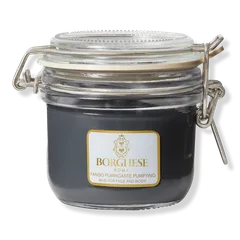
A deeply purifying mud that reduces excess oil and impurities while balancing and calming skin to prevent blemishes without over drying.
Source: Ulta
Effective ingredients missing or their concentration is too low.
A type of clay that consists mainly of aluminum silicate. Helps absorb oil and creates a thicker product consistency. Can be used to add a white color
Can contain potent anti-oxidant compounds (abbreviated ECG, GCG, EGC, and EGCG) that might help protect the skin from free radicals. Can help calm down inflammation and has some anti-bacterial properties. Unfortunately, these antioxidants are unstable and lose their effectiveness very quickly in products. The concentration of the antioxidant compounds in the extract also tends to be low to be effective in topical formulation
Helps stabilize the product formulation
Can be helpful in reducing inflammation in skin, including inflamed acne. It can be irritating
Might be helpful against blemishes, work as an anti-oxidant, reduce inflammation and improve skin's ability to hold on to moisture, but more research is needed to confirm its effectiveness when applied topically to human skin
Helps calm down inflammation in skin and can help reduce itching. Helps to repair the skin barrier and keep skin hydrated
How honest is this product?
| Promise | Can it deliver? |
|---|---|
| Anti-blemish |
Total Promises Fulfilled score: 0/100.
We receive a small commission for purchases made through these links at no cost for you. Thank you for your support! Learn more
Potential irritants
Comedogenic ingredients
No comedogenic ingredients detected
User reviews (0)
Averages from community submissions.
No reviews yet for this product.
Be the first to share your experience!
Tried this product?
Help capture what the ingredient list can't—texture, finish, pilling, scent, and more. Answer what you can, skip the rest.
Takes ~30 seconds.
Reviews are shown in aggregate. No personal details.
| Product | Similarity | Price | Irritancy |
|---|---|---|---|
 Borghese Fango Purificante Purifying Mud for Face and Body | Current | $49.30 | |
 endota spa Clarifying Detox Mask | 35% | ≈ $45.39 | |
 Bondi Sands Bondi Babe Clay Mask | 34% | ≈ $12.06 | |
 Osmosis +Beauty Barrier Repair Mask | 34% | - | |
 Seoul Ceuticals Ultra Glow Green Tea Mask | 33% | $18.99 | |
 Ahava Purifying Mud Mask | 33% | ≈ $10.13 |
Key Actives
Can contain potent anti-oxidant compounds (abbreviated ECG, GCG, EGC, and EGCG) that might help protect the skin from free radicals. Can help calm down inflammation and has some anti-bacterial properties. Unfortunately, these antioxidants are unstable and lose their effectiveness very quickly in products. The concentration of the antioxidant compounds in the extract also tends to be low to be effective in topical formulation
Helps calm down inflammation in skin and can help reduce itching. Helps to repair the skin barrier and keep skin hydrated
Might be helpful against blemishes, work as an anti-oxidant, reduce inflammation and improve skin's ability to hold on to moisture, but more research is needed to confirm its effectiveness when applied topically to human skin
Can be helpful in reducing inflammation in skin, including inflamed acne. It can be irritating
An active component of chamomile plant that historically has been used to calm down irritated skin. A recent study shows that bisabolol indeed can have some anti-inflammatory effect on skin, even though conclusive data is lacking. Bisabolol has a sweet floral scent and can be added to products for its aromatic properties
One of the best moisturizing ingredients. Attracts water into the upper layer of the skin. Naturally present in skin. Typically has large molecule size unless advertised otherwise on the product label. Helps support skin's barrier function and may help to reduce inflammation
A type of clay that consists mainly of aluminum silicate. Helps absorb oil and creates a thicker product consistency. Can be used to add a white color
An emollient that helps soften the skin and might help calm down inflammation
An emollient that helps soften the upper layer of the skin. Might have some weak anti-oxidant properties
A great emollient that can also have anti-oxidant properties
A great emollient due to its high linoleic acid content. One of the most effective plant oils in helping skin hydration and repairing skin barrier function
One of the best moisturizing ingredients. Naturally present in skin. It attracts water to the upper layer of the skin working as a humectant
A good moisturizing plant oil. Due to the high linoleic acid content, it helps soften the upper layer of the skin, reduce water loss and support skin barrier function
A phytosterol that can support skin's barrier function and help the skin stay hydrated
A broad spectrum sunblock (protects from both UVA and UVB rays). Is suitable for most sensitive skins. In small concentrations, can be used as a colorant
A typically plant-derived compound that is supposed mimic human collagen. Cannot penetrate the skin barrier so is not particularly useful in skincare products beyond attracting water to the upper layer of the skin
Help attract water to the upper layer of the skin, soften it and support the skin barrier function
Works as a UV filter when used in high concentrations. It is photostable and is effective mostly against the UVB light, with some protection in the UVA range. In small concentrations, used for its ability to improve the color of cosmetic products. Is usually well tolerated by the skin
Potential irritants
Can be helpful in reducing inflammation in skin, including inflamed acne. It can be irritating
A plant extract that one one hand, can contain compounds that can help calm down skin irritation, but, on the other hand, its other compounds (especially fragrant ones) can themselves be irritating
An aromatic blend of unspecified and possibly irritating ingredients
Helps oil and water mix together and can enhance the penetration of other ingredients into the skin. It can be irritating
An emollient that helps soften the upper layer of the skin. Might have some weak anti-oxidant properties
An emollient that helps soften the skin but is not effective for restoring its barrier function. Might be helpful to calm down inflammation
A great emollient that can also have anti-oxidant properties
A plant extract that might help calm down inflammation in skin but evidence of effectiveness is lacking
A more stable but less bio-available form of vitamin E compared to Tocopherol. Might help moisturize and protect the skin from free radicals, but mostly used in low concentrations to stabilize other ingredients.
Used to stabilize the formula of product formulation. Might be helpful in neutralizing free radicals in skin
An exfoliating and moisturizing alpha-hydroxy acid (AHA). Typically causes less irritation than other AHAs, for example, glycolic acid. At high concentrations (about 15%), lactic acid can help reduce lines and wrinkles. Recent studies show that lactic acid can support the "good" bacteria living on skin's surface (healthy skin microbiome)
Used to thicken the product formulation and might help to add minerals to the surface of the skin. It is used in scrubs as a physical exfoliant. Can increase sensitivity to other ingredients if left on the skin or used in high concentration
Used to improve the product consistency and stabilize formulations
Helps preserve products and creates a nice product texture
Can work as an exfoliant but is typically used to adjust the product pH
Used to adjust pH of the product and can help improve the product's smell
Comedogenic ingredients
We couldn't find any comedogenic ingredients in this product
All ingredients
A type of clay that consists mainly of aluminum silicate. Helps absorb oil and creates a thicker product consistency. Can be used to add a white color
A non-drying alcohol that works to soften the skin and stabilize product formulations helping oil and water mix together
A great emollient due to its high linoleic acid content. One of the most effective plant oils in helping skin hydration and repairing skin barrier function
An emollient that softens the skin and forms a protective layer on its surface. Helps water and oil mix together
One of the best moisturizing ingredients. Naturally present in skin. It attracts water to the upper layer of the skin working as a humectant
Might be helpful in restoring skin barrier function and, when combined with zinc carbonate and malonic acid, reducing fine lines and wrinkles by stimulating elastin production. Also helps stabilize the product formulation
An emollient that helps soften the skin and might help calm down inflammation
A good moisturizing plant oil. Due to the high linoleic acid content, it helps soften the upper layer of the skin, reduce water loss and support skin barrier function
An emollient that helps soften the upper layer of the skin. Might have some weak anti-oxidant properties
An emollient that helps soften the skin but is not effective for restoring its barrier function. Might be helpful to calm down inflammation
A great emollient that can also have anti-oxidant properties
Can contain potent anti-oxidant compounds (abbreviated ECG, GCG, EGC, and EGCG) that might help protect the skin from free radicals. Can help calm down inflammation and has some anti-bacterial properties. Unfortunately, these antioxidants are unstable and lose their effectiveness very quickly in products. The concentration of the antioxidant compounds in the extract also tends to be low to be effective in topical formulation
A plant extract that might help calm down inflammation in skin but evidence of effectiveness is lacking
Can be helpful in reducing inflammation in skin, including inflamed acne. It can be irritating
A plant extract that one one hand, can contain compounds that can help calm down skin irritation, but, on the other hand, its other compounds (especially fragrant ones) can themselves be irritating
A more stable but less bio-available form of vitamin E compared to Tocopherol. Might help moisturize and protect the skin from free radicals, but mostly used in low concentrations to stabilize other ingredients.
An active component of chamomile plant that historically has been used to calm down irritated skin. A recent study shows that bisabolol indeed can have some anti-inflammatory effect on skin, even though conclusive data is lacking. Bisabolol has a sweet floral scent and can be added to products for its aromatic properties
A phytosterol that can support skin's barrier function and help the skin stay hydrated
Used to stabilize the formula of product formulation. Might be helpful in neutralizing free radicals in skin
Might be helpful against blemishes, work as an anti-oxidant, reduce inflammation and improve skin's ability to hold on to moisture, but more research is needed to confirm its effectiveness when applied topically to human skin
A broad spectrum sunblock (protects from both UVA and UVB rays). Is suitable for most sensitive skins. In small concentrations, can be used as a colorant
Used to create a nice product texture and help delivery of other ingredients. Might be somewhat helpful in attracting water to the upper layer of the skin
An aromatic blend of unspecified and possibly irritating ingredients
An exfoliating and moisturizing alpha-hydroxy acid (AHA). Typically causes less irritation than other AHAs, for example, glycolic acid. At high concentrations (about 15%), lactic acid can help reduce lines and wrinkles. Recent studies show that lactic acid can support the "good" bacteria living on skin's surface (healthy skin microbiome)
A typically plant-derived compound that is supposed mimic human collagen. Cannot penetrate the skin barrier so is not particularly useful in skincare products beyond attracting water to the upper layer of the skin
One of the best moisturizing ingredients. Attracts water into the upper layer of the skin. Naturally present in skin. Typically has large molecule size unless advertised otherwise on the product label. Helps support skin's barrier function and may help to reduce inflammation
Helps oil and water mix together and can enhance the penetration of other ingredients into the skin. It can be irritating
Help attract water to the upper layer of the skin, soften it and support the skin barrier function
Used to thicken the product formulation and might help to add minerals to the surface of the skin. It is used in scrubs as a physical exfoliant. Can increase sensitivity to other ingredients if left on the skin or used in high concentration
Used to improve the product consistency and stabilize formulations
Used to stabilize mixtures of oil and water, and create thicker, gel-like product textures
A preservative. It helps prevent bacterial growth in cosmetic products
Helps calm down inflammation in skin and can help reduce itching. Helps to repair the skin barrier and keep skin hydrated
Helps create a thicker or gel-like product texture. It is not a surfactant but can be used in gentle cleansing formulations
Helps preserve products and creates a nice product texture
Can work as an exfoliant but is typically used to adjust the product pH
Used to adjust pH of the product and can help improve the product's smell
Works as a UV filter when used in high concentrations. It is photostable and is effective mostly against the UVB light, with some protection in the UVA range. In small concentrations, used for its ability to improve the color of cosmetic products. Is usually well tolerated by the skin
Pure form of vitamin E. Can help moisturise and protect the skin from free radicals. Often used to help stabilise other ingredients or the formula itself
Ingredient list view
Water, Kaolin, Cetyl alcohol, Helianthus annuus seed oil, Glyceryl stearate, Stearic acid, Glycerin, Magnesium aluminum silicate, Ci 77499, Bentonite, Carthamus tinctorius seed oil, Sesamum indicum seed oil, Argania spinosa kernel oil, Olea europaea fruit oil, Vitis vinifera seed oil, Camellia sinensis leaf extract, Serenoa serrulata fruit extract, Rosmarinus officinalis leaf extract, Anthemis nobilis flower extract, Diatomaceous earth, Tocopheryl acetate, Bisabolol, Beta-sitosterol, Nordihydroguaiaretic acid, Oleanolic acid, Peg-60 almond glycerides, Zinc oxide, Butylene glycol, Parfum, Lactic acid, Hydrolyzed collagen, Hyaluronic acid, Propylene glycol, Collagen amino acids, Adenosine triphosphate, Maris sal, Sodium sulfate, Sodium chloride, Sodium carbonate, Potassium chloride, Phenoxyethanol, Allantoin, Carbomer, Caprylyl glycol, Citric acid, Disodium edta, Triethanolamine, Chlorphenesin, Potassium sorbate, Sodium benzoate, Titanium dioxide, Tocopherol, Sodium metabisulfite, Quartz
- Effect of Olive and Sunflower Seed Oil on the Adult Skin Barrier: Implications for Neonatal Skin Care
- Topically Applied Sunflower Seed Oil Prevents Invasive Bacterial Infections in Preterm Infants in Egypt
- Effect of topically applied lipids on surfactant-irritated skin
- Impact of topical oils on the skin barrier: possible implications for neonatal health in developing countries
- Glycerol and the skin: holistic approach to its origin and functions
- Final report on the safety assessment of aluminum silicate, calcium silicate, magnesium aluminum silicate, magnesium silicate, magnesium trisilicate, sodium magnesium silicate, zirconium silicate, attapulgite, bentonite, Fuller's earth, hectorite, kaolin, lithium magnesium silicate, lithium magnesium sodium silicate, montmorillonite, pyrophyllite, and zeolite
- Extracellular matrix in cutaneous ageing: the effects of 0.1% copper-zinc malonate-containing cream on elastin biosynthesis
- Protein and oil composition of sesame seeds (Sesamum indicum, L.) grown in the Gizan area of Saudi Arabia
- Triglyceride composition of Sesamum indicum seed oil
- Seed oil content and fatty acid composition in East African sesame (Sesamum indicum L.) accessions evaluated over 3 years
- Natural vegetable fats in the prevention of irritant contact dermatitis
- Use of “natural” oils for moisturization: Review of olive, coconut, and sunflower seed oil
- Saw palmetto extract: A dermatologist's perspective
- Allergic contact dermatitis induced by rosemary leaf extract in a cleansing gel
- Safety Assessment of Rosmarinus officinalis (Rosemary)-Derived Ingredients as Used in Cosmetics
- Rosmarinus officinalis Extract Suppresses Propionibacterium acnes–Induced Inflammatory Responses
- α-(-)-Bisabolol Reduces Pro-Inflammatory Cytokine Production and Ameliorates Skin Inflammation
- Safety Assessment of Phytosterols as Used in Cosmetics
- The Ameliorative Effect of β-sitosterol on DNCB-induced Atopic Dermatitis in Mice
- Nordihydroguaiaretic acid, an inhibitor of lipoxygenase, also inhibits cytochrome P-450-mediated monooxygenase activity in rat epidermal and hepatic microsomes.
- Antimutagenic and antitumorigenic activities of nordihydroguaiaretic acid
- Estrogenic activity of an antioxidant, nordihydroguaiaretic acid (NDGA)
- Molecular mechanisms and clinical applications of nordihydroguaiaretic acid (NDGA) and its derivatives: An update
- Effectiveness of the formulation that containing oleanolic acid 3% on inhibition of 5-α reductase activity on skin of patients with acne
- The effect of ursolic and oleanolic acids on human skin fibroblast cells
- A review of inorganic UV filters zinc oxide and titanium dioxide
- Risk assessment of zinc oxide, a cosmetic ingredient used as a UV filter of sunscreens
- Characterization of the UVA protection provided by avobenzone, zinc oxide, and titanium dioxide in broad-spectrum sunscreen products
- Ultraviolet Protection Properties of Commercial Sunscreens and Sunscreens Containing Zno Nanorods
- ZnO nanoparticles and organic chemical UV-filters are equally well tolerated by human immune cells
- Epidermal and dermal effects of topical lactic acid
- Dual Effects of Alpha-Hydroxy Acids on the Skin
- Efficacy of a New Topical Nano-hyaluronic Acid in Humans
- Physiochemical properties and application of hyaluronic acid: a systematic review
- Surfactants and experimental irritant contact dermatitis
- Propylene Glycol
- Skin-sensitizing and irritant properties of propylene glycol
- Amended Safety Assessment of Sodium Sulfate as Used in Cosmetics
- Profile of wound healing process induced by allantoin
- Vitamin E in dermatology
- Vitamin E and Skin Health
- Final report on the safety assessment of sodium sulfite, potassium sulfite, ammonium sulfite, sodium bisulfite, ammonium bisulfite, sodium metabisulfite and potassium metabisulfite