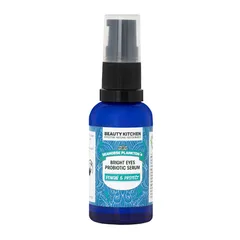
Works for:
based on ingredients and %- Moisturizing
- Anti-oxidation
Doesn't work for:
based on ingredients and %- Anti-aging
- Evens skin tone
Can it cause trouble?
- Irritation risk: medium
- Comedogenic risk ingredients: 6
Key actives
Anti-oxidation
This product contains antioxidants (punica granatum extract) that might be able to help neutralize free radicals in skin to lessen the damage it gets from the UV light (sun). There is not enough evidence to confirm their effectiveness in skin though.
A plant extract that can help neutralize free radicals in skin and even out the skin tone, but is typically used in products in a concentration that is too low to be effective
A great moisturising ingredient that softens the skin and reduces water loss from its upper layer. It also can be helpful in protecting skin from free radicals
A fermentation product created by bacteria Lactobacillus. The fermented product has anti-bacterial properties and might be helpful in calming down inflammation, but studies are lacking. Helps attract water to the upper layer of the skin. Can be used as a preservative
Might be helpful in neutralizing free radicals. Can have a dehydration effect that might somewhat decrease the look of puffy eyes
An emollient that softens the skin
Pure form of vitamin E. Can help moisturise and protect the skin from free radicals. Often used to help stabilise other ingredients or the formula itself
Can contain potent anti-oxidant compounds (abbreviated ECG, GCG, EGC, and EGCG) that might help protect the skin from free radicals. Can help calm down inflammation and has some anti-bacterial properties. Unfortunately, these antioxidants are unstable and lose their effectiveness very quickly in products. The concentration of the antioxidant compounds in the extract also tends to be low to be effective in topical formulation
A polyhydroxy acid (PHA) that helps shed the dead cells from the skin surface revealing smoother skin. Is believed to be genter than AHAs. It helps attract water to the upper layer of the skin and can stimulate production of skin's own hyaluronic acid resulting in improved hydration levels. It has been shown to be helpful against acne and clogged pores if used consistently (e.g over a period of 12 weeks) in high enough concentration. It can help reduce fine lines and wrinkles and improve skin tone with long-term application. Can help neutralize free radicals
Seaweed extract that helps the skin to attract water and make it more smooth for touch. Also shows promise of anti-aging properties, but good research is lacking at the moment
Moisturizing
What does the product description say?
Contains 2 probiotics that actively lift and brighten skin for younger looking eyes. . Made with microalgae that’s scientifically proven to increase collagen levels to reduce the appearance of fine lines and wrinkles. . Hydrates and plumps skin. . Protects your skin from up to 70% of indoor and outdoor pollution. . Evens skin tone and reduces the appearance of dark circles. .
Source: Feelunique
This product can help improve hydration of the skin with the two types of ingredients.
The first type is called “humectants”:
these ingredients help attract water.
When humectants are on the surface of the skin, they “pull in” the moisture from the outside environment, or from
within deeper layers of the skin. The following ingredients in this product do the job:
cylindrotheca fusiformis extract, glycerin.
This product also contains ingredients called “occlusives”. They help reduce the speed with which our skin loses moisture to the outside environment. These ingredients also help soften the upper layer of the skin, so it feels less tight and nicer to the touch. The following ingredients in this product do the job: butyrospermum parkii butter, caprylic/capric triglyceride.
Red algae extract that helps attract water to the upper layer of the skin and create a nicer product consistency
A good mix of fatty acids that forms a protective layer on the skin. Improves the shelf life of products. Derived from coconut and glycerin
A fermentation product created by bacteria Lactobacillus. The fermented product has anti-bacterial properties and might be helpful in calming down inflammation, but studies are lacking. Helps attract water to the upper layer of the skin. Can be used as a preservative
A blue-colored ingredient that is traditionally used as a colorant. It has anti-inflammatory properties. For example, it is successfully used to treat diaper rash for new borns. It can help support the skin barrier by reducing inflammation
A great moisturising ingredient that softens the skin and reduces water loss from its upper layer. It also can be helpful in protecting skin from free radicals
One of the best moisturizing ingredients. Naturally present in skin. It attracts water to the upper layer of the skin working as a humectant
Helps skin moisturization by attracting water to the upper layer of the skin. Might have some anti-oxidant properties but research confirming effectiveness in skin is lacking
A "broth" with parts of dead cells of lactobacteria. Might be helpful supporting diverse microbiome in skin, but evidence is lacking
An emollient that softens the skin
A non-drying alcohol. Works as an emollient. Helps water and oil mix together and creates a nice product texture
Helps attract water to the upper layer of the skin and helps to improve appearance of the product
An emollient that softens the skin and forms a protective layer on its surface. Helps water and oil mix together
Used as a fragrance. Can be irritating
A polyhydroxy acid (PHA) that helps shed the dead cells from the skin surface revealing smoother skin. Is believed to be genter than AHAs. It helps attract water to the upper layer of the skin and can stimulate production of skin's own hyaluronic acid resulting in improved hydration levels. It has been shown to be helpful against acne and clogged pores if used consistently (e.g over a period of 12 weeks) in high enough concentration. It can help reduce fine lines and wrinkles and improve skin tone with long-term application. Can help neutralize free radicals
Seaweed extract that helps the skin to attract water and make it more smooth for touch. Also shows promise of anti-aging properties, but good research is lacking at the moment
An emollient that softens skin and creates a nice product texture
Pure form of vitamin E. Can help moisturise and protect the skin from free radicals. Often used to help stabilise other ingredients or the formula itself
Can contain potent anti-oxidant compounds (abbreviated ECG, GCG, EGC, and EGCG) that might help protect the skin from free radicals. Can help calm down inflammation and has some anti-bacterial properties. Unfortunately, these antioxidants are unstable and lose their effectiveness very quickly in products. The concentration of the antioxidant compounds in the extract also tends to be low to be effective in topical formulation
Anti-aging
What does the product description say?
This advanced eye serum, made with Beauty Kitchen's unique complex of marine extracts, boosts collagen production, reduces the appearance of fine lines and wrinkles and lightens the appearance of dark circles.
Source: Feelunique
This product does not contain ingredients that are able to reduce fine lines and wrinkles or help with skin elasticity, but it can improve the look of the skin temporarily through moisturization. Well-moisturized skin might also be able to repair the sun damage better.This ingredient - butyrospermum parkii butter - could be helpful for preventing or repairing signs of aging in theory, but there is no evidence that it actually works.
This ingredient punica granatum extract might be able to help neutralize free radicals in skin and help it fight off some of the sun damage.
A great moisturising ingredient that softens the skin and reduces water loss from its upper layer. It also can be helpful in protecting skin from free radicals
An emollient that softens the skin
A polyhydroxy acid (PHA) that helps shed the dead cells from the skin surface revealing smoother skin. Is believed to be genter than AHAs. It helps attract water to the upper layer of the skin and can stimulate production of skin's own hyaluronic acid resulting in improved hydration levels. It has been shown to be helpful against acne and clogged pores if used consistently (e.g over a period of 12 weeks) in high enough concentration. It can help reduce fine lines and wrinkles and improve skin tone with long-term application. Can help neutralize free radicals
Pure form of vitamin E. Can help moisturise and protect the skin from free radicals. Often used to help stabilise other ingredients or the formula itself
Can contain potent anti-oxidant compounds (abbreviated ECG, GCG, EGC, and EGCG) that might help protect the skin from free radicals. Can help calm down inflammation and has some anti-bacterial properties. Unfortunately, these antioxidants are unstable and lose their effectiveness very quickly in products. The concentration of the antioxidant compounds in the extract also tends to be low to be effective in topical formulation
Seaweed extract that helps the skin to attract water and make it more smooth for touch. Also shows promise of anti-aging properties, but good research is lacking at the moment
Evens skin tone
What does the product description say?
Contains 2 probiotics that actively lift and brighten skin for younger looking eyes. . Made with microalgae that’s scientifically proven to increase collagen levels to reduce the appearance of fine lines and wrinkles. . Hydrates and plumps skin. . Protects your skin from up to 70% of indoor and outdoor pollution. . Evens skin tone and reduces the appearance of dark circles. .
Source: Feelunique
This product contains ingredients (punica granatum extract) that could help reduce hyperpigmentation (for example, post-acne marks or age spots) in theory, but there is not enough evidence that they actually work.
A plant extract that can help neutralize free radicals in skin and even out the skin tone, but is typically used in products in a concentration that is too low to be effective
A polyhydroxy acid (PHA) that helps shed the dead cells from the skin surface revealing smoother skin. Is believed to be genter than AHAs. It helps attract water to the upper layer of the skin and can stimulate production of skin's own hyaluronic acid resulting in improved hydration levels. It has been shown to be helpful against acne and clogged pores if used consistently (e.g over a period of 12 weeks) in high enough concentration. It can help reduce fine lines and wrinkles and improve skin tone with long-term application. Can help neutralize free radicals
Can contain potent anti-oxidant compounds (abbreviated ECG, GCG, EGC, and EGCG) that might help protect the skin from free radicals. Can help calm down inflammation and has some anti-bacterial properties. Unfortunately, these antioxidants are unstable and lose their effectiveness very quickly in products. The concentration of the antioxidant compounds in the extract also tends to be low to be effective in topical formulation
How honest is this product?
| Promise | Can it deliver? |
|---|---|
| Moisturizing | |
| Anti-aging | |
| Evens skin tone |
Total Promises Fulfilled score: 58/100.
We receive a small commission for purchases made through these links at no cost for you. Thank you for your support! Learn more
Affiliate link · supports WIMJ at no cost to you
Potential irritants
Comedogenic ingredients
User reviews (0)
Averages from community submissions.
No reviews yet for this product.
Be the first to share your experience!
Tried this product?
Help capture what the ingredient list can't—texture, finish, pilling, scent, and more. Answer what you can, skip the rest.
Takes ~30 seconds.
Reviews are shown in aggregate. No personal details.
| Product | Similarity | Price | Irritancy |
|---|---|---|---|
 Beauty Kitchen Seahorse Plankton+ Bright Eyes Probiotic Serum | Current | - | |
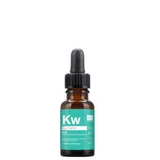 Dr. Botanicals Kiwi Superfood Cooling Eye Serum | 46% | $16.99 | |
 Estelle and Thild Estelle Thild Super BioActive Lifting Eye Serum | 44% | - | |
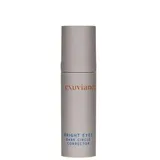 Exuviance Eye Treatments Bright Eyes Dark Circle Corrector | 43% | - | |
 Physicians Formula 24-Karat Gold Collagen Lip Serum | 38% | - | |
 Coola Gradual Sunless Tan Luminizing Body Serum | 37% | $48.00 |
Key Actives
Can contain potent anti-oxidant compounds (abbreviated ECG, GCG, EGC, and EGCG) that might help protect the skin from free radicals. Can help calm down inflammation and has some anti-bacterial properties. Unfortunately, these antioxidants are unstable and lose their effectiveness very quickly in products. The concentration of the antioxidant compounds in the extract also tends to be low to be effective in topical formulation
A polyhydroxy acid (PHA) that helps shed the dead cells from the skin surface revealing smoother skin. Is believed to be genter than AHAs. It helps attract water to the upper layer of the skin and can stimulate production of skin's own hyaluronic acid resulting in improved hydration levels. It has been shown to be helpful against acne and clogged pores if used consistently (e.g over a period of 12 weeks) in high enough concentration. It can help reduce fine lines and wrinkles and improve skin tone with long-term application. Can help neutralize free radicals
A fermentation product created by bacteria Lactobacillus. The fermented product has anti-bacterial properties and might be helpful in calming down inflammation, but studies are lacking. Helps attract water to the upper layer of the skin. Can be used as a preservative
Pure form of vitamin E. Can help moisturise and protect the skin from free radicals. Often used to help stabilise other ingredients or the formula itself
A great moisturising ingredient that softens the skin and reduces water loss from its upper layer. It also can be helpful in protecting skin from free radicals
Might be helpful in neutralizing free radicals. Can have a dehydration effect that might somewhat decrease the look of puffy eyes
A plant extract that can help neutralize free radicals in skin and even out the skin tone, but is typically used in products in a concentration that is too low to be effective
A good mix of fatty acids that forms a protective layer on the skin. Improves the shelf life of products. Derived from coconut and glycerin
One of the best moisturizing ingredients. Naturally present in skin. It attracts water to the upper layer of the skin working as a humectant
Helps skin moisturization by attracting water to the upper layer of the skin. Might have some anti-oxidant properties but research confirming effectiveness in skin is lacking
A blue-colored ingredient that is traditionally used as a colorant. It has anti-inflammatory properties. For example, it is successfully used to treat diaper rash for new borns. It can help support the skin barrier by reducing inflammation
Red algae extract that helps attract water to the upper layer of the skin and create a nicer product consistency
Potential irritants
A plant extract that one one hand, can contain compounds that can help calm down skin irritation, but, on the other hand, its other compounds (especially fragrant ones) can themselves be irritating
A preservative. Can be used to mask unpleasant smell. Can be irritating
A good mix of fatty acids that forms a protective layer on the skin. Improves the shelf life of products. Derived from coconut and glycerin
Might be helpful in neutralizing free radicals. Can have a dehydration effect that might somewhat decrease the look of puffy eyes
A plant extract that can help neutralize free radicals in skin and even out the skin tone, but is typically used in products in a concentration that is too low to be effective
An emollient that softens skin and creates a nice product texture
A polyhydroxy acid (PHA) that helps shed the dead cells from the skin surface revealing smoother skin. Is believed to be genter than AHAs. It helps attract water to the upper layer of the skin and can stimulate production of skin's own hyaluronic acid resulting in improved hydration levels. It has been shown to be helpful against acne and clogged pores if used consistently (e.g over a period of 12 weeks) in high enough concentration. It can help reduce fine lines and wrinkles and improve skin tone with long-term application. Can help neutralize free radicals
Can work as an exfoliant but is typically used to adjust the product pH
Comedogenic ingredients
A great moisturising ingredient that softens the skin and reduces water loss from its upper layer. It also can be helpful in protecting skin from free radicals
A non-drying alcohol. Works as an emollient. Helps water and oil mix together and creates a nice product texture
Seaweed extract that helps the skin to attract water and make it more smooth for touch. Also shows promise of anti-aging properties, but good research is lacking at the moment
Red algae extract that helps attract water to the upper layer of the skin and create a nicer product consistency
All ingredients
A good mix of fatty acids that forms a protective layer on the skin. Improves the shelf life of products. Derived from coconut and glycerin
A plant extract that one one hand, can contain compounds that can help calm down skin irritation, but, on the other hand, its other compounds (especially fragrant ones) can themselves be irritating
A great moisturising ingredient that softens the skin and reduces water loss from its upper layer. It also can be helpful in protecting skin from free radicals
One of the best moisturizing ingredients. Naturally present in skin. It attracts water to the upper layer of the skin working as a humectant
An emollient that softens the skin and forms a protective layer on its surface. Helps water and oil mix together
A non-drying alcohol. Works as an emollient. Helps water and oil mix together and creates a nice product texture
Helps skin moisturization by attracting water to the upper layer of the skin. Might have some anti-oxidant properties but research confirming effectiveness in skin is lacking
Seaweed extract that helps the skin to attract water and make it more smooth for touch. Also shows promise of anti-aging properties, but good research is lacking at the moment
A fermentation product created by bacteria Lactobacillus. The fermented product has anti-bacterial properties and might be helpful in calming down inflammation, but studies are lacking. Helps attract water to the upper layer of the skin. Can be used as a preservative
A "broth" with parts of dead cells of lactobacteria. Might be helpful supporting diverse microbiome in skin, but evidence is lacking
Can contain potent anti-oxidant compounds (abbreviated ECG, GCG, EGC, and EGCG) that might help protect the skin from free radicals. Can help calm down inflammation and has some anti-bacterial properties. Unfortunately, these antioxidants are unstable and lose their effectiveness very quickly in products. The concentration of the antioxidant compounds in the extract also tends to be low to be effective in topical formulation
Might be helpful in neutralizing free radicals. Can have a dehydration effect that might somewhat decrease the look of puffy eyes
A plant extract that can help neutralize free radicals in skin and even out the skin tone, but is typically used in products in a concentration that is too low to be effective
A blue-colored ingredient that is traditionally used as a colorant. It has anti-inflammatory properties. For example, it is successfully used to treat diaper rash for new borns. It can help support the skin barrier by reducing inflammation
Red algae extract that helps attract water to the upper layer of the skin and create a nicer product consistency
Pure form of vitamin E. Can help moisturise and protect the skin from free radicals. Often used to help stabilise other ingredients or the formula itself
An emollient that softens skin and creates a nice product texture
A polyhydroxy acid (PHA) that helps shed the dead cells from the skin surface revealing smoother skin. Is believed to be genter than AHAs. It helps attract water to the upper layer of the skin and can stimulate production of skin's own hyaluronic acid resulting in improved hydration levels. It has been shown to be helpful against acne and clogged pores if used consistently (e.g over a period of 12 weeks) in high enough concentration. It can help reduce fine lines and wrinkles and improve skin tone with long-term application. Can help neutralize free radicals
Helps attract water to the upper layer of the skin and helps to improve appearance of the product
Can work as an exfoliant but is typically used to adjust the product pH
A preservative. Can be used to mask unpleasant smell. Can be irritating
Ingredient list view
Water, Caprylic/capric triglyceride, Anthemis nobilis flower extract, Rosa damascena flower oil, Prunus amygdalus dulcis oil, Butyrospermum parkii butter, Glycerin, Glyceryl stearate, Cetearyl alcohol, Polyglyceryl-3 dicitrate/stearate, Cylindrotheca fusiformis extract, Pavlova lutheri extract, Laminaria digitata extract, Fucus vesiculosus extract, Himanthalia elongata extract, Lactobacillus ferment, Lactobacillus ferment lysate, Camellia sinensis leaf extract, Caffeine, Punica granatum extract, Guaiazulene, Amorphophallus konjac root powder, Cichorium intybus root oligosaccharides, Chondrus crispus, Tocopherol, Coco-caprylate, Caesalpinia spinosa gum, Sodium stearoyl lactylate, Gluconolactone, Calcium gluconate, Citric acid, Sodium benzoate, Potassium sorbate, Benzyl alcohol, Dehydroacetic acid
- Annex I: Clinical evidence regarding sensitisation to individual fragrance chemicals and to natural extracts
- Anti-Inflammatory and Skin Barrier Repair Effects of Topical Application of Some Plant Oils
- Glycerol and the skin: holistic approach to its origin and functions
- Fucoxanthin: A Promising Medicinal and Nutritional Ingredient. Evidence-Based Complementary and Alternative Medicine, 2015, 1–10.
- The effect of probiotics on immune regulation, acne, and photoaging
- Comparison of clinical and histological effects between lactobacillus-fermented Chamaecyparis obtusa and tea tree oil for the treatment of acne: an eight-week double-blind randomized controlled split-face study
- Use of Probiotics for Dermal Applications
- Extract of Punica granatum inhibits skin photoaging induced by UVB irradiation
- Topical microemulsion containing Punica granatum extract: its control over skin erythema and melanin in healthy Asian subjects
- Safety Assessment of Punica granatum -Derived Ingredients as Used in Cosmetics
- Effect of a Guaiazulene-Containing Ointment on Nipple and Areola Area Health of Women
- Guaiazulene: a new treatment option for recalcitrant diaper dermatitis in NICU patients
- Seaweeds as Source of Bioactive Substances and Skin Care Therapy—Cosmeceuticals, Algotheraphy, and Thalassotherapy
- Vitamin E in dermatology
- Vitamin E and Skin Health
- Final Report On the Safety Assessment of Galactomannans As Used in Cosmetics
- A comparative study of gluconolactone versus benzoyl peroxide in the treatment of acne
- The Polyhydroxy Acid Gluconolactone Protects Against Ultraviolet Radiation in an In Vitro Model of Cutaneous Photoaging
- Applications of hydroxy acids: classification, mechanisms, and photoactivity
- The efficacy of glycolic acid, salicylic acid, gluconolactone, and licochalcone A combined with 0.1% adapalene vs adapalene monotherapy in mild-to-moderate acne vulgaris: a double-blinded within-person comparative study
- A polyhydroxy acid skin care regimen provides antiaging effects comparable to an alpha-hydroxyacid regimen
- The use of polyhydroxy acids (PHAs) in photoaged skin
- Blackwell Publishing, Ltd. Alpha-hydroxyacids and carboxylic acids
- An evaluation of a polyhydroxy acid skin care regimen in combination with azelaic acid 15% gel in rosacea patients
- Aging Skin: Causes, Treatments, and Prevention
- Clinical and cosmeceutical uses of hydroxyacids
- Polyhydroxy Acids (PHAs) Provide Conditioning Effects to Skin Without Increasing Sensitivity to UV Light
- 4 Final Report on the Safety Assessment of Sodium Dehydroacetate and Dehydroacetic Acid