Works for:
based on ingredients and %- Moisturizing
- Evens skin tone
- Anti-oxidation
- Anti-aging
Can it cause trouble?
- Irritation risk: high
- Comedogenic risk ingredients: 0
Key actives

Anti-aging
This product can help reduce and prevent fine lines and wrinkles, improve skin elasticity and firmness because it contains niacinamide.
These ingredients in the product can also be helpful, even though there is less evidence for their effectiveness: folic acid.
Keep in mind that it typically takes at least 6 weeks to notice any results because the changes that are needed to improve fine lines and elasticity happen in the deeper layers of the skin. No topical anti-aging product can “erase” wrinkles or fully reverse signs of aging.
Is proven to be effective in reducing blemishes, evening out skin tone and helping to improve lines and wrinkles. It helps the skin to repair sun damage, calm down inflammation and keep maintain good levels of moisture. The concentration of about 2% is effective for supporting the skin barrier and evening out the skin tone. Concentration of 4-6% is better for helping with acne and balancing the sebum production
Can help stimulate collagen production in skin. While available studies are promising, more research is needed to confirm the efficacy in skin
Coenzyme Q10. It helps neutralize free radicals in skin, improves skin hydration and might be helpful agains fine lines and wrinkles. It can be an allergen
A potent antioxidant that is able to penetrate the skin barrier. It can help neutralize free radicals in skin, fight photodamage and reduce hyperpigmentation. It is, however, unstable and loses effectiveness when exposed to light. Effective products with phloretin must come in air-tight opaque packaging and use a sophisticated delivery technology
Three steps removed from the active form of vitamin A - retinoic acid. To have an effect in the skin, it first needs to be converted twice to become the retinoic acid. This means it is less potent than retinol, but could also be less irritating. Once converted to the retinoic acid in the skin, it helps against all signs of aging, improves skin cell turnover and helps fight blemishes and clogged pores. However, in many cosmetic formulations, it is used in a concentration that is too low to have the full effect
A stable derivative of vitamin C. It is oil-soluble which means it is more likely to penetrate the skin compared to the pure form of vitamin C (which is water-soluble), but it is less bio-available and is way less effective in stimulating collagen and reducing wrinkles compared to the pure form of vitamin C (L-ascorbic acid) and its other derivatives (for example, magnesium ascorbyl phosphate). At the same time, this vitamin C derivative has been shown in studies to be effective in reducing acne, blemishes and clogged pores. It is less irritating then the pure form of vitamin C
Anti-oxidation
This product contains antioxidants (thioctic acid, ubiquinone) that can help neutralize free radicals in skin. By doing so, they can lessen the damage the skin gets from the UV light (sun).
The following ingredients - pyridoxine also can have an antioxidant effect, but there is less evidence to confirm their effectiveness in skin.
Coenzyme Q10. It helps neutralize free radicals in skin, improves skin hydration and might be helpful agains fine lines and wrinkles. It can be an allergen
Might help neutralize free radicals in skin, but evidence of effectiveness in skin is lacking. It might be irritating
Might help neutralize free radicals in skin
A potent antioxidant that is able to penetrate the skin barrier. It can help neutralize free radicals in skin, fight photodamage and reduce hyperpigmentation. It is, however, unstable and loses effectiveness when exposed to light. Effective products with phloretin must come in air-tight opaque packaging and use a sophisticated delivery technology
A stable derivative of vitamin C. It is oil-soluble which means it is more likely to penetrate the skin compared to the pure form of vitamin C (which is water-soluble), but it is less bio-available and is way less effective in stimulating collagen and reducing wrinkles compared to the pure form of vitamin C (L-ascorbic acid) and its other derivatives (for example, magnesium ascorbyl phosphate). At the same time, this vitamin C derivative has been shown in studies to be effective in reducing acne, blemishes and clogged pores. It is less irritating then the pure form of vitamin C
A more stable but less bio-available form of vitamin E compared to Tocopherol. Might help moisturize and protect the skin from free radicals, but mostly used in low concentrations to stabilize other ingredients.
Evens skin tone
What does the product description say?
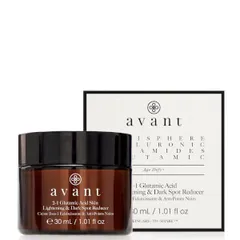
2-1 Glutamic Skin Lightening and Dark Spot Reducer
Source: From product name
This product can help reduce hypepigmentation and even out the skin tone because it contains the following effective ingredients: niacinamide
The following ingredient (ingredients) in this product might be helpful, but there is no evidence to confirm that it actually can help even out the skin tone: phenylethyl resorcinol.
Keep in mind that you would need to apply any topical skincare targetted at hypigmentation consistently for a couple of months to get a result. No topical skincare product can help get rid of hyperpigmentation (including post-acne marks and age spots) instantly.
Is proven to be effective in reducing blemishes, evening out skin tone and helping to improve lines and wrinkles. It helps the skin to repair sun damage, calm down inflammation and keep maintain good levels of moisture. The concentration of about 2% is effective for supporting the skin barrier and evening out the skin tone. Concentration of 4-6% is better for helping with acne and balancing the sebum production
Might help reduce hyperpigmentation in skin and help neutralize free radicals
Three steps removed from the active form of vitamin A - retinoic acid. To have an effect in the skin, it first needs to be converted twice to become the retinoic acid. This means it is less potent than retinol, but could also be less irritating. Once converted to the retinoic acid in the skin, it helps against all signs of aging, improves skin cell turnover and helps fight blemishes and clogged pores. However, in many cosmetic formulations, it is used in a concentration that is too low to have the full effect
A potent antioxidant that is able to penetrate the skin barrier. It can help neutralize free radicals in skin, fight photodamage and reduce hyperpigmentation. It is, however, unstable and loses effectiveness when exposed to light. Effective products with phloretin must come in air-tight opaque packaging and use a sophisticated delivery technology
Moisturizing
What does the product description say?
The cutting-edge treatment for directly addressing stubborn dark spots and correcting skin discolouration, the concentrate helps to moisturise and restore a luminous glow with star ingredient Glutamic Acid.
Source: Mankind
This product can help improve hydration of the skin with the two types of ingredients.
The first type is called “humectants”:
these ingredients help attract water.
When humectants are on the surface of the skin, they “pull in” the moisture from the outside environment, or from
within deeper layers of the skin. The following ingredients in this product do the job:
glycerin, hydrolyzed glycosaminoglycans.
This product also contains ingredients called “occlusives”. They help reduce the speed with which our skin loses moisture to the outside environment. These ingredients also help soften the upper layer of the skin, so it feels less tight and nicer to the touch. The following ingredients in this product do the job: dimethicone, squalane.
The following ingredients in this product are especially good for supporting the skin barrier and helping with the hydration level: ceramide 1, ceramide 3, ceramide 6 ii, niacinamide, phytosphingosine
One of the best moisturizing ingredients. Naturally present in skin. It attracts water to the upper layer of the skin working as a humectant
An oil naturally present in skin. Works as an emollient to soften the skin and form a protective layer on its surface without a greasy feeling.
A sugar that attracts water to the upper layer of the skin
Coenzyme Q10. It helps neutralize free radicals in skin, improves skin hydration and might be helpful agains fine lines and wrinkles. It can be an allergen
Helps support skin barrier function improving skin hydration and reducing sensitivity
A type of lipid similar to ceramides naturally present in skin. Helps to soften the upper layer of the skin and supports the skin barrier function to keep it hydrated. Can help to prevent inflammation in skin
A type of lipid similar to ceramides naturally present in skin. Helps to soften the upper layer of the skin and supports the skin barrier function to keep it hydrated. Can help to prevent inflammation in skin
A type of lipid similar to ceramides naturally present in skin. Helps to soften the upper layer of the skin and supports the skin barrier function to keep it hydrated. Can help to prevent inflammation in skin
An emollient that is naturally found in skin
Can support skin barrier function and reduce inflammation in skin
A silicone that helps to reduce water loss from the surface of the skin. Can temporarily "fill in" lines and wrinkles, absorb oil, and create a nice product finish
A salt of an amino-acid that helps attract water to the upper layer of the skin. Might be helpful in restoring the skin barrier function
Long sugars that help attract water to the upper layer of the skin
Helps to attract water to the upper layer of the skin
Is proven to be effective in reducing blemishes, evening out skin tone and helping to improve lines and wrinkles. It helps the skin to repair sun damage, calm down inflammation and keep maintain good levels of moisture. The concentration of about 2% is effective for supporting the skin barrier and evening out the skin tone. Concentration of 4-6% is better for helping with acne and balancing the sebum production
Helps soften the upper layer of the skin and create a nice product texture
Helps attract water to the upper layer of the skin and may help reduce inflammation in skin
A type of lipid that is naturally present in skin. It might help in repairing skin barrier function and has anti-bacterial effect
Yeast extract that contains copper. Can help to attract water to the upper layer of the skin and can help in skin wound healing
Yeast extract that contains iron. Can help to attract water to the upper layer of the skin. Evidence of effectiveness for other benefits is missing
Yeast extract that contains magnesium. Can help to attract water to the upper layer of the skin. Evidence of effectiveness for other benefits is missing
Yeast extract that contains silicon. Can help to attract water to the upper layer of the skin. Evidence of effectiveness for other benefits is missing
Yeast extract that contains zinc. Can help to attract water to the upper layer of the skin. Evidence of effectiveness for other benefits is missing
One of the best moisturizing ingredients. Attracts water into the upper layer of the skin
Used to create a thicker product texture. Helps soften the upper layer of the skin and might be able to prevent moisture loss from its surface
Helps soften the upper layer of the skin
Helps products spread more easily and works as an emollient to soften skin
Helps preserve products and creates a nice product texture
Might have some moisturising properties. Is not effective when applied topically beyond some moisturizing effect
A type of silicone that can help create nice product texture and soften the upper layer of the skin
An emollient that can also help water and oil mix together, as well as prevent bacteria growth in products
Helps attract water to the upper layer of the skin and improves the product texture
A good mix of fatty acids that forms a protective layer on the skin. Improves the shelf life of products. Derived from coconut and glycerin
An amino acid that is naturally present in skin and helps keep it hydrated. When used together with AHAs, it can reduce their irritating effect on the skin
Used mostly for creating emulsions - helping oil and water mix together. Helps soften the upper layer of the skin
Anti-blemish
This product might be able to help reduce blemishes and clogged pores because it contains niacinamide.
The following ingredient (ingredients) in this product might be helpful, but there is no evidence to confirm that it actually works: pantothenic acid
Is proven to be effective in reducing blemishes, evening out skin tone and helping to improve lines and wrinkles. It helps the skin to repair sun damage, calm down inflammation and keep maintain good levels of moisture. The concentration of about 2% is effective for supporting the skin barrier and evening out the skin tone. Concentration of 4-6% is better for helping with acne and balancing the sebum production
Helps attract water to the upper layer of the skin and may help reduce inflammation in skin
A type of lipid that is naturally present in skin. It might help in repairing skin barrier function and has anti-bacterial effect
A stable derivative of vitamin C. It is oil-soluble which means it is more likely to penetrate the skin compared to the pure form of vitamin C (which is water-soluble), but it is less bio-available and is way less effective in stimulating collagen and reducing wrinkles compared to the pure form of vitamin C (L-ascorbic acid) and its other derivatives (for example, magnesium ascorbyl phosphate). At the same time, this vitamin C derivative has been shown in studies to be effective in reducing acne, blemishes and clogged pores. It is less irritating then the pure form of vitamin C
Three steps removed from the active form of vitamin A - retinoic acid. To have an effect in the skin, it first needs to be converted twice to become the retinoic acid. This means it is less potent than retinol, but could also be less irritating. Once converted to the retinoic acid in the skin, it helps against all signs of aging, improves skin cell turnover and helps fight blemishes and clogged pores. However, in many cosmetic formulations, it is used in a concentration that is too low to have the full effect
How honest is this product?
| Promise | Can it deliver? |
|---|---|
| Moisturizing | |
| Evens skin tone |
Total Promises Fulfilled score: 100/100.
We receive a small commission for purchases made through these links at no cost for you. Thank you for your support! Learn more
Affiliate link · supports WIMJ at no cost to you
Potential irritants
Comedogenic ingredients
No comedogenic ingredients detected
User reviews (0)
Averages from community submissions.
No reviews yet for this product.
Be the first to share your experience!
Tried this product?
Help capture what the ingredient list can't—texture, finish, pilling, scent, and more. Answer what you can, skip the rest.
Takes ~30 seconds.
Reviews are shown in aggregate. No personal details.
| Product | Similarity | Price | Irritancy |
|---|---|---|---|
 Avant Skincare 2-1 Glutamic Skin Lightening and Dark Spot Reducer | Current | ≈ $107.06 | |
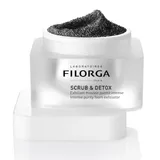
Filorga Scrub & Detox Exfoliator | 64% | ≈ $37.70 | |
CeraVe Blemish Control Gel Moisturiser with 2% Salicylic Acid & Niacinamide for Blemish-Prone Skin | 63% | ≈ $14.54 | |
 freezeframe Hyper White | 62% | ≈ $55.46 | |
 Kate Somerville EradiKate™ Blemish Mark Fading Gel | 59% | $75.50 | |
 NEOGEN X SUR.MEDIC Dermalogy Lemon Bright PHA Gauze Peeling | 59% | $24.70 |
Key Actives
Is proven to be effective in reducing blemishes, evening out skin tone and helping to improve lines and wrinkles. It helps the skin to repair sun damage, calm down inflammation and keep maintain good levels of moisture. The concentration of about 2% is effective for supporting the skin barrier and evening out the skin tone. Concentration of 4-6% is better for helping with acne and balancing the sebum production
Three steps removed from the active form of vitamin A - retinoic acid. To have an effect in the skin, it first needs to be converted twice to become the retinoic acid. This means it is less potent than retinol, but could also be less irritating. Once converted to the retinoic acid in the skin, it helps against all signs of aging, improves skin cell turnover and helps fight blemishes and clogged pores. However, in many cosmetic formulations, it is used in a concentration that is too low to have the full effect
Helps attract water to the upper layer of the skin and may help reduce inflammation in skin
A potent antioxidant that is able to penetrate the skin barrier. It can help neutralize free radicals in skin, fight photodamage and reduce hyperpigmentation. It is, however, unstable and loses effectiveness when exposed to light. Effective products with phloretin must come in air-tight opaque packaging and use a sophisticated delivery technology
A type of lipid that is naturally present in skin. It might help in repairing skin barrier function and has anti-bacterial effect
Coenzyme Q10. It helps neutralize free radicals in skin, improves skin hydration and might be helpful agains fine lines and wrinkles. It can be an allergen
A type of lipid similar to ceramides naturally present in skin. Helps to soften the upper layer of the skin and supports the skin barrier function to keep it hydrated. Can help to prevent inflammation in skin
A type of lipid similar to ceramides naturally present in skin. Helps to soften the upper layer of the skin and supports the skin barrier function to keep it hydrated. Can help to prevent inflammation in skin
A silicone that helps to reduce water loss from the surface of the skin. Can temporarily "fill in" lines and wrinkles, absorb oil, and create a nice product finish
Helps support skin barrier function improving skin hydration and reducing sensitivity
An emollient that is naturally found in skin
Can support skin barrier function and reduce inflammation in skin
A type of lipid similar to ceramides naturally present in skin. Helps to soften the upper layer of the skin and supports the skin barrier function to keep it hydrated. Can help to prevent inflammation in skin
A sugar that attracts water to the upper layer of the skin
Yeast extract that contains magnesium. Can help to attract water to the upper layer of the skin. Evidence of effectiveness for other benefits is missing
Yeast extract that contains silicon. Can help to attract water to the upper layer of the skin. Evidence of effectiveness for other benefits is missing
Yeast extract that contains copper. Can help to attract water to the upper layer of the skin and can help in skin wound healing
Yeast extract that contains zinc. Can help to attract water to the upper layer of the skin. Evidence of effectiveness for other benefits is missing
Yeast extract that contains iron. Can help to attract water to the upper layer of the skin. Evidence of effectiveness for other benefits is missing
Can help stimulate collagen production in skin. While available studies are promising, more research is needed to confirm the efficacy in skin
One of the best moisturizing ingredients. Attracts water into the upper layer of the skin
Helps soften the upper layer of the skin and create a nice product texture
An oil naturally present in skin. Works as an emollient to soften the skin and form a protective layer on its surface without a greasy feeling.
Used to create a gel-like product texture, as well as to stabilize emulsions
Might help reduce hyperpigmentation in skin and help neutralize free radicals
One of the best moisturizing ingredients. Naturally present in skin. It attracts water to the upper layer of the skin working as a humectant
Long sugars that help attract water to the upper layer of the skin
Works as a UV filter when used in high concentrations. It is photostable and is effective mostly against the UVB light, with some protection in the UVA range. In small concentrations, used for its ability to improve the color of cosmetic products. Is usually well tolerated by the skin
An amino acid that is naturally present in skin and helps keep it hydrated. When used together with AHAs, it can reduce their irritating effect on the skin
A salt of an amino-acid that helps attract water to the upper layer of the skin. Might be helpful in restoring the skin barrier function
A good mix of fatty acids that forms a protective layer on the skin. Improves the shelf life of products. Derived from coconut and glycerin
Might help neutralize free radicals in skin, but evidence of effectiveness in skin is lacking. It might be irritating
Helps to attract water to the upper layer of the skin
Works as a UV filter when used in high concentrations. It is photostable and is effective mostly against the UVB light, with some protection in the UVA range. In small concentrations, used for its ability to improve the color of cosmetic products. Is usually well tolerated by the skin
Potential irritants
Might help reduce hyperpigmentation in skin and help neutralize free radicals
Three steps removed from the active form of vitamin A - retinoic acid. To have an effect in the skin, it first needs to be converted twice to become the retinoic acid. This means it is less potent than retinol, but could also be less irritating. Once converted to the retinoic acid in the skin, it helps against all signs of aging, improves skin cell turnover and helps fight blemishes and clogged pores. However, in many cosmetic formulations, it is used in a concentration that is too low to have the full effect
Might help neutralize free radicals in skin, but evidence of effectiveness in skin is lacking. It might be irritating
An aromatic blend of unspecified and possibly irritating ingredients
A fragrance. Can trigger allergic reactions and be irritating
A fragrance. Potential allergen and can be irritating
A gelling agent that thickens the product consistency and leaves the skin with a velvety finish
Used to create a thicker product consistency and stabilize the formulation
Helps water and oil mix together and stabilize the product formulation
Helps preserve products and creates a nice product texture
A potent antioxidant that is able to penetrate the skin barrier. It can help neutralize free radicals in skin, fight photodamage and reduce hyperpigmentation. It is, however, unstable and loses effectiveness when exposed to light. Effective products with phloretin must come in air-tight opaque packaging and use a sophisticated delivery technology
A stable derivative of vitamin C. It is oil-soluble which means it is more likely to penetrate the skin compared to the pure form of vitamin C (which is water-soluble), but it is less bio-available and is way less effective in stimulating collagen and reducing wrinkles compared to the pure form of vitamin C (L-ascorbic acid) and its other derivatives (for example, magnesium ascorbyl phosphate). At the same time, this vitamin C derivative has been shown in studies to be effective in reducing acne, blemishes and clogged pores. It is less irritating then the pure form of vitamin C
A more stable but less bio-available form of vitamin E compared to Tocopherol. Might help moisturize and protect the skin from free radicals, but mostly used in low concentrations to stabilize other ingredients.
Can work as an exfoliant but is typically used to adjust the product pH
A good mix of fatty acids that forms a protective layer on the skin. Improves the shelf life of products. Derived from coconut and glycerin
Comedogenic ingredients
We couldn't find any comedogenic ingredients in this product
All ingredients
Is proven to be effective in reducing blemishes, evening out skin tone and helping to improve lines and wrinkles. It helps the skin to repair sun damage, calm down inflammation and keep maintain good levels of moisture. The concentration of about 2% is effective for supporting the skin barrier and evening out the skin tone. Concentration of 4-6% is better for helping with acne and balancing the sebum production
A silicone that helps to reduce water loss from the surface of the skin. Can temporarily "fill in" lines and wrinkles, absorb oil, and create a nice product finish
Helps products spread more easily and works as an emollient to soften skin
Yeast extract that contains magnesium. Can help to attract water to the upper layer of the skin. Evidence of effectiveness for other benefits is missing
Yeast extract that contains silicon. Can help to attract water to the upper layer of the skin. Evidence of effectiveness for other benefits is missing
Yeast extract that contains copper. Can help to attract water to the upper layer of the skin and can help in skin wound healing
Yeast extract that contains zinc. Can help to attract water to the upper layer of the skin. Evidence of effectiveness for other benefits is missing
Yeast extract that contains iron. Can help to attract water to the upper layer of the skin. Evidence of effectiveness for other benefits is missing
Can help stimulate collagen production in skin. While available studies are promising, more research is needed to confirm the efficacy in skin
One of the best moisturizing ingredients. Attracts water into the upper layer of the skin
Used to stabilize product formulation and create a nice product consistency
A type of silicone that can help create nice product texture and soften the upper layer of the skin
A gelling agent that thickens the product consistency and leaves the skin with a velvety finish
Helps soften the upper layer of the skin and create a nice product texture
An oil naturally present in skin. Works as an emollient to soften the skin and form a protective layer on its surface without a greasy feeling.
Used to create a thicker product texture. Helps soften the upper layer of the skin and might be able to prevent moisture loss from its surface
A mineral that is used as an optical filter (makes the skin looks nicer through light reflection) and to improve the texture of cosmetic products
Used to create a gel-like product texture, as well as to stabilize emulsions
Might help reduce hyperpigmentation in skin and help neutralize free radicals
One of the best moisturizing ingredients. Naturally present in skin. It attracts water to the upper layer of the skin working as a humectant
Used to create a thicker product consistency and stabilize the formulation
Long sugars that help attract water to the upper layer of the skin
Works as a UV filter when used in high concentrations. It is photostable and is effective mostly against the UVB light, with some protection in the UVA range. In small concentrations, used for its ability to improve the color of cosmetic products. Is usually well tolerated by the skin
Helps water and oil mix together and stabilize the product formulation
Helps preserve products and creates a nice product texture
A potent antioxidant that is able to penetrate the skin barrier. It can help neutralize free radicals in skin, fight photodamage and reduce hyperpigmentation. It is, however, unstable and loses effectiveness when exposed to light. Effective products with phloretin must come in air-tight opaque packaging and use a sophisticated delivery technology
An amino acid that is naturally present in skin and helps keep it hydrated. When used together with AHAs, it can reduce their irritating effect on the skin
Helps support skin barrier function improving skin hydration and reducing sensitivity
Used to stabilize the product formulation and can help absorb oil
Used to create a thicker product consistency and stabilize formulations
A stable derivative of vitamin C. It is oil-soluble which means it is more likely to penetrate the skin compared to the pure form of vitamin C (which is water-soluble), but it is less bio-available and is way less effective in stimulating collagen and reducing wrinkles compared to the pure form of vitamin C (L-ascorbic acid) and its other derivatives (for example, magnesium ascorbyl phosphate). At the same time, this vitamin C derivative has been shown in studies to be effective in reducing acne, blemishes and clogged pores. It is less irritating then the pure form of vitamin C
A salt of an amino-acid that helps attract water to the upper layer of the skin. Might be helpful in restoring the skin barrier function
Helps attract water to the upper layer of the skin and improves the product texture
Used mostly for creating emulsions - helping oil and water mix together. Helps soften the upper layer of the skin
Is used to enhance product texture and can help to optically mask skin imperfections
A more stable but less bio-available form of vitamin E compared to Tocopherol. Might help moisturize and protect the skin from free radicals, but mostly used in low concentrations to stabilize other ingredients.
A type of lipid that is naturally present in skin. It might help in repairing skin barrier function and has anti-bacterial effect
Helps create a thicker or gel-like product texture. It is not a surfactant but can be used in gentle cleansing formulations
Can work as an exfoliant but is typically used to adjust the product pH
A good mix of fatty acids that forms a protective layer on the skin. Improves the shelf life of products. Derived from coconut and glycerin
Coenzyme Q10. It helps neutralize free radicals in skin, improves skin hydration and might be helpful agains fine lines and wrinkles. It can be an allergen
Three steps removed from the active form of vitamin A - retinoic acid. To have an effect in the skin, it first needs to be converted twice to become the retinoic acid. This means it is less potent than retinol, but could also be less irritating. Once converted to the retinoic acid in the skin, it helps against all signs of aging, improves skin cell turnover and helps fight blemishes and clogged pores. However, in many cosmetic formulations, it is used in a concentration that is too low to have the full effect
An emollient that can also help water and oil mix together, as well as prevent bacteria growth in products
Helps attract water to the upper layer of the skin and may help reduce inflammation in skin
Might have some moisturising properties. Is not effective when applied topically beyond some moisturizing effect
Can support skin barrier function and reduce inflammation in skin
Might help neutralize free radicals in skin, but evidence of effectiveness in skin is lacking. It might be irritating
A type of lipid similar to ceramides naturally present in skin. Helps to soften the upper layer of the skin and supports the skin barrier function to keep it hydrated. Can help to prevent inflammation in skin
A type of lipid similar to ceramides naturally present in skin. Helps to soften the upper layer of the skin and supports the skin barrier function to keep it hydrated. Can help to prevent inflammation in skin
A type of lipid similar to ceramides naturally present in skin. Helps to soften the upper layer of the skin and supports the skin barrier function to keep it hydrated. Can help to prevent inflammation in skin
An aromatic blend of unspecified and possibly irritating ingredients
A fragrance. Can trigger allergic reactions and be irritating
A fragrance. Potential allergen and can be irritating
A colorant that can add a pearl-like appearance to the formulation
Works as a UV filter when used in high concentrations. It is photostable and is effective mostly against the UVB light, with some protection in the UVA range. In small concentrations, used for its ability to improve the color of cosmetic products. Is usually well tolerated by the skin
Creates an illusion of smoother and more radiant skin tone. Adds shimmer to the skin by reflecting light
A preservative. It helps prevent bacterial growth in cosmetic products
Ingredient list view
Water, Adipic acid/neopentyl glycol copolymer, Niacinamide, Dimethicone, Trehalose, Dicaprylyl carbonate, Thiamine/yeast polypeptide, Saccharomyces/magnesium ferment, Saccharomyces/silicon ferment, Saccharomyces/copper ferment, Saccharomyces/zinc ferment, Saccharomyces/iron ferment, Morinda citrifolia seed extract, Folic acid, Sodium hyaluronate, Watermelon seed oil polyglyceryl-6 esters, Hazelnut seed oil polyglyceryl-6 esters, Rna, Dna, Vp/va copolymer, Peg-8 dimethicone, Hydroxyethyl acrylate/sodium acryloyldimethyl taurate copolymer, Oleyl erucate, Ethylhexylglycerin, Squalane, Dimethicone crosspolymer, Synthetic fluorphlogopite, Sodium polyacrylate, Phenylethyl resorcinol, Polyglyceryl-10 dilaurate, Polyacrylate-2 crosspolymer, Glycerin, Amodimethicone, Hydroxypropyl methylcellulose, Hydrolyzed glycosaminoglycans, Titanium dioxide, Sorbitan palmitate, Naringin, Caprylyl glycol, Sorbitan isostearate, Dicetyl phosphate, Phloretin, Sodium lauroyl lactylate, Arginine, Sodium starch octenylsuccinate, Pyridoxine hcl, Calcium pantothenate, Maltodextrin, Disodium adenosine triphosphate, Cetyl hydroxyethylcellulose, Sodium ascorbyl phosphate, Histidine hcl, Hydroxycitronellal, Sorbitol, Lecithin, Polymethyl methacrylate, Xanthan gum, Tocopheryl acetate, Phenylalanine, Cholesterol, Trilaurin, Phytosphingosine, Carbomer, Tyrosine, Citric acid, Diacetyl boldine, Thioctic acid, Glyceryl linolenate, Caprylic/capric triglyceride, Glyceryl linoleate, Bht, Ubiquinone, Retinyl palmitate, Silica, Disodium edta, Glyceryl caprylate, Pantothenic acid, Riboflavin, Biotin, Cyanocobalamin, Pyridoxine, Polysorbate 60, Polysorbate 20, Ceramide 3, Ceramide 6 ii, Ceramide 1, Parfum, Butylphenyl methylpropional, Mannitol, Citronellol, Hexyl cinnamal, Alpha-isomethyl ionone, Tin oxide, Ci 77891, Titanium dioxide, Ci 77891, Mica, Phenoxyethanol, Potassium sorbate, Sodium metabisulfite
- Niacinamide - mechanisms of action and its topical use in dermatology
- Gehring, W. (2004). Nicotinic acid/niacinamide and the skin. Journal of Cosmetic Dermatology, 3(2), 88–93. doi:10.1111/j.1473-2130.2004.00115.x
- Dimethicone as a protective ingredient in topical medications
- Final Report on the Safety Assessment of Dimethicone Copolyol
- Folic acid and creatine improve the firmness of human skin in vivo
- Hyaluronic acid: A key molecule in skin aging
- Hyaluronan (Hyaluronic Acid): a natural moisturizer for skin care
- Glycerol and the skin: holistic approach to its origin and functions
- The antioxidant activity of phloretin: the disclosure of a new antioxidant pharmacophore in flavonoids
- Dermatological applications of the flavonoid phloretin
- Protective Effects of Topical Vitamin C Compound Mixtures against Ozone-Induced Damage in Human Skin - Supplementary Material
- Calcium pantothenate modulates gene expression in proliferating human dermal fibroblasts
- Dexpanthenol Modulates Gene Expression in Skin Wound Healing in vivo
- Dexapanthenol enhances skin barrier repair and reduces inflammation after sodium lauryl sulphate-induced irritation
- Sodium ascorbyl phosphate shows in vitro and in vivo efficacy in the prevention and treatment of acne vulgaris
- Sodium ascorbyl phosphate in topical microemulsions
- Final report of the safety assessment of L-Ascorbic Acid, Calcium Ascorbate, Magnesium Ascorbate, Magnesium Ascorbyl Phosphate, Sodium Ascorbate, and Sodium Ascorbyl Phosphate as used in cosmetics
- Regulation of collagen synthesis in human dermal fibroblasts by the sodium and magnesium salts of ascorbyl-2-phosphate
- Comparison of clinical efficacies of sodium ascorbyl phosphate, retinol and their combination in acne treatment
- Application of l-ascorbic acid and its derivatives (sodium ascorbyl phosphate and magnesium ascorbyl phosphate) in topical cosmetic formulations: stability studies
- Sodium L-ascorbyl-2-phosphate 5% lotion for the treatment of acne vulgaris: a randomized, double-blind, controlled trial
- Safety Assessment of α-Amino Acids as Used in Cosmetics
- Histidine and/or Histidine Derivative for the Treatment of Inflammatory Skin Diseases
- Topical vitamin B12--a new therapeutic approach in atopic dermatitis-evaluation of efficacy and tolerability in a randomized placebo-controlled multicentre clinical trial
- Superiority of a vitamin B12-containing emollient compared to a standard emollient in the maintenance treatment of mild-to-moderate plaque psoriasis
- Cutaneous Metabolism of Vitamin B-6
- Topically Applied Ceramides Interact with the Stratum Corneum Lipid Matrix in Compromised Ex Vivo Skin
- Safety Assessment of Tin(IV) Oxide as Used in Cosmetics
- Final report on the safety assessment of sodium sulfite, potassium sulfite, ammonium sulfite, sodium bisulfite, ammonium bisulfite, sodium metabisulfite and potassium metabisulfite