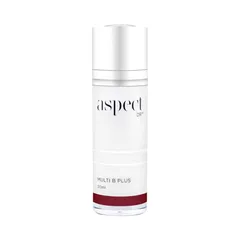
Works for:
based on ingredients and %- Anti-aging
- Moisturizing
- Anti-blemish
- Evens skin tone
Can it cause trouble?
- Irritation risk: high
- Comedogenic risk ingredients: 0
Key actives
Anti-aging
What does the product description say?
• Canadian WillowherbTM Extract | A botanical antioxidant that soothes and comforts the skin, whilst fighting free radical damage to combat the visible signs of ageing.
Source: N/A
This product can help reduce and prevent fine lines and wrinkles, improve skin elasticity and firmness because it contains niacinamide.
These ingredients in the product can also be helpful, even though there is less evidence for their effectiveness: acetyl hexapeptide-49, folic acid.
Keep in mind that it typically takes at least 6 weeks to notice any results because the changes that are needed to improve fine lines and elasticity happen in the deeper layers of the skin. No topical anti-aging product can “erase” wrinkles or fully reverse signs of aging.
Is proven to be effective in reducing blemishes, evening out skin tone and helping to improve lines and wrinkles. It helps the skin to repair sun damage, calm down inflammation and keep maintain good levels of moisture. The concentration of about 2% is effective for supporting the skin barrier and evening out the skin tone. Concentration of 4-6% is better for helping with acne and balancing the sebum production
Can help stimulate collagen production in skin. While available studies are promising, more research is needed to confirm the efficacy in skin
Evens skin tone
This product can help reduce hypepigmentation and even out the skin tone because it contains the following effective ingredients: niacinamide
Keep in mind that you would need to apply any topical skincare targetted at hypigmentation consistently for a couple of months to get a result. No topical skincare product can help get rid of hyperpigmentation (including post-acne marks and age spots) instantly.
Is proven to be effective in reducing blemishes, evening out skin tone and helping to improve lines and wrinkles. It helps the skin to repair sun damage, calm down inflammation and keep maintain good levels of moisture. The concentration of about 2% is effective for supporting the skin barrier and evening out the skin tone. Concentration of 4-6% is better for helping with acne and balancing the sebum production
Used for skin exfoliation. It has an anti-inflammatory and anti-bacterial effect, helps to unclog pores, prevent blemishes and speed up healing of the existing ones. Sometimes referred to as a BHA (beta-hydroxy acid)
Moisturizing
What does the product description say?
• Niacinamide | Vitamin B3 to help fortify overall skin appearance, improve the look of discolouration, alleviate redness, balance oils and maintain hydration.
Source: N/A
This product can help improve hydration of the skin with the two types of ingredients.
The first type is called “humectants”:
these ingredients help attract water.
When humectants are on the surface of the skin, they “pull in” the moisture from the outside environment, or from
within deeper layers of the skin. The following ingredients in this product do the job:
glycerin, butylene glycol.
This product also contains ingredients called “occlusives”. They help reduce the speed with which our skin loses moisture to the outside environment. These ingredients also help soften the upper layer of the skin, so it feels less tight and nicer to the touch. The following ingredients in this product do the job: oryza sativa bran oil, lecithin.
The following ingredients in this product are especially good for supporting the skin barrier and helping with the hydration level: acetyl hexapeptide-49, niacinamide, panthenol
Is proven to be effective in reducing blemishes, evening out skin tone and helping to improve lines and wrinkles. It helps the skin to repair sun damage, calm down inflammation and keep maintain good levels of moisture. The concentration of about 2% is effective for supporting the skin barrier and evening out the skin tone. Concentration of 4-6% is better for helping with acne and balancing the sebum production
Helps soften the upper layer of the skin and might have some anti-oxidant properties
Helps attract water to the upper layer of the skin and may help reduce inflammation in skin
Helps attract water to the upper layer of the skin and can help improve skin barrier function
A marine extract that helps attract water to the upper layer of the skin. It is claimed to have anti-inflammatory properties but research is lacking
Can support skin barrier function and reduce inflammation in skin
One of the best moisturizing ingredients. Naturally present in skin. It attracts water to the upper layer of the skin working as a humectant
Used mostly for creating emulsions - helping oil and water mix together. Helps soften the upper layer of the skin
Might have some moisturising properties. Is not effective when applied topically beyond some moisturizing effect
Used to create a nice product texture and help delivery of other ingredients. Might be somewhat helpful in attracting water to the upper layer of the skin
Anti-blemish
What does the product description say?
• Helps to clarify and fortify overall appearance of skin • Reduces breakouts • Balances oil levels • Alleviates redness • Boosts hydration YOUR GO TO SKINCARE PRODUCT FOR.
Source: N/A
This product might be able to help reduce blemishes and clogged pores because it contains niacinamide.
The following ingredient (ingredients) in this product might be helpful, but there is no evidence to confirm that it actually works: pantothenic acid
Is proven to be effective in reducing blemishes, evening out skin tone and helping to improve lines and wrinkles. It helps the skin to repair sun damage, calm down inflammation and keep maintain good levels of moisture. The concentration of about 2% is effective for supporting the skin barrier and evening out the skin tone. Concentration of 4-6% is better for helping with acne and balancing the sebum production
Helps attract water to the upper layer of the skin and may help reduce inflammation in skin
Used for skin exfoliation. It has an anti-inflammatory and anti-bacterial effect, helps to unclog pores, prevent blemishes and speed up healing of the existing ones. Sometimes referred to as a BHA (beta-hydroxy acid)
Anti-oxidation
This product contains antioxidants (epilobium angustifolium flower/leaf/stem extract, pyridoxine) that might be able to help neutralize free radicals in skin to lessen the damage it gets from the UV light (sun). There is not enough evidence to confirm their effectiveness in skin though.
Might help neutralize free radicals in skin, but evidence of effectiveness in skin is lacking. It might be irritating
A plant extract that might contain antioxidants
A more stable but less bio-available form of vitamin E compared to Tocopherol. Might help moisturize and protect the skin from free radicals, but mostly used in low concentrations to stabilize other ingredients.
A plant extract used mostly as a fragrance. Can have some anti-microbial and anti-oxidant properties
A plant extract that might have some anti-oxidant effect in skin, but evidence is lacking
How honest is this product?
| Promise | Can it deliver? |
|---|---|
| Anti-aging | |
| Moisturizing | |
| Anti-blemish |
Total Promises Fulfilled score: 91/100.
We receive a small commission for purchases made through these links at no cost for you. Thank you for your support! Learn more
Affiliate link · supports WIMJ at no cost to you
Potential irritants
Comedogenic ingredients
No comedogenic ingredients detected
User reviews (0)
Averages from community submissions.
No reviews yet for this product.
Be the first to share your experience!
Tried this product?
Help capture what the ingredient list can't—texture, finish, pilling, scent, and more. Answer what you can, skip the rest.
Takes ~30 seconds.
Reviews are shown in aggregate. No personal details.
| Product | Similarity | Price | Irritancy |
|---|---|---|---|
 Aspect Dr Multi B Plus | Current | - | |
 NACIFIC Pink AHA BHA Serum | 78% | ≈ $13.81 | |
 Paula's choice Pore-Reducing Toner | 78% | ≈ $21.76 | |
 skinmade Azelaic Acid + Salicylic Acid serum | 77% | - | |
 Allies of Skin Mandelic Pigmentation Corrector Night Serum | 77% | ≈ $41.03 | |
 Ultraceuticals Ultra B2 Hydrating Serum | 77% | - |
Key Actives
Is proven to be effective in reducing blemishes, evening out skin tone and helping to improve lines and wrinkles. It helps the skin to repair sun damage, calm down inflammation and keep maintain good levels of moisture. The concentration of about 2% is effective for supporting the skin barrier and evening out the skin tone. Concentration of 4-6% is better for helping with acne and balancing the sebum production
Is proven to be effective in reducing blemishes, evening out skin tone and helping to improve lines and wrinkles. It helps the skin to repair sun damage, calm down inflammation and keep maintain good levels of moisture. The concentration of about 2% is effective for supporting the skin barrier and evening out the skin tone. Concentration of 4-6% is better for helping with acne and balancing the sebum production
Used for skin exfoliation. It has an anti-inflammatory and anti-bacterial effect, helps to unclog pores, prevent blemishes and speed up healing of the existing ones. Sometimes referred to as a BHA (beta-hydroxy acid)
Helps attract water to the upper layer of the skin and may help reduce inflammation in skin
Helps attract water to the upper layer of the skin and can help improve skin barrier function
Can support skin barrier function and reduce inflammation in skin
One of the best moisturizing ingredients. Naturally present in skin. It attracts water to the upper layer of the skin working as a humectant
Helps soften the upper layer of the skin and might have some anti-oxidant properties
Can help stimulate collagen production in skin. While available studies are promising, more research is needed to confirm the efficacy in skin
Might help neutralize free radicals in skin, but evidence of effectiveness in skin is lacking. It might be irritating
A plant extract that might contain antioxidants
Can help stimulate collagen production in skin. While available studies are promising, more research is needed to confirm the efficacy in skin
A marine extract that helps attract water to the upper layer of the skin. It is claimed to have anti-inflammatory properties but research is lacking
Potential irritants
An essentil oil from orange peel. Potential allergen and can be irritating
Might help neutralize free radicals in skin, but evidence of effectiveness in skin is lacking. It might be irritating
A plant extract that might contain antioxidants
A plant extract used mostly as a fragrance. Can have some anti-microbial and anti-oxidant properties
Oil of a very fragrant pink rose used as fragrance in cosmetics. Extensive research has shown it has mixed benefits. In the pro column, inhaling this flower’s scent seems to have relaxing properties and the plant’s petals contain skin-soothing and antioxidant compounds that can benefit skin. On the flipside, the numerous chemicals that create this rose’s distinctive fragrance pose a risk of causing skin aggravation.
A plant oil containing volatile compounds. Used as a fragrance and can be irritating
Used for skin exfoliation. It has an anti-inflammatory and anti-bacterial effect, helps to unclog pores, prevent blemishes and speed up healing of the existing ones. Sometimes referred to as a BHA (beta-hydroxy acid)
A more stable but less bio-available form of vitamin E compared to Tocopherol. Might help moisturize and protect the skin from free radicals, but mostly used in low concentrations to stabilize other ingredients.
A plant extract that might have some anti-oxidant effect in skin, but evidence is lacking
Can work as an exfoliant but is typically used to adjust the product pH
Comedogenic ingredients
We couldn't find any comedogenic ingredients in this product
All ingredients
Is proven to be effective in reducing blemishes, evening out skin tone and helping to improve lines and wrinkles. It helps the skin to repair sun damage, calm down inflammation and keep maintain good levels of moisture. The concentration of about 2% is effective for supporting the skin barrier and evening out the skin tone. Concentration of 4-6% is better for helping with acne and balancing the sebum production
One of the best moisturizing ingredients. Naturally present in skin. It attracts water to the upper layer of the skin working as a humectant
Used mostly for creating emulsions - helping oil and water mix together. Helps soften the upper layer of the skin
Helps attract water to the upper layer of the skin and can help improve skin barrier function
A more stable but less bio-available form of vitamin E compared to Tocopherol. Might help moisturize and protect the skin from free radicals, but mostly used in low concentrations to stabilize other ingredients.
A preservative. It helps prevent bacterial growth in cosmetic products
Helps soften the upper layer of the skin and might have some anti-oxidant properties
Used to create a nice product texture and help delivery of other ingredients. Might be somewhat helpful in attracting water to the upper layer of the skin
An essentil oil from orange peel. Potential allergen and can be irritating
Might have some moisturising properties. Is not effective when applied topically beyond some moisturizing effect
Can help stimulate collagen production in skin. While available studies are promising, more research is needed to confirm the efficacy in skin
Can support skin barrier function and reduce inflammation in skin
Is proven to be effective in reducing blemishes, evening out skin tone and helping to improve lines and wrinkles. It helps the skin to repair sun damage, calm down inflammation and keep maintain good levels of moisture. The concentration of about 2% is effective for supporting the skin barrier and evening out the skin tone. Concentration of 4-6% is better for helping with acne and balancing the sebum production
Helps attract water to the upper layer of the skin and may help reduce inflammation in skin
Might help neutralize free radicals in skin, but evidence of effectiveness in skin is lacking. It might be irritating
A plant extract that might contain antioxidants
Can help stimulate collagen production in skin. While available studies are promising, more research is needed to confirm the efficacy in skin
A marine extract that helps attract water to the upper layer of the skin. It is claimed to have anti-inflammatory properties but research is lacking
A plant extract that might have some anti-oxidant effect in skin, but evidence is lacking
A plant extract used mostly as a fragrance. Can have some anti-microbial and anti-oxidant properties
Oil of a very fragrant pink rose used as fragrance in cosmetics. Extensive research has shown it has mixed benefits. In the pro column, inhaling this flower’s scent seems to have relaxing properties and the plant’s petals contain skin-soothing and antioxidant compounds that can benefit skin. On the flipside, the numerous chemicals that create this rose’s distinctive fragrance pose a risk of causing skin aggravation.
Can work as an exfoliant but is typically used to adjust the product pH
A plant oil containing volatile compounds. Used as a fragrance and can be irritating
Used for skin exfoliation. It has an anti-inflammatory and anti-bacterial effect, helps to unclog pores, prevent blemishes and speed up healing of the existing ones. Sometimes referred to as a BHA (beta-hydroxy acid)
Ingredient list view
Water, Niacinamide, Glycerin, Lecithin, Panthenol, Tocopheryl acetate, Phenoxyethanol, Oryza sativa bran oil, Butylene glycol, Citrus aurantium dulcis peel oil, Xanthan gum, Biotin, Folic acid, Cyanocobalamin, Niacinamide, Pantothenic acid, Pyridoxine, Riboflavin, Unknown, Yeast, Unknown, Epilobium angustifolium flower/leaf/stem extract, Sodium stearoyl glutamate, Sclerotium gum, Folic acid, Disodium edta, Ethylhexylglycerin, Alteromonas ferment extract, Terminalia ferdinandiana fruit extract, Backhousia citriodora leaf extract, Rosa damascena extract, Citrus glauca fruit extract, Davidsonia jerseyana fruit extract, Citric acid, Backhousia citriodora leaf oil, Mentha viridis leaf oil, Pseudoalteromonas ferment extract, Sodium metabisulfite, Acetyl hexapeptide-49, Salicylic acid, Sodium hydroxide
- Niacinamide - mechanisms of action and its topical use in dermatology
- Gehring, W. (2004). Nicotinic acid/niacinamide and the skin. Journal of Cosmetic Dermatology, 3(2), 88–93. doi:10.1111/j.1473-2130.2004.00115.x
- Glycerol and the skin: holistic approach to its origin and functions
- Skin moisturizing effects of panthenol-based formulations
- Safety Assessment of Panthenol, Pantothenic Acid, and Derivatives as Used in Cosmetics
- Study on the Composition of Rice Bran Oil and Its Higher Free Fatty Acids Value
- Folic acid and creatine improve the firmness of human skin in vivo
- Topical vitamin B12--a new therapeutic approach in atopic dermatitis-evaluation of efficacy and tolerability in a randomized placebo-controlled multicentre clinical trial
- Superiority of a vitamin B12-containing emollient compared to a standard emollient in the maintenance treatment of mild-to-moderate plaque psoriasis
- Cutaneous Metabolism of Vitamin B-6
- Therapeutic Potential of Polyphenols from Epilobium Angustifolium (Fireweed): Polyphenols from Fireweed
- The chemotherapeutic potential of Terminalia ferdinandiana: Phytochemistry and bioactivity
- Antimicrobial activity of Backhousia citriodora (lemon myrtle) methanolic extracts
- Final report on the safety assessment of sodium sulfite, potassium sulfite, ammonium sulfite, sodium bisulfite, ammonium bisulfite, sodium metabisulfite and potassium metabisulfite
- Salicylic acid as a peeling agent: a comprehensive review
- Beta Hydroxy Acids
- A review of toxicity from topical salicylic acid preparations
- Glycolic Acid Peels Versus Salicylic–Mandelic Acid Peels in Active Acne Vulgaris and Post‐Acne Scarring and Hyperpigmentation: A Comparative Study