
Works for:
based on ingredients and %- Evens skin tone
- Anti-blemish
- Moisturizing
- Exfoliation
Can it cause trouble?
- Irritation risk: high
- Comedogenic risk ingredients: 0
Key actives

Product Summary
"Allies of Skin - Bright Future Sleeping Facial" is effective for: Anti-inflammatory, Evens skin tone, Anti-blemish, Moisturizing, Exfoliation and Anti-aging
Ingredient callouts
- A good concentration of Niacinamide (2.30% - 2.80%). Niacinamide is a well-studied multi-tasking active. It is stable, and can work well in almost any hydrating formulation. There is solid evidence that Niacinamide can help support skin barrier, regulate oil production and reduce acne and clogged pores. It also helps to fight photodamage and improve the skin tone, reducing pigmentation marks.
- Exfoliating acids (lactic acid 1.10% - 1.40% and glycolic acid 4.20% - 5.10%). In this concentration, they will have a noticeable exfoliating effect. They can also have an anti-aging effect and stimulate collagen production in a long-run. Lactic Acid can also help to attract water to the upper layer (works as a humectant).
- This product contains an effective form of Retinoids (vitamin A): retinal 0.25% - 0.45%. Retinoids are potent multitasking actives. They work to improve and prevent early signs of aging, reduce hyperpigmentation (age spots and post-acne marks), and prevent inflamed blemishes and clogged pores. The downside of Retinoids is that they can be irritating. If you are not already using a Retinoid in your routine, it is best to start slowly and apply the Retinoid product only a few times per week. If your skin tolerates it well, you can gradually increase the frequency to daily.
- Salicylic acid (0.70% - 1.05%). This is an oil-soluble exfoliating acid. Because of this property, it can work inside pores and help reduce the congestion. It has an anti-inflammatory effect and is used to treat acne. Because it is a quite strong exfoliator, be careful with using this product too often: it could result in over-exfoliation.
- Humectants (galactoarabinan 0.25% - 0.50%, sodium lactate 0.40% - 0.65%, sodium hyaluronate 0.55% - 0.85% and glycerin 4.60% - 5.60%). These ingredients help attract water to the upper layer of the skin and improve the skin hydration.
Price
The product retails for 103.00$ in the United States, for 201.30CA$ in Canada, for 115.00£ in the United Kingdom and for 1035.00HK$ in Hong Kong.
For a detailed price comparison: click here.
Anti-aging
What does the product description say?
Enriched with Retinol, the formula has anti-ageing power, rebuilding the skin’s natural barriers to smooth out the appearance of fine lines and wrinkles.
Source: Lookfantastic CA
This product can help reduce and prevent fine lines and wrinkles, improve skin elasticity and firmness because it contains retinal, glycolic acid, niacinamide.
Keep in mind that it typically takes at least 6 weeks to notice any results because the changes that are needed to improve fine lines and elasticity happen in the deeper layers of the skin. No topical anti-aging product can “erase” wrinkles or fully reverse signs of aging.
One step removed from the biologically active in skin form of vitamin A. Once converted to the retinoic acid in the skin, retinal is proven to be effective against all signs of aging. It improves skin cell turnover, helps fight blemishes and clogged pores, can regulate excess oil production and even skin tone. Concentrations of 0.05% and 0.1% are shown to be effective. It can, however, be irritating
Is proven to be effective in reducing blemishes, evening out skin tone and helping to improve lines and wrinkles. It helps the skin to repair sun damage, calm down inflammation and keep maintain good levels of moisture. The concentration of about 2% is effective for supporting the skin barrier and evening out the skin tone. Concentration of 4-6% is better for helping with acne and balancing the sebum production
An alpha-hydroxy acid (AHA) that helps to remove the dead skin cells on the surface of the skin reveling a more even, smoother complexation. It is also able to stimulate collagen production with long-term use. Could help to reduce pore congestion. It can be irritating to the skin. Apply sunscreen daily if using products with glycolic acid
An exfoliating and moisturizing alpha-hydroxy acid (AHA). Typically causes less irritation than other AHAs, for example, glycolic acid. At high concentrations (about 15%), lactic acid can help reduce lines and wrinkles. Recent studies show that lactic acid can support the "good" bacteria living on skin's surface (healthy skin microbiome)
Anti-blemish
What does the product description say?
The result is reduced breakouts and blemishes, a brightened complexion, refined and reduced pores and a healthy glow.
Source: Sephora Hong Kong
This product can help reduce breakouts and clogged pores because it contains the following ingredient: niacinamide, retinal, salicylic acid. These ingredients is used for treating acne and can have a noticeable effect.
The following ingredient (ingredients) in this product might be helpful, but there is no evidence to confirm that it actually works: glycolic acid
Used for skin exfoliation. It has an anti-inflammatory and anti-bacterial effect, helps to unclog pores, prevent blemishes and speed up healing of the existing ones. Sometimes referred to as a BHA (beta-hydroxy acid)
One step removed from the biologically active in skin form of vitamin A. Once converted to the retinoic acid in the skin, retinal is proven to be effective against all signs of aging. It improves skin cell turnover, helps fight blemishes and clogged pores, can regulate excess oil production and even skin tone. Concentrations of 0.05% and 0.1% are shown to be effective. It can, however, be irritating
Is proven to be effective in reducing blemishes, evening out skin tone and helping to improve lines and wrinkles. It helps the skin to repair sun damage, calm down inflammation and keep maintain good levels of moisture. The concentration of about 2% is effective for supporting the skin barrier and evening out the skin tone. Concentration of 4-6% is better for helping with acne and balancing the sebum production
An alpha-hydroxy acid (AHA) that helps to remove the dead skin cells on the surface of the skin reveling a more even, smoother complexation. It is also able to stimulate collagen production with long-term use. Could help to reduce pore congestion. It can be irritating to the skin. Apply sunscreen daily if using products with glycolic acid
Evens skin tone
What does the product description say?
Also infused with Probiotics, the cream has an anti-inflammatory effect, reducing any redness and cooling any irritation to refine skin’s tone and texture.
Source: Lookfantastic CA
This product can help reduce hypepigmentation and even out the skin tone because it contains the following effective ingredients: retinal.
In addition, this product contains glycolic acid, niacinamide, salicylic acid. This ingredient (ingredients) might help reduce hyperpigmentation, but the effect, if any, is likely to be small.
Keep in mind that you would need to apply any topical skincare targetted at hypigmentation consistently for a couple of months to get a result. No topical skincare product can help get rid of hyperpigmentation (including post-acne marks and age spots) instantly.
One step removed from the biologically active in skin form of vitamin A. Once converted to the retinoic acid in the skin, retinal is proven to be effective against all signs of aging. It improves skin cell turnover, helps fight blemishes and clogged pores, can regulate excess oil production and even skin tone. Concentrations of 0.05% and 0.1% are shown to be effective. It can, however, be irritating
Is proven to be effective in reducing blemishes, evening out skin tone and helping to improve lines and wrinkles. It helps the skin to repair sun damage, calm down inflammation and keep maintain good levels of moisture. The concentration of about 2% is effective for supporting the skin barrier and evening out the skin tone. Concentration of 4-6% is better for helping with acne and balancing the sebum production
An alpha-hydroxy acid (AHA) that helps to remove the dead skin cells on the surface of the skin reveling a more even, smoother complexation. It is also able to stimulate collagen production with long-term use. Could help to reduce pore congestion. It can be irritating to the skin. Apply sunscreen daily if using products with glycolic acid
Is claimed to be able to brighten skin tone by removing some blood-related pigmented compounds in skin (hemoglobin and related elements) but solid research is missing. Can be irritating
Used for skin exfoliation. It has an anti-inflammatory and anti-bacterial effect, helps to unclog pores, prevent blemishes and speed up healing of the existing ones. Sometimes referred to as a BHA (beta-hydroxy acid)
An exfoliating and moisturizing alpha-hydroxy acid (AHA). Typically causes less irritation than other AHAs, for example, glycolic acid. At high concentrations (about 15%), lactic acid can help reduce lines and wrinkles. Recent studies show that lactic acid can support the "good" bacteria living on skin's surface (healthy skin microbiome)
Exfoliation
What does the product description say?
What it is The world’s first hydrating chemical peel, this next-generation sleeping peel is designed to deliver intense hydration as it encourages cellular renewal overnight to reduce imperfections and reveal brighter skin the next morning.
Source: Sephora Hong Kong
This product can help exfoliate the skin. In other words, it helps break down the bonds between dead cells on the surface of the skin and speed up the skin turnover. Skin often appears softer and brighter after exfoliation, but overdoing it can result in disrupted skin barrier. The following ingredient is doing the exfoliating job in this product: glycolic acid, salicylic acid.
Used for skin exfoliation. It has an anti-inflammatory and anti-bacterial effect, helps to unclog pores, prevent blemishes and speed up healing of the existing ones. Sometimes referred to as a BHA (beta-hydroxy acid)
An alpha-hydroxy acid (AHA) that helps to remove the dead skin cells on the surface of the skin reveling a more even, smoother complexation. It is also able to stimulate collagen production with long-term use. Could help to reduce pore congestion. It can be irritating to the skin. Apply sunscreen daily if using products with glycolic acid
An exfoliating and moisturizing alpha-hydroxy acid (AHA). Typically causes less irritation than other AHAs, for example, glycolic acid. At high concentrations (about 15%), lactic acid can help reduce lines and wrinkles. Recent studies show that lactic acid can support the "good" bacteria living on skin's surface (healthy skin microbiome)
Moisturizing
What does the product description say?
What it is The world’s first hydrating chemical peel, this next-generation sleeping peel is designed to deliver intense hydration as it encourages cellular renewal overnight to reduce imperfections and reveal brighter skin the next morning.
Source: Sephora Hong Kong
This product contains good ingredients to attract water to the upper layer of the skin. These ingredients are called "humectants": galactoarabinan, glycerin.
When humectants are on the surface of the skin, they “pull in” the moisture from the outside environment, or from within deeper layers of the skin. If the air is dry, humectants can speed up the moisture loss from the skin. This is why it is a good idea to use another product on top of this one to help "seal in" the moisture (look for ingredients like dimethicone, squalane, oils and butters).
The following ingredients in this product are especially good for supporting the skin barrier and helping with the hydration level: niacinamide
Is proven to be effective in reducing blemishes, evening out skin tone and helping to improve lines and wrinkles. It helps the skin to repair sun damage, calm down inflammation and keep maintain good levels of moisture. The concentration of about 2% is effective for supporting the skin barrier and evening out the skin tone. Concentration of 4-6% is better for helping with acne and balancing the sebum production
One of the best moisturizing ingredients. Attracts water into the upper layer of the skin
Helps attract water to the upper layer of the skin
Brown seaweed extract. Can help attract water to the upper layer of the skin and might have some antioxidant effect
Helps attract water to the upper layer of the skin. Is often used to adjust the pH level of the product
A phospholipid. It is naturally present in skin and plays a signaling role there. It is involved in cell prolifiratio, skin inflammatory responses and wound healing. In cosmetics, it might help to support the skin barrier function
One of the best moisturizing ingredients. Naturally present in skin. It attracts water to the upper layer of the skin working as a humectant
Can help attract water to the upper layer of the skin
Helps to soften the upper layer of the skin and attract water to it
Helps attract water to the skin and might have some anti-bacterial properties. Can be an allergen
Lecithin derivative. It helps oil and water mix together and can enhance penetration of other ingredients. It helps soften the upper layer of the skin
Used to create a nice product texture and help delivery of other ingredients. Might be somewhat helpful in attracting water to the upper layer of the skin
A plant extract. Can help attract water the upper layer of the skin and might have some anti-oxidant properties
Used to preserve products, dissolve other ingredients and create a nice product texture
An exfoliating and moisturizing alpha-hydroxy acid (AHA). Typically causes less irritation than other AHAs, for example, glycolic acid. At high concentrations (about 15%), lactic acid can help reduce lines and wrinkles. Recent studies show that lactic acid can support the "good" bacteria living on skin's surface (healthy skin microbiome)
Used mostly for creating emulsions - helping oil and water mix together. Helps soften the upper layer of the skin
How honest is this product?
| Promise | Can it deliver? |
|---|---|
| Anti-aging | |
| Exfoliation | |
| Moisturizing | |
| Evens skin tone | |
| Anti-blemish |
Total Promises Fulfilled score: 100/100.
We receive a small commission for purchases made through these links at no cost for you. Thank you for your support! Learn more
Affiliate link · supports WIMJ at no cost to you
Potential irritants
Comedogenic ingredients
No comedogenic ingredients detected
User reviews (0)
Averages from community submissions.
No reviews yet for this product.
Be the first to share your experience!
Tried this product?
Help capture what the ingredient list can't—texture, finish, pilling, scent, and more. Answer what you can, skip the rest.
Takes ~30 seconds.
Reviews are shown in aggregate. No personal details.
| Product | Similarity | Price | Irritancy |
|---|---|---|---|
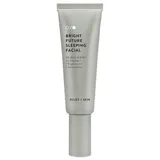 Allies of Skin Bright Future Sleeping Facial | Current | $103.00 | |
CeraVe Blemish Control Gel Moisturiser with 2% Salicylic Acid & Niacinamide for Blemish-Prone Skin | 72% | ≈ $16.59 | |
skintific AHA BHA PHA Exfoliating Pads | 70% | $15.21 | |
 Pacifica Glow Baby Brightening Peel Pads | 70% | ≈ $12.47 | |
 Skinfix Resurface+ AHA/BHA Niacinamide Exfoliating Pads for Face and Targeted Body | 69% | ≈ $48.45 | |
 Clark's Botanical 7-Acid Daily Glow Peel | 67% | $80.00 |
Key Actives
Is proven to be effective in reducing blemishes, evening out skin tone and helping to improve lines and wrinkles. It helps the skin to repair sun damage, calm down inflammation and keep maintain good levels of moisture. The concentration of about 2% is effective for supporting the skin barrier and evening out the skin tone. Concentration of 4-6% is better for helping with acne and balancing the sebum production
Used for skin exfoliation. It has an anti-inflammatory and anti-bacterial effect, helps to unclog pores, prevent blemishes and speed up healing of the existing ones. Sometimes referred to as a BHA (beta-hydroxy acid)
An alpha-hydroxy acid (AHA) that helps to remove the dead skin cells on the surface of the skin reveling a more even, smoother complexation. It is also able to stimulate collagen production with long-term use. Could help to reduce pore congestion. It can be irritating to the skin. Apply sunscreen daily if using products with glycolic acid
An exfoliating and moisturizing alpha-hydroxy acid (AHA). Typically causes less irritation than other AHAs, for example, glycolic acid. At high concentrations (about 15%), lactic acid can help reduce lines and wrinkles. Recent studies show that lactic acid can support the "good" bacteria living on skin's surface (healthy skin microbiome)
A phospholipid. It is naturally present in skin and plays a signaling role there. It is involved in cell prolifiratio, skin inflammatory responses and wound healing. In cosmetics, it might help to support the skin barrier function
One step removed from the biologically active in skin form of vitamin A. Once converted to the retinoic acid in the skin, retinal is proven to be effective against all signs of aging. It improves skin cell turnover, helps fight blemishes and clogged pores, can regulate excess oil production and even skin tone. Concentrations of 0.05% and 0.1% are shown to be effective. It can, however, be irritating
Brown seaweed extract. Can help attract water to the upper layer of the skin and might have some antioxidant effect
Brown seaweed extract. Can help attract water to the upper layer of the skin and might have some antioxidant effect
One of the best moisturizing ingredients. Naturally present in skin. It attracts water to the upper layer of the skin working as a humectant
One of the best moisturizing ingredients. Attracts water into the upper layer of the skin
Helps attract water to the upper layer of the skin. Is often used to adjust the pH level of the product
Helps attract water to the upper layer of the skin
Potential irritants
An alpha-hydroxy acid (AHA) that helps to remove the dead skin cells on the surface of the skin reveling a more even, smoother complexation. It is also able to stimulate collagen production with long-term use. Could help to reduce pore congestion. It can be irritating to the skin. Apply sunscreen daily if using products with glycolic acid
Used for skin exfoliation. It has an anti-inflammatory and anti-bacterial effect, helps to unclog pores, prevent blemishes and speed up healing of the existing ones. Sometimes referred to as a BHA (beta-hydroxy acid)
A plant extract. Can help attract water the upper layer of the skin and might have some anti-oxidant properties
A berry extract that can have some anti-oxidant properties. It helps to preserve product formulations and improve their smell. It can be irritating
One step removed from the biologically active in skin form of vitamin A. Once converted to the retinoic acid in the skin, retinal is proven to be effective against all signs of aging. It improves skin cell turnover, helps fight blemishes and clogged pores, can regulate excess oil production and even skin tone. Concentrations of 0.05% and 0.1% are shown to be effective. It can, however, be irritating
Is claimed to be able to brighten skin tone by removing some blood-related pigmented compounds in skin (hemoglobin and related elements) but solid research is missing. Can be irritating
A plant extract that might help neutralize free radicals in skin. Can contain volalite oils and be irritating
A plant extract that might help neutralize free radicals in skin. Can contain volalite oils and be irritating
An essential oil. Potential allergen and can be irritating. It has some anti-bacterial properties
An essential oil. Can be irritating. Can become an allergen with oxidation
An exfoliating and moisturizing alpha-hydroxy acid (AHA). Typically causes less irritation than other AHAs, for example, glycolic acid. At high concentrations (about 15%), lactic acid can help reduce lines and wrinkles. Recent studies show that lactic acid can support the "good" bacteria living on skin's surface (healthy skin microbiome)
Helps attract water to the upper layer of the skin. Is often used to adjust the pH level of the product
Helps neutralize free radicals in skin and might help to reduce inflammation
Used to preserve products, dissolve other ingredients and create a nice product texture
Comedogenic ingredients
We couldn't find any comedogenic ingredients in this product
All ingredients
One of the best moisturizing ingredients. Naturally present in skin. It attracts water to the upper layer of the skin working as a humectant
An alpha-hydroxy acid (AHA) that helps to remove the dead skin cells on the surface of the skin reveling a more even, smoother complexation. It is also able to stimulate collagen production with long-term use. Could help to reduce pore congestion. It can be irritating to the skin. Apply sunscreen daily if using products with glycolic acid
Acts as a solvent for other ingredients. Speeds up the absorption of other ingredients into the skin
Is proven to be effective in reducing blemishes, evening out skin tone and helping to improve lines and wrinkles. It helps the skin to repair sun damage, calm down inflammation and keep maintain good levels of moisture. The concentration of about 2% is effective for supporting the skin barrier and evening out the skin tone. Concentration of 4-6% is better for helping with acne and balancing the sebum production
Used to create a nice product texture and help delivery of other ingredients. Might be somewhat helpful in attracting water to the upper layer of the skin
An exfoliating and moisturizing alpha-hydroxy acid (AHA). Typically causes less irritation than other AHAs, for example, glycolic acid. At high concentrations (about 15%), lactic acid can help reduce lines and wrinkles. Recent studies show that lactic acid can support the "good" bacteria living on skin's surface (healthy skin microbiome)
Used for skin exfoliation. It has an anti-inflammatory and anti-bacterial effect, helps to unclog pores, prevent blemishes and speed up healing of the existing ones. Sometimes referred to as a BHA (beta-hydroxy acid)
One of the best moisturizing ingredients. Attracts water into the upper layer of the skin
Brown seaweed extract. Can help attract water to the upper layer of the skin and might have some antioxidant effect
Helps attract water to the upper layer of the skin. Is often used to adjust the pH level of the product
Helps attract water to the skin and might have some anti-bacterial properties. Can be an allergen
Brown seaweed extract. Can help attract water to the upper layer of the skin and might have some antioxidant effect
A plant extract. Can help attract water the upper layer of the skin and might have some anti-oxidant properties
Helps neutralize free radicals in skin and might help to reduce inflammation
A phospholipid. It is naturally present in skin and plays a signaling role there. It is involved in cell prolifiratio, skin inflammatory responses and wound healing. In cosmetics, it might help to support the skin barrier function
A berry extract that can have some anti-oxidant properties. It helps to preserve product formulations and improve their smell. It can be irritating
Lecithin derivative. It helps oil and water mix together and can enhance penetration of other ingredients. It helps soften the upper layer of the skin
One step removed from the biologically active in skin form of vitamin A. Once converted to the retinoic acid in the skin, retinal is proven to be effective against all signs of aging. It improves skin cell turnover, helps fight blemishes and clogged pores, can regulate excess oil production and even skin tone. Concentrations of 0.05% and 0.1% are shown to be effective. It can, however, be irritating
Is claimed to be able to brighten skin tone by removing some blood-related pigmented compounds in skin (hemoglobin and related elements) but solid research is missing. Can be irritating
Lecithin derivative. It helps oil and water mix together and can enhance penetration of other ingredients. It helps soften the upper layer of the skin
Used mostly for creating emulsions - helping oil and water mix together. Helps soften the upper layer of the skin
A plant extract that might help neutralize free radicals in skin. Can contain volalite oils and be irritating
A plant extract that might help neutralize free radicals in skin. Can contain volalite oils and be irritating
An essential oil. Potential allergen and can be irritating. It has some anti-bacterial properties
An essential oil. Can be irritating. Can become an allergen with oxidation
A type of sugar that is used to support delivery of active ingredients and can enhance their penetration into the skin without disrupting the skin's barrier
Used to preserve products, dissolve other ingredients and create a nice product texture
A preservative. It helps prevent bacterial growth in cosmetic products
Ingredient list view
Water, Glycerin, Glycolic acid, Propanediol, Niacinamide, Triethyl citrate, Butylene glycol, Hydrolyzed silk, Lactic acid, Salicylic acid, Yogurt, Sodium hyaluronate, Dimethyl sulfone, Diglucosyl gallic acid, Ascophyllum nodosum extract, Sodium lactate, Mel, Honey, Ascophyllum nodosum extract, Hydrolyzed opuntia ficus-indica flower extract, Rosmarinyl glucoside, Lysophosphatidic acid, Rubus chamaemorus seed oil, Polygonum cuspidatum extract, Lysolecithin, Caffeyl glucoside, Gallyl glucoside, Retinal, Phenyl t-butylnitrone, N-hydroxysuccinimide, Mirabilis jalapa flower/leaf/stem extract, Lysolecithin, Lecithin, Galactoarabinan, Lonicera caprifolium flower extract, Lonicera japonica flower extract, Lavandula angustifolia oil, Pelargonium graveolens flower oil, Cyclodextrin, Xanthan gum, Polyacrylate crosspolymer-6, Acetyl tributyl citrate, Pentylene glycol, Ethylhexylglycerin, Tetrasodium edta, O-cymen-5-ol, Sclerotium gum, Sodium gluconate, Sodium hydroxide, Phenoxyethanol, Citronellol, Geraniol, Linalool
- Glycerol and the skin: holistic approach to its origin and functions
- Photoprotective and antiinflammatory effects of topical glycolic acid
- Glycolic acid peel therapy – a current review
- Dual Effects of Alpha-Hydroxy Acids on the Skin
- Niacinamide - mechanisms of action and its topical use in dermatology
- Gehring, W. (2004). Nicotinic acid/niacinamide and the skin. Journal of Cosmetic Dermatology, 3(2), 88–93. doi:10.1111/j.1473-2130.2004.00115.x
- Citric Acid, Inorganic Citrate Salts and Alkyl Citrate Esters As Used in Cosmetics
- Moisturizing efficiency of silk protein hydrolysate: Silk fibroin
- Epidermal and dermal effects of topical lactic acid
- Dual Effects of Alpha-Hydroxy Acids on the Skin
- Salicylic acid as a peeling agent: a comprehensive review
- Beta Hydroxy Acids
- A review of toxicity from topical salicylic acid preparations
- Glycolic Acid Peels Versus Salicylic–Mandelic Acid Peels in Active Acne Vulgaris and Post‐Acne Scarring and Hyperpigmentation: A Comparative Study
- Hyaluronic acid: A key molecule in skin aging
- Hyaluronan (Hyaluronic Acid): a natural moisturizer for skin care
- The Role of Lysophosphatidic Acid in the Physiology and Pathology of the Skin
- Retinoids in the treatment of skin aging: an overview of clinical efficacy and safety
- VOLATILE CONSTITUENTS FROM THE FLOWERS OF TWO SPECIES OF HONEYSUCKLE ( LONICERA JAPONICA AND LONICERA CAPRIFOLIUM )
- Chemical composition of the essential oils from the flower, leaf and stem of Lonicera japonica
- Fragrance Compound Geraniol Forms Contact Allergens on Air Exposure. Identification and Quantification of Oxidation Products and Effect on Skin Sensitization
- Cyclodextrins: new drug delivery systems in dermatology
- Final report on the safety assessment of acetyl triethyl citrate, acetyl tributyl citrate, acetyl trihexyl citrate, and acetyl trioctyl citrate
- Final Report on the Safety Assessment of Sodium p-Chloro-m-Cresol, p-Chloro-m-Cresol, Chlorothymol, Mixed Cresols, m-Cresol, o-Cresol, p-Cresol, Isopropyl Cresols, Thymol, o-Cymen-5-ol, and Carvacrol
- Allergic contact dermatitis caused by isopropyl methylphenol, a new hapten
- Annex I: Clinical evidence regarding sensitisation to individual fragrance chemicals and to natural extracts