Works for
1 of 2 advertised claims delivered
Moisturizing15 ingredients credited for this claimStrong support
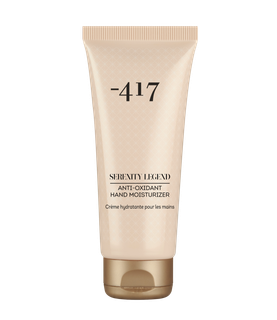
“Anti-Oxidant Hand Moisturizer”
This product can help improve hydration of the skin with the two types of ingredients.
The first type is called “humectants”:
these ingredients help attract water.
When humectants are on the surface of the skin, they “pull in” the moisture from the outside environment, or from
within deeper layers of the skin. The following ingredients in this product do the job:
glycerin.
This product also contains ingredients called “occlusives”. They help reduce the speed with which our skin loses moisture to the outside environment. These ingredients also help soften the upper layer of the skin, so it feels less tight and nicer to the touch. The following ingredients in this product do the job: beeswax, caprylic/capric triglyceride.
The following ingredients in this product are especially good for supporting the skin barrier and helping with the hydration level: linoleic acid
Anti-aging2 ingredients credited for this claimLimited support
“Feel the silky-smooth hand cream, enriched with anti-aging ingredients, that helps neutralize toxins and protect skin from the ravages of environmental pollutants.”
This product does not contain ingredients that are able to reduce fine lines and wrinkles or help with skin elasticity, but it can improve the look of the skin temporarily through moisturization. Well-moisturized skin might also be able to repair the sun damage better.
Can it cause trouble?
Irritancy8 strong irritants: Parfum, Limonene + 6 more — patch-test recommendedHigh risk
Comedogenic3 ingredients rated 2 or more on the 0–5 pore-clogging scale3 flagged


User reviews
Be the first — your take helps the next person decide.
Ingredients
Filter by role to see what each ingredient is doing.
Water~40–60%
Glycerin~3.9–5.8%
- Irritation risk
- Low
One of the best moisturizing ingredients. Naturally present in skin. It attracts water to the upper layer of the skin working as a humectant
More about GlycerinStearic acid~3.8–5.7%
- Irritation risk
- Low
Helps oil and water mix together and works as an emollient
More about Stearic acidSesamum indicum seed oil~2.8–4.1%
- Irritation risk
- Low
A good moisturizing plant oil. Due to the high linoleic acid content, it helps soften the upper layer of the skin, reduce water loss and support skin barrier function
More about Sesamum indicum seed oilCetyl alcohol~2–3%
- Irritation risk
- Low
A non-drying alcohol that works to soften the skin and stabilize product formulations helping oil and water mix together
More about Cetyl alcoholCaprylic/capric triglyceride~1.7–2.6%
- Irritation risk
- Medium
A good mix of fatty acids that forms a protective layer on the skin. Improves the shelf life of products. Derived from coconut and glycerin
More about Caprylic/capric triglycerideCetearyl alcohol~1.4–2.1%
- Irritation risk
- Low
- Comedogenicity
- 2/5
A non-drying alcohol. Works as an emollient. Helps water and oil mix together and creates a nice product texture
More about Cetearyl alcoholBeeswax~1.3–2%
- Irritation risk
- Low
Forms a protective barrier that holds water and keeps dry skin hydrated. Keeps an emulsion from separating into its oil and liquid components, and increases the thickness of a product. Can be an allergen
More about BeeswaxIsopropyl myristate~1.1–1.6%
- Irritation risk
- Low
- Comedogenicity
- 3/5
An emollient that helps soften the skin. Could be comedogenic
More about Isopropyl myristatePhenoxyethanol~0.5–1%
- Irritation risk
- Low
A preservative. It helps prevent bacterial growth in cosmetic products
More about PhenoxyethanolTriethanolamine~0.5–1.15%
- Irritation risk
- Medium
Used to adjust pH of the product and can help improve the product's smell
More about TriethanolamineSea water~0.4–0.95%
- Irritation risk
- Low
Dissolves other ingredients. It does not have additional skin benefits compared to plain water
More about Sea waterDimethicone~0.4–1%
- Irritation risk
- Low
A silicone that helps to reduce water loss from the surface of the skin. Can temporarily "fill in" lines and wrinkles, absorb oil, and create a nice product finish
More about DimethiconeParfum~0.35–0.75%
- Irritation risk
- High
An aromatic blend of unspecified and possibly irritating ingredients
More about ParfumLimonene~0.3–0.7%
- Irritation risk
- High
A common frangrance that can easily irritate skin, especially if exposed to air, light or heat
More about LimoneneLinalool~0.3–0.7%
Butylphenyl methylpropional~0.2–0.8%
- Irritation risk
- High
A fragrance. Can trigger allergic reactions and be irritating
More about Butylphenyl methylpropionalBenzyl benzoate~0.2–0.7%
- Irritation risk
- High
Fragrance with sweet balsamic smell. Help to preserve products and dissolve other ingredients. Could trigger allergic reactions and be irritating
More about Benzyl benzoateAmyl cinnamal~0.15–0.65%
- Irritation risk
- High
Geraniol~0.15–0.6%
Borago officinalis seed oil~0.15–0.7%
- Irritation risk
- Low
A plant oil that is effective in reducing irritation in skin, restore the barrier function and support its hydration
More about Borago officinalis seed oilOenothera biennis oil~0.15–0.7%
- Irritation risk
- Medium
Helps soften the upper layer of the skin and can support skin barrier function
More about Oenothera biennis oilOlea europaea fruit oil~0.15–0.55%
- Irritation risk
- Medium
An emollient that helps soften the skin but is not effective for restoring its barrier function. Might be helpful to calm down inflammation
More about Olea europaea fruit oilPolysorbate 20~0.15–0.55%
Butyrospermum parkii butter~0.15–0.6%
- Irritation risk
- Low
- Comedogenicity
- 3/5
A great moisturising ingredient that softens the skin and reduces water loss from its upper layer. It also can be helpful in protecting skin from free radicals
More about Butyrospermum parkii butterBenzoic acid~0.1–0.4%
Linoleic acid~0.2–0.7%
- Irritation risk
- Low
An excellent emollient. Helps soften the skin, restore its barrier function, and can help to calm down inflammation. It can be helpful to prevent blemishes and clogged pores
More about Linoleic acidAesculus hippocastanum seed extract~0.1–0.4%
- Irritation risk
- High
Plant extract. Might have some anti-oxidant properties. Can be irritating
More about Aesculus hippocastanum seed extractRetinyl palmitate~0.05–0.25%
- Irritation risk
- High
Three steps removed from the active form of vitamin A - retinoic acid. To have an effect in the skin, it first needs to be converted twice to become the retinoic acid. This means it is less potent than retinol, but could also be less irritating. Once converted to the retinoic acid in the skin, it helps against all signs of aging, improves skin cell turnover and helps fight blemishes and clogged pores. However, in many cosmetic formulations, it is used in a concentration that is too low to have the full effect
More about Retinyl palmitateTocopheryl acetate~0.1–0.3%
- Irritation risk
- Medium
A more stable but less bio-available form of vitamin E compared to Tocopherol. Might help moisturize and protect the skin from free radicals, but mostly used in low concentrations to stabilize other ingredients.
More about Tocopheryl acetateCalcium pantothenate~0.05–0.2%
- Irritation risk
- Low
Helps support skin barrier function improving skin hydration and reducing sensitivity
More about Calcium pantothenateDehydroacetic acid~0.05–0.2%
Ingredient list view
Water, Glycerin, Stearic acid, Sesamum indicum seed oil, Cetyl alcohol, Caprylic/capric triglyceride, Cetearyl alcohol, Beeswax, Isopropyl myristate, Phenoxyethanol, Triethanolamine, Unknown, Sea water, Dimethicone, Parfum, Limonene, Linalool, Butylphenyl methylpropional, Benzyl benzoate, Amyl cinnamal, Geraniol, Borago officinalis seed oil, Oenothera biennis oil, Olea europaea fruit oil, Polysorbate 20, Butyrospermum parkii butter, Benzoic acid, Linoleic acid, Aesculus hippocastanum seed extract, Retinyl palmitate, Tocopheryl acetate, Calcium pantothenate, Dehydroacetic acid
Compare prices
Retailers ranked by price — lowest first.
Worth comparing, line by line.
Match % combines shared ingredients, the first five ingredients, shared actives and hero ingredients, irritancy (lower counts in the alternative's favour), texture and body area. Only products in the same routine step are compared.
| -417Anti-Oxidant Hand MoisturizerYOUR PRODUCT | Vitamin ELavender Body Butter | BiossanceSqualane + Omega Repair Hand Cream | CliniqueDeep Comfort Hand and Cuticle Cream | |
|---|---|---|---|---|
| Match | — | 52% | 52% | 52% |
| Price | $11.22 | $6.60−$4.62 | $16.00+$4.78 | $18.20+$6.98 |
| Shared key ingredients | — | 5 of 11 | 4 of 11 | 4 of 11 |
| Key difference | — | Mineral Oil | Ceramide Np | Cholesterol |
| Irritancy | High | High | Low | Medium |
| Drying alcohol | — | Contains drying alcohol | — | — |
| View product | Shop | Shop | Shop |


Sources cited in this review
Every concentration estimate and effectiveness label is anchored to one of these 17 studies and safety reviews.
- 1
- 2
- 3Triglyceride composition of Sesamum indicum seed oilonlinelibrary.wiley.com
- 4
- 5
- 6Final Report on the Safety Assessment of Dimethicone Copolyoljournals.sagepub.com

Affiliate links · As an Amazon Associate, WIMJ earns from qualifying purchases.