Oiliness
false members have joined this discussion
Start a discussion

Just getting started?
Anita Belle skincare routine




Can't add products
Hello! I tried updating my skincare routine but I can't add products that are not on the site. It's the Mixsoon colagen glass skin mask and the isoi bulgarian rose brightening mask. do you know a way to add those?
Even skin tone
Hi, please recommend me a fragrance free serum for post inflammatory hyperpigmentation, dark spots and even skin tone ( oily and acne prone skin that is sensitive and allergic)
oily and moderate acne skincare review
my derma helped me build this routine on top of oral meds (doxycycline and sprionolactone). ive only been on the meds and this routine for a week. want to get what others think about this.
kkimmy skincare routine



Ingredients to Avoid for Acne-Prone Skin: Stop the Breakouts Before They Start
Why Ingredients Matter for Acne-Prone Skin
f you have persistent breakouts or sensitive oily skin, you’re likely scanning every product label for the cause. Understanding the ingredients to avoid for acne-prone skin can make or break your routine. From pore-clogging oils to irritating alcohols, certain skincare ingredients—especially in moisturizers and serums—can trigger blemishes, inflammation, and blackheads. Let’s decode what to watch for so your skincare routine becomes your skin’s solution, not its problem.
Skincare Ingredient Guide for Acne-Prone Skin
Understanding INCI Names and Marketing Claims
When shopping for skincare, especially if you’re acne-prone, it’s essential to go beyond buzzwords like “oil-free” or “non-comedogenic.” Many pore-clogging or irritating ingredients hide behind scientific names on the ingredient list, known as INCI (International Nomenclature of Cosmetic Ingredients). These names appear on the back of product packaging and can be tricky to decode if you’re unfamiliar.
Common Problematic Ingredients to Avoid
Common culprits include comedogenic oils like Cocos Nucifera (Coconut) Oil, pore-clogging esters such as Isopropyl Myristate, and drying alcohols like Alcohol Denat. Even natural-sounding additions like Lanolin or Limonene can cause breakouts or irritation in sensitive or oily skin types. While silicones like Dimethicone are technically non-comedogenic, some people find they contribute to congestion, especially in humid climates. Learning to recognize these ingredients by name empowers you to make better skincare choices and reduce the risk of flare-ups.
Ingredients to Avoid for Acne-Prone Skin (And Why They Matter)
Some ingredients, though common in commercial skin creams, are notorious for triggering acne. These can clog pores, irritate sensitive skin, or disrupt your skin barrier.
Common Offenders:
Coconut Oil (especially unrefined): Highly comedogenic despite being “natural”
Isopropyl Myristate: Frequently found in primers and creams; clogs pores fast
Lanolin: Derived from sheep’s wool; occlusive and problematic for oily skin
Fragrance (Synthetic or Natural): Can trigger contact dermatitis
Sodium Lauryl Sulfate (SLS): Harsh surfactant that strips the skin, triggering oil overproduction
Deals Ending Soon-Some in days, All while stocks last.
Comedogenic Ingredients to Watch For
Many acne-safe brands advertise “non-comedogenic,” but what does that mean?
Tip: Use skincare ingredient analyzers like INCI Decoder or SkinCarisma to check ratings before purchasing.
Alcohols and Acne – The Hidden Irritants
Some alcohols dehydrate the skin, making acne worse in the long run.
Alcohol Denat., SD Alcohol 40, Ethanol: Disrupt the skin barrier
Causes: Redness, overproduction of oil, and inflammation
Use fatty alcohols like cetearyl alcohol instead—they’re non-irritating and good for skin texture.
Natural Ingredients That Can Be Irritating
Just because it’s natural doesn’t mean it’s good for acne-prone skin.
Essential Oils (Lavender, Lemon, Peppermint): Often photosensitizing and irritating
Shea Butter (raw): Heavy occlusive—not ideal for oily skin types
Cocoa Butter: High comedogenic rating, especially in body products
Skincare Ingredients to Avoid by Acne Type
For Hormonal Acne
Hormonal acne often shows up along the jawline or chin and is typically influenced by fluctuations in estrogen, testosterone, or progesterone. It tends to flare up cyclically, especially around your menstrual cycle.
Avoid: Coconut oil, mineral oil, and heavy moisturizers—these can clog pores and worsen deep, inflamed breakouts associated with hormonal shifts. Use: Look for balancing and anti-inflammatory ingredients like niacinamide (regulates sebum), salicylic acid (clears pores), and zinc (reduces hormonal inflammation).
For Fungal Acne (Malassezia Folliculitis)
Often mistaken for regular acne, fungal acne is caused by an overgrowth of yeast on the skin. It shows up as small, itchy, uniform bumps—usually on the forehead, chest, or back.
Avoid: Fatty acids and esters like polysorbates and lauric acid—these feed the yeast and exacerbate the condition. Many rich moisturizers, sunscreens, and balms contain these. Use: Choose antifungal agents such as sulfur, ketoconazole, or azelaic acid, which help restore microbial balance and reduce inflammation.
For Cystic Acne
This is the most severe type of acne, presenting as large, painful, under-the-skin nodules. It often leads to scarring if not treated properly.
Avoid: Ingredients like lanolin, fragrance, and thick occlusives (like certain balms and ointments) that trap heat and oil under the skin. These can further irritate already-inflamed tissue. Use: Powerhouse actives like retinol (speeds up cell turnover), benzoyl peroxide (kills acne-causing bacteria), and green tea extract (a soothing antioxidant) can help manage inflammation and reduce flare-ups over time.
Top 5 Skincare Products – Compare Their Ingredients
Note: “Problematic” doesn’t mean harmful for everyone, just worth watching if your skin reacts or breaks out easily.
How to Check Your Skincare Products
Here’s how to keep your routine breakout-free:
Use tools like INCI Decoder or SkinCarisma to paste ingredient lists.
Avoid anything rated 3–5 on the comedogenic scale.
Watch for combo traps: a product might be “non-comedogenic” but still full of fragrance or alcohol.
FAQs – Ingredients to Avoid for Acne-Prone Skin
What ingredients cause acne in skincare products?
Common offenders include comedogenic oils (like coconut oil), synthetic fragrance, lanolin, and drying alcohols. These can clog pores or irritate inflamed skin.
Can “clean beauty” products still cause breakouts?
Yes. “Clean” doesn’t mean safe for acne. Natural oils and botanicals (like cocoa butter or lavender oil) may smell lovely, but still clog pores or trigger flare-ups.
How can I tell if a product is comedogenic?
Check for a comedogenic rating, look it up on ingredient databases, or search Reddit threads for firsthand reviews. Always patch test!
Are silicones bad for acne-prone skin?
Not always. Dimethicone, for example, is non-comedogenic and can protect the skin. But some people find them occlusive, so it’s a trial-and-error thing.
Should I avoid moisturizers if I have acne?
No! Just choose oil-free, non-comedogenic moisturizers with calming ingredients like niacinamide, ceramides, and hyaluronic acid.
Final Thoughts – Skincare Smarts for Acne-Prone Skin
Don’t fall for the “natural is always better” or “alcohol-free means safe” hype. Acne-prone skin is sensitive to certain textures, ingredients, and combinations, so knowing what to avoid is just as important as knowing what to use.
Use this article as a checklist before you buy your next serum or moisturizer. And remember: great skincare starts with smart ingredient choices, not just flashy packaging.
Currently repairing my damage skin barrier
I used aestura 365 atobarrier cream reformulted mostly Pm and rarely Am and Cetaphil gentle skin cleanser every night before i apply aestura 365 atobarrier cream reformulted . Also in this app/website aestura 365 atobarrier cream reformulted is not shown it seems only the original one it looks like .
Kashmung skincare routine


Is this ingredient pore clogging?
what level of pore clogging is this ingredient?
Sunscreen
Hi, i use any sunscreen is greasy and shiny and breaked me out .please recommend me a fragrance free sunscreen suit for very oily and acne prone skin that is sensitive (with greate uvA and B protection )
A daily use and a water resistant
My skin prone to hyperpigmentation, do Korean sunscreens provide complete protection?
(Goodal, numbuzin 1, anua, cosrx purito orange ,...)
Sunscreen
What's the best fragrance free and non comedogenic korean sunscreen for oily and very acne prone skin that is sensitive ?Please recommend
And Is goodal chemical sunscreen or caudalie light cream sunscreen suit?
Harming or helping me?
I know the Cerave moisturizing cream is quite thick and creamy for my oily skin but it feels good on my skin. What products should I remove from my routine?
Dee5 skincare routine
Routine effective for diminishing the size of pores?
I'm 41 years old with large visible pores on my cheeks, nose, and forehead with combo skin and an oily T zone. Makeup tends to get shiny on me by the end of the day. I have very fair skin and my face also randomly turns red sometimes even if I haven't used any products on my face. This is the routine I try to use daily and am wondering if it's truly effective in the longterm for reducing the size of my pores while also being anti-aging.
 Glycolic Acid 7% Toning Solution
 Vitamin C Serum
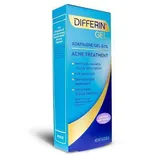
 Adapalene Gel 0.1% Acne Treatment
 Salicylic Acid 2% Solution
 Ultra Sheer Dry-Touch Sunscreen Broad Spectrum SPF 70
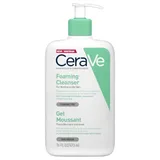
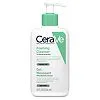
 Foaming Facial Cleanser
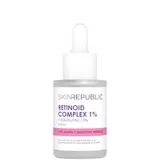
 Niacinamide 10% + Zinc 1%
 Moisture Surge 100H Auto-Replenishing Hydrator Moisturiser
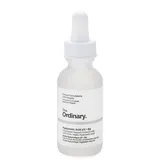
 Hyaluronic Acid 2% + B5
 Skin Renewing Night Cream
The Items I Currently Own

Looking to decrease size of pores
I'm age 41 with combo skin (oily T zone) looking to decrease the size of the large pores on my cheeks, nose, and forehead, while avoiding products with irritants--I'm very fair and my face will randomly turn red sometimes even if I haven't used any products on my skin that day. Also looking to add include some anti-aging ingredients. Would like to stick to a low budget but would not be opposed to going up to mid-range price on some products. (Note: I have note started using any of the products listed in my routine here; I'm new to the site and this is what was recommended to me. I currently used The Ordinary's glycolic acid toner, hyaluronic acid and niacinamide serums, and Clinique's 100H moisture surge moisturizer.)
eclecticmuses skincare routine

Use as often as you'd like, and at least twice per day. In the morning, apply it before your sunscreen. Let it sink into your skin first - it might take 1-5 minutes because of the rich texture of this product.

You can apply this product either during the day or at night, before your moisturizer or sunscreen. You can also apply it as a spot treatment only - as in directly on inflamed blemishes or in the area where you get clogged pores. We recommend that you use the product no more than once a week on larger areas of your face. More frequent use can result in skin irritation.

Use a generous amount of product to remove all dirt, sunscreen or makeup in one step. There is no need to double-cleanse. It is a good idea to always finish cleansing with a splash of clean water to remove any residue from the cleanser. Most people only need to cleanse their skin with a cleanser once per day, at night. It is the first step of a night skincare routine.

Use this product up to two times per week, either day or night, on clean skin. Follow up with your moisturizer or sunscreen.
Effectiveness
Is this too much?
Is it effective?
RnB skincare routine


Barrier repair
Hi, please recommend me a fragrance free and fungal acne safe moisturizer or serum with ceramide and Niacinamide.
Skin routine
Hello, my skin is very oily and acne prone and fungal acne prone, but at the same time is sensitive and thin with fine lines and uneven skin tone. Every product I use breaks me out. Can you recommend me a suitable skin routine? I only use vanicream gel cleanser. i think my skin barrier damaged .
I need to change my routine a little bit.
Looking for different options for mature skin. Especially under eye cream I do get Botox but maybe twice a year but I need something good to unclog pores or I need to be more consistent on exfoliation days.
Gdan skincare routine

Is my routine efficient and sufficient for +35y.o. female with oily/combination skin?
So I don’t like to spend 30min in the morning just to layer many products. Ideally I would like to use 3-5 items at the time so I can target my aging, oily, sometimes prone to breakout skin. I think I’m pairing not correctly my current products.
I like Korean skin scare products, I found them good value for money and more noticeable effects than others. Price range let’s say up to 30-35$ per item.
Goda skincare routine



Fungal acne safe moisturizer
Hi, please recommend me a fungal acne safe moisturizer with Niacinamide and Glycerin
Hello from kgm
Summer is hell for me, sweating and shiny. I'm 76, but quite unwrinkled since I hate the sun.
Looking for substitute for Erno Laszios Shake It tinted toner, now much too expensive for me. I tend towards oily, which saves me from wrinkles. Problems now from enlarged pores, discoloration (spots of red, brown, purple annoying) and constant shine and oily look. Bags under the eyes and all those wonderful aging things,
My routine is pretty lazy, Dove or Laszio's black soap. Practically never moisturize during day, but at night with any number of moderately priced high-rated brands like Cerave etc
Hello, can someone please help?
I have an oily acne prone skin and l’m new to all skincare things, can someone please tell me if I can use these products together? I heard that some products contain ingredients that should not be mixed together and I feel lost, I don’t want to mess up and cause a breakout on my skin because it is bad as it is, I don’t mind if someone can recommend me other products I would be thankful ❤️
Jood skincare routine