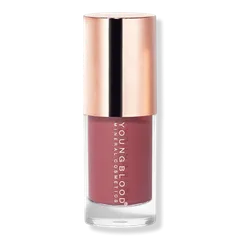
Works for:
based on ingredients and %- Moisturizing
- Anti-aging
Can it cause trouble?
- Irritation risk: high
- Comedogenic risk ingredients: 2
Key actives

Works for
Moisturizing
What does the product description say?
Indulge your lips with intense hydration and lavish shine with EverGlow Lip Oil®.
Source: Ulta
This product can help improve hydration of the skin with the two types of ingredients.
The first type is called “humectants”:
these ingredients help attract water.
When humectants are on the surface of the skin, they “pull in” the moisture from the outside environment, or from
within deeper layers of the skin. The following ingredients in this product do the job:
glycerin, sodium hyaluronate.
This product also contains ingredients called “occlusives”. They help reduce the speed with which our skin loses moisture to the outside environment. These ingredients also help soften the upper layer of the skin, so it feels less tight and nicer to the touch. The following ingredients in this product do the job: bis-diglyceryl polyacyladipate-2, caprylic/capric triglyceride.
The following ingredients in this product are especially good for supporting the skin barrier and helping with the hydration level: palmitoyl tripeptide-1
Helps soften the upper layer of the skin and reduce water loss from its surface
One of the best moisturizing ingredients. Naturally present in skin. It attracts water to the upper layer of the skin working as a humectant
An emollient that helps soften the upper layer of the skin. Might have some weak anti-oxidant properties
A plant oil that helps soften the upper layer of the skin and can support skin's barrier function due to its high content of linoleic acid. It also has anti-microbial properties
A type of peptide. Peptides are excellent moisturizers and might be able support collagen production reducing fine lines and wrinkles
An emollient that helps soften the skin
One of the best moisturizing ingredients. Attracts water into the upper layer of the skin
A good mix of fatty acids that forms a protective layer on the skin. Improves the shelf life of products. Derived from coconut and glycerin
An emollient that helps soften the skin and create a nice product texture
Helps soften the upper layer of the skin and improve the product texture
Helps soften the upper layer of the skin
Helps to soften the upper layer of the skin
Used to create a thicker product consistency and soften the upper layer of the skin
An emollient that can also help water and oil mix together, as well as prevent bacteria growth in products
An emollient that helps to soften the skin and create a pleasant product texture and stabilize the formulation
An exfoliating and moisturizing alpha-hydroxy acid (AHA). Typically causes less irritation than other AHAs, for example, glycolic acid. At high concentrations (about 15%), lactic acid can help reduce lines and wrinkles. Recent studies show that lactic acid can support the "good" bacteria living on skin's surface (healthy skin microbiome)
Pure form of vitamin E. Can help moisturise and protect the skin from free radicals. Often used to help stabilise other ingredients or the formula itself
Anti-aging
What does the product description say?
Ultra Filling SpheresTM help smooth the look of fine lines for an even, perfected finish, while Maxi-LipTM peptides and Mustard Sprout extracts enhance the appearance of fuller, more defined lips.
Source: Ulta
This product contains palmitoyl tripeptide-1. This ingredient might be able to help reduce and prevent fine lines and wrinkles, improve skin elasticity and firmness, but there is not enough evidence that it actually works.
A type of peptide. Peptides are excellent moisturizers and might be able support collagen production reducing fine lines and wrinkles
An exfoliating and moisturizing alpha-hydroxy acid (AHA). Typically causes less irritation than other AHAs, for example, glycolic acid. At high concentrations (about 15%), lactic acid can help reduce lines and wrinkles. Recent studies show that lactic acid can support the "good" bacteria living on skin's surface (healthy skin microbiome)
Pure form of vitamin E. Can help moisturise and protect the skin from free radicals. Often used to help stabilise other ingredients or the formula itself
How honest is this product?
| Promise | Can it deliver? |
|---|---|
| Moisturizing | |
| Anti-aging |
Total Promises Fulfilled score: 87/100.
We receive a small commission for purchases made through these links at no cost for you. Thank you for your support! Learn more
Potential irritants
Comedogenic ingredients
User reviews (0)
Averages from community submissions.
No reviews yet for this product.
Be the first to share your experience!
Tried this product?
Help capture what the ingredient list can't—texture, finish, pilling, scent, and more. Answer what you can, skip the rest.
Takes ~30 seconds.
Reviews are shown in aggregate. No personal details.
| Product | Similarity | Price | Irritancy |
|---|---|---|---|
 Youngblood Mineral Cosmetics EverGlow Lip Oil | Current | $34.00 | |
 Sweet July Skin Lip Treatment | 41% | $20.00 | |
 Burberry Beauty Kisses Lip Lacquer | 38% | ≈ $40.23 | |
 Paula's choice Pro-Collagen Peptide Plumping Gloss Balm Lip Treatment | 37% | $19.20 | |
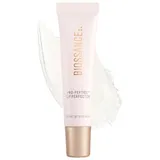 Biossance Pro-Peptide Hydrating Lip Perfector Balm with Hyaluronic Acid | 37% | ≈ $18.60 | |
 FENTY BEAUTY by Rihanna Gloss Bomb Cream Color Drip Lip Cream | 36% | ≈ $19.32 |
Key Actives
An exfoliating and moisturizing alpha-hydroxy acid (AHA). Typically causes less irritation than other AHAs, for example, glycolic acid. At high concentrations (about 15%), lactic acid can help reduce lines and wrinkles. Recent studies show that lactic acid can support the "good" bacteria living on skin's surface (healthy skin microbiome)
Pure form of vitamin E. Can help moisturise and protect the skin from free radicals. Often used to help stabilise other ingredients or the formula itself
An emollient that helps soften the upper layer of the skin. Might have some weak anti-oxidant properties
An emollient that helps soften the skin
A type of peptide. Peptides are excellent moisturizers and might be able support collagen production reducing fine lines and wrinkles
Helps soften the upper layer of the skin and reduce water loss from its surface
A good mix of fatty acids that forms a protective layer on the skin. Improves the shelf life of products. Derived from coconut and glycerin
One of the best moisturizing ingredients. Naturally present in skin. It attracts water to the upper layer of the skin working as a humectant
A plant oil that helps soften the upper layer of the skin and can support skin's barrier function due to its high content of linoleic acid. It also has anti-microbial properties
One of the best moisturizing ingredients. Attracts water into the upper layer of the skin
Works as a UV filter when used in high concentrations. It is photostable and is effective mostly against the UVB light, with some protection in the UVA range. In small concentrations, used for its ability to improve the color of cosmetic products. Is usually well tolerated by the skin
Potential irritants
An aromatic blend of unspecified and possibly irritating ingredients
A preservative. Can be used to mask unpleasant smell. Can be irritating
Fragrance with sweet balsamic smell. Help to preserve products and dissolve other ingredients. Could trigger allergic reactions and be irritating
Used to create a thicker product consistency and stabilize the formulation
A good mix of fatty acids that forms a protective layer on the skin. Improves the shelf life of products. Derived from coconut and glycerin
An emollient that helps soften the upper layer of the skin. Might have some weak anti-oxidant properties
A plant oil that helps soften the upper layer of the skin and can support skin's barrier function due to its high content of linoleic acid. It also has anti-microbial properties
A more stable but less bio-available form of vitamin E compared to Tocopherol. Might help moisturize and protect the skin from free radicals, but mostly used in low concentrations to stabilize other ingredients.
An exfoliating and moisturizing alpha-hydroxy acid (AHA). Typically causes less irritation than other AHAs, for example, glycolic acid. At high concentrations (about 15%), lactic acid can help reduce lines and wrinkles. Recent studies show that lactic acid can support the "good" bacteria living on skin's surface (healthy skin microbiome)
Comedogenic ingredients
An emollient that helps soften the skin and create a nice product texture
All ingredients
Helps soften the upper layer of the skin
Used to create a thicker product consistency and stabilize the formulation
Helps soften the upper layer of the skin and reduce water loss from its surface
A good mix of fatty acids that forms a protective layer on the skin. Improves the shelf life of products. Derived from coconut and glycerin
An emollient that helps soften the skin and create a nice product texture
An emollient that can also help water and oil mix together, as well as prevent bacteria growth in products
An emollient that helps to soften the skin and create a pleasant product texture and stabilize the formulation
Used to create a thicker product consistency and soften the upper layer of the skin
Helps soften the upper layer of the skin and improve the product texture
One of the best moisturizing ingredients. Naturally present in skin. It attracts water to the upper layer of the skin working as a humectant
An emollient that helps soften the upper layer of the skin. Might have some weak anti-oxidant properties
A plant oil that helps soften the upper layer of the skin and can support skin's barrier function due to its high content of linoleic acid. It also has anti-microbial properties
A more stable but less bio-available form of vitamin E compared to Tocopherol. Might help moisturize and protect the skin from free radicals, but mostly used in low concentrations to stabilize other ingredients.
An exfoliating and moisturizing alpha-hydroxy acid (AHA). Typically causes less irritation than other AHAs, for example, glycolic acid. At high concentrations (about 15%), lactic acid can help reduce lines and wrinkles. Recent studies show that lactic acid can support the "good" bacteria living on skin's surface (healthy skin microbiome)
A preservative. It helps prevent bacterial growth in cosmetic products
Pure form of vitamin E. Can help moisturise and protect the skin from free radicals. Often used to help stabilise other ingredients or the formula itself
One of the best moisturizing ingredients. Attracts water into the upper layer of the skin
A type of peptide. Peptides are excellent moisturizers and might be able support collagen production reducing fine lines and wrinkles
An aromatic blend of unspecified and possibly irritating ingredients
A preservative. Can be used to mask unpleasant smell. Can be irritating
Fragrance with sweet balsamic smell. Help to preserve products and dissolve other ingredients. Could trigger allergic reactions and be irritating
An umbrella term for the following three colorants: CI 77491, CI 77492, CI 77499. They might be able to offer some protection against visible light, but the degree of the protection is not clear
Works as a UV filter when used in high concentrations. It is photostable and is effective mostly against the UVB light, with some protection in the UVA range. In small concentrations, used for its ability to improve the color of cosmetic products. Is usually well tolerated by the skin
Ingredient list view
Oleic/linoleic/linolenic polyglycerides, Diisostearyl malate, Bis-behenyl/isostearyl/phytosteryl dimer dilinoleyl dimer dilinoleate, Polyglyceryl-6 polyricinoleate, Polyhydroxystearic acid, Bis-diglyceryl polyacyladipate-2, Caprylic/capric triglyceride, Ethylhexyl palmitate, Silica dimethyl silylate, Glyceryl caprylate, Octyldodecanol, Tribehenin, Trihydroxystearin, Glycerin, Caprylhydroxamic acid, Argania spinosa kernel oil, Opuntia ficus-indica seed oil, Prunus armeniaca kernel oil, Tocopheryl acetate, Sorbitan isostearate, Brassica alba sprout extract, Lactic acid, Phenoxyethanol, Tocopherol, Sodium hyaluronate, Ethylhexylglycerin, Glucomannan, Palmitoyl tripeptide-1, Barium sulfate, Parfum, Benzyl alcohol, Benzyl benzoate, Benzyl salicylate, Dimethyl phenethyl acetate, Geranyl acetate, Hexyl cinnamal, Iron oxides, Titanium dioxide, Ci 15850, Ci 15850, Blue 1 lake, Ci 45410
- Safety assessment of bis-diglyceryl polyacyladipate-2 and bis-diglyceryl polyacyladipate-1 as used in cosmetics
- Glycerol and the skin: holistic approach to its origin and functions
- Natural vegetable fats in the prevention of irritant contact dermatitis
- The Antimicrobial and Wound Healing Potential of Opuntia ficus indica L. inermis Extracted Oil from Tunisia
- Allergic contact dermatitis due to Opuntia ficus‐indica var. saboten
- Epidermal and dermal effects of topical lactic acid