
Works for:
based on ingredients and %- Moisturizing
- Exfoliation
Can it cause trouble?
- Irritation risk: high
- Comedogenic risk ingredients: 1
Key actives


Product Summary
"Vaseline - Intensive Care Body Lotion Aloe Sooth" is a well-rounded moisturizing product. To work well, any moisturizer needs to include a combination of water-binding and emollient ingredients. Vaseline - Intensive Care Body Lotion Aloe Sooth ticks this box. Humectants in this product (glycerin and hydroxyethyl urea) help to increase the water content in the upper layer of the skin. (These ingredients do so by "capturing" water molecules from the outside air or from within the deeper layers of the skin). Emollients in this formulation (paraffinum liquidum, isopropyl myristate, dimethicone, cetyl alcohol and glyceryl stearate) help to reduce the moisture loss from the skin. They also soften the skin surface and relieve the feeling of dryness and tightness.
Irritation risk
There are quite a few common irritants in this product, including ingredients without particular skin benefits. We would not recommend it for sensitive skin. We assess the overall irritancy of this moisturizer to be high. For a detailed overview of all potential irritants: click here
You can see the detailed formula review with the breakdown of all actives in the product and the full ingredient list with estimated concentrations in the tables below.
Price
The product retails for 17.99€ in Germany and for 9.99£ in the United Kingdom.
For a detailed price comparison: click here.
Works for
Exfoliation
This product can help exfoliate the skin. In other words, it helps break down the bonds between dead cells on the surface of the skin and speed up the skin turnover. Skin often appears softer and brighter after exfoliation, but overdoing it can result in disrupted skin barrier. The following ingredient is doing the exfoliating job in this product: hydroxyethyl urea.
A derivative of urea, a compound that is naturally present in skin. Attracts water to the upper layer of the skin. Can enhance penetration of other ingredients
An exfoliating and moisturizing alpha-hydroxy acid (AHA). Typically causes less irritation than other AHAs, for example, glycolic acid. At high concentrations (about 15%), lactic acid can help reduce lines and wrinkles. Recent studies show that lactic acid can support the "good" bacteria living on skin's surface (healthy skin microbiome)
Moisturizing
What does the product description say?
Daily body lotion best for dry skin, rough skin and irritated skin.
Source: Feelunique
This product can help improve hydration of the skin with the two types of ingredients.
The first type is called “humectants”:
these ingredients help attract water.
When humectants are on the surface of the skin, they “pull in” the moisture from the outside environment, or from
within deeper layers of the skin. The following ingredients in this product do the job:
glycerin, hydroxyethyl urea.
This product also contains ingredients called “occlusives”. They help reduce the speed with which our skin loses moisture to the outside environment. These ingredients also help soften the upper layer of the skin, so it feels less tight and nicer to the touch. The following ingredients in this product do the job: dimethicone, isopropyl myristate.
The following ingredients in this product are especially good for supporting the skin barrier and helping with the hydration level: paraffinum liquidum
Mineral oil. One of the most effective and well studied occlusive and emollient moisturizing ingredients. Helps reduce moisture loss in skin and repair skin barrier function
One of the best moisturizing ingredients. Naturally present in skin. It attracts water to the upper layer of the skin working as a humectant
A silicone that helps to reduce water loss from the surface of the skin. Can temporarily "fill in" lines and wrinkles, absorb oil, and create a nice product finish
A derivative of urea, a compound that is naturally present in skin. Attracts water to the upper layer of the skin. Can enhance penetration of other ingredients
An emollient that helps soften the skin. Could be comedogenic
A non-drying alcohol that works to soften the skin and stabilize product formulations helping oil and water mix together
An emollient that is naturally present in skin and helps soften it
Traditionally used to treat sunburns, dermatitis and inflammation, but evidence for its effectiveness is lacking. The extract can contain humectants that help attract water into the skin
Helps oil and water mix together and works as an emollient
An emollient that softens the skin and forms a protective layer on its surface. Helps water and oil mix together
One of the most effective and the most studied occlusive ingredients that creates a protective layer on top of the skin preventing moisture loss
An exfoliating and moisturizing alpha-hydroxy acid (AHA). Typically causes less irritation than other AHAs, for example, glycolic acid. At high concentrations (about 15%), lactic acid can help reduce lines and wrinkles. Recent studies show that lactic acid can support the "good" bacteria living on skin's surface (healthy skin microbiome)
How honest is this product?
| Promise | Can it deliver? |
|---|---|
| Moisturizing |
Total Promises Fulfilled score: 100/100.
We receive a small commission for purchases made through these links at no cost for you. Thank you for your support! Learn more
Affiliate link · supports WIMJ at no cost to you
Potential irritants
Comedogenic ingredients
User reviews (0)
Averages from community submissions.
No reviews yet for this product.
Be the first to share your experience!
Tried this product?
Help capture what the ingredient list can't—texture, finish, pilling, scent, and more. Answer what you can, skip the rest.
Takes ~30 seconds.
Reviews are shown in aggregate. No personal details.
| Product | Similarity | Price | Irritancy |
|---|---|---|---|
 Vaseline Intensive Care Body Lotion Aloe Sooth | Current | ≈ $20.19 | |
Garnier Body Repair Body Lotion Dry Skin | 55% | ≈ $8.00 | |
 Neutrogena Hypoallergenic Body Lotion Dryskin | 55% | - | |
 Clinique Dramatically Different Moisturizing Lotion+ Tube | 53% | ≈ $26.66 | |
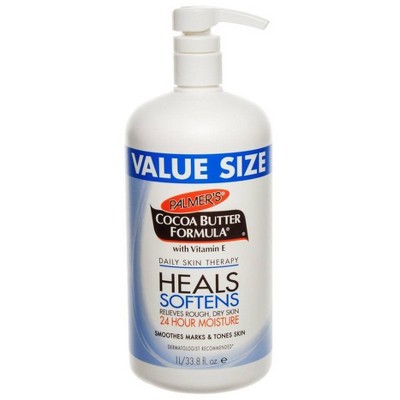 Palmers Cocoa Butter Formula Lotion Bottle | 52% | $11.99 | |
 Nivea Essentially Enriched Body Lotion | 50% | $4.79 |
Key Actives
An exfoliating and moisturizing alpha-hydroxy acid (AHA). Typically causes less irritation than other AHAs, for example, glycolic acid. At high concentrations (about 15%), lactic acid can help reduce lines and wrinkles. Recent studies show that lactic acid can support the "good" bacteria living on skin's surface (healthy skin microbiome)
A silicone that helps to reduce water loss from the surface of the skin. Can temporarily "fill in" lines and wrinkles, absorb oil, and create a nice product finish
A derivative of urea, a compound that is naturally present in skin. Attracts water to the upper layer of the skin. Can enhance penetration of other ingredients
One of the best moisturizing ingredients. Naturally present in skin. It attracts water to the upper layer of the skin working as a humectant
An emollient that helps soften the skin. Could be comedogenic
Mineral oil. One of the most effective and well studied occlusive and emollient moisturizing ingredients. Helps reduce moisture loss in skin and repair skin barrier function
One of the most effective and the most studied occlusive ingredients that creates a protective layer on top of the skin preventing moisture loss
Potential irritants
An aromatic blend of unspecified and possibly irritating ingredients
A preservative. Can be used to mask unpleasant smell. Can be irritating
A fragrance. Can trigger allergic reactions and be irritating
Traditionally used to treat sunburns, dermatitis and inflammation, but evidence for its effectiveness is lacking. The extract can contain humectants that help attract water into the skin
An exfoliating and moisturizing alpha-hydroxy acid (AHA). Typically causes less irritation than other AHAs, for example, glycolic acid. At high concentrations (about 15%), lactic acid can help reduce lines and wrinkles. Recent studies show that lactic acid can support the "good" bacteria living on skin's surface (healthy skin microbiome)
Maintains the texture of skincare products. Allows the product to spread evenly. Helps oil and water mix together
Comedogenic ingredients
An emollient that helps soften the skin. Could be comedogenic
All ingredients
One of the best moisturizing ingredients. Naturally present in skin. It attracts water to the upper layer of the skin working as a humectant
An emollient that is naturally present in skin and helps soften it
An emollient that helps soften the skin. Could be comedogenic
Mineral oil. One of the most effective and well studied occlusive and emollient moisturizing ingredients. Helps reduce moisture loss in skin and repair skin barrier function
One of the most effective and the most studied occlusive ingredients that creates a protective layer on top of the skin preventing moisture loss
Traditionally used to treat sunburns, dermatitis and inflammation, but evidence for its effectiveness is lacking. The extract can contain humectants that help attract water into the skin
A silicone that helps to reduce water loss from the surface of the skin. Can temporarily "fill in" lines and wrinkles, absorb oil, and create a nice product finish
A derivative of urea, a compound that is naturally present in skin. Attracts water to the upper layer of the skin. Can enhance penetration of other ingredients
An exfoliating and moisturizing alpha-hydroxy acid (AHA). Typically causes less irritation than other AHAs, for example, glycolic acid. At high concentrations (about 15%), lactic acid can help reduce lines and wrinkles. Recent studies show that lactic acid can support the "good" bacteria living on skin's surface (healthy skin microbiome)
An emollient that softens the skin and forms a protective layer on its surface. Helps water and oil mix together
Helps oil and water mix togehter and creates a nice product texture
A non-drying alcohol that works to soften the skin and stabilize product formulations helping oil and water mix together
Might be helpful in restoring skin barrier function and, when combined with zinc carbonate and malonic acid, reducing fine lines and wrinkles by stimulating elastin production. Also helps stabilize the product formulation
Maintains the texture of skincare products. Allows the product to spread evenly. Helps oil and water mix together
An aromatic blend of unspecified and possibly irritating ingredients
A preservative. It helps prevent bacterial growth in cosmetic products
A preservative. Can be used to mask unpleasant smell. Can be irritating
A fragrance. Can trigger allergic reactions and be irritating
Ingredient list view
Water, Glycerin, Stearic acid, Palmitic acid, Isopropyl myristate, Paraffinum liquidum, Petrolatum, Aloe barbadensis leaf juice powder, Dimethicone, Dihydroxypropyltrimonium chloride, Hydroxyethyl urea, Lactic acid, Glyceryl stearate, Glycol stearate, Peg-100 stearate, Cetyl alcohol, Stearamide amp, Sodium hydroxide, Tapioca starch, Magnesium aluminum silicate, Acrylates/c10-30 alkyl acrylate crosspolymer, Xanthan gum, Disodium edta, Parfum, Methylparaben, Phenoxyethanol, Propylparaben, Benzyl alcohol, Benzyl salicylate, Butylphenyl methylpropional, Geraniol, Hexyl cinnamal, Linalool
- Glycerol and the skin: holistic approach to its origin and functions
- A review on the extensive skin benefits of mineral oil
- Dimethicone as a protective ingredient in topical medications
- Final Report on the Safety Assessment of Dimethicone Copolyol
- Safety Assessment of Hydroxyethyl Urea As Used in Cosmetics
- Epidermal and dermal effects of topical lactic acid
- Dual Effects of Alpha-Hydroxy Acids on the Skin
- Final report on the safety assessment of aluminum silicate, calcium silicate, magnesium aluminum silicate, magnesium silicate, magnesium trisilicate, sodium magnesium silicate, zirconium silicate, attapulgite, bentonite, Fuller's earth, hectorite, kaolin, lithium magnesium silicate, lithium magnesium sodium silicate, montmorillonite, pyrophyllite, and zeolite
- Extracellular matrix in cutaneous ageing: the effects of 0.1% copper-zinc malonate-containing cream on elastin biosynthesis
- Annex I: Clinical evidence regarding sensitisation to individual fragrance chemicals and to natural extracts