Works for
1 of 1 advertised claim delivered
Moisturizing25 ingredients credited for this claimGood support
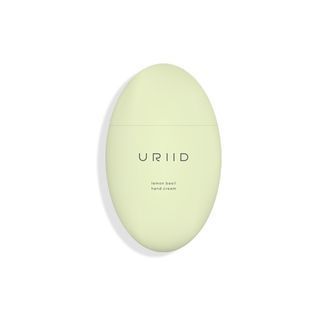
“Lemon Basil Hand Cream”
This product can help improve hydration of the skin with the two types of ingredients.
The first type is called “humectants”:
these ingredients help attract water.
When humectants are on the surface of the skin, they “pull in” the moisture from the outside environment, or from
within deeper layers of the skin. The following ingredients in this product do the job:
glycerin, hyaluronic acid.
This product also contains ingredients called “occlusives”. They help reduce the speed with which our skin loses moisture to the outside environment. These ingredients also help soften the upper layer of the skin, so it feels less tight and nicer to the touch. The following ingredients in this product do the job: butyrospermum parkii butter, cocos nucifera oil.
Can it cause trouble?
Irritancy11 strong irritants: Citrus aurantium amara flower extract, Parfum + 9 more — patch-test recommendedHigh risk
Comedogenic2 ingredients rated 2 or more on the 0–5 pore-clogging scale2 flagged
User reviews
Be the first — your take helps the next person decide.
Ingredients
Filter by role to see what each ingredient is doing.
Water~45–55%
Glycerin~4.7–5.7%
- Irritation risk
- Low
One of the best moisturizing ingredients. Naturally present in skin. It attracts water to the upper layer of the skin working as a humectant
More about GlycerinPrunus amygdalus dulcis seed~4.1–5%
- Irritation risk
- Low
Helps soften the upper layer of the skin
More about Prunus amygdalus dulcis seedButylene glycol~3–3.6%
- Irritation risk
- Low
Used to create a nice product texture and help delivery of other ingredients. Might be somewhat helpful in attracting water to the upper layer of the skin
More about Butylene glycolCocos nucifera oil~2.3–2.8%
- Irritation risk
- Low
- Comedogenicity
- 3/5
An emollient. Found to be as effective as a moisturizer for dry skin as mineral oil. Could be comedogenic
More about Cocos nucifera oilCetyl ethylhexanoate~1.9–2.3%
- Irritation risk
- Medium
An emollient that helps soften the skin and creates a thicker product texture
More about Cetyl ethylhexanoatePhenyl trimethicone~1.6–2%
- Irritation risk
- Low
A type of silicone that can decrease loss of moisture from the skin surface. It helps create a nice product texture
More about Phenyl trimethiconePolyglyceryl-3 distearate~1.4–1.8%
Citrus aurantium amara flower extract~1.2–1.4%
- Irritation risk
- High
Used as a fragrance for its citrus smell. Can be irritating
More about Citrus aurantium amara flower extractButyrospermum parkii butter~1–1.2%
- Irritation risk
- Low
- Comedogenicity
- 3/5
A great moisturising ingredient that softens the skin and reduces water loss from its upper layer. It also can be helpful in protecting skin from free radicals
More about Butyrospermum parkii butterParfum~0.65–1%
- Irritation risk
- High
An aromatic blend of unspecified and possibly irritating ingredients
More about ParfumCetyl alcohol~0.7–1%
- Irritation risk
- Low
A non-drying alcohol that works to soften the skin and stabilize product formulations helping oil and water mix together
More about Cetyl alcoholDipropylene glycol~0.5–0.75%
- Irritation risk
- Low
Helps to dissolve other ingredients in a formulation. Slows down the rate of product drying
More about Dipropylene glycol1,2-hexanediol~0.45–0.7%
Glyceryl stearate~0.5–0.75%
- Irritation risk
- Low
An emollient that softens the skin and forms a protective layer on its surface. Helps water and oil mix together
More about Glyceryl stearateHydroxyacetophenone~0.45–0.65%
Citrus limon fruit extract~0.4–0.6%
- Irritation risk
- High
Used as a fragrance. Can be irritating and cause photosensitivity
More about Citrus limon fruit extractOcimum basilicum extract~0.35–0.65%
- Irritation risk
- High
A plant extract mostly used as a fragrance. Can be irritating
More about Ocimum basilicum extractVegetable oil~0.4–0.6%
- Irritation risk
- Low
An oil from a mixture of different vegetables. Helps soften the upper layer of the skin
More about Vegetable oilSodium polyacrylate~0.35–0.65%
- Irritation risk
- Low
Used to create a gel-like product texture, as well as to stabilize emulsions
More about Sodium polyacrylatePalmitic acid~0.35–0.6%
- Irritation risk
- Low
An emollient that is naturally present in skin and helps soften it
More about Palmitic acidGlyceryl stearate citrate~0.3–0.6%
- Irritation risk
- Low
Helps oil and water mix together while softening the upper layer of the skin
More about Glyceryl stearate citrateStearic acid~0.4–0.65%
- Irritation risk
- Low
Helps oil and water mix together and works as an emollient
More about Stearic acidHydroxyethylcellulose~0.3–0.5%
- Irritation risk
- Low
Used to thicken product formulations and create gel-like textures
More about HydroxyethylcelluloseHydrogenated polydecene~0.25–0.5%
- Irritation risk
- Low
Helps to soften the upper layer of the skin and create a nice product texture
More about Hydrogenated polydeceneHippophae rhamnoides oil~0.3–0.55%
- Irritation risk
- High
A good emollient. Contains various ingredients including vitamins and fatty acids that could work in the skin to neutralize free radicals and minimize moisture loss - if enough of these compounds is able to penetrate the skin in an active form.
More about Hippophae rhamnoides oilDisodium edta~0.25–0.5%
Trideceth-6~0.25–0.5%
Sodium hyaluronate~0.25–0.45%
- Irritation risk
- Low
One of the best moisturizing ingredients. Attracts water into the upper layer of the skin
More about Sodium hyaluronateMyristyl alcohol~0.3–0.5%
- Irritation risk
- High
Helps to stabilize the product formulation while softening the upper layer of the skin. Can be irritating
More about Myristyl alcoholStearyl alcohol~0.3–0.55%
- Irritation risk
- Low
An emollient that helps soften the skin
More about Stearyl alcoholBifida ferment lysate~0.25–0.45%
- Irritation risk
- Low
Consists of remains of dead yeast bacteria cells. Helps to hydrate the skin and reduce irritation. Might has some anti-oxidant effect
More about Bifida ferment lysatePhaseolus radiatus seed extract~0.25–0.5%
- Irritation risk
- Low
Glycine soja seed extract~0.3–0.55%
- Irritation risk
- Medium
An emollient that helps soften the skin. Might be somewhat helpful in evening the skin tone.
More about Glycine soja seed extractTriticum vulgare sprout extract~0.25–0.45%
- Irritation risk
- Low
Oryza sativa germ extract~0.3–0.55%
- Irritation risk
- Low
Sesamum indicum seed extract~0.25–0.4%
- Irritation risk
- Low
Plant oil that due to its high content of linoleic acid can help support skin's barrier function improving its hydration
More about Sesamum indicum seed extractHydroxypropyltrimonium hyaluronate~0.25–0.5%
- Irritation risk
- Low
Ethylhexylglycerin~0.25–0.45%
Sodium acetylated hyaluronate~0.25–0.45%
- Irritation risk
- Low
A type of hyaluronic acid that works as an excellent moisturizer by attracting water into the upper layer of the skin. Is typically feels less sticky on the skin compared to the usual hyaluronic acid
More about Sodium acetylated hyaluronateHydrolyzed hyaluronic acid~0.25–0.45%
- Irritation risk
- Low
One of the best moisturizing ingredients. Attracts water into the upper layer of the skin. A version of it is naturally present in skin
More about Hydrolyzed hyaluronic acidHyaluronic acid~0.25–0.4%
- Irritation risk
- Low
One of the best moisturizing ingredients. Attracts water into the upper layer of the skin. Naturally present in skin. Typically has large molecule size unless advertised otherwise on the product label. Helps support skin's barrier function and may help to reduce inflammation
More about Hyaluronic acidSodium hyaluronate crosspolymer~0.2–0.4%
- Irritation risk
- Medium
Attracts water into the upper layer of the skin
More about Sodium hyaluronate crosspolymerHydrolyzed sodium hyaluronate~0.2–0.4%
- Irritation risk
- Low
Attracts water into the upper layer of the skin
More about Hydrolyzed sodium hyaluronatePotassium hyaluronate~0.2–0.4%
- Irritation risk
- Low
Benzyl benzoate~0.15–0.3%
- Irritation risk
- High
Fragrance with sweet balsamic smell. Help to preserve products and dissolve other ingredients. Could trigger allergic reactions and be irritating
More about Benzyl benzoateCitral~0.15–0.25%
Geraniol~0.1–0.2%
Hydroxycitronellal~0.15–0.25%
- Irritation risk
- High
A fragrance. A likely allergen and can be irritating
More about HydroxycitronellalLimonene~0.15–0.25%
- Irritation risk
- High
A common frangrance that can easily irritate skin, especially if exposed to air, light or heat
More about LimoneneLinalool~0.1–0.15%
Alpha-isomethyl ionone~0.05–0.15%
- Irritation risk
- High
A fragrance. Potential allergen and can be irritating
More about Alpha-isomethyl iononeIngredient list view
Water, Glycerin, Prunus amygdalus dulcis seed, Butylene glycol, Cocos nucifera oil, Cetyl ethylhexanoate, Phenyl trimethicone, Polyglyceryl-3 distearate, Citrus aurantium amara flower extract, Butyrospermum parkii butter, Parfum, Cetyl alcohol, Dipropylene glycol, 1,2-hexanediol, Glyceryl stearate, Hydroxyacetophenone, Citrus limon fruit extract, Ocimum basilicum extract, Vegetable oil, Sodium polyacrylate, Palmitic acid, Glyceryl stearate citrate, Stearic acid, Hydroxyethylcellulose, Hydrogenated polydecene, Hippophae rhamnoides oil, Disodium edta, Trideceth-6, Sodium hyaluronate, Myristyl alcohol, Stearyl alcohol, Bifida ferment lysate, Phaseolus radiatus seed extract, Glycine soja seed extract, Triticum vulgare sprout extract, Oryza sativa germ extract, Sesamum indicum seed extract, Hydroxypropyltrimonium hyaluronate, Ethylhexylglycerin, Sodium acetylated hyaluronate, Hydrolyzed hyaluronic acid, Hyaluronic acid, Sodium hyaluronate crosspolymer, Hydrolyzed sodium hyaluronate, Potassium hyaluronate, Benzyl benzoate, Citral, Geraniol, Hydroxycitronellal, Limonene, Linalool, Alpha-isomethyl ionone
Compare prices
Retailers ranked by price — lowest first.

Sources cited in this review
Every concentration estimate and effectiveness label is anchored to one of these 16 studies and safety reviews.
- 1
- 2
- 3
- 4Safety Assessment of Polyene Group as Used in Cosmeticscir-safety.org
- 5Hyaluronic acid: A key molecule in skin agingncbi.nlm.nih.gov
- 6

Affiliate links · As an Amazon Associate, WIMJ earns from qualifying purchases.