Works for:
based on ingredients and %- Anti-aging
- Moisturizing
- Anti-oxidation
- Exfoliation
Can it cause trouble?
- Irritation risk: medium
- Comedogenic risk ingredients: 4
Key actives


Product Summary
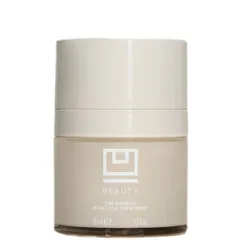
"U Beauty - The Barrier Bioactive Treatment" is effective for: Exfoliation, Evens skin tone, Anti-aging and Moisturizing
Ingredient callouts
- This product contains acids (lactobionic acid 0.45% - 0.70%, mandelic acid 0.45% - 0.70% and glycolic acid 0.45% - 0.70%). Their concentration is low, and they will not have a strong exfoliating effect. Instead, they work to support the skin natural acid mantle and to attract water (as humectants). PHAs (lactobionic acid) especially are great for improving skin hydration. They might be even able to stimulate the production of skin's natural humectants and support the healthy skin microbiome.
- Peptides (n-prolyl palmitoyl tripeptide-56 acetate 0.40% - 0.65%). There are many different kind of Peptides and they are naturally present in our skin. They all are a combination of aminoacids. Some of them work as natural antibiotics, promote wound-healing and production of collagen. The science is still not settled on how effective Peptides are in skincare, but it is very likely that they have a benefit. They might help restore the skin barrier and fight the signs of aging. At the very least, Peptides work as humectants: they attract water to the upper layer of the skin and improve its hydration.
- We love that there is also Linoleic Acid in this product (0.60% - 0.90%). Linoleic Acid is one of the skin's natural emollients. It supports the skin barrier and can even help reduce clogged pores.
- Humectants (urea 9.50% - 11.60%, sodium hyaluronate 0.45% - 0.70%, hydrolyzed yeast extract 0.45% - 0.65%, hydrolyzed hyaluronic acid 0.45% - 0.70%, glycerin 1.80% - 2.20% and arginine 0.45% - 0.65%). These ingredients help attract water to the upper layer of the skin and improve the skin hydration.
Price
The product retails for 198.00$ in the United States and for 186.00£ in the United Kingdom.
For a detailed price comparison: click here.
Anti-aging
What does the product description say?
Formulated with an engineered cocktail of actives, this unique messenger communicates youthful cues with the skin to turbo-charge its natural ability to remove visible damage, and it's clinically shown to help improve natural collagen and elastin synthesis for visibly fortified skin.
Source: Bluemercury
This product can help reduce and prevent fine lines and wrinkles, improve skin elasticity and firmness because it contains glycolic acid, lactobionic acid.
These ingredients in the product can also be helpful, even though there is less evidence for their effectiveness: n-prolyl palmitoyl tripeptide-56 acetate.
Keep in mind that it typically takes at least 6 weeks to notice any results because the changes that are needed to improve fine lines and elasticity happen in the deeper layers of the skin. No topical anti-aging product can “erase” wrinkles or fully reverse signs of aging.
An alpha-hydroxy acid (AHA) that helps to remove the dead skin cells on the surface of the skin reveling a more even, smoother complexation. It is also able to stimulate collagen production with long-term use. Could help to reduce pore congestion. It can be irritating to the skin. Apply sunscreen daily if using products with glycolic acid
A polyhydroxy acid (PHA) that helps shed dead cells from the surface of the skin revealing a smoother, more even skin. PHAs tend to be gentler on the skin compared to AHAs (for example, glycolic acid). It also has hydrating properties and helps attract water to the upper layer of the skin. It can help calm down inflammation in skin and support restoration of the barrier function. It has an anti-oxidant effect as well. It can help reduce fine line, wrinkles and improve skin elasticity
A type of peptide. Peptides are excellent moisturizers and might be able support collagen production reducing fine lines and wrinkles
A great moisturising ingredient that softens the skin and reduces water loss from its upper layer. It also can be helpful in protecting skin from free radicals
Helps attract water to the upper layer of the skin, calm down inflammation and irritation, restore the barrier function and support wound healing. It can be helpful in reducing fine lines and wrinkles
Pure form of vitamin E. Can help moisturise and protect the skin from free radicals. Often used to help stabilise other ingredients or the formula itself
A stable derivative of vitamin C. It is oil-soluble which means it is more likely to penetrate the skin compared to the pure form of vitamin C (which is water-soluble), but it is less bio-available and is way less effective in stimulating collagen and reducing wrinkles compared to the pure form of vitamin C (L-ascorbic acid) and its other derivatives (for example, magnesium ascorbyl phosphate). At the same time, this vitamin C derivative has been shown in studies to be effective in reducing acne, blemishes and clogged pores. It is less irritating then the pure form of vitamin C
A seaweed extract that contains sugars and can be helpful in attracting water to the upper layers of the skin if used in high enough concentrations
Being a lipid soluble form of vitamin C, it is more stable and can penetrate the skin better than L-Ascorbic acid. It is effective in protecting the skin from free radicals, as well as evening the skin tone, but is less effective in stimulating collagen production compared to L-Ascorbic acid.
Anti-oxidation
This product contains antioxidants (glutathione, lactobionic acid, superoxide dismutase) that can help neutralize free radicals in skin. By doing so, they can lessen the damage the skin gets from the UV light (sun).
A peptide that can help neutralize free radicals in skin and reduce melanin production resulting in skin lightening effect and reduction in hyperpigmentation. It can also help attract moisture to the upper layer of the skin
An antioxidant enzyme that is naturally present in skin. It can help support skin barrier function and reduce inflammation in skin. It is used in topical medications for inflammatory skin conditions including atopic dermatitis (eczema) and psoriasis. There are three types of natural Superoxide Dismutase in human skin. The compound used in topical treatments and cosmetics are mimics of typically one of these natural variants
A polyhydroxy acid (PHA) that helps shed dead cells from the surface of the skin revealing a smoother, more even skin. PHAs tend to be gentler on the skin compared to AHAs (for example, glycolic acid). It also has hydrating properties and helps attract water to the upper layer of the skin. It can help calm down inflammation in skin and support restoration of the barrier function. It has an anti-oxidant effect as well. It can help reduce fine line, wrinkles and improve skin elasticity
A great moisturising ingredient that softens the skin and reduces water loss from its upper layer. It also can be helpful in protecting skin from free radicals
A plant extract that might help neutralize free radicals in skin, but research on its efficacy in skin is lacking
Helps attract water to the upper layer of the skin, calm down inflammation and irritation, restore the barrier function and support wound healing. It can be helpful in reducing fine lines and wrinkles
Might help neutralize free radicals in skin
Helps attract water to the upper layer of the skin and might have some anti-oxidant and skin lightening properties
Pure form of vitamin E. Can help moisturise and protect the skin from free radicals. Often used to help stabilise other ingredients or the formula itself
A stable derivative of vitamin C. It is oil-soluble which means it is more likely to penetrate the skin compared to the pure form of vitamin C (which is water-soluble), but it is less bio-available and is way less effective in stimulating collagen and reducing wrinkles compared to the pure form of vitamin C (L-ascorbic acid) and its other derivatives (for example, magnesium ascorbyl phosphate). At the same time, this vitamin C derivative has been shown in studies to be effective in reducing acne, blemishes and clogged pores. It is less irritating then the pure form of vitamin C
An effective moisturizing and skin barrier repair ingredient. Helps calm down inflammation and has some anti-oxidant properties
Being a lipid soluble form of vitamin C, it is more stable and can penetrate the skin better than L-Ascorbic acid. It is effective in protecting the skin from free radicals, as well as evening the skin tone, but is less effective in stimulating collagen production compared to L-Ascorbic acid.
Evens skin tone
This product can help reduce hypepigmentation and even out the skin tone because it contains the following effective ingredients: glutathione, glycolic acid, lactobionic acid, mandelic acid
Keep in mind that you would need to apply any topical skincare targetted at hypigmentation consistently for a couple of months to get a result. No topical skincare product can help get rid of hyperpigmentation (including post-acne marks and age spots) instantly.
A peptide that can help neutralize free radicals in skin and reduce melanin production resulting in skin lightening effect and reduction in hyperpigmentation. It can also help attract moisture to the upper layer of the skin
An alpha-hydroxy acid (AHA) that helps to remove the dead skin cells on the surface of the skin reveling a more even, smoother complexation. It is also able to stimulate collagen production with long-term use. Could help to reduce pore congestion. It can be irritating to the skin. Apply sunscreen daily if using products with glycolic acid
A polyhydroxy acid (PHA) that helps shed dead cells from the surface of the skin revealing a smoother, more even skin. PHAs tend to be gentler on the skin compared to AHAs (for example, glycolic acid). It also has hydrating properties and helps attract water to the upper layer of the skin. It can help calm down inflammation in skin and support restoration of the barrier function. It has an anti-oxidant effect as well. It can help reduce fine line, wrinkles and improve skin elasticity
Helps shed the upper layer of dead cells from the surface of the skin revealing smoother, brighter skin. It can help to reduce hyperpigmentation. It has anti-bacterial properties, and might help to reduce blemishes, as well as fine lines and wrinkles. It is considered to be gentler than glycolic acid
Helps attract water to the upper layer of the skin and might have some anti-oxidant and skin lightening properties
Used for skin exfoliation. It has an anti-inflammatory and anti-bacterial effect, helps to unclog pores, prevent blemishes and speed up healing of the existing ones. Sometimes referred to as a BHA (beta-hydroxy acid)
Exfoliation
This product can help exfoliate the skin. In other words, it helps break down the bonds between dead cells on the surface of the skin and speed up the skin turnover. Skin often appears softer and brighter after exfoliation, but overdoing it can result in disrupted skin barrier. The following ingredient is doing the exfoliating job in this product: glycolic acid, lactobionic acid, mandelic acid.
An alpha-hydroxy acid (AHA) that helps to remove the dead skin cells on the surface of the skin reveling a more even, smoother complexation. It is also able to stimulate collagen production with long-term use. Could help to reduce pore congestion. It can be irritating to the skin. Apply sunscreen daily if using products with glycolic acid
A polyhydroxy acid (PHA) that helps shed dead cells from the surface of the skin revealing a smoother, more even skin. PHAs tend to be gentler on the skin compared to AHAs (for example, glycolic acid). It also has hydrating properties and helps attract water to the upper layer of the skin. It can help calm down inflammation in skin and support restoration of the barrier function. It has an anti-oxidant effect as well. It can help reduce fine line, wrinkles and improve skin elasticity
Helps shed the upper layer of dead cells from the surface of the skin revealing smoother, brighter skin. It can help to reduce hyperpigmentation. It has anti-bacterial properties, and might help to reduce blemishes, as well as fine lines and wrinkles. It is considered to be gentler than glycolic acid
Naturally present in skin (urea makes up about 7% of natural moisturizing factors in skin). Attracts water to the upper layer of the skin. Also has a positive effect on the skin barrier beyond the humectant action. Can enhance penetration of other ingredients. Is an exfoliating ingredient when used in high concentrations
Used for skin exfoliation. It has an anti-inflammatory and anti-bacterial effect, helps to unclog pores, prevent blemishes and speed up healing of the existing ones. Sometimes referred to as a BHA (beta-hydroxy acid)
Moisturizing
What does the product description say?
The BARRIER Bioactive Treatment by U Beauty is a highly concentrated overnight treatment designed as a final step in one’s skincare routine, it soothes dull, dry, and weathered-looking complexions, helping to visibly restore dry skin and replenish its moisture barrier from within for new-looking skin.
Source: Skinstore
This product can help improve hydration of the skin with the two types of ingredients.
The first type is called “humectants”:
these ingredients help attract water.
When humectants are on the surface of the skin, they “pull in” the moisture from the outside environment, or from
within deeper layers of the skin. The following ingredients in this product do the job:
arginine, glycerin.
This product also contains ingredients called “occlusives”. They help reduce the speed with which our skin loses moisture to the outside environment. These ingredients also help soften the upper layer of the skin, so it feels less tight and nicer to the touch. The following ingredients in this product do the job: arginine, butyrospermum parkii butter.
The following ingredients in this product are especially good for supporting the skin barrier and helping with the hydration level: lactobionic acid, linoleic acid, n-prolyl palmitoyl tripeptide-56 acetate, urea
One of the best moisturizing ingredients. Attracts water into the upper layer of the skin. A version of it is naturally present in skin
One of the best moisturizing ingredients. Naturally present in skin. It attracts water to the upper layer of the skin working as a humectant
Helps attract water to the upper layer of the skin and might have some anti-oxidant and skin lightening properties
An emollient that helps soften the skin. Could be comedogenic
A polyhydroxy acid (PHA) that helps shed dead cells from the surface of the skin revealing a smoother, more even skin. PHAs tend to be gentler on the skin compared to AHAs (for example, glycolic acid). It also has hydrating properties and helps attract water to the upper layer of the skin. It can help calm down inflammation in skin and support restoration of the barrier function. It has an anti-oxidant effect as well. It can help reduce fine line, wrinkles and improve skin elasticity
An excellent emollient. Helps soften the skin, restore its barrier function, and can help to calm down inflammation. It can be helpful to prevent blemishes and clogged pores
An antioxidant enzyme that is naturally present in skin. It can help support skin barrier function and reduce inflammation in skin. It is used in topical medications for inflammatory skin conditions including atopic dermatitis (eczema) and psoriasis. There are three types of natural Superoxide Dismutase in human skin. The compound used in topical treatments and cosmetics are mimics of typically one of these natural variants
A type of peptide. Peptides are excellent moisturizers and might be able support collagen production reducing fine lines and wrinkles
Helps attract water to the upper layer of the skin
An amino acid that is naturally present in skin and helps keep it hydrated. When used together with AHAs, it can reduce their irritating effect on the skin
An emollient that helps soften the skin and calm down inflammation
Helps attract water to the upper layer of the skin, calm down inflammation and irritation, restore the barrier function and support wound healing. It can be helpful in reducing fine lines and wrinkles
Sugar extract that helps attract water to the upper layer of the skin
A great moisturising ingredient that softens the skin and reduces water loss from its upper layer. It also can be helpful in protecting skin from free radicals
One of the best moisturizing ingredients. Attracts water into the upper layer of the skin
Naturally present in skin (urea makes up about 7% of natural moisturizing factors in skin). Attracts water to the upper layer of the skin. Also has a positive effect on the skin barrier beyond the humectant action. Can enhance penetration of other ingredients. Is an exfoliating ingredient when used in high concentrations
A peptide that can help neutralize free radicals in skin and reduce melanin production resulting in skin lightening effect and reduction in hyperpigmentation. It can also help attract moisture to the upper layer of the skin
An emollient that helps soften the skin and can decrease moisture loss. Helps create a nice product texture
Helps soften the upper layer of the skin and create a nice product texture
An emollient that is naturally present in skin and helps soften it
Used to preserve products, dissolve other ingredients and create a nice product texture
Used to create a nice product texture and help delivery of other ingredients. Might be somewhat helpful in attracting water to the upper layer of the skin
Helps preserve products and creates a nice product texture
An emollient that helps soften the skin
An emollient that helps to soften the skin and create a pleasant product texture and stabilize the formulation
Helps soften the upper layer of the skin. At the same time, it can weaken the skin's barrier enhancing penetration of other ingredients and increasing the risk of skin dryness
A seaweed extract that contains sugars and can be helpful in attracting water to the upper layers of the skin if used in high enough concentrations
An effective moisturizing and skin barrier repair ingredient. Helps calm down inflammation and has some anti-oxidant properties
Pure form of vitamin E. Can help moisturise and protect the skin from free radicals. Often used to help stabilise other ingredients or the formula itself
Helps oil and water mix together and works as an emollient
How honest is this product?
| Promise | Can it deliver? |
|---|---|
| Anti-aging | |
| Moisturizing |
Total Promises Fulfilled score: 100/100.
We receive a small commission for purchases made through these links at no cost for you. Thank you for your support! Learn more
Potential irritants
Comedogenic ingredients
User reviews (0)
Averages from community submissions.
No reviews yet for this product.
Be the first to share your experience!
Tried this product?
Help capture what the ingredient list can't—texture, finish, pilling, scent, and more. Answer what you can, skip the rest.
Takes ~30 seconds.
Reviews are shown in aggregate. No personal details.
| Product | Similarity | Price | Irritancy |
|---|---|---|---|
 U Beauty The Barrier Bioactive Treatment | Current | $158.40 | |
Clinique iD™: Active Cartridge Concentrate for Fatigue | 64% | ≈ $11.19 | |
 skintific 2% SALICYLIC ACID ANTI ACNE SERUM | 63% | - | |
Bioderma Nodé K Keratoreducing Concentrate | 63% | ≈ $15.69 | |
 Pure Blends Hydrating Serum | 62% | - | |
 CeraVe Salicylic Acid Acne Control Gel, Acne Treatment for Face | 62% | ≈ $15.36 |
Key Actives
A polyhydroxy acid (PHA) that helps shed dead cells from the surface of the skin revealing a smoother, more even skin. PHAs tend to be gentler on the skin compared to AHAs (for example, glycolic acid). It also has hydrating properties and helps attract water to the upper layer of the skin. It can help calm down inflammation in skin and support restoration of the barrier function. It has an anti-oxidant effect as well. It can help reduce fine line, wrinkles and improve skin elasticity
Helps attract water to the upper layer of the skin, calm down inflammation and irritation, restore the barrier function and support wound healing. It can be helpful in reducing fine lines and wrinkles
An effective moisturizing and skin barrier repair ingredient. Helps calm down inflammation and has some anti-oxidant properties
Used for skin exfoliation. It has an anti-inflammatory and anti-bacterial effect, helps to unclog pores, prevent blemishes and speed up healing of the existing ones. Sometimes referred to as a BHA (beta-hydroxy acid)
Pure form of vitamin E. Can help moisturise and protect the skin from free radicals. Often used to help stabilise other ingredients or the formula itself
An alpha-hydroxy acid (AHA) that helps to remove the dead skin cells on the surface of the skin reveling a more even, smoother complexation. It is also able to stimulate collagen production with long-term use. Could help to reduce pore congestion. It can be irritating to the skin. Apply sunscreen daily if using products with glycolic acid
Helps shed the upper layer of dead cells from the surface of the skin revealing smoother, brighter skin. It can help to reduce hyperpigmentation. It has anti-bacterial properties, and might help to reduce blemishes, as well as fine lines and wrinkles. It is considered to be gentler than glycolic acid
An emollient that helps soften the skin and calm down inflammation
A great moisturising ingredient that softens the skin and reduces water loss from its upper layer. It also can be helpful in protecting skin from free radicals
An excellent emollient. Helps soften the skin, restore its barrier function, and can help to calm down inflammation. It can be helpful to prevent blemishes and clogged pores
A peptide that can help neutralize free radicals in skin and reduce melanin production resulting in skin lightening effect and reduction in hyperpigmentation. It can also help attract moisture to the upper layer of the skin
An antioxidant enzyme that is naturally present in skin. It can help support skin barrier function and reduce inflammation in skin. It is used in topical medications for inflammatory skin conditions including atopic dermatitis (eczema) and psoriasis. There are three types of natural Superoxide Dismutase in human skin. The compound used in topical treatments and cosmetics are mimics of typically one of these natural variants
Helps attract water to the upper layer of the skin and might have some anti-oxidant and skin lightening properties
Naturally present in skin (urea makes up about 7% of natural moisturizing factors in skin). Attracts water to the upper layer of the skin. Also has a positive effect on the skin barrier beyond the humectant action. Can enhance penetration of other ingredients. Is an exfoliating ingredient when used in high concentrations
A seaweed extract that contains sugars and can be helpful in attracting water to the upper layers of the skin if used in high enough concentrations
A type of peptide. Peptides are excellent moisturizers and might be able support collagen production reducing fine lines and wrinkles
One of the best moisturizing ingredients. Naturally present in skin. It attracts water to the upper layer of the skin working as a humectant
Sugar extract that helps attract water to the upper layer of the skin
Helps attract water to the upper layer of the skin
One of the best moisturizing ingredients. Attracts water into the upper layer of the skin. A version of it is naturally present in skin
One of the best moisturizing ingredients. Attracts water into the upper layer of the skin
An amino acid that is naturally present in skin and helps keep it hydrated. When used together with AHAs, it can reduce their irritating effect on the skin
An emollient that helps soften the skin. Could be comedogenic
Potential irritants
A plant extract that is used as a fragrance. Can be irritating and lead to photosensitivity
Used as a fragrance. Can be irritating and cause photosensitivity
Used for skin exfoliation. It has an anti-inflammatory and anti-bacterial effect, helps to unclog pores, prevent blemishes and speed up healing of the existing ones. Sometimes referred to as a BHA (beta-hydroxy acid)
An alpha-hydroxy acid (AHA) that helps to remove the dead skin cells on the surface of the skin reveling a more even, smoother complexation. It is also able to stimulate collagen production with long-term use. Could help to reduce pore congestion. It can be irritating to the skin. Apply sunscreen daily if using products with glycolic acid
Helps shed the upper layer of dead cells from the surface of the skin revealing smoother, brighter skin. It can help to reduce hyperpigmentation. It has anti-bacterial properties, and might help to reduce blemishes, as well as fine lines and wrinkles. It is considered to be gentler than glycolic acid
Used to preserve products, dissolve other ingredients and create a nice product texture
A plant extract that might help neutralize free radicals in skin, but research on its efficacy in skin is lacking
A plant extract that contains small percentage of AHAs. Is unlikely to have any skin benefit due the small concentration of the active compounds
Being a lipid soluble form of vitamin C, it is more stable and can penetrate the skin better than L-Ascorbic acid. It is effective in protecting the skin from free radicals, as well as evening the skin tone, but is less effective in stimulating collagen production compared to L-Ascorbic acid.
A stable derivative of vitamin C. It is oil-soluble which means it is more likely to penetrate the skin compared to the pure form of vitamin C (which is water-soluble), but it is less bio-available and is way less effective in stimulating collagen and reducing wrinkles compared to the pure form of vitamin C (L-ascorbic acid) and its other derivatives (for example, magnesium ascorbyl phosphate). At the same time, this vitamin C derivative has been shown in studies to be effective in reducing acne, blemishes and clogged pores. It is less irritating then the pure form of vitamin C
Helps soften the upper layer of the skin. At the same time, it can weaken the skin's barrier enhancing penetration of other ingredients and increasing the risk of skin dryness
Helps soften the upper layer of the skin and create a nice product texture
A peptide that can help neutralize free radicals in skin and reduce melanin production resulting in skin lightening effect and reduction in hyperpigmentation. It can also help attract moisture to the upper layer of the skin
A polyhydroxy acid (PHA) that helps shed dead cells from the surface of the skin revealing a smoother, more even skin. PHAs tend to be gentler on the skin compared to AHAs (for example, glycolic acid). It also has hydrating properties and helps attract water to the upper layer of the skin. It can help calm down inflammation in skin and support restoration of the barrier function. It has an anti-oxidant effect as well. It can help reduce fine line, wrinkles and improve skin elasticity
An emollient that helps soften the skin and calm down inflammation
Helps preserve products and creates a nice product texture
Comedogenic ingredients
A great moisturising ingredient that softens the skin and reduces water loss from its upper layer. It also can be helpful in protecting skin from free radicals
A seaweed extract that contains sugars and can be helpful in attracting water to the upper layers of the skin if used in high enough concentrations
An emollient that helps soften the skin. Could be comedogenic
All ingredients
Naturally present in skin (urea makes up about 7% of natural moisturizing factors in skin). Attracts water to the upper layer of the skin. Also has a positive effect on the skin barrier beyond the humectant action. Can enhance penetration of other ingredients. Is an exfoliating ingredient when used in high concentrations
A great moisturising ingredient that softens the skin and reduces water loss from its upper layer. It also can be helpful in protecting skin from free radicals
Used to create a nice product texture and help delivery of other ingredients. Might be somewhat helpful in attracting water to the upper layer of the skin
An emollient that helps to soften the skin and create a pleasant product texture and stabilize the formulation
One of the best moisturizing ingredients. Naturally present in skin. It attracts water to the upper layer of the skin working as a humectant
An emollient that helps soften the skin and can decrease moisture loss. Helps create a nice product texture
Used to preserve products, dissolve other ingredients and create a nice product texture
Is used to enhance product texture and can help to optically mask skin imperfections
A plant extract that might help neutralize free radicals in skin, but research on its efficacy in skin is lacking
An effective moisturizing and skin barrier repair ingredient. Helps calm down inflammation and has some anti-oxidant properties
Sugar extract that helps attract water to the upper layer of the skin
A plant extract that is used as a fragrance. Can be irritating and lead to photosensitivity
Used as a fragrance. Can be irritating and cause photosensitivity
A plant extract that contains small percentage of AHAs. Is unlikely to have any skin benefit due the small concentration of the active compounds
A seaweed extract that contains sugars and can be helpful in attracting water to the upper layers of the skin if used in high enough concentrations
Pure form of vitamin E. Can help moisturise and protect the skin from free radicals. Often used to help stabilise other ingredients or the formula itself
Being a lipid soluble form of vitamin C, it is more stable and can penetrate the skin better than L-Ascorbic acid. It is effective in protecting the skin from free radicals, as well as evening the skin tone, but is less effective in stimulating collagen production compared to L-Ascorbic acid.
Used for skin exfoliation. It has an anti-inflammatory and anti-bacterial effect, helps to unclog pores, prevent blemishes and speed up healing of the existing ones. Sometimes referred to as a BHA (beta-hydroxy acid)
Helps attract water to the upper layer of the skin
Helps attract water to the upper layer of the skin, calm down inflammation and irritation, restore the barrier function and support wound healing. It can be helpful in reducing fine lines and wrinkles
A stable derivative of vitamin C. It is oil-soluble which means it is more likely to penetrate the skin compared to the pure form of vitamin C (which is water-soluble), but it is less bio-available and is way less effective in stimulating collagen and reducing wrinkles compared to the pure form of vitamin C (L-ascorbic acid) and its other derivatives (for example, magnesium ascorbyl phosphate). At the same time, this vitamin C derivative has been shown in studies to be effective in reducing acne, blemishes and clogged pores. It is less irritating then the pure form of vitamin C
An excellent emollient. Helps soften the skin, restore its barrier function, and can help to calm down inflammation. It can be helpful to prevent blemishes and clogged pores
Helps soften the upper layer of the skin. At the same time, it can weaken the skin's barrier enhancing penetration of other ingredients and increasing the risk of skin dryness
An emollient that is naturally present in skin and helps soften it
Helps soften the upper layer of the skin and create a nice product texture
A peptide that can help neutralize free radicals in skin and reduce melanin production resulting in skin lightening effect and reduction in hyperpigmentation. It can also help attract moisture to the upper layer of the skin
A polyhydroxy acid (PHA) that helps shed dead cells from the surface of the skin revealing a smoother, more even skin. PHAs tend to be gentler on the skin compared to AHAs (for example, glycolic acid). It also has hydrating properties and helps attract water to the upper layer of the skin. It can help calm down inflammation in skin and support restoration of the barrier function. It has an anti-oxidant effect as well. It can help reduce fine line, wrinkles and improve skin elasticity
An antioxidant enzyme that is naturally present in skin. It can help support skin barrier function and reduce inflammation in skin. It is used in topical medications for inflammatory skin conditions including atopic dermatitis (eczema) and psoriasis. There are three types of natural Superoxide Dismutase in human skin. The compound used in topical treatments and cosmetics are mimics of typically one of these natural variants
One of the best moisturizing ingredients. Attracts water into the upper layer of the skin. A version of it is naturally present in skin
An alpha-hydroxy acid (AHA) that helps to remove the dead skin cells on the surface of the skin reveling a more even, smoother complexation. It is also able to stimulate collagen production with long-term use. Could help to reduce pore congestion. It can be irritating to the skin. Apply sunscreen daily if using products with glycolic acid
One of the best moisturizing ingredients. Attracts water into the upper layer of the skin
Helps shed the upper layer of dead cells from the surface of the skin revealing smoother, brighter skin. It can help to reduce hyperpigmentation. It has anti-bacterial properties, and might help to reduce blemishes, as well as fine lines and wrinkles. It is considered to be gentler than glycolic acid
An emollient that helps soften the skin and calm down inflammation
Helps attract water to the upper layer of the skin and might have some anti-oxidant and skin lightening properties
An amino acid that is naturally present in skin and helps keep it hydrated. When used together with AHAs, it can reduce their irritating effect on the skin
A type of peptide. Peptides are excellent moisturizers and might be able support collagen production reducing fine lines and wrinkles
An emollient that helps soften the skin. Could be comedogenic
Might help to reduce inflammation in skin, but solid research is lacking
Helps preserve products and creates a nice product texture
Ingredient list view
Water, Urea, Butyrospermum parkii butter, Butylene glycol, Octyldodecanol, Cetearyl ethylhexanoate, Glycerin, Isododecane, Pentylene glycol, Methyldihydrojasmonate, Polymethyl methacrylate, Vaccinium myrtillus fruit extract, Avena sativa kernel extract, Saccharum officinarum extract, Citrus aurantium dulcis fruit extract, Citrus limon fruit extract, Acer saccharum extract, Laminaria saccharina extract, Macrocystis pyrifera extract, Tocopherol, Ascorbyl palmitate, Salicylic acid, Alpha-glucan oligosaccharide, Beta-glucan, Sodium ascorbyl phosphate, Linoleic acid, Oleic acid, Palmitic acid, Acacia decurrens/jojoba/sunflower seed wax polyglyceryl-3 esters, Stearic acid, Glutathione, Lactobionic acid, Superoxide dismutase, Hydrolyzed hyaluronic acid, Glycolic acid, Sodium hyaluronate, Mandelic acid, Linolenic acid, Hydrolyzed yeast extract, Arginine, N-prolyl palmitoyl tripeptide-56 acetate, Octyldodecyl xyloside, Peg-30 dipolyhydroxystearate, Isopropyl myristate, Sodium dna, Hydroxyphenyl propamidobenzoic acid, Pyridoxine hcl, Caprylyl glycol, Xylose, Polysorbate 20, Xanthan gum, Sodium hydroxide, Disodium edta, Sodium benzoate, Potassium sorbate
- Topical urea in skincare: A review
- Glycerol and the skin: holistic approach to its origin and functions
- Lonicera caerulea and Vaccinium myrtillus fruit polyphenols protect HaCaT keratinocytes against UVB-induced phototoxic stress and DNA damage
- Herbal Medicine: Biomolecular and Clinical Aspects. 2nd edition.
- Safety Assessment of Citrus Fruit-Derived Ingredients as Used in Cosmetics
- Photosensitivity in children: An approach to diagnosis and management
- Safety Assessment of Citrus-Derived Peel Oils as Used in Cosmetics
- Safety Assessment of Brown Algae-Derived Ingredients as Used in Cosmetics
- The effect of laminaria saccharina extract on suppressing pigmentation in in-vitro system
- Vitamin E in dermatology
- Vitamin E and Skin Health
- Salicylic acid as a peeling agent: a comprehensive review
- Beta Hydroxy Acids
- A review of toxicity from topical salicylic acid preparations
- Glycolic Acid Peels Versus Salicylic–Mandelic Acid Peels in Active Acne Vulgaris and Post‐Acne Scarring and Hyperpigmentation: A Comparative Study
- β-Glucans: Multi-Functional Modulator of Wound Healing
- Anti-Wrinkle Therapy: Significant New Findings in the Non-Invasive Cosmetic Treatment of Skin Wrinkles with Beta-Glucan
- Skin Health Promotion Effects of Natural Beta-Glucan Derived from Cereals and Microorganisms: A Review
- Anticancer properties of low molecular weight oat beta-glucan – An in vitro study
- A critical review on production and industrial applications 2 of beta-glucans
- Improving skin function with CM-glucan, a biological response modifier from yeast
- Preparation, characterization, and biological properties of β-glucans
- Characterization of a new beta(1-3)-glucan branching activity of Aspergillus fumigatus
- Sodium ascorbyl phosphate shows in vitro and in vivo efficacy in the prevention and treatment of acne vulgaris
- Sodium ascorbyl phosphate in topical microemulsions
- Final report of the safety assessment of L-Ascorbic Acid, Calcium Ascorbate, Magnesium Ascorbate, Magnesium Ascorbyl Phosphate, Sodium Ascorbate, and Sodium Ascorbyl Phosphate as used in cosmetics
- Regulation of collagen synthesis in human dermal fibroblasts by the sodium and magnesium salts of ascorbyl-2-phosphate
- Comparison of clinical efficacies of sodium ascorbyl phosphate, retinol and their combination in acne treatment
- Application of l-ascorbic acid and its derivatives (sodium ascorbyl phosphate and magnesium ascorbyl phosphate) in topical cosmetic formulations: stability studies
- Sodium L-ascorbyl-2-phosphate 5% lotion for the treatment of acne vulgaris: a randomized, double-blind, controlled trial
- The Permeability Barrier in Essential Fatty Acid Deficiency: Evidence for a Direct Role for Linoleic Acid in Barrier Function
- Digital image analysis of the effect of topically applied linoleic acid on acne microcomedones.
- Anti-Inflammatory and Skin Barrier Repair Effects of Topical Application of Some Plant Oils
- https://www.sciencedirect.com/science/article/pii/0168365995000887
- Glutathione as a skin whitening agent: Facts, myths, evidence and controversies
- Glutathione for skin lightening: a regnant myth or evidence-based verity?
- Glutathione for skin lightening for dermatologists and cosmetologists
- Lactobionic acid
- Effects of lactobionic acid peel, aluminum oxide crystal microdermabrasion, and both procedures on skin hydration, elasticity, and transepidermal water loss
- Comparative evaluation of skin moisture after topical application of 10% and 30% lactobionic acid
- The use of polyhydroxy acids (PHAs) in photoaged skin
- A novel efficient and safe treatment for atopic dermatitis: Topical superoxide dismutase (SOD).
- Novel topical agent containing superoxide dismutase 100 000 IU and 4% of plant extracts as a mono-therapy for atopic dermatitis
- Copper/Zinc Superoxide Dismutase in Human Skin: Current Knowledge
- Photoprotective Effect of Topically Applied Superoxide Dismutase on Sunburn Reaction in Comparison with Sunscreen
- The role of superoxide dismutase (SOD) in skin disorders
- Topical formulations with superoxide dismutase: Influence of formulation composition on physical stability and enzymatic activity
- Skin protective effects of RM191A, a novel superoxide dismutase mimetic
- Efficacy of a New Topical Nano-hyaluronic Acid in Humans
- Physiochemical properties and application of hyaluronic acid: a systematic review
- Photoprotective and antiinflammatory effects of topical glycolic acid
- Glycolic acid peel therapy – a current review
- Dual Effects of Alpha-Hydroxy Acids on the Skin
- Hyaluronic acid: A key molecule in skin aging
- Hyaluronan (Hyaluronic Acid): a natural moisturizer for skin care
- Summary of mandelic acid for the improvement of skin conditions
- Comparative Evaluation of Efficacy and Tolerability of Glycolic Acid, Salicylic Mandelic Acid, and Phytic Acid Combination Peels in Melasma
- The natural yeast extract isolated by ethanol precipitation inhibits melanin synthesis by modulating tyrosinase activity and downregulating melanosome transfer
- Evaluation of dermatological effects of cosmetic formulations containing Saccharomyces cerevisiae extract and vitamins