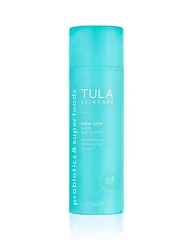
Works for:
based on ingredients and %- Cleansing
Can it cause trouble?
- Irritation risk: high
- Comedogenic risk ingredients: 2
Key actives

Works for
Cleansing
What does the product description say?
Gentle Sensitive Skin Cleansing Milk
Source: From product name
This product works by removing dirt and oil from the surface of the skin.
The following cleansing agents are typically mild, but still can cause an irritation or allergy for some people decyl glucoside.
Keep in mind that cleansing can disrupt the skin barrier, and most people do not need to cleanse their skin more than once per day.
A non-drying alcohol that works to soften the skin and stabilize product formulations helping oil and water mix together
Helps oil and water mix together. Can be irritating
Helps oil and water mix together and works as a cleansing agent
Helps water and oil mix together and works as a cleansing agent
Helps water and oil mix together
Helps oil and water mix together
Used to create a thicker product consistency
How honest is this product?
| Promise | Can it deliver? |
|---|---|
| Cleansing |
Total Promises Fulfilled score: 75/100.
We receive a small commission for purchases made through these links at no cost for you. Thank you for your support! Learn more
Potential irritants
Comedogenic ingredients
User reviews (0)
Averages from community submissions.
No reviews yet for this product.
Be the first to share your experience!
Tried this product?
Help capture what the ingredient list can't—texture, finish, pilling, scent, and more. Answer what you can, skip the rest.
Takes ~30 seconds.
Reviews are shown in aggregate. No personal details.
Key Actives
Can contain potent anti-oxidant compounds (abbreviated ECG, GCG, EGC, and EGCG) that might help protect the skin from free radicals. Can help calm down inflammation and has some anti-bacterial properties. Unfortunately, these antioxidants are unstable and lose their effectiveness very quickly in products. The concentration of the antioxidant compounds in the extract also tends to be low to be effective in topical formulation
Consists of remains of dead bacteria cells. Is likely helpful in attracting water to the upper layer of the skin. Might be helpful in reducing inflammation and neutralizing free radicals in skin
Helps to restore skin barrier function, soften the upper layer of the skin and calm down inflammation
An exfoliating and moisturizing alpha-hydroxy acid (AHA). Typically causes less irritation than other AHAs, for example, glycolic acid. At high concentrations (about 15%), lactic acid can help reduce lines and wrinkles. Recent studies show that lactic acid can support the "good" bacteria living on skin's surface (healthy skin microbiome)
An active component of chamomile plant that historically has been used to calm down irritated skin. A recent study shows that bisabolol indeed can have some anti-inflammatory effect on skin, even though conclusive data is lacking. Bisabolol has a sweet floral scent and can be added to products for its aromatic properties
Can be helpful in reducing inflammation in skin, including inflamed acne. It can be irritating
A non-drying alcohol that works to soften the skin and stabilize product formulations helping oil and water mix together
One of the best moisturizing ingredients. Naturally present in skin. It attracts water to the upper layer of the skin working as a humectant
Helps attract water to the upper layer of the skin
Helps oil and water mix together. Can be irritating
Helps water and oil mix together and works as a cleansing agent
Helps oil and water mix together and works as a cleansing agent
A great emollient due to its high linoleic acid content. One of the most effective plant oils in helping skin hydration and repairing skin barrier function
Used to create a thicker product consistency
Helps oil and water mix together
Potential irritants
A plant extract that might help neutralize free radicals in skin
A plant extract that can contain an irritating essential oil. Might have some anti-oxidant effect, but evidence is lacking
Used as a fragrance for its citrus smell. Can be irritating
Can be helpful in reducing inflammation in skin, including inflamed acne. It can be irritating
Helps water and oil mix together and works as a cleansing agent
Helps oil and water mix together and works as a cleansing agent
Helps preserve products and creates a nice product texture
Used to thicken the product formulation and might help to add minerals to the surface of the skin. It is used in scrubs as a physical exfoliant. Can increase sensitivity to other ingredients if left on the skin or used in high concentration
Can work as an exfoliant but is typically used to adjust the product pH
Traditionally used to treat sunburns, dermatitis and inflammation, but evidence for its effectiveness is lacking. The extract can contain humectants that help attract water into the skin
Might be somewhat helpful in reducing hyperpigmentation and neutralizing free radicals but its typical concentration in a product is too low for having an effect
Traditionally used to treat sunburns, dermatitis and inflammation, but evidence for its effectiveness is lacking. The extract can contain humectants that help attract water into the skin
An exfoliating and moisturizing alpha-hydroxy acid (AHA). Typically causes less irritation than other AHAs, for example, glycolic acid. At high concentrations (about 15%), lactic acid can help reduce lines and wrinkles. Recent studies show that lactic acid can support the "good" bacteria living on skin's surface (healthy skin microbiome)
Can have some moisturizing properties due to its sugar content
A fruit extract that might have some anti-oxidant properties but evidence of effectiveness in skin is lacking
A fruit extract that might have some anti-oxidant properties
Comedogenic ingredients
Derived from brown algae. Helps attract water to the upper layer of the skin
All ingredients
One of the best moisturizing ingredients. Naturally present in skin. It attracts water to the upper layer of the skin working as a humectant
Helps water and oil mix together and can help attract water to the upper layer of the skin
Helps to attract water to the upper layer of the skin. Can add sweet taste to lip products
A non-drying alcohol that works to soften the skin and stabilize product formulations helping oil and water mix together
Helps water and oil mix together and works as a cleansing agent
Consists of remains of dead bacteria cells. Is likely helpful in attracting water to the upper layer of the skin. Might be helpful in reducing inflammation and neutralizing free radicals in skin
Helps oil and water mix together and works as a cleansing agent
Acts as a solvent for other ingredients. Speeds up the absorption of other ingredients into the skin
Helps to restore skin barrier function, soften the upper layer of the skin and calm down inflammation
A great emollient due to its high linoleic acid content. One of the most effective plant oils in helping skin hydration and repairing skin barrier function
Helps preserve products and creates a nice product texture
Used to thicken the product formulation and might help to add minerals to the surface of the skin. It is used in scrubs as a physical exfoliant. Can increase sensitivity to other ingredients if left on the skin or used in high concentration
Can work as an exfoliant but is typically used to adjust the product pH
An active component of chamomile plant that historically has been used to calm down irritated skin. A recent study shows that bisabolol indeed can have some anti-inflammatory effect on skin, even though conclusive data is lacking. Bisabolol has a sweet floral scent and can be added to products for its aromatic properties
Derived from brown algae. Helps attract water to the upper layer of the skin
Traditionally used to treat sunburns, dermatitis and inflammation, but evidence for its effectiveness is lacking. The extract can contain humectants that help attract water into the skin
A plant extract that might help neutralize free radicals in skin
Might be somewhat helpful in reducing hyperpigmentation and neutralizing free radicals but its typical concentration in a product is too low for having an effect
Traditionally used to treat sunburns, dermatitis and inflammation, but evidence for its effectiveness is lacking. The extract can contain humectants that help attract water into the skin
A preservative. It helps prevent bacterial growth in cosmetic products
An exfoliating and moisturizing alpha-hydroxy acid (AHA). Typically causes less irritation than other AHAs, for example, glycolic acid. At high concentrations (about 15%), lactic acid can help reduce lines and wrinkles. Recent studies show that lactic acid can support the "good" bacteria living on skin's surface (healthy skin microbiome)
Can contain potent anti-oxidant compounds (abbreviated ECG, GCG, EGC, and EGCG) that might help protect the skin from free radicals. Can help calm down inflammation and has some anti-bacterial properties. Unfortunately, these antioxidants are unstable and lose their effectiveness very quickly in products. The concentration of the antioxidant compounds in the extract also tends to be low to be effective in topical formulation
Can have some moisturizing properties due to its sugar content
A fruit extract that might have some anti-oxidant properties but evidence of effectiveness in skin is lacking
A plant extract that can contain an irritating essential oil. Might have some anti-oxidant effect, but evidence is lacking
Used as a fragrance for its citrus smell. Can be irritating
Might be helpful in neutralizing free radicals in skin
A fruit extract that might have some anti-oxidant properties
Can be helpful in reducing inflammation in skin, including inflamed acne. It can be irritating
Ingredient list view
Water, Glycerin, Diglycerin, Maltooligosyl glucoside, Hydrogenated starch hydrolysate, Decyl glucoside, Cetyl alcohol, Glycol distearate, Disodium cocoyl glutamate, Lactococcus ferment lysate, Disodium cocoamphodiacetate, Propanediol, Colloidal oatmeal, Hydroxyacetophenone, Helianthus annuus seed oil, Xanthan gum, 1,2-hexanediol, Caprylyl glycol, Sodium cocoyl glutamate, Sea salt, Citric acid, Bisabolol, Hydrolyzed algin, Triethyl citrate, Aloe barbadensis leaf extract, Calendula officinalis extract, Cucumis sativus fruit extract, Aloe barbadensis leaf juice, Phenoxyethanol, Agastache mexicana flower/leaf/stem extract, Lactic acid, Lavandula angustifolia flower/leaf/stem extract, Sodium benzoate, Camellia sinensis leaf extract, Elettaria cardamomum seed extract, Pyrus malus fruit extract, Rubus idaeus fruit extract, Zingiber officinale root extract, Linum usitatissimum seed extract, Cananga odorata flower extract, Citrus aurantium amara flower extract, Citrus aurantium bergamia fruit extract, Coffea arabica seed extract, Cucumis melo fruit extract, Cupressus sempervirens leaf/stem extract, Fucus vesiculosus extract, Jasminum officinale flower extract, Rose extract, Rosmarinus officinalis leaf extract, Salvia officinalis leaf extract, Santalum album wood extract
- Glycerol and the skin: holistic approach to its origin and functions
- Safety assessment of hydrogenated starch hydrolysates
- Ecofriendly surfactant is allergen of the year
- Mechanism of action and clinical benefits of colloidal oatmeal for dermatologic practice
- Effect of Olive and Sunflower Seed Oil on the Adult Skin Barrier: Implications for Neonatal Skin Care
- Topically Applied Sunflower Seed Oil Prevents Invasive Bacterial Infections in Preterm Infants in Egypt
- Effect of topically applied lipids on surfactant-irritated skin
- Impact of topical oils on the skin barrier: possible implications for neonatal health in developing countries
- The influence of alkane chain length on the skin irritation potential of 1,2-alkanediols
- Safety Assessment of Amino Acid Alkyl Amides as Used in Cosmetics
- Irritant and sensitizing potential of eight surfactants commonly used in skin cleansers: an evaluation of 105 patients
- α-(-)-Bisabolol Reduces Pro-Inflammatory Cytokine Production and Ameliorates Skin Inflammation
- Safety Assessment of Plant Polysaccharide Gums as Used in Cosmetics
- Citric Acid, Inorganic Citrate Salts and Alkyl Citrate Esters As Used in Cosmetics
- Protective effect of Calendula officinalis extract against UVB-induced oxidative stress in skin: evaluation of reduced glutathione levels and matrix metalloproteinase secretion
- Epidermal and dermal effects of topical lactic acid
- Dual Effects of Alpha-Hydroxy Acids on the Skin
- Some phytochemical, pharmacological and toxicological properties of ginger (Zingiber officinale Roscoe): A review of recent research
- Effect of green Coffea arabica L. seed oil on extracellular matrix components and water-channel expression in in vitro and ex vivo human skin models
- Antioxidant and anti-inflammatory properties of a Cucumis melo LC. extract rich in superoxide dismutase activity
- ANTIOXIDANT ACTIVITY OF FRUIT EXTRACTS USED IN COSMETIC PRODUCTS
- Allergic contact dermatitis induced by rosemary leaf extract in a cleansing gel
- Safety Assessment of Rosmarinus officinalis (Rosemary)-Derived Ingredients as Used in Cosmetics
- Rosmarinus officinalis Extract Suppresses Propionibacterium acnes–Induced Inflammatory Responses
- Allergic contact dermatitis caused by Salvia officinalis extract