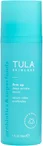
Works for
MoisturizingPalmitoyl tripeptide-38, Isopropyl myristate + 17 moreWorks well
“Probiotics: The core ingredient of all TULA products, they're clinically proven to help lock in moisture and soothe the appearance of inflammation”
This product can help improve hydration of the skin with the two types of ingredients.
The first type is called “humectants”:
these ingredients help attract water.
When humectants are on the surface of the skin, they “pull in” the moisture from the outside environment, or from
within deeper layers of the skin. The following ingredients in this product do the job:
glycerin, hydrolyzed rice protein.
This product also contains ingredients called “occlusives”. They help reduce the speed with which our skin loses moisture to the outside environment. These ingredients also help soften the upper layer of the skin, so it feels less tight and nicer to the touch. The following ingredients in this product do the job: carthamus tinctorius seed oil, isopropyl myristate.
The following ingredients in this product are especially good for supporting the skin barrier and helping with the hydration level: palmitoyl tripeptide-38
Anti-agingPalmitoyl tripeptide-38, Camellia sinensis leaf extract + 1 moreMay help
“This concentrated serum targets the look of deep wrinkles and gives the skin a firmer, smoother, and more plump appearance.”
This product contains palmitoyl tripeptide-38. There is some human evidence that this ingredient helps reduce and prevent fine lines and wrinkles and improve skin elasticity and firmness, though it is smaller or less consistent than the evidence for the best anti-aging ingredients.
Anti-oxidationSide benefit · Camellia sinensis leaf extract, Pyrus malus fruit extract + 7 moreMay help
This product contains antioxidants (camellia sinensis leaf extract) that can help neutralize free radicals in skin to lessen the damage it gets from the UV light (sun). There is some human evidence for this effect in skin, though it is smaller or less consistent than the evidence for the best antioxidants.
Can it cause trouble?
Irritancy1 strong irritant: Citrus aurantium dulcis peel extractMedium risk
Comedogenic2 ingredients rated 2 or more on the 0–5 pore-clogging scale2 flagged
User reviews
Be the first — your take helps the next person decide.
Ingredients
Filter by role to see what each ingredient is doing.
Water~45–55%
Isopropyl myristate~4.8–5.9%
- Irritation risk
- Low
- Comedogenicity
- 3/5
An emollient that helps soften the skin. Could be comedogenic
More about Isopropyl myristateGlycerin~3.9–4.8%
- Irritation risk
- Low
One of the best moisturizing ingredients. Naturally present in skin. It attracts water to the upper layer of the skin working as a humectant
More about GlycerinHydrogenated ethylhexyl olivate~3.1–3.8%
- Irritation risk
- Low
Helps soften the upper layer of the skin
More about Hydrogenated ethylhexyl olivateButylene glycol~2.3–2.8%
- Irritation risk
- Low
Used to create a nice product texture and help delivery of other ingredients. Might be somewhat helpful in attracting water to the upper layer of the skin
More about Butylene glycolCetearyl alcohol~1.9–2.4%
- Irritation risk
- Low
- Comedogenicity
- 2/5
A non-drying alcohol. Works as an emollient. Helps water and oil mix together and creates a nice product texture
More about Cetearyl alcoholPyrus malus fruit extract~1.6–1.9%
- Irritation risk
- Medium
Can have some moisturizing properties due to its sugar content
More about Pyrus malus fruit extractBifida ferment lysate~1.4–1.7%
- Irritation risk
- Low
Consists of remains of dead yeast bacteria cells. Helps to hydrate the skin and reduce irritation. Might has some anti-oxidant effect
More about Bifida ferment lysateYogurt powder~1.2–1.4%
- Irritation risk
- Low
Hydrolyzed rice protein~0.9–1.1%
- Irritation risk
- Low
Helps attract water to the upper layer of the skin. Might have some anti-oxidant properties
More about Hydrolyzed rice proteinCichorium intybus root extract~0.65–0.95%
- Irritation risk
- Low
Vaccinium angustifolium fruit extract~0.35–0.65%
- Irritation risk
- Medium
A plant extract tha can have anti-oxidant properties, but evidence of effectiveness in skin is lacking
More about Vaccinium angustifolium fruit extractOlus oil~0.5–0.75%
- Irritation risk
- Low
An oil from a mixture of different vegetables. Helps soften the upper layer of the skin
More about Olus oilCamelina sativa seed oil~0.4–0.6%
- Irritation risk
- Low
Helps soften the upper layer of the skin
More about Camelina sativa seed oilCamellia sinensis leaf extract~0.35–0.65%
- Irritation risk
- Low
Can contain potent anti-oxidant compounds (abbreviated ECG, GCG, EGC, and EGCG) that might help protect the skin from free radicals. Can help calm down inflammation and has some anti-bacterial properties. Unfortunately, these antioxidants are unstable and lose their effectiveness very quickly in products. The concentration of the antioxidant compounds in the extract also tends to be low to be effective in topical formulation
More about Camellia sinensis leaf extractCurcuma longa root extract~0.3–0.55%
- Irritation risk
- High
A plant extract that can contain an active compound curcumin, that may have some anti-inflammatory properties when applied to the skin, but solid research is lacking and the typical concentration used in skincare products is too low. Can be an irritant
More about Curcuma longa root extractPalmitoyl tripeptide-38~0.3–0.55%
- Irritation risk
- Low
A type of peptide. Peptides are excellent moisturizers and might be able support collagen production reducing fine lines and wrinkles
More about Palmitoyl tripeptide-38Avena sativa bran extract~0.4–0.6%
- Irritation risk
- Medium
Medicago sativa extract~0.25–0.45%
- Irritation risk
- Medium
A plant extract that might help neutralize free radicals in skin
More about Medicago sativa extractLactose~0.2–0.4%
- Irritation risk
- Low
Helps attract water to the upper layer of the skin
More about LactoseLactis proteinum~0.2–0.4%
- Irritation risk
- Low
Tocopheryl acetate~0.2–0.4%
- Irritation risk
- Medium
A more stable but less bio-available form of vitamin E compared to Tocopherol. Might help moisturize and protect the skin from free radicals, but mostly used in low concentrations to stabilize other ingredients.
More about Tocopheryl acetateAscorbyl palmitate~0.15–0.3%
- Irritation risk
- Medium
Being a lipid soluble form of vitamin C, it is more stable and can penetrate the skin better than L-Ascorbic acid. It is effective in protecting the skin from free radicals, as well as evening the skin tone, but is less effective in stimulating collagen production compared to L-Ascorbic acid.
More about Ascorbyl palmitateCitrus aurantium dulcis peel extract~0.15–0.25%
Paeonia albiflora root extract~0.15–0.3%
- Irritation risk
- Low
Hydrogenated olive oil unsaponifiables~0.2–0.35%
- Irritation risk
- Low
Help soften the upper layer of the skin
More about Hydrogenated olive oil unsaponifiablesCarthamus tinctorius seed oil~0.2–0.4%
- Irritation risk
- Low
An emollient that helps soften the skin and might help calm down inflammation
More about Carthamus tinctorius seed oilInulin~0.2–0.35%
- Irritation risk
- Low
Helps attract water to the upper layer of the skin. Is claimed to support the growth of "good" bacteria in skin (as a "prebiotic"), but the research is lacking
More about InulinPhenethyl alcohol~0.2–0.35%
Acrylates/c10-30 alkyl acrylate crosspolymer~0.2–0.35%
- Irritation risk
- Medium
Maintains the texture of skincare products. Allows the product to spread evenly. Helps oil and water mix together
More about Acrylates/c10-30 alkyl acrylate crosspolymerHydroxypropyl cyclodextrin~0.2–0.4%
- Irritation risk
- Medium
Used to stabilize product formulations and help soften the upper layer of the skin
More about Hydroxypropyl cyclodextrinSodium hydroxide~0.2–0.35%
Pentylene glycol~0.25–0.45%
- Irritation risk
- Medium
Used to preserve products, dissolve other ingredients and create a nice product texture
More about Pentylene glycolAmmonium acryloyldimethyltaurate/vp copolymer~0.2–0.35%
- Irritation risk
- Low
Increases thickness of a product. Texture enhancer for oil-in-water emulsions
More about Ammonium acryloyldimethyltaurate/vp copolymerXanthan gum~0.2–0.35%
- Irritation risk
- Low
Used to create a thicker product consistency
More about Xanthan gumEthylhexylglycerin~0.15–0.3%
Citric acid~0.15–0.25%
- Irritation risk
- Medium
Can work as an exfoliant but is typically used to adjust the product pH
More about Citric acidSorbic acid~0.15–0.25%
Hexylene glycol~0.1–0.2%
- Irritation risk
- Medium
Helps create a more spreadable product texture
More about Hexylene glycolCaprylyl glycol~0.1–0.25%
- Irritation risk
- Medium
Helps preserve products and creates a nice product texture
More about Caprylyl glycolPhenoxyethanol~0.15–0.25%
- Irritation risk
- Low
A preservative. It helps prevent bacterial growth in cosmetic products
More about PhenoxyethanolIngredient list view
Water, Isopropyl myristate, Glycerin, Hydrogenated ethylhexyl olivate, Butylene glycol, Cetearyl alcohol, Pyrus malus fruit extract, Bifida ferment lysate, Yogurt powder, Hydrolyzed rice protein, Cichorium intybus root extract, Vaccinium angustifolium fruit extract, Olus oil, Camelina sativa seed oil, Camellia sinensis leaf extract, Curcuma longa root extract, Palmitoyl tripeptide-38, Avena sativa bran extract, Medicago sativa extract, Lactose, Lactis proteinum, Tocopheryl acetate, Ascorbyl palmitate, Citrus aurantium dulcis peel extract, Paeonia albiflora root extract, Hydrogenated olive oil unsaponifiables, Carthamus tinctorius seed oil, Inulin, Phenethyl alcohol, Acrylates/c10-30 alkyl acrylate crosspolymer, Hydroxypropyl cyclodextrin, Sodium hydroxide, Pentylene glycol, Ammonium acryloyldimethyltaurate/vp copolymer, Xanthan gum, Ethylhexylglycerin, Citric acid, Sorbic acid, Hexylene glycol, Caprylyl glycol, Phenoxyethanol
Compare prices
Retailers ranked by price — lowest first.
Worth comparing, line by line.
Match % combines shared ingredients, the first five ingredients, shared actives and hero ingredients, irritancy (lower counts in the alternative's favour), texture and body area. Only products in the same routine step are compared.
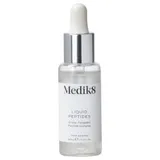
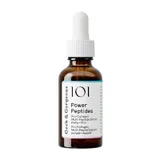
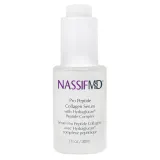
| TulaFirm Up Deep Wrinkle SerumYOUR PRODUCT | NassifMD DermaceuticalsPro Peptide Collagen Serum | Medik8Liquid Peptides | Geek GorgeousPower Peptides Serum | |
|---|---|---|---|---|
| Match | — | 55% | 54% | 53% |
| Price | — | $48.28 | $68.00 | $16.45 |
| Shared key ingredients | — | 2 of 8 | 3 of 8 | 2 of 8 |
| Key difference | — | N-Prolyl Palmitoyl Tripeptide-56 Acetate | Copper Palmitoyl Heptapeptide-14 | Copper Palmitoyl Heptapeptide-14 |
| Irritancy | Medium | Low | Low | Low |
| Drying alcohol | — | — | — | — |
| View product | Shop | Shop | Shop |

More alternatives: eb5 Advanced Repair Peptide SerumREVOLUTION SKINCARE Wrinkle & Fine Line Reducing Serum - 10% Matrixyl
Product summary
"Tula - Firm Up Deep Wrinkle Serum" is effective for: Moisturizing
This product could be helpful for: Anti-aging, but its actives are not the most effective or are not well-studied.
Ingredient callouts
- Peptides (palmitoyl tripeptide-38 0.30% - 0.55%). There are many different kind of Peptides and they are naturally present in our skin. They all are a combination of aminoacids. Some of them work as natural antibiotics, promote wound-healing and production of collagen. The science is still not settled on how effective Peptides are in skincare, but it is very likely that they have a benefit. They might help restore the skin barrier and fight the signs of aging. At the very least, Peptides work as humectants: they attract water to the upper layer of the skin and improve its hydration.
- Humectants (glycerin 3.90% - 4.80%). These ingredients help attract water to the upper layer of the skin and improve the skin hydration.
About the brand
According to Cruelty-Free Kitty "Tula" is cruelty free, but its parent company is not.
Price
The product retails from 71.40$ up to 84.00$ in the United States and for 110.00CA$ in Canada.
For a detailed price comparison: click here.
Sources cited in this review
Every concentration estimate and effectiveness label is anchored to one of these 11 studies and safety reviews.
- 1
- 2Bifidobacterium longumlysate, a new ingredient forreactive skinonlinelibrary.wiley.com
- 3Use of Probiotics for Dermal Applicationsresearchgate.net
- 4
- 5
- 6

Affiliate links · As an Amazon Associate, WIMJ earns from qualifying purchases.