Works for:
based on ingredients and %- Anti-aging
- Moisturizing
Doesn't work for:
based on ingredients and %- Anti-oxidation
Can it cause trouble?
- Irritation risk: medium
- Comedogenic risk ingredients: 2
Key actives


Moisturizing
This product can help improve hydration of the skin with the two types of ingredients.
The first type is called “humectants”:
these ingredients help attract water.
When humectants are on the surface of the skin, they “pull in” the moisture from the outside environment, or from
within deeper layers of the skin. The following ingredients in this product do the job:
algae extract, glycerin.
This product also contains ingredients called “occlusives”. They help reduce the speed with which our skin loses moisture to the outside environment. These ingredients also help soften the upper layer of the skin, so it feels less tight and nicer to the touch. The following ingredients in this product do the job: caprylic/capric triglyceride, algae extract.
The following ingredients in this product are especially good for supporting the skin barrier and helping with the hydration level: acetyl hexapeptide-8
Plant extract that helps the skin to attract water and make it more smooth for touch. Also shows promise of anti-aging properties, but research is not extensive yet
A product of bacterial fermentation. Can help attract water to the upper layer of the skin
One of the best moisturizing ingredients. Naturally present in skin. It attracts water to the upper layer of the skin working as a humectant
Consists of remains of dead bacteria cells. Is likely helpful in attracting water to the upper layer of the skin. Might be helpful in reducing inflammation and neutralizing free radicals in skin
An emollient that helps soften the skin and might help calm down inflammation
A good mix of fatty acids that forms a protective layer on the skin. Improves the shelf life of products. Derived from coconut and glycerin
Helps soften the upper layer of the skin
One of the best moisturizing ingredients. Attracts water into the upper layer of the skin
Helps attract water to the upper layer of the skin. Is claimed to support the growth of "good" bacteria in skin (as a "prebiotic"), but the research is lacking
A type of peptide. Peptides are excellent moisturizers and might be able support collagen production reducing fine lines and wrinkles
Help soften the upper layer of the skin
An oil from a mixture of different vegetables. Helps soften the upper layer of the skin
A non-drying alcohol. Works as an emollient. Helps water and oil mix together and creates a nice product texture
Helps soften the upper layer of the skin
Helps attract water to the upper layer of the skin. Might have some anti-oxidant properties
A plant oil that contains essential oils that can be irritating. Can help soften the upper layer of the skin. Might have some anti-oxidant activity but evidence is lacking
Helps preserve products and creates a nice product texture
An oil from a mixture of different vegetables. Helps soften the upper layer of the skin
Used to preserve products, dissolve other ingredients and create a nice product texture
Used to create a nice product texture and help delivery of other ingredients. Might be somewhat helpful in attracting water to the upper layer of the skin
An exfoliating and moisturizing alpha-hydroxy acid (AHA). Typically causes less irritation than other AHAs, for example, glycolic acid. At high concentrations (about 15%), lactic acid can help reduce lines and wrinkles. Recent studies show that lactic acid can support the "good" bacteria living on skin's surface (healthy skin microbiome)
Can contain potent anti-oxidant compounds (abbreviated ECG, GCG, EGC, and EGCG) that might help protect the skin from free radicals. Can help calm down inflammation and has some anti-bacterial properties. Unfortunately, these antioxidants are unstable and lose their effectiveness very quickly in products. The concentration of the antioxidant compounds in the extract also tends to be low to be effective in topical formulation
Anti-aging
What does the product description say?
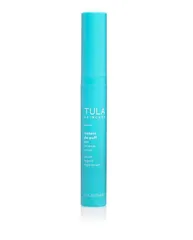
A potent & creamy yet lightweight formula powered by peptides, pink silk tree, sea algae & probiotics helps to reduce the appearance of wrinkles & dark under eye circles plus firm the look of skin.
Source: Tula
This product contains acetyl hexapeptide-8. This ingredient might be able to help reduce and prevent fine lines and wrinkles, improve skin elasticity and firmness, but there is not enough evidence that it actually works.
A type of peptide. Peptides are excellent moisturizers and might be able support collagen production reducing fine lines and wrinkles
Plant extract that helps the skin to attract water and make it more smooth for touch. Also shows promise of anti-aging properties, but research is not extensive yet
An exfoliating and moisturizing alpha-hydroxy acid (AHA). Typically causes less irritation than other AHAs, for example, glycolic acid. At high concentrations (about 15%), lactic acid can help reduce lines and wrinkles. Recent studies show that lactic acid can support the "good" bacteria living on skin's surface (healthy skin microbiome)
Can contain potent anti-oxidant compounds (abbreviated ECG, GCG, EGC, and EGCG) that might help protect the skin from free radicals. Can help calm down inflammation and has some anti-bacterial properties. Unfortunately, these antioxidants are unstable and lose their effectiveness very quickly in products. The concentration of the antioxidant compounds in the extract also tends to be low to be effective in topical formulation
Being a lipid soluble form of vitamin C, it is more stable and can penetrate the skin better than L-Ascorbic acid. It is effective in protecting the skin from free radicals, as well as evening the skin tone, but is less effective in stimulating collagen production compared to L-Ascorbic acid.
Anti-oxidation
This product contains antioxidants (albizia julibrissin bark extract, carthamus tinctorius seed oil, lactococcus ferment lysate, vaccinium angustifolium fruit extract). In theory, they could help neutralize free radicals in skin and lessen the damage it gets from the UV light (sun), but there is no evidence that these ingredients can have a noticeable effect in skin.
A plant extract that might help to neutralize free radicals in skin. Is claimed to help reduce hyperpigmentation but evidence is missing
An emollient that helps soften the skin and might help calm down inflammation
Consists of remains of dead bacteria cells. Is likely helpful in attracting water to the upper layer of the skin. Might be helpful in reducing inflammation and neutralizing free radicals in skin
A plant extract tha can have anti-oxidant properties, but evidence of effectiveness in skin is lacking
A plant oil that contains essential oils that can be irritating. Can help soften the upper layer of the skin. Might have some anti-oxidant activity but evidence is lacking
Helps attract water to the upper layer of the skin. Might have some anti-oxidant properties
Can contain potent anti-oxidant compounds (abbreviated ECG, GCG, EGC, and EGCG) that might help protect the skin from free radicals. Can help calm down inflammation and has some anti-bacterial properties. Unfortunately, these antioxidants are unstable and lose their effectiveness very quickly in products. The concentration of the antioxidant compounds in the extract also tends to be low to be effective in topical formulation
A more stable but less bio-available form of vitamin E compared to Tocopherol. Might help moisturize and protect the skin from free radicals, but mostly used in low concentrations to stabilize other ingredients.
Being a lipid soluble form of vitamin C, it is more stable and can penetrate the skin better than L-Ascorbic acid. It is effective in protecting the skin from free radicals, as well as evening the skin tone, but is less effective in stimulating collagen production compared to L-Ascorbic acid.
How honest is this product?
| Promise | Can it deliver? |
|---|---|
| Anti-aging |
Total Promises Fulfilled score: 75/100.
We receive a small commission for purchases made through these links at no cost for you. Thank you for your support! Learn more
Potential irritants
Comedogenic ingredients
User reviews (0)
Averages from community submissions.
No reviews yet for this product.
Be the first to share your experience!
Tried this product?
Help capture what the ingredient list can't—texture, finish, pilling, scent, and more. Answer what you can, skip the rest.
Takes ~30 seconds.
Reviews are shown in aggregate. No personal details.
| Product | Similarity | Price | Irritancy |
|---|---|---|---|
 Tula Eye Renewal Serum | Current | $58.00 | |
 Dime Beauty Co Luminosity Eye Serum | 55% | ≈ $35.97 | |
 Derm Institute Youth Alchemy Eye Serum | 55% | $290.00 | |
 M-61 Hydraboost Eye Serum | 55% | ≈ $78.32 | |
 Dermaquest Peptide Eye Firming Serum | 53% | - | |
 PRIORI Skincare Eye Serum LCA fx130 | 52% | ≈ $52.76 |
Key Actives
Can contain potent anti-oxidant compounds (abbreviated ECG, GCG, EGC, and EGCG) that might help protect the skin from free radicals. Can help calm down inflammation and has some anti-bacterial properties. Unfortunately, these antioxidants are unstable and lose their effectiveness very quickly in products. The concentration of the antioxidant compounds in the extract also tends to be low to be effective in topical formulation
Consists of remains of dead bacteria cells. Is likely helpful in attracting water to the upper layer of the skin. Might be helpful in reducing inflammation and neutralizing free radicals in skin
An emollient that helps soften the skin and might help calm down inflammation
Plant extract that helps the skin to attract water and make it more smooth for touch. Also shows promise of anti-aging properties, but research is not extensive yet
A type of peptide. Peptides are excellent moisturizers and might be able support collagen production reducing fine lines and wrinkles
Helps attract water to the upper layer of the skin. Is claimed to support the growth of "good" bacteria in skin (as a "prebiotic"), but the research is lacking
A good mix of fatty acids that forms a protective layer on the skin. Improves the shelf life of products. Derived from coconut and glycerin
One of the best moisturizing ingredients. Naturally present in skin. It attracts water to the upper layer of the skin working as a humectant
Helps soften the upper layer of the skin
A product of bacterial fermentation. Can help attract water to the upper layer of the skin
One of the best moisturizing ingredients. Attracts water into the upper layer of the skin
Potential irritants
A plant oil that contains essential oils that can be irritating. Can help soften the upper layer of the skin. Might have some anti-oxidant activity but evidence is lacking
A plant extract that can contain an active compound curcumin, that may have some anti-inflammatory properties when applied to the skin, but solid research is lacking and the typical concentration used in skincare products is too low. Can be an irritant
A plant extract that might help to neutralize free radicals in skin. Is claimed to help reduce hyperpigmentation but evidence is missing
A good mix of fatty acids that forms a protective layer on the skin. Improves the shelf life of products. Derived from coconut and glycerin
A plant extract tha can have anti-oxidant properties, but evidence of effectiveness in skin is lacking
An exfoliating and moisturizing alpha-hydroxy acid (AHA). Typically causes less irritation than other AHAs, for example, glycolic acid. At high concentrations (about 15%), lactic acid can help reduce lines and wrinkles. Recent studies show that lactic acid can support the "good" bacteria living on skin's surface (healthy skin microbiome)
A more stable but less bio-available form of vitamin E compared to Tocopherol. Might help moisturize and protect the skin from free radicals, but mostly used in low concentrations to stabilize other ingredients.
Being a lipid soluble form of vitamin C, it is more stable and can penetrate the skin better than L-Ascorbic acid. It is effective in protecting the skin from free radicals, as well as evening the skin tone, but is less effective in stimulating collagen production compared to L-Ascorbic acid.
Maintains the texture of skincare products. Allows the product to spread evenly. Helps oil and water mix together
Can work as an exfoliant but is typically used to adjust the product pH
Used to thicken the product formulation and might help to add minerals to the surface of the skin. It is used in scrubs as a physical exfoliant. Can increase sensitivity to other ingredients if left on the skin or used in high concentration
Helps preserve products and creates a nice product texture
Used to preserve products, dissolve other ingredients and create a nice product texture
Comedogenic ingredients
A non-drying alcohol. Works as an emollient. Helps water and oil mix together and creates a nice product texture
Plant extract that helps the skin to attract water and make it more smooth for touch. Also shows promise of anti-aging properties, but research is not extensive yet
All ingredients
A good mix of fatty acids that forms a protective layer on the skin. Improves the shelf life of products. Derived from coconut and glycerin
One of the best moisturizing ingredients. Naturally present in skin. It attracts water to the upper layer of the skin working as a humectant
Used to create a nice product texture and help delivery of other ingredients. Might be somewhat helpful in attracting water to the upper layer of the skin
A non-drying alcohol. Works as an emollient. Helps water and oil mix together and creates a nice product texture
Consists of remains of dead bacteria cells. Is likely helpful in attracting water to the upper layer of the skin. Might be helpful in reducing inflammation and neutralizing free radicals in skin
An emollient that helps soften the skin and might help calm down inflammation
A plant oil that contains essential oils that can be irritating. Can help soften the upper layer of the skin. Might have some anti-oxidant activity but evidence is lacking
A plant extract that can contain an active compound curcumin, that may have some anti-inflammatory properties when applied to the skin, but solid research is lacking and the typical concentration used in skincare products is too low. Can be an irritant
A plant extract that might help to neutralize free radicals in skin. Is claimed to help reduce hyperpigmentation but evidence is missing
Can contain potent anti-oxidant compounds (abbreviated ECG, GCG, EGC, and EGCG) that might help protect the skin from free radicals. Can help calm down inflammation and has some anti-bacterial properties. Unfortunately, these antioxidants are unstable and lose their effectiveness very quickly in products. The concentration of the antioxidant compounds in the extract also tends to be low to be effective in topical formulation
A plant extract tha can have anti-oxidant properties, but evidence of effectiveness in skin is lacking
Plant extract that helps the skin to attract water and make it more smooth for touch. Also shows promise of anti-aging properties, but research is not extensive yet
A product of bacterial fermentation. Can help attract water to the upper layer of the skin
An oil from a mixture of different vegetables. Helps soften the upper layer of the skin
An oil from a mixture of different vegetables. Helps soften the upper layer of the skin
Help soften the upper layer of the skin
A type of peptide. Peptides are excellent moisturizers and might be able support collagen production reducing fine lines and wrinkles
An exfoliating and moisturizing alpha-hydroxy acid (AHA). Typically causes less irritation than other AHAs, for example, glycolic acid. At high concentrations (about 15%), lactic acid can help reduce lines and wrinkles. Recent studies show that lactic acid can support the "good" bacteria living on skin's surface (healthy skin microbiome)
Helps attract water to the upper layer of the skin. Might have some anti-oxidant properties
A more stable but less bio-available form of vitamin E compared to Tocopherol. Might help moisturize and protect the skin from free radicals, but mostly used in low concentrations to stabilize other ingredients.
Being a lipid soluble form of vitamin C, it is more stable and can penetrate the skin better than L-Ascorbic acid. It is effective in protecting the skin from free radicals, as well as evening the skin tone, but is less effective in stimulating collagen production compared to L-Ascorbic acid.
Increases thickness of a product. Texture enhancer for oil-in-water emulsions
Helps attract water to the upper layer of the skin. Is claimed to support the growth of "good" bacteria in skin (as a "prebiotic"), but the research is lacking
Maintains the texture of skincare products. Allows the product to spread evenly. Helps oil and water mix together
Can work as an exfoliant but is typically used to adjust the product pH
Used to thicken the product formulation and might help to add minerals to the surface of the skin. It is used in scrubs as a physical exfoliant. Can increase sensitivity to other ingredients if left on the skin or used in high concentration
One of the best moisturizing ingredients. Attracts water into the upper layer of the skin
Helps preserve products and creates a nice product texture
Used to preserve products, dissolve other ingredients and create a nice product texture
A preservative. It helps prevent bacterial growth in cosmetic products
Works as a UV filter when used in high concentrations. It is photostable and is effective mostly against the UVB light, with some protection in the UVA range. In small concentrations, used for its ability to improve the color of cosmetic products. Is usually well tolerated by the skin
Ingredient list view
Water, Caprylic/capric triglyceride, Hydrogenated ethylhexyl olivate, Glycerin, Butylene glycol, Cetearyl alcohol, Lactococcus ferment lysate, Sodium potassium aluminum silicate, Carthamus tinctorius seed oil, Camelina sativa seed oil, Silybum marianum seed oil, Curcuma longa root extract, Citrus aurantium dulcis peel extract, Albizia julibrissin bark extract, Avena sativa bran extract, Camellia sinensis leaf extract, Vaccinium angustifolium fruit extract, Cichorium intybus root extract, Algae extract, Bacillus ferment, Olus oil, Vegetable oil, Hydrogenated olive oil unsaponifiables, Acetyl hexapeptide-8, Lactic acid, Yogurt powder, Hydrolyzed rice protein, Tocopheryl acetate, Ascorbyl palmitate, Darutoside, Ammonium acryloyldimethyltaurate/vp copolymer, Silica, Xanthan gum, Inulin, Acrylates/c10-30 alkyl acrylate crosspolymer, Sodium hydroxide, Citric acid, Sea salt, Sodium hyaluronate, Sorbic acid, Hexylene glycol, Caprylyl glycol, Ethylhexylglycerin, Pentylene glycol, Sodium benzoate, Potassium sorbate, Phenoxyethanol, Titanium dioxide
- Glycerol and the skin: holistic approach to its origin and functions
- Physical and chemical characteristics and fatty acids composition of seeds oil isolated from Camelina sativa (L) cultivated in Mongolia
- Tunisian Milk Thistle: An Investigation of the Chemical Composition and the Characterization of Its Cold-Pressed Seed Oils
- Fatty acids, essential oil and phenolics composition of Silybum marianum seeds and their antioxidant activities
- Vaughn, A. R., Branum, A., & Sivamani, R. K. (2016). Effects of Turmeric (Curcuma longa) on Skin Health: A Systematic Review of the Clinical Evidence. Phytotherapy Research, 30(8), 1243–1264. doi:10.1002/ptr.5640
- Phytopharmacological properties of Albizia species: A review
- Anti-Inflammatory and Neuroactive Properties of Selected Fruit Extracts
- Epidermal and dermal effects of topical lactic acid
- Dual Effects of Alpha-Hydroxy Acids on the Skin
- Protection Against Free Radicals (UVB Irradiation) of a Water-Soluble Enzymatic Extract from Rice Bran. Study Using Human Keratinocyte Monolayer and Reconstructed Human Epidermis
- Amended final report on the safety assessment of Oryza Sativa (rice) Bran Oil, Oryza Sativa (rice) Germ Oil, Rice Bran Acid,Oryza Sativa (rice) Bran Wax, Hydrogenated Rice Bran Wax, Oryza Sativa (rice)Bran Extract, Oryza Sativa (rice) Extract, Oryza Sativa (rice) Germ Powder, Oryza Sativa (rice) Starch, Oryza Sativa (rice) Bran, Hydrolyzed Rice Bran Extract, Hydrolyzed Rice Bran Protein, Hydrolyzed Rice Extract, and Hydrolyzed Rice Protein
- Probiotics and prebiotics potential for the care of skin, female urogenital tract, and respiratory tract
- Hyaluronic acid: A key molecule in skin aging
- Hyaluronan (Hyaluronic Acid): a natural moisturizer for skin care