Works for:
based on ingredients and %- Exfoliation
- Cleansing
Can it cause trouble?
- Irritation risk: high
- Comedogenic risk ingredients: 4
Key actives


Works for
Cleansing
What does the product description say?
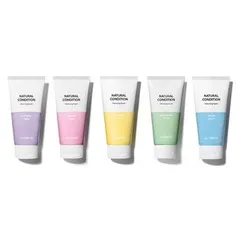
Natural Condition Cleansing Foam .
Source: From product name
This product works by removing dirt and oil from the surface of the skin. It uses a combination of mild cleansing agents (arachidic acid, capric acid, ceteth-24, cholesterol, choleth-24, cocamide mea, cocamidopropyl betaine, coconut acid, glyceryl arachidonate, glyceryl linoleate, glyceryl stearate, glycol distearate, hydroxypropyl methylcellulose, lauramidopropyl betaine, lauric acid, myristic acid, oleic acid, palmitic acid, peg-100 stearate, potassium cetyl phosphate, potassium cocoate, potassium cocoyl glycinate, quillaja saponaria bark extract, sodium cocoyl isethionate, sodium methyl cocoyl taurate, sorbitan olivate, tea-lauryl sulfate) and should be able to cleanse the skin gently. Still keep in mind that any cleansing can disrupt the skin barrier, and most people do not need to cleanse their skin more than once per day.
Even though this formulation is mild, the following cleansing agents could trigger an irritation or allergy for some people: cocamidopropyl betaine, sodium methyl cocoyl taurate, tea-lauryl sulfate
Helps water and oil mix together
Helps water and oil mix together. Can be used as a cleansing agent
Helps oil and water mix together. Can be used as cleansing agent
Helps oil and water mix together
Helps oil and water mix together
An emollient that is naturally found in skin
Helps oil and water mix together
Helps water and oil mix together. Used as a cleansing ingredient. Could be an allergen
Helps water and oil mix together
Helps oil and water mix together
An emollient that softens the skin and forms a protective layer on its surface. Helps water and oil mix together
Helps water and oil mix together
Used to create a thicker product consistency and stabilize the formulation
Helps water and oil mix together. Has anti-bacterial properties that might be helpful in preventing blemishes
Helps oil and water mix together. Could be comedogenic
Helps soften the upper layer of the skin. At the same time, it can weaken the skin's barrier enhancing penetration of other ingredients and increasing the risk of skin dryness
An emollient that is naturally present in skin and helps soften it
Helps oil and water mix togehter and creates a nice product texture
Helps oil and water mix together
Helps oil and water mix together and works as a cleansing agent
Helps oil and water mix together and works as an emollient
Exfoliation
What does the product description say?
Formulated with 4 kinds of peeling ingredients for mild cleansing and dead skin cells care.
Source: Yesstyle
This product can help exfoliate the skin. In other words, it helps break down the bonds between dead cells on the surface of the skin and speed up the skin turnover. Skin often appears softer and brighter after exfoliation, but overdoing it can result in disrupted skin barrier. The following ingredient is doing the exfoliating job in this product: glycolic acid, mandelic acid.
An alpha-hydroxy acid (AHA) that helps to remove the dead skin cells on the surface of the skin reveling a more even, smoother complexation. It is also able to stimulate collagen production with long-term use. Could help to reduce pore congestion. It can be irritating to the skin. Apply sunscreen daily if using products with glycolic acid
Helps shed the upper layer of dead cells from the surface of the skin revealing smoother, brighter skin. It can help to reduce hyperpigmentation. It has anti-bacterial properties, and might help to reduce blemishes, as well as fine lines and wrinkles. It is considered to be gentler than glycolic acid
An exfoliating and moisturizing alpha-hydroxy acid (AHA). Typically causes less irritation than other AHAs, for example, glycolic acid. At high concentrations (about 15%), lactic acid can help reduce lines and wrinkles. Recent studies show that lactic acid can support the "good" bacteria living on skin's surface (healthy skin microbiome)
Three steps removed from the active form of vitamin A - retinoic acid. To have an effect in the skin, it first needs to be converted twice to become the retinoic acid. This means it is less potent than retinol, but could also be less irritating. Once converted to the retinoic acid in the skin, it helps against all signs of aging, improves skin cell turnover and helps fight blemishes and clogged pores. However, in many cosmetic formulations, it is used in a concentration that is too low to have the full effect
Helps calm down inflammation in skin and can help reduce itching. Helps to repair the skin barrier and keep skin hydrated
How honest is this product?
| Promise | Can it deliver? |
|---|---|
| Cleansing | |
| Exfoliation |
Total Promises Fulfilled score: 100/100.
We receive a small commission for purchases made through these links at no cost for you. Thank you for your support! Learn more
Potential irritants
Comedogenic ingredients
User reviews (0)
Averages from community submissions.
No reviews yet for this product.
Be the first to share your experience!
Tried this product?
Help capture what the ingredient list can't—texture, finish, pilling, scent, and more. Answer what you can, skip the rest.
Takes ~30 seconds.
Reviews are shown in aggregate. No personal details.
| Product | Similarity | Price | Irritancy |
|---|---|---|---|
 The Saem Natural Condition Cleansing Foam - 5 Types | Current | $18.90 | |
 Filorga Age-Purify Clean Smoothing Purifying Cleansing Gel | 67% | ≈ $36.81 | |
Community Sixty-Six Detoxifying AHA/BHA Gel Cleanser | 66% | $15.82 | |
Acnecide Purifide Ph Control Face Wash | 66% | ≈ $13.23 | |
 Simple Kind Defence Anti-Bac Cleansing Wipes | 65% | ≈ $0.13 | |
 Skinfix USA Acne+ 2% BHA Cleanser | 63% | $35.00 |
Key Actives
Is proven to be effective in reducing blemishes, evening out skin tone and helping to improve lines and wrinkles. It helps the skin to repair sun damage, calm down inflammation and keep maintain good levels of moisture. The concentration of about 2% is effective for supporting the skin barrier and evening out the skin tone. Concentration of 4-6% is better for helping with acne and balancing the sebum production
A plant extract that has been shown to be able to reduce inflammation in skin, support restoration of skin barrier function, as well as support collagen production. Contains active compounds called centelloids: asiaticoside, madecasosside, asiatic acid and madecassic acid. Might be helpful in preventing stretch marks. It can be itself be irritating though.
Helps calm down inflammation in skin and can help reduce itching. Helps to repair the skin barrier and keep skin hydrated
Can contain potent anti-oxidant compounds (abbreviated ECG, GCG, EGC, and EGCG) that might help protect the skin from free radicals. Can help calm down inflammation and has some anti-bacterial properties. Unfortunately, these antioxidants are unstable and lose their effectiveness very quickly in products. The concentration of the antioxidant compounds in the extract also tends to be low to be effective in topical formulation
An alpha-hydroxy acid (AHA) that helps to remove the dead skin cells on the surface of the skin reveling a more even, smoother complexation. It is also able to stimulate collagen production with long-term use. Could help to reduce pore congestion. It can be irritating to the skin. Apply sunscreen daily if using products with glycolic acid
Three steps removed from the active form of vitamin A - retinoic acid. To have an effect in the skin, it first needs to be converted twice to become the retinoic acid. This means it is less potent than retinol, but could also be less irritating. Once converted to the retinoic acid in the skin, it helps against all signs of aging, improves skin cell turnover and helps fight blemishes and clogged pores. However, in many cosmetic formulations, it is used in a concentration that is too low to have the full effect
Helps shed the upper layer of dead cells from the surface of the skin revealing smoother, brighter skin. It can help to reduce hyperpigmentation. It has anti-bacterial properties, and might help to reduce blemishes, as well as fine lines and wrinkles. It is considered to be gentler than glycolic acid
A stable derivative of vitamin C. It is oil-soluble which means it is more likely to penetrate the skin compared to the pure form of vitamin C (which is water-soluble), but it is less bio-available and is way less effective in stimulating collagen and reducing wrinkles compared to the pure form of vitamin C (L-ascorbic acid) and its other derivatives (for example, magnesium ascorbyl phosphate). At the same time, this vitamin C derivative has been shown in studies to be effective in reducing acne, blemishes and clogged pores. It is less irritating then the pure form of vitamin C
Helps attract water to the upper layer of the skin and can help improve skin barrier function
Can be helpful in reducing inflammation in skin, including inflamed acne. It can be irritating
Helps water and oil mix together. Has anti-bacterial properties that might be helpful in preventing blemishes
Helps soften the upper layer of the skin. At the same time, it can weaken the skin's barrier enhancing penetration of other ingredients and increasing the risk of skin dryness
Coenzyme Q10. It helps neutralize free radicals in skin, improves skin hydration and might be helpful agains fine lines and wrinkles. It can be an allergen
A vitamin C derivative that is more stable but less potent than pure form of vitamin C. Can help neutralize free radicals and help reduce hyperpigmentation, but the required concentration is likely to be much higher than for the pure form of vitamin C, limiting the ingredient's effectiveness in products
One of the best moisturizing ingredients. Attracts water into the upper layer of the skin. Naturally present in skin. Typically has large molecule size unless advertised otherwise on the product label. Helps support skin's barrier function and may help to reduce inflammation
An emollient that is naturally found in skin
An emollient that softens the skin and forms a protective layer on its surface. Helps water and oil mix together
A type of clay that consists mainly of aluminum silicate. Helps absorb oil and creates a thicker product consistency. Can be used to add a white color
An emollient that is naturally present in skin and helps soften it
A silicone that helps to reduce water loss from the surface of the skin. Can temporarily "fill in" lines and wrinkles, absorb oil, and create a nice product finish
Helps oil and water mix together and works as an emollient
Helps support skin barrier function improving skin hydration and reducing sensitivity
One of the best moisturizing ingredients. Naturally present in skin. It attracts water to the upper layer of the skin working as a humectant
A type of silicone that leaves a nice silky finish on the skin and can help soften its upper layer
Helps attract water to the upper layer of the skin
A great emollient due to its high linoleic acid content. One of the most effective plant oils in helping skin hydration and repairing skin barrier function
Helps oil and water mix togehter and creates a nice product texture
A phytosterol that can support skin's barrier function and help the skin stay hydrated
An emollient. Found to be as effective as a moisturizer for dry skin as mineral oil. Could be comedogenic
Used to create a thicker product consistency and stabilize the formulation
Helps water and oil mix together. Used as a cleansing ingredient. Could be an allergen
Helps water and oil mix together. Can be used as a cleansing agent
Forms a protective barrier that holds water and keeps dry skin hydrated. Keeps an emulsion from separating into its oil and liquid components, and increases the thickness of a product. Can be an allergen
Helps oil and water mix together. Could be comedogenic
Helps water and oil mix together
Helps oil and water mix together. Can be used as cleansing agent
One of the best moisturizing ingredients. Attracts water into the upper layer of the skin
One of the best moisturizing ingredients. Attracts water into the upper layer of the skin. A version of it is naturally present in skin
Helps water and oil mix together
Helps oil and water mix together
Helps oil and water mix together and works as a cleansing agent
A good mix of fatty acids that forms a protective layer on the skin. Improves the shelf life of products. Derived from coconut and glycerin
Potential irritants
An aromatic blend of unspecified and possibly irritating ingredients
An alpha-hydroxy acid (AHA) that helps to remove the dead skin cells on the surface of the skin reveling a more even, smoother complexation. It is also able to stimulate collagen production with long-term use. Could help to reduce pore congestion. It can be irritating to the skin. Apply sunscreen daily if using products with glycolic acid
Three steps removed from the active form of vitamin A - retinoic acid. To have an effect in the skin, it first needs to be converted twice to become the retinoic acid. This means it is less potent than retinol, but could also be less irritating. Once converted to the retinoic acid in the skin, it helps against all signs of aging, improves skin cell turnover and helps fight blemishes and clogged pores. However, in many cosmetic formulations, it is used in a concentration that is too low to have the full effect
Used as a fragrance. Can be irritating and cause photosensitivity
Can be helpful in reducing inflammation in skin, including inflamed acne. It can be irritating
A fragrance. Can trigger allergic reactions and be irritating
A fruit extract that is used to add a fragrance to the product. It might have some antioxidant properties
Helps water and oil mix together. Used as a cleansing ingredient. Could be an allergen
A berry extract. Might have some anti-oxidant properties
A fruit extract that might have some anti-oxidant effect
A plant extract that is used as a fragrance. Can be irritating and lead to photosensitivity
A fruit extact. Might have some anti-oxidant properties
Helps oil and water mix together and can enhance the penetration of other ingredients into the skin. It can be irritating
Helps shed the upper layer of dead cells from the surface of the skin revealing smoother, brighter skin. It can help to reduce hyperpigmentation. It has anti-bacterial properties, and might help to reduce blemishes, as well as fine lines and wrinkles. It is considered to be gentler than glycolic acid
A vitamin C derivative that is more stable but less potent than pure form of vitamin C. Can help neutralize free radicals and help reduce hyperpigmentation, but the required concentration is likely to be much higher than for the pure form of vitamin C, limiting the ingredient's effectiveness in products
An essential oil that can be irritating. Has some anti-bacterial properties
Helps oil and water mix together. Can be used as cleansing agent
A common frangrance that can easily irritate skin, especially if exposed to air, light or heat
Plant extract that can have healing and anti-inflammatory properties. It is a potential allergen and can be irritating
A stable derivative of vitamin C. It is oil-soluble which means it is more likely to penetrate the skin compared to the pure form of vitamin C (which is water-soluble), but it is less bio-available and is way less effective in stimulating collagen and reducing wrinkles compared to the pure form of vitamin C (L-ascorbic acid) and its other derivatives (for example, magnesium ascorbyl phosphate). At the same time, this vitamin C derivative has been shown in studies to be effective in reducing acne, blemishes and clogged pores. It is less irritating then the pure form of vitamin C
Traditionally used to treat sunburns, dermatitis and inflammation, but evidence for its effectiveness is lacking. The extract can contain humectants that help attract water into the skin
A plant extract that might have some anti-oxidant and anti-inflammatory properties but evidence for effectiveness in skin is missing
A fruit extract that might help attract water to the upper layer of the skin. There is no evidence of other benefits in skin
A plant extract that might help neutralize free radicals in skin, but research on its effectiveness is lacking
Used to create a thicker product consistency and stabilize the formulation
Plant oil from nuts that helps soften the upper layer of the skin. Contains a high concentration of oleic acid that can weaken skin's barrier function and increase water-loss while enhancing penetration of other ingredients
A plant extract tha can have anti-oxidant properties, but evidence of effectiveness in skin is lacking
Helps water and oil mix together. Has anti-bacterial properties that might be helpful in preventing blemishes
Helps water and oil mix together. Can be used as a cleansing agent
A compound secreted by bees. Might be able to attract water to the top layer of the skin. Avoid if sensitive to honey and bee products
Helps soften the upper layer of the skin. At the same time, it can weaken the skin's barrier enhancing penetration of other ingredients and increasing the risk of skin dryness
Helps preserve products and creates a nice product texture
An emollient that helps soften the skin but is not effective for restoring its barrier function. Might be helpful to calm down inflammation
Used to stabilize product formulation, help create an even product layer over skin (for example, in sunscreen) and create a thicker product consistency
Can work as an exfoliant but is typically used to adjust the product pH
A fruit extract that might have some anti-oxidant properties but evidence of effectiveness in skin is lacking
Helps oil and water mix together. Could be comedogenic
A plant extract that has been shown to be able to reduce inflammation in skin, support restoration of skin barrier function, as well as support collagen production. Contains active compounds called centelloids: asiaticoside, madecasosside, asiatic acid and madecassic acid. Might be helpful in preventing stretch marks. It can be itself be irritating though.
A fruit extract that might have some antioxidant properties and might help attract water to the skin, but evidence of effectiveness is lacking
Maintains the texture of skincare products. Allows the product to spread evenly. Helps oil and water mix together
A more stable but less bio-available form of vitamin E compared to Tocopherol. Might help moisturize and protect the skin from free radicals, but mostly used in low concentrations to stabilize other ingredients.
Helps oil and water mix together and works as a cleansing agent
An exfoliating and moisturizing alpha-hydroxy acid (AHA). Typically causes less irritation than other AHAs, for example, glycolic acid. At high concentrations (about 15%), lactic acid can help reduce lines and wrinkles. Recent studies show that lactic acid can support the "good" bacteria living on skin's surface (healthy skin microbiome)
A good mix of fatty acids that forms a protective layer on the skin. Improves the shelf life of products. Derived from coconut and glycerin
Comedogenic ingredients
An emollient. Found to be as effective as a moisturizer for dry skin as mineral oil. Could be comedogenic
Helps water and oil mix together. Has anti-bacterial properties that might be helpful in preventing blemishes
Helps oil and water mix together. Could be comedogenic
All ingredients
One of the best moisturizing ingredients. Naturally present in skin. It attracts water to the upper layer of the skin working as a humectant
Used to create a nice product texture and help delivery of other ingredients. Might be somewhat helpful in attracting water to the upper layer of the skin
An aromatic blend of unspecified and possibly irritating ingredients
Used to stabilize mixtures of oil and water, and create thicker, gel-like product textures
Helps attract water to the upper layer of the skin and improves the product texture
A stable derivative of vitamin C. It is oil-soluble which means it is more likely to penetrate the skin compared to the pure form of vitamin C (which is water-soluble), but it is less bio-available and is way less effective in stimulating collagen and reducing wrinkles compared to the pure form of vitamin C (L-ascorbic acid) and its other derivatives (for example, magnesium ascorbyl phosphate). At the same time, this vitamin C derivative has been shown in studies to be effective in reducing acne, blemishes and clogged pores. It is less irritating then the pure form of vitamin C
Helps calm down inflammation in skin and can help reduce itching. Helps to repair the skin barrier and keep skin hydrated
An alpha-hydroxy acid (AHA) that helps to remove the dead skin cells on the surface of the skin reveling a more even, smoother complexation. It is also able to stimulate collagen production with long-term use. Could help to reduce pore congestion. It can be irritating to the skin. Apply sunscreen daily if using products with glycolic acid
Helps attract water to the upper layer of the skin and can help improve skin barrier function
A type of silicone that leaves a nice silky finish on the skin and can help soften its upper layer
Three steps removed from the active form of vitamin A - retinoic acid. To have an effect in the skin, it first needs to be converted twice to become the retinoic acid. This means it is less potent than retinol, but could also be less irritating. Once converted to the retinoic acid in the skin, it helps against all signs of aging, improves skin cell turnover and helps fight blemishes and clogged pores. However, in many cosmetic formulations, it is used in a concentration that is too low to have the full effect
Traditionally used to treat sunburns, dermatitis and inflammation, but evidence for its effectiveness is lacking. The extract can contain humectants that help attract water into the skin
Acts as a solvent for other ingredients. Speeds up the absorption of other ingredients into the skin
A great emollient due to its high linoleic acid content. One of the most effective plant oils in helping skin hydration and repairing skin barrier function
Might have some moisturising properties. Is not effective when applied topically beyond some moisturizing effect
A plant extract that might have some anti-oxidant and anti-inflammatory properties but evidence for effectiveness in skin is missing
Helps oil and water mix togehter and creates a nice product texture
A fruit extract that might help attract water to the upper layer of the skin. There is no evidence of other benefits in skin
Used as a fragrance. Can be irritating and cause photosensitivity
A phytosterol that can support skin's barrier function and help the skin stay hydrated
A plant extract that might have an anti-oxidant effect and help even out skin tone, but solid evidence of effectiveness is lacking
A plant extract that might help neutralize free radicals in skin, but research on its effectiveness is lacking
Can be helpful in reducing inflammation in skin, including inflamed acne. It can be irritating
An emollient. Found to be as effective as a moisturizer for dry skin as mineral oil. Could be comedogenic
Used to create a thicker product consistency and stabilize the formulation
A fragrance. Can trigger allergic reactions and be irritating
A fruit extract that is used to add a fragrance to the product. It might have some antioxidant properties
A preservative. It helps prevent bacterial growth in cosmetic products
Plant oil from nuts that helps soften the upper layer of the skin. Contains a high concentration of oleic acid that can weaken skin's barrier function and increase water-loss while enhancing penetration of other ingredients
Is proven to be effective in reducing blemishes, evening out skin tone and helping to improve lines and wrinkles. It helps the skin to repair sun damage, calm down inflammation and keep maintain good levels of moisture. The concentration of about 2% is effective for supporting the skin barrier and evening out the skin tone. Concentration of 4-6% is better for helping with acne and balancing the sebum production
Helps water and oil mix together. Used as a cleansing ingredient. Could be an allergen
A plant extract tha can have anti-oxidant properties, but evidence of effectiveness in skin is lacking
Helps dissolve other ingredients and attract water to the upper layer of the skin
A berry extract. Might have some anti-oxidant properties
Helps water and oil mix together. Has anti-bacterial properties that might be helpful in preventing blemishes
Helps water and oil mix together. Can be used as a cleansing agent
Used to stabilize the product formulation and can help absorb oil
A fruit extract that might have some anti-oxidant effect
A plant extract that is used as a fragrance. Can be irritating and lead to photosensitivity
An extract from fungus (mold) that typically appears on rice. It can help attract water to the upper layer of the skin, might help neutralize free radicals and possibly somewhat reduce hyperpigmentation
A compound secreted by bees. Might be able to attract water to the top layer of the skin. Avoid if sensitive to honey and bee products
Helps soften the upper layer of the skin. At the same time, it can weaken the skin's barrier enhancing penetration of other ingredients and increasing the risk of skin dryness
A fruit extact. Might have some anti-oxidant properties
Forms a protective barrier that holds water and keeps dry skin hydrated. Keeps an emulsion from separating into its oil and liquid components, and increases the thickness of a product. Can be an allergen
Helps oil and water mix together and can enhance the penetration of other ingredients into the skin. It can be irritating
Helps preserve products and creates a nice product texture
An emollient that helps soften the skin but is not effective for restoring its barrier function. Might be helpful to calm down inflammation
Used to stabilize product formulation, help create an even product layer over skin (for example, in sunscreen) and create a thicker product consistency
Helps soften the upper layer of the skin and create a nice product finish
Coenzyme Q10. It helps neutralize free radicals in skin, improves skin hydration and might be helpful agains fine lines and wrinkles. It can be an allergen
Can contain potent anti-oxidant compounds (abbreviated ECG, GCG, EGC, and EGCG) that might help protect the skin from free radicals. Can help calm down inflammation and has some anti-bacterial properties. Unfortunately, these antioxidants are unstable and lose their effectiveness very quickly in products. The concentration of the antioxidant compounds in the extract also tends to be low to be effective in topical formulation
Can work as an exfoliant but is typically used to adjust the product pH
Helps shed the upper layer of dead cells from the surface of the skin revealing smoother, brighter skin. It can help to reduce hyperpigmentation. It has anti-bacterial properties, and might help to reduce blemishes, as well as fine lines and wrinkles. It is considered to be gentler than glycolic acid
A vitamin C derivative that is more stable but less potent than pure form of vitamin C. Can help neutralize free radicals and help reduce hyperpigmentation, but the required concentration is likely to be much higher than for the pure form of vitamin C, limiting the ingredient's effectiveness in products
A fruit extract that might have some anti-oxidant properties but evidence of effectiveness in skin is lacking
Helps oil and water mix together. Could be comedogenic
Helps soften the upper layer of the skin and create a nice product finish
An emollient that softens the skin and forms a protective layer on its surface. Helps water and oil mix together
An essential oil that can be irritating. Has some anti-bacterial properties
A plant extract that has been shown to be able to reduce inflammation in skin, support restoration of skin barrier function, as well as support collagen production. Contains active compounds called centelloids: asiaticoside, madecasosside, asiatic acid and madecassic acid. Might be helpful in preventing stretch marks. It can be itself be irritating though.
A fruit extract that might have some antioxidant properties and might help attract water to the skin, but evidence of effectiveness is lacking
Helps oil and water mix together. Can be used as cleansing agent
Maintains the texture of skincare products. Allows the product to spread evenly. Helps oil and water mix together
Helps soften the upper layer of the skin and create a nice product finish
A common frangrance that can easily irritate skin, especially if exposed to air, light or heat
One of the best moisturizing ingredients. Attracts water into the upper layer of the skin
A type of clay that consists mainly of aluminum silicate. Helps absorb oil and creates a thicker product consistency. Can be used to add a white color
One of the best moisturizing ingredients. Attracts water into the upper layer of the skin. A version of it is naturally present in skin
One of the best moisturizing ingredients. Attracts water into the upper layer of the skin. Naturally present in skin. Typically has large molecule size unless advertised otherwise on the product label. Helps support skin's barrier function and may help to reduce inflammation
A more stable but less bio-available form of vitamin E compared to Tocopherol. Might help moisturize and protect the skin from free radicals, but mostly used in low concentrations to stabilize other ingredients.
An emollient that is naturally present in skin and helps soften it
A silicone that helps to reduce water loss from the surface of the skin. Can temporarily "fill in" lines and wrinkles, absorb oil, and create a nice product finish
Helps oil and water mix together and works as a cleansing agent
An exfoliating and moisturizing alpha-hydroxy acid (AHA). Typically causes less irritation than other AHAs, for example, glycolic acid. At high concentrations (about 15%), lactic acid can help reduce lines and wrinkles. Recent studies show that lactic acid can support the "good" bacteria living on skin's surface (healthy skin microbiome)
Helps support skin barrier function improving skin hydration and reducing sensitivity
An effective moisturizing and skin barrier repair ingredient. Helps calm down inflammation and has some anti-oxidant properties
Plant extract that can have healing and anti-inflammatory properties. It is a potential allergen and can be irritating
A good mix of fatty acids that forms a protective layer on the skin. Improves the shelf life of products. Derived from coconut and glycerin
Ingredient list view
Water, Glycerin, Butylene glycol, Parfum, Sodium chloride, Disodium edta, Sapindus mukorossi fruit extract, Sorbitol, Sodium ascorbyl phosphate, Coconut acid, Sorbitan olivate, Allantoin, Glycolic acid, Capric acid, Sorghum bicolor leaf/stem extract, Panthenol, Cyclomethicone, Diglycerin, Retinyl palmitate, Protease, Pyridoxine hcl, Aloe barbadensis leaf extract, Propanediol, Helianthus annuus seed oil, Glycol distearate, Glyceryl linolenate, Mentha piperita leaf extract, Gossypium herbaceum extract, Biotin, Choleth-24, Olea europaea leaf extract, Bromelain, Citronellol, Lavandula angustifolia flower water, Peg-100 stearate, Arachidic acid, Mangifera indica fruit extract, Linalool, Citrus limon fruit extract, Beta-sitosterol, Silk extract, Prunus mume fruit extract, Fragaria vesca fruit extract, Rosmarinus officinalis leaf extract, Cocos nucifera oil, Citrus paradisi fruit extract, Potassium cocoyl glycinate, Passiflora incarnata fruit extract, Hydroxypropyl methylcellulose, Butylphenyl methylpropional, Potassium hydroxide, Honey extract, Ceteth-24, Sodium acetate, Punica granatum fruit extract, Phenoxyethanol, Macadamia ternifolia seed oil, Niacinamide, Cocamidopropyl betaine, Saponaria officinalis leaf extract, Vaccinium angustifolium fruit extract, Peg-32, Yucca vera leaf/root extract, Cholesterol, Eucalyptus globulus leaf extract, Vaccinium macrocarpon fruit extract, Cordyceps sinensis extract, Lauric acid, Sodium cocoyl isethionate, Maltodextrin, Lauramidopropyl betaine, Betula platyphylla japonica juice, 1,2-hexanediol, Psidium guajava fruit extract, Citrus aurantium dulcis fruit extract, Aspergillus ferment, Glyceryl linoleate, Royal jelly extract, Oleic acid, Prunus persica fruit extract, Beeswax, Tea-lauryl sulfate, Propylene glycol, Caprylyl glycol, Silkworm extract, Silica, Olea europaea fruit oil, Prunus amygdalus dulcis oil, Acrylates copolymer, Polyquaternium-7, Ubiquinone, Lippia citriodora leaf extract, Vaccinium vitis-idaea fruit extract, Peg-8, Camellia sinensis leaf extract, Sodium isethionate, Citric acid, Cocamide mea, Mandelic acid, 3-o-ethyl ascorbic acid, Rubus idaeus fruit extract, Myristic acid, Polyquaternium-7, Quillaja saponaria bark extract, Glyceryl stearate, Ethylhexylglycerin, Sodium benzoate, Melaleuca alternifolia leaf extract, Centella asiatica extract, Prunus armeniaca fruit extract, Sodium methyl cocoyl taurate, Acrylates/c10-30 alkyl acrylate crosspolymer, Polyquaternium-67, Limonene, Sodium hyaluronate, Kaolin, Hydrolyzed hyaluronic acid, Hyaluronic acid, Potassium sorbate, Tocopheryl acetate, Glyceryl arachidonate, Palmitic acid, Menthol, Benzyl salicylate, Potassium cetyl phosphate, Dimethicone, Potassium cocoate, Citrus grandis fruit extract, Lactic acid, Hexyl cinnamal, Stearic acid, Calcium pantothenate, Citrus aurantifolia fruit extract, Sodium starch octenylsuccinate, Chamaecyparis obtusa water, Avena sativa kernel extract, Chlorphenesin, Chamomilla recutita flower extract, Caprylic/capric triglyceride
- Glycerol and the skin: holistic approach to its origin and functions
- Sodium ascorbyl phosphate shows in vitro and in vivo efficacy in the prevention and treatment of acne vulgaris
- Sodium ascorbyl phosphate in topical microemulsions
- Final report of the safety assessment of L-Ascorbic Acid, Calcium Ascorbate, Magnesium Ascorbate, Magnesium Ascorbyl Phosphate, Sodium Ascorbate, and Sodium Ascorbyl Phosphate as used in cosmetics
- Regulation of collagen synthesis in human dermal fibroblasts by the sodium and magnesium salts of ascorbyl-2-phosphate
- Comparison of clinical efficacies of sodium ascorbyl phosphate, retinol and their combination in acne treatment
- Application of l-ascorbic acid and its derivatives (sodium ascorbyl phosphate and magnesium ascorbyl phosphate) in topical cosmetic formulations: stability studies
- Sodium L-ascorbyl-2-phosphate 5% lotion for the treatment of acne vulgaris: a randomized, double-blind, controlled trial
- Profile of wound healing process induced by allantoin
- Photoprotective and antiinflammatory effects of topical glycolic acid
- Glycolic acid peel therapy – a current review
- Dual Effects of Alpha-Hydroxy Acids on the Skin
- Skin moisturizing effects of panthenol-based formulations
- Safety Assessment of Panthenol, Pantothenic Acid, and Derivatives as Used in Cosmetics
- Effect of Olive and Sunflower Seed Oil on the Adult Skin Barrier: Implications for Neonatal Skin Care
- Topically Applied Sunflower Seed Oil Prevents Invasive Bacterial Infections in Preterm Infants in Egypt
- Effect of topically applied lipids on surfactant-irritated skin
- Impact of topical oils on the skin barrier: possible implications for neonatal health in developing countries
- Final Report on the Safety Assessment of Choleth-24
- Wound Repair Potential of Olea europaea L. Leaf Extracts Revealed by In Vivo Experimental Models and Comparative Evaluation of the Extracts' Antioxidant Activity
- Safety Assessment of Citrus-Derived Peel Oils as Used in Cosmetics
- Safety Assessment of Phytosterols as Used in Cosmetics
- The Ameliorative Effect of β-sitosterol on DNCB-induced Atopic Dermatitis in Mice
- Fermented Maesil (Prunus mume) with probiotics inhibits development of atopic dermatitis‐like skin lesions in NC/Nga mice
- Allergic contact dermatitis induced by rosemary leaf extract in a cleansing gel
- Safety Assessment of Rosmarinus officinalis (Rosemary)-Derived Ingredients as Used in Cosmetics
- Rosmarinus officinalis Extract Suppresses Propionibacterium acnes–Induced Inflammatory Responses
- Safety assessment of alkyl PEG ethers as used in cosmetics
- Fatty acids profile of oil from nine varieties of Macadamia nut
- Niacinamide - mechanisms of action and its topical use in dermatology
- Gehring, W. (2004). Nicotinic acid/niacinamide and the skin. Journal of Cosmetic Dermatology, 3(2), 88–93. doi:10.1111/j.1473-2130.2004.00115.x
- Anti-Inflammatory and Neuroactive Properties of Selected Fruit Extracts
- Safety Evaluation of Polyethylene Glycol (PEG) Compounds for Cosmetic Use
- Final Report on the Safety Assessment of Sodium Cocoyl Isethionate
- The influence of alkane chain length on the skin irritation potential of 1,2-alkanediols
- Guava: phytochemical composition of a potential source of antioxidants for cosmetic and/or dermatological applications
- Safety Assessment of Citrus Fruit-Derived Ingredients as Used in Cosmetics
- Photosensitivity in children: An approach to diagnosis and management
- Brewer's rice: A potential substrate for cosmeceutical bio-ingredient production by solid state fermentation using Aspergillus oryzae
- Anti-Inflammatory and Skin Barrier Repair Effects of Topical Application of Some Plant Oils
- https://www.sciencedirect.com/science/article/pii/0168365995000887
- Surfactants and experimental irritant contact dermatitis
- Propylene Glycol
- Skin-sensitizing and irritant properties of propylene glycol
- Use of “natural” oils for moisturization: Review of olive, coconut, and sunflower seed oil
- Anti-Inflammatory and Skin Barrier Repair Effects of Topical Application of Some Plant Oils
- Final Report on the Safety Assessment of Acrylates Copolymer and 33 Related Cosmetic Ingredients
- Amended Safety Assessment of Acrylates Copolymers as Used in Cosmetics
- Summary of mandelic acid for the improvement of skin conditions
- Comparative Evaluation of Efficacy and Tolerability of Glycolic Acid, Salicylic Mandelic Acid, and Phytic Acid Combination Peels in Melasma
- Antioxidant Ability and Stability Studies of 3-O-Ethyl Ascorbic Acid, a Cosmetic Tyrosinase Inhibitor
- The fatty acid profile of the skin surface lipid layer in papulopustular rosacea
- Anti-Inflammatory Effect of Titrated Extract of Centella asiatica in Phthalic Anhydride-Induced Allergic Dermatitis Animal Model
- Centella asiatica in cosmetology
- Triterpene Composition and Bioactivities of Centella asiatica
- Asiaticoside induction for cell-cycle progression, proliferation and collagen synthesis in human dermal fibroblasts
- Assessment report on Centella asiatica (L.) Urban, herba
- Contact dermatitis due to Madecassol
- The Effects of a Standardized Extract of Centella asiatica on Postlaser Resurfacing Wound Healing on the Face: A Split-Face, Double-Blind, Randomized, Placebo-Controlled Trial
- Safety Assessment of Alkyl Taurate Amides and Taurate Salts as Used in Cosmetics
- Hyaluronic acid: A key molecule in skin aging
- Hyaluronan (Hyaluronic Acid): a natural moisturizer for skin care
- Efficacy of a New Topical Nano-hyaluronic Acid in Humans
- Physiochemical properties and application of hyaluronic acid: a systematic review
- Dimethicone as a protective ingredient in topical medications
- Final Report on the Safety Assessment of Dimethicone Copolyol
- Epidermal and dermal effects of topical lactic acid
- Dual Effects of Alpha-Hydroxy Acids on the Skin
- Calcium pantothenate modulates gene expression in proliferating human dermal fibroblasts
- Dexpanthenol Modulates Gene Expression in Skin Wound Healing in vivo
- Dexapanthenol enhances skin barrier repair and reduces inflammation after sodium lauryl sulphate-induced irritation