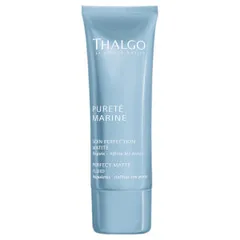
Can it cause trouble?
- Irritation risk: high
- Comedogenic risk ingredients: 1
Key actives

No formula analysis available for this product.
How honest is this product?
No marketing claims to verify for this product.
We receive a small commission for purchases made through these links at no cost for you. Thank you for your support! Learn more
Potential irritants
Comedogenic ingredients
User reviews (0)
Averages from community submissions.
No reviews yet for this product.
Be the first to share your experience!
Tried this product?
Help capture what the ingredient list can't—texture, finish, pilling, scent, and more. Answer what you can, skip the rest.
Takes ~30 seconds.
Reviews are shown in aggregate. No personal details.
Key Actives
Typically used to stabilize the product formulations. It is a salt of a polyhydroxy acid (PHA) and in larger concentrations, can help shed the dead cells from the skin surface revealing smoother skin. It can help attract water to the upper layer of the skin. Might to be helpful against acne and clogged pores. Could be helpful in neutralizing free radicals, but solid research is missing. Due to the zinc content, might help calm down inflammation in skin
Pure form of vitamin E. Can help moisturise and protect the skin from free radicals. Often used to help stabilise other ingredients or the formula itself
A silicone that helps to reduce water loss from the surface of the skin. Can temporarily "fill in" lines and wrinkles, absorb oil, and create a nice product finish
Plant extract that helps the skin to attract water and make it more smooth for touch. Also shows promise of anti-aging properties, but research is not extensive yet
A silicone that helps improve the product texture and spreadability. Can absorb oil creating a short-term mattifying effect on the skin
A silicone that mixes with water creating nice light-weight product texture
Helps thicken the product consistency
One of the best moisturizing ingredients. Naturally present in skin. It attracts water to the upper layer of the skin working as a humectant
An oil naturally present in skin. Works as an emollient to soften the skin and form a protective layer on its surface without a greasy feeling.
Used to create a gel-like product texture, as well as to stabilize emulsions
Potential irritants
Produces temporary toning effect. Can help dissolve other ingredients or preserve products
An aromatic blend of unspecified and possibly irritating ingredients
Can be drying and contribute to skin irritation. Used in formulars to dissolve other ingredients, create a thinner product consistency or for its antibacterial properties
Helps mask the smell of other ingredients and helps preserve the product formulation
Used to preserve products, dissolve other ingredients and create a nice product texture
A plant extract containing sugars that might help attract water to the upper layer of the skin. Is claimed by the manufacturer to help reduce pore size but evidence is lacking
A gelling agent that thickens the product consistency and leaves the skin with a velvety finish
Typically used to stabilize the product formulations. It is a salt of a polyhydroxy acid (PHA) and in larger concentrations, can help shed the dead cells from the skin surface revealing smoother skin. It can help attract water to the upper layer of the skin. Might to be helpful against acne and clogged pores. Could be helpful in neutralizing free radicals, but solid research is missing. Due to the zinc content, might help calm down inflammation in skin
Helps preserve products and creates a nice product texture
Helps soften the upper layer of the skin. At the same time, it can weaken the skin's barrier enhancing penetration of other ingredients and increasing the risk of skin dryness
Comedogenic ingredients
Plant extract that helps the skin to attract water and make it more smooth for touch. Also shows promise of anti-aging properties, but research is not extensive yet
All ingredients
Produces temporary toning effect. Can help dissolve other ingredients or preserve products
Helps products spread more easily and works as an emollient to soften skin
A silicone that helps to reduce water loss from the surface of the skin. Can temporarily "fill in" lines and wrinkles, absorb oil, and create a nice product finish
One of the best moisturizing ingredients. Naturally present in skin. It attracts water to the upper layer of the skin working as a humectant
Used to preserve products, dissolve other ingredients and create a nice product texture
An oil naturally present in skin. Works as an emollient to soften the skin and form a protective layer on its surface without a greasy feeling.
Plant extract that helps the skin to attract water and make it more smooth for touch. Also shows promise of anti-aging properties, but research is not extensive yet
A plant extract containing sugars that might help attract water to the upper layer of the skin. Is claimed by the manufacturer to help reduce pore size but evidence is lacking
A gelling agent that thickens the product consistency and leaves the skin with a velvety finish
Used to create a gel-like product texture, as well as to stabilize emulsions
A preservative. It helps prevent bacterial growth in cosmetic products
An aromatic blend of unspecified and possibly irritating ingredients
Used to create a thicker product texture. Helps soften the upper layer of the skin and might be able to prevent moisture loss from its surface
A silicone that helps improve the product texture and spreadability. Can absorb oil creating a short-term mattifying effect on the skin
Pure form of vitamin E. Can help moisturise and protect the skin from free radicals. Often used to help stabilise other ingredients or the formula itself
A silicone that mixes with water creating nice light-weight product texture
Helps attract water to the upper layer of the skin and improves the product texture
Used mostly for creating emulsions - helping oil and water mix together. Helps soften the upper layer of the skin
Typically used to stabilize the product formulations. It is a salt of a polyhydroxy acid (PHA) and in larger concentrations, can help shed the dead cells from the skin surface revealing smoother skin. It can help attract water to the upper layer of the skin. Might to be helpful against acne and clogged pores. Could be helpful in neutralizing free radicals, but solid research is missing. Due to the zinc content, might help calm down inflammation in skin
Helps preserve products and creates a nice product texture
Can be drying and contribute to skin irritation. Used in formulars to dissolve other ingredients, create a thinner product consistency or for its antibacterial properties
An emollient that can also help water and oil mix together, as well as prevent bacteria growth in products
Helps mask the smell of other ingredients and helps preserve the product formulation
Helps soften the upper layer of the skin. At the same time, it can weaken the skin's barrier enhancing penetration of other ingredients and increasing the risk of skin dryness
Ingredient list view
Water, Alcohol denat., Dicaprylyl carbonate, Methyl methacrylate crosspolymer, Dimethicone, Glycerin, Cucurbita pepo seed extract, Pentaerythrityl distearate, Pentylene glycol, Squalane, Algae extract, Maris aqua, Lens esculenta fruit extract, Hydroxyethyl acrylate/sodium acryloyldimethyl taurate copolymer, Sodium polyacrylate, Phenoxyethanol, Parfum, Chlorphenesin, Dimethicone crosspolymer, Cyclopentasiloxane, Potassium cetyl phosphate, Tocopherol, Trideceth-6, Polysorbate 60, Ethylhexylglycerin, Sodium phytate, Sorbitan isostearate, Peg/ppg-18/18 dimethicone, Sorbitol, Lecithin, Zinc gluconate, Xanthan gum, Caprylyl glycol, Alcohol, Glyceryl caprylate, Phenylpropanol, Oleic acid, Ci 77491, Zinc chloride, Ci 42090
- Dimethicone as a protective ingredient in topical medications
- Final Report on the Safety Assessment of Dimethicone Copolyol
- Glycerol and the skin: holistic approach to its origin and functions
- Vitamin E in dermatology
- Vitamin E and Skin Health
- Zinc salts in dermatology
- An overview of zinc and its importance in dermatology-Part II: The association of zinc with some dermatologic disorders
- Zinc, copper and manganese enhanced keratinocyte migration through a functional modulation of keratinocyte integrins
- Evaluation of the effects of topical zinc gluconate in wound healing
- A polyhydroxy acid skin care regimen provides antiaging effects comparable to an alpha-hydroxyacid regimen
- Applications of hydroxy acids: classification, mechanisms, and photoactivity
- Anti-Inflammatory and Skin Barrier Repair Effects of Topical Application of Some Plant Oils
- https://www.sciencedirect.com/science/article/pii/0168365995000887