Works for:
based on ingredients and %- Moisturizing
Doesn't work for:
based on ingredients and %- Anti-aging
Can it cause trouble?
- Irritation risk: high
- Comedogenic risk ingredients: 1
Key actives
Product Summary
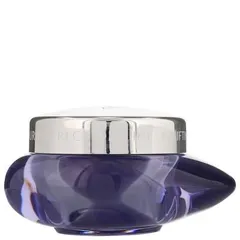
"Thalgo - Anti-Ageing Silicium Lifting Correcting Day Cream" could be helpful for: Moisturizing, but its actives are not the most effective or are not well-studied.
Ingredient callouts
- Humectants (glycerin 4.40% - 5.30% and hyaluronic acid 0.25% - 0.50%). These ingredients help attract water to the upper layer of the skin and improve the skin hydration.
Price
The product retails from 47.15£ up to 1476.00£ in the United Kingdom.
For a detailed price comparison: click here.
Moisturizing
What does the product description say?
Anti-Ageing Silicium Lifting Correcting Day Cream
Source: From product name
This product can help improve hydration of the skin with the two types of ingredients.
The first type is called “humectants”:
these ingredients help attract water.
When humectants are on the surface of the skin, they “pull in” the moisture from the outside environment, or from
within deeper layers of the skin. The following ingredients in this product do the job:
glycerin, hyaluronic acid.
This product also contains ingredients called “occlusives”. They help reduce the speed with which our skin loses moisture to the outside environment. These ingredients also help soften the upper layer of the skin, so it feels less tight and nicer to the touch. The following ingredients in this product do the job: dimethicone, squalane.
An oil naturally present in skin. Works as an emollient to soften the skin and form a protective layer on its surface without a greasy feeling.
One of the best moisturizing ingredients. Naturally present in skin. It attracts water to the upper layer of the skin working as a humectant
One of the best moisturizing ingredients. Attracts water into the upper layer of the skin. Naturally present in skin. Typically has large molecule size unless advertised otherwise on the product label. Helps support skin's barrier function and may help to reduce inflammation
A silicone that helps to reduce water loss from the surface of the skin. Can temporarily "fill in" lines and wrinkles, absorb oil, and create a nice product finish
Used to create a thicker product texture. Helps soften the upper layer of the skin and might be able to prevent moisture loss from its surface
A silicone that helps improve the product texture and spreadability. Can absorb oil creating a short-term mattifying effect on the skin
A non-drying alcohol. Works as an emollient. Helps water and oil mix together and creates a nice product texture
Helps soften the skin and attract water to its upper layer. Helps create nice product texture
Used to create a nice product texture and help delivery of other ingredients. Might be somewhat helpful in attracting water to the upper layer of the skin
Helps preserve products and creates a nice product texture
A type of silicone that helps to soften the upper layer of the skin and create a nice product finish on the skin
Help soften the upper layer of the skin and make it easier for oil and water mix together. Recently, a rising number of allergic reactions to cocoglycerides and other coconut-derived surfactants has been reported. As there is a significant overlap between frequent irritants and allergens, we flag this ingredient for attention of those with very sensitive, reactive skin
An emollient that can also help water and oil mix together, as well as prevent bacteria growth in products
An emollient that softens the skin and forms a protective layer on its surface. Helps water and oil mix together
Helps to soften the upper layer of the skin and create a nice product texture
Used to improve the product consistency and soften the upper layer of the skin
Helps attract water to the upper layer of the skin and improves the product texture
An exfoliating and moisturizing alpha-hydroxy acid (AHA). Typically causes less irritation than other AHAs, for example, glycolic acid. At high concentrations (about 15%), lactic acid can help reduce lines and wrinkles. Recent studies show that lactic acid can support the "good" bacteria living on skin's surface (healthy skin microbiome)
Consists of remains of dead yeast bacteria cells. Helps to hydrate the skin and reduce irritation. Might has some anti-oxidant effect
A silicone that serves as an emollient. Helps create a nice non-greasy feels
Traditionally used to treat sunburns, dermatitis and inflammation, but evidence for its effectiveness is lacking. The extract can contain humectants that help attract water into the skin
Used mostly for creating emulsions - helping oil and water mix together. Helps soften the upper layer of the skin
Anti-aging
What does the product description say?
Anti-Ageing Silicium Lifting Correcting Day Cream
Source: From product name
This product does not contain ingredients that are able to reduce fine lines and wrinkles or help with skin elasticity, but it can improve the look of the skin temporarily through moisturization. Well-moisturized skin might also be able to repair the sun damage better.This ingredient - hyaluronic acid - could be helpful for preventing or repairing signs of aging in theory, but there is no evidence that it actually works.
One of the best moisturizing ingredients. Attracts water into the upper layer of the skin. Naturally present in skin. Typically has large molecule size unless advertised otherwise on the product label. Helps support skin's barrier function and may help to reduce inflammation
An exfoliating and moisturizing alpha-hydroxy acid (AHA). Typically causes less irritation than other AHAs, for example, glycolic acid. At high concentrations (about 15%), lactic acid can help reduce lines and wrinkles. Recent studies show that lactic acid can support the "good" bacteria living on skin's surface (healthy skin microbiome)
Traditionally used to treat sunburns, dermatitis and inflammation, but evidence for its effectiveness is lacking. The extract can contain humectants that help attract water into the skin
How honest is this product?
| Promise | Can it deliver? |
|---|---|
| Moisturizing | |
| Anti-aging |
Total Promises Fulfilled score: 62/100.
We receive a small commission for purchases made through these links at no cost for you. Thank you for your support! Learn more
Affiliate link · supports WIMJ at no cost to you
Potential irritants
Comedogenic ingredients
User reviews (0)
Averages from community submissions.
No reviews yet for this product.
Be the first to share your experience!
Tried this product?
Help capture what the ingredient list can't—texture, finish, pilling, scent, and more. Answer what you can, skip the rest.
Takes ~30 seconds.
Reviews are shown in aggregate. No personal details.
| Product | Similarity | Price | Irritancy |
|---|---|---|---|
 Thalgo Anti-Ageing Silicium Lifting Correcting Day Cream | Current | ≈ $84.82 | |
 Elizabeth Grant Hydra Cell Active Ultimate Hydration Face Cream | 43% | - | |
 MEDI-PEEL Derma Maison Time Wrinkle Perfect Cream | 43% | $47.60 | |
 The Saem Mervie Actibiome Cream | 42% | $23.58 | |
 Rephr light hydration cream 2.0 | 42% | - | |
 SCINIC Pinktamin Tone-Up Cream | 42% | $17.70 |
Key Actives
Consists of remains of dead yeast bacteria cells. Helps to hydrate the skin and reduce irritation. Might has some anti-oxidant effect
One of the best moisturizing ingredients. Attracts water into the upper layer of the skin. Naturally present in skin. Typically has large molecule size unless advertised otherwise on the product label. Helps support skin's barrier function and may help to reduce inflammation
A silicone that helps improve the product texture and spreadability. Can absorb oil creating a short-term mattifying effect on the skin
A silicone that helps to reduce water loss from the surface of the skin. Can temporarily "fill in" lines and wrinkles, absorb oil, and create a nice product finish
One of the best moisturizing ingredients. Naturally present in skin. It attracts water to the upper layer of the skin working as a humectant
An oil naturally present in skin. Works as an emollient to soften the skin and form a protective layer on its surface without a greasy feeling.
Used to create a gel-like product texture, as well as to stabilize emulsions
Potential irritants
Help soften the upper layer of the skin and make it easier for oil and water mix together. Recently, a rising number of allergic reactions to cocoglycerides and other coconut-derived surfactants has been reported. As there is a significant overlap between frequent irritants and allergens, we flag this ingredient for attention of those with very sensitive, reactive skin
A plant extract that might have some anti-oxidant properties. Contains an essential oil that can irritate the skin
An aromatic blend of unspecified and possibly irritating ingredients
Helps mask the smell of other ingredients and helps preserve the product formulation
Traditionally used to treat sunburns, dermatitis and inflammation, but evidence for its effectiveness is lacking. The extract can contain humectants that help attract water into the skin
A gelling agent that thickens the product consistency and leaves the skin with a velvety finish
Helps preserve products and creates a nice product texture
Can work as an exfoliant but is typically used to adjust the product pH
An exfoliating and moisturizing alpha-hydroxy acid (AHA). Typically causes less irritation than other AHAs, for example, glycolic acid. At high concentrations (about 15%), lactic acid can help reduce lines and wrinkles. Recent studies show that lactic acid can support the "good" bacteria living on skin's surface (healthy skin microbiome)
Comedogenic ingredients
A non-drying alcohol. Works as an emollient. Helps water and oil mix together and creates a nice product texture
All ingredients
One of the best moisturizing ingredients. Naturally present in skin. It attracts water to the upper layer of the skin working as a humectant
A type of silicone that helps to soften the upper layer of the skin and create a nice product finish on the skin
An emollient that softens the skin and forms a protective layer on its surface. Helps water and oil mix together
Used to improve the product consistency and soften the upper layer of the skin
Helps oil and water mix togehter and creates a nice product texture
Consists of remains of dead yeast bacteria cells. Helps to hydrate the skin and reduce irritation. Might has some anti-oxidant effect
A silicone that helps improve the product texture and spreadability. Can absorb oil creating a short-term mattifying effect on the skin
A non-drying alcohol. Works as an emollient. Helps water and oil mix together and creates a nice product texture
Help soften the upper layer of the skin and make it easier for oil and water mix together. Recently, a rising number of allergic reactions to cocoglycerides and other coconut-derived surfactants has been reported. As there is a significant overlap between frequent irritants and allergens, we flag this ingredient for attention of those with very sensitive, reactive skin
A silicone that serves as an emollient. Helps create a nice non-greasy feels
Helps soften the skin and attract water to its upper layer. Helps create nice product texture
An oil naturally present in skin. Works as an emollient to soften the skin and form a protective layer on its surface without a greasy feeling.
A plant extract that might have some anti-oxidant properties. Contains an essential oil that can irritate the skin
Traditionally used to treat sunburns, dermatitis and inflammation, but evidence for its effectiveness is lacking. The extract can contain humectants that help attract water into the skin
A silicone that helps to reduce water loss from the surface of the skin. Can temporarily "fill in" lines and wrinkles, absorb oil, and create a nice product finish
A preservative. It helps prevent bacterial growth in cosmetic products
One of the best moisturizing ingredients. Attracts water into the upper layer of the skin. Naturally present in skin. Typically has large molecule size unless advertised otherwise on the product label. Helps support skin's barrier function and may help to reduce inflammation
Used to create a gel-like product texture, as well as to stabilize emulsions
Used to create a nice product texture and help delivery of other ingredients. Might be somewhat helpful in attracting water to the upper layer of the skin
Helps to soften the upper layer of the skin and create a nice product texture
An aromatic blend of unspecified and possibly irritating ingredients
Helps attract water to the upper layer of the skin and improves the product texture
A gelling agent that thickens the product consistency and leaves the skin with a velvety finish
Used to create a thicker product texture. Helps soften the upper layer of the skin and might be able to prevent moisture loss from its surface
Used mostly for creating emulsions - helping oil and water mix together. Helps soften the upper layer of the skin
Helps preserve products and creates a nice product texture
Can work as an exfoliant but is typically used to adjust the product pH
An exfoliating and moisturizing alpha-hydroxy acid (AHA). Typically causes less irritation than other AHAs, for example, glycolic acid. At high concentrations (about 15%), lactic acid can help reduce lines and wrinkles. Recent studies show that lactic acid can support the "good" bacteria living on skin's surface (healthy skin microbiome)
An emollient that can also help water and oil mix together, as well as prevent bacteria growth in products
Helps mask the smell of other ingredients and helps preserve the product formulation
Ingredient list view
Water, Glycerin, Caprylyl methicone, Glyceryl stearate, Hydrogenated polyisobutene, Peg-100 stearate, Bifida ferment lysate, Cyclopentasiloxane, Cetearyl alcohol, Cocoglycerides, Cyclohexasiloxane, C10-18 triglycerides, Squalane, Helichrysum stoechas extract, Aloe barbadensis leaf juice, Diatomaceous earth, Solum diatomeae, Dimethicone, Phenoxyethanol, Steareth-21, Chlorphenesin, Hyaluronic acid, Methylsilanol mannuronate, Sodium polyacrylate, Butylene glycol, Hydrogenated polydecene, Parfum, Sorbitol, Xanthan gum, Hydroxyethyl acrylate/sodium acryloyldimethyl taurate copolymer, Dimethicone crosspolymer, Ethylhexylglycerin, Biosaccharide gum-4, Lecithin, Caprylyl glycol, Polysorbate 60, Ppg-5-laureth-5, Silanetriol, 1,2-hexanediol, Sodium benzoate, Citric acid, Sorbic acid, Sorbitan isostearate, Acetic acid, Lactic acid, Glyceryl caprylate, Phenylpropanol, Ci 17200, Benzyl salicylate
- Glycerol and the skin: holistic approach to its origin and functions
- Final report of the cosmetic ingredient review expert panel on the safety assessment of Polyisobutene and Hydrogenated Polyisobutene as used in cosmetics
- Bifidobacterium longumlysate, a new ingredient forreactive skin
- Use of Probiotics for Dermal Applications
- Helichrysum italicum: from traditional use to scientific data
- Dimethicone as a protective ingredient in topical medications
- Final Report on the Safety Assessment of Dimethicone Copolyol
- Efficacy of a New Topical Nano-hyaluronic Acid in Humans
- Physiochemical properties and application of hyaluronic acid: a systematic review
- Safety Assessment of Polyene Group as Used in Cosmetics
- The influence of alkane chain length on the skin irritation potential of 1,2-alkanediols
- Epidermal and dermal effects of topical lactic acid
- Dual Effects of Alpha-Hydroxy Acids on the Skin