Works for:
based on ingredients and %- Cleansing
Doesn't work for:
based on ingredients and %- Exfoliation
Can it cause trouble?
- Irritation risk: high
- Comedogenic risk ingredients: 0
Key actives
Product Summary
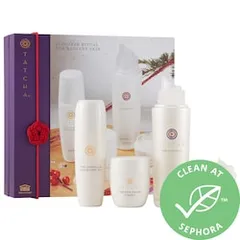
"Tatcha - Japanese Ritual for Radiant Skin" could be helpful for: Moisturizing and Anti-oxidation, but its actives are not the most effective or are not well-studied.
Ingredient callouts
- Humectants (sodium hyaluronate 0.25% - 0.45%, biosaccharide gum-1 0.25% - 0.45%, arginine 0.30% - 0.60%, inositol 0.30% - 0.60% and glycerin 0.40% - 0.60%). These ingredients help attract water to the upper layer of the skin and improve the skin hydration.
About the brand
According to Cruelty-Free Kitty "Tatcha" is cruelty free and so is its parent company.
Price
The product retails for 97.00$ in the United States.
For a detailed price comparison: click here.
Cleansing
What does the product description say?
7 oz/ 50 mL The Camellia Oil 2-in-1 Makeup Remover & Cleanser .
Source: Sephora
This product works by removing dirt and oil from the surface of the skin. It uses a combination of mild cleansing agents (carbomer, glyceryl behenate/eicosadioate, hydrogenated lecithin, lauryl betaine, polyglyceryl-10 dioleate, polyglyceryl-2 sesquicaprylate, polyglyceryl-2 triisostearate, sodium cocoyl glutamate, sodium lauroyl glutamate, sodium lauroyl methylaminopropionate, sodium lauryl phosphate, sodium stearoyl glutamate, sorbitan stearate, xanthan gum) and should be able to cleanse the skin gently. Still keep in mind that any cleansing can disrupt the skin barrier, and most people do not need to cleanse their skin more than once per day.
Used to create a thicker product consistency
Helps to retain moisture by creating a protective barrier on the skin. Rich in fatty acids. Improves product texture and helps with the penetration of other ingredients.
Helps water and oil mix together
Helps to soften the upper layer of the skin and create a nice product texture
Helps oil and water mix together
Used as a cleansing agent. It creates foam
Helps oil and water mix together
Helps water and oil mix together
Helps create a thicker or gel-like product texture. It is not a surfactant but can be used in gentle cleansing formulations
Helps oil and water mix together and works as an emollient
Exfoliation
What does the product description say?
5 oz/ 15 mL The Rice Polish Foaming Enzyme Powder in Classic .
Source: Sephora
This product might help exfoliate the skin with papain, but This ingredient is not the most effective.
An enzyme extracted from papaya fruit. Can have an exfoliating effect on the skin. Can be irritating
How honest is this product?
| Promise | Can it deliver? |
|---|---|
| Cleansing | |
| Exfoliation |
Total Promises Fulfilled score: 75/100.
Potential irritants
Comedogenic ingredients
No comedogenic ingredients detected
User reviews (0)
Averages from community submissions.
No reviews yet for this product.
Be the first to share your experience!
Tried this product?
Help capture what the ingredient list can't—texture, finish, pilling, scent, and more. Answer what you can, skip the rest.
Takes ~30 seconds.
Reviews are shown in aggregate. No personal details.
Key Actives
Can contain potent anti-oxidant compounds (abbreviated ECG, GCG, EGC, and EGCG) that might help protect the skin from free radicals. Can help calm down inflammation and has some anti-bacterial properties. Unfortunately, these antioxidants are unstable and lose their effectiveness very quickly in products. The concentration of the antioxidant compounds in the extract also tends to be low to be effective in topical formulation
Can contain potent anti-oxidant compounds (abbreviated ECG, GCG, EGC, and EGCG) that might help protect the skin from free radicals. Can help calm down inflammation and has some anti-bacterial properties. Unfortunately, these antioxidants are unstable and lose their effectiveness very quickly in products. The concentration of the antioxidant compounds in the extract also tends to be low to be effective in topical formulation
Can contain potent anti-oxidant compounds (abbreviated ECG, GCG, EGC, and EGCG) that might help protect the skin from free radicals. Can help calm down inflammation and has some anti-bacterial properties. Unfortunately, these antioxidants are unstable and lose their effectiveness very quickly in products. The concentration of the antioxidant compounds in the extract also tends to be low to be effective in topical formulation
Pure form of vitamin E. Can help moisturise and protect the skin from free radicals. Often used to help stabilise other ingredients or the formula itself
Pure form of vitamin E. Can help moisturise and protect the skin from free radicals. Often used to help stabilise other ingredients or the formula itself
Pure form of vitamin E. Can help moisturise and protect the skin from free radicals. Often used to help stabilise other ingredients or the formula itself
A mix of amino acids and plant-based lipids. Helps to soften the upper layer of the skin and reduce water loss over time
A silicone that helps to reduce water loss from the surface of the skin. Can temporarily "fill in" lines and wrinkles, absorb oil, and create a nice product finish
Helps oil and water mix together and works as an emollient
Helps to soften the upper layer of the skin and create a nice product texture
Helps soften the upper layer of the skin and might have some anti-oxidant properties
Used as a cleansing agent. It creates foam
Helps oil and water mix together
Helps oil and water mix together
One of the best moisturizing ingredients. Naturally present in skin. It attracts water to the upper layer of the skin working as a humectant
An oil naturally present in skin. Works as an emollient to soften the skin and form a protective layer on its surface without a greasy feeling.
A good mix of fatty acids that forms a protective layer on the skin. Improves the shelf life of products. Derived from coconut and glycerin
Helps to retain moisture by creating a protective barrier on the skin. Rich in fatty acids. Improves product texture and helps with the penetration of other ingredients.
An amino acid that is naturally present in skin and helps keep it hydrated. When used together with AHAs, it can reduce their irritating effect on the skin
Helps create a thicker or gel-like product texture. It is not a surfactant but can be used in gentle cleansing formulations
Used to create a thicker product consistency
Helps attract water to the upper layer of the skin and is claimed to provide a longer-lasting hydration because of its ability to create a water-binding film on the surface of the skin
One of the best moisturizing ingredients. Attracts water into the upper layer of the skin
Potential irritants
An aromatic blend of unspecified and possibly irritating ingredients
A common frangrance that can easily irritate skin, especially if exposed to air, light or heat
An enzyme extracted from papaya fruit. Can have an exfoliating effect on the skin. Can be irritating
Can be drying and contribute to skin irritation. Used in formulars to dissolve other ingredients, create a thinner product consistency or for its antibacterial properties
A plant extract that might have some anti-inflammatory properties, but solid evidence is lacking. It can be irritating
An emollient that helps soften the skin and creates a thicker product texture
A good mix of fatty acids that forms a protective layer on the skin. Improves the shelf life of products. Derived from coconut and glycerin
A compound secreted by bees. Might be able to attract water to the top layer of the skin. Avoid if sensitive to honey and bee products
Helps preserve products and creates a nice product texture
Comedogenic ingredients
We couldn't find any comedogenic ingredients in this product
All ingredients
An emollient that helps soften the skin and creates a thicker product texture
Helps soften the upper layer of the skin and might have some anti-oxidant properties
A plant oil that helps to soften the upper layer of the skin and can help restore skin's barrier function. Might have an anti-oxidant effect
A product of yeast fermentation. Can contain humectants that help attract water to the upper layer of the skin and might help neutralize free oxidants
Can contain potent anti-oxidant compounds (abbreviated ECG, GCG, EGC, and EGCG) that might help protect the skin from free radicals. Can help calm down inflammation and has some anti-bacterial properties. Unfortunately, these antioxidants are unstable and lose their effectiveness very quickly in products. The concentration of the antioxidant compounds in the extract also tends to be low to be effective in topical formulation
Acts as a solvent for other ingredients. Speeds up the absorption of other ingredients into the skin
Pure form of vitamin E. Can help moisturise and protect the skin from free radicals. Often used to help stabilise other ingredients or the formula itself
An aromatic blend of unspecified and possibly irritating ingredients
A preservative. It helps prevent bacterial growth in cosmetic products
A common frangrance that can easily irritate skin, especially if exposed to air, light or heat
An enzyme extracted from papaya fruit. Can have an exfoliating effect on the skin. Can be irritating
Acts as a solvent for other ingredients. Speeds up the absorption of other ingredients into the skin
A sugar that is used to stabilize the product formulation. Can help attract water to the upper layer of the skin
A mix of amino acids and plant-based lipids. Helps to soften the upper layer of the skin and reduce water loss over time
Pure form of vitamin E. Can help moisturise and protect the skin from free radicals. Often used to help stabilise other ingredients or the formula itself
Used to create a nice product texture and help delivery of other ingredients. Might be somewhat helpful in attracting water to the upper layer of the skin
Can be drying and contribute to skin irritation. Used in formulars to dissolve other ingredients, create a thinner product consistency or for its antibacterial properties
A preservative. It helps prevent bacterial growth in cosmetic products
A product of yeast fermentation. Can contain humectants that help attract water to the upper layer of the skin and might help neutralize free oxidants
Acts as a solvent for other ingredients. Speeds up the absorption of other ingredients into the skin
Can contain potent anti-oxidant compounds (abbreviated ECG, GCG, EGC, and EGCG) that might help protect the skin from free radicals. Can help calm down inflammation and has some anti-bacterial properties. Unfortunately, these antioxidants are unstable and lose their effectiveness very quickly in products. The concentration of the antioxidant compounds in the extract also tends to be low to be effective in topical formulation
A preservative. It helps prevent bacterial growth in cosmetic products
A product of yeast fermentation. Can contain humectants that help attract water to the upper layer of the skin and might help neutralize free oxidants
One of the best moisturizing ingredients. Naturally present in skin. It attracts water to the upper layer of the skin working as a humectant
Acts as a solvent for other ingredients. Speeds up the absorption of other ingredients into the skin
A silicone that helps to reduce water loss from the surface of the skin. Can temporarily "fill in" lines and wrinkles, absorb oil, and create a nice product finish
An oil naturally present in skin. Works as an emollient to soften the skin and form a protective layer on its surface without a greasy feeling.
Forms a protective film on the surface of the skin to prevent moisture loss. Gives a velvety feel to products while reducing tackiness
Non-drying alcohol that helps water and oil mix together. Also serves as an emollient
A good mix of fatty acids that forms a protective layer on the skin. Improves the shelf life of products. Derived from coconut and glycerin
An aromatic blend of unspecified and possibly irritating ingredients
Can contain potent anti-oxidant compounds (abbreviated ECG, GCG, EGC, and EGCG) that might help protect the skin from free radicals. Can help calm down inflammation and has some anti-bacterial properties. Unfortunately, these antioxidants are unstable and lose their effectiveness very quickly in products. The concentration of the antioxidant compounds in the extract also tends to be low to be effective in topical formulation
A plant extract that might have some anti-inflammatory properties, but solid evidence is lacking. It can be irritating
A compound secreted by bees. Might be able to attract water to the top layer of the skin. Avoid if sensitive to honey and bee products
Helps to retain moisture by creating a protective barrier on the skin. Rich in fatty acids. Improves product texture and helps with the penetration of other ingredients.
Helps to soften the upper layer of the skin and create a nice product texture
Non-drying alcohol. Used to stabilize other ingredients and is an emollient
An amino acid that is naturally present in skin and helps keep it hydrated. When used together with AHAs, it can reduce their irritating effect on the skin
Helps create a thicker or gel-like product texture. It is not a surfactant but can be used in gentle cleansing formulations
Helps preserve products and creates a nice product texture
Helps attract water to the upper layer of the skin and is claimed to provide a longer-lasting hydration because of its ability to create a water-binding film on the surface of the skin
Pure form of vitamin E. Can help moisturise and protect the skin from free radicals. Often used to help stabilise other ingredients or the formula itself
One of the best moisturizing ingredients. Attracts water into the upper layer of the skin
Can be drying and contribute to skin irritation. Used in formulars to dissolve other ingredients, create a thinner product consistency or for its antibacterial properties
A preservative. It helps prevent bacterial growth in cosmetic products
A common frangrance that can easily irritate skin, especially if exposed to air, light or heat
Ingredient list view
Cetyl ethylhexanoate, Oryza sativa bran oil, Polyglyceryl-10 dioleate, Polyglyceryl-2 sesquicaprylate, Camellia japonica seed oil, Saccharomyces/rice ferment filtrate, Camellia sinensis leaf extract, Cladosiphon okamuranus extract, Water, Glyceryl behenate/eicosadioate, Propanediol, Tocopherol, Ethylhexylglycerin, Parfum, Phenoxyethanol, Limonene, Citral, Microcrystalline cellulose, Oryza sativa powder, Sodium lauryl phosphate, Sodium lauroyl glutamate, Sodium stearoyl glutamate, Water, Sodium cocoyl glutamate, Lauryl betaine, Sodium lauroyl methylaminopropionate, Saccharomyces/camellia sinensis leaf/cladosiphon okamuranus/rice ferment filtrate, Papain, Oryza sativa bran extract, Sericin, Hydrolyzed silk, Hydrolyzed conchiolin protein, Propanediol, Dextrin, Phytosteryl/octyldodecyl lauroyl glutamate, Ethylhexylglycerin, Tocopherol, Butylene glycol, Alcohol, Phenoxyethanol, Saccharomyces/rice ferment filtrate, Propanediol, Camellia sinensis leaf extract, Cladosiphon okamuranus extract, Ethylhexylglycerin, Phenoxyethanol, Saccharomyces/rice ferment filtrate, Water, Glycerin, Propanediol, Dimethicone, Squalane, Isononyl isononanoate, Inositol, Stearic acid, Sorbitan stearate, Behenyl alcohol, Caprylic/capric triglyceride, Parfum, Camellia sinensis leaf extract, Cladosiphon okamuranus extract, Sericin, Hydrolyzed rosa damascena flower extract, Oryza sativa germ oil, Panax ginseng root extract, Royal jelly extract, Thymus serpyllum extract, Hydrogenated lecithin, Polyglyceryl-2 triisostearate, Batyl alcohol, Ethylhexylglycerin, Arginine, Bis-behenyl/isostearyl/phytosteryl dimer dilinoleyl dimer dilinoleate, Carbomer, 1,2-hexanediol, Caprylyl glycol, Xanthan gum, Biosaccharide gum-1, Tocopherol, Sodium hyaluronate, Alcohol, Phenoxyethanol, Citral, Limonene, Linalool
- Study on the Composition of Rice Bran Oil and Its Higher Free Fatty Acids Value
- Vitamin E in dermatology
- Vitamin E and Skin Health
- Safety Assessment of Amino Acid Alkyl Amides as Used in Cosmetics
- Irritant and sensitizing potential of eight surfactants commonly used in skin cleansers: an evaluation of 105 patients
- Moisturizing efficiency of silk protein hydrolysate: Silk fibroin
- Glycerol and the skin: holistic approach to its origin and functions
- Dimethicone as a protective ingredient in topical medications
- Final Report on the Safety Assessment of Dimethicone Copolyol
- Ginseng in Dermatology: A Review
- Antiaging effects of the mixture of Panax ginseng and Crataegus pinnatifida in human dermal fibroblasts and healthy human skin
- Safety Assessment of Polyglyceryl Fatty Acid Esters as Used in Cosmetics
- The influence of alkane chain length on the skin irritation potential of 1,2-alkanediols
- Hyaluronic acid: A key molecule in skin aging
- Hyaluronan (Hyaluronic Acid): a natural moisturizer for skin care