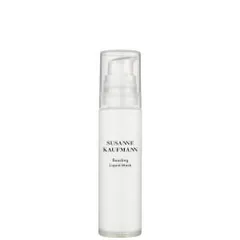
Works for:
based on ingredients and %- Moisturizing
Doesn't work for:
based on ingredients and %- Anti-aging
Can it cause trouble?
- Irritation risk: high
- Comedogenic risk ingredients: 3
Key actives

Moisturizing
What does the product description say?
With hyaluronic acid and red algae extract, the mask delivers moisturising skincare, binding moisture into the skin.
Source: SpaceNK
This product can help improve hydration of the skin with the two types of ingredients.
The first type is called “humectants”:
these ingredients help attract water.
When humectants are on the surface of the skin, they “pull in” the moisture from the outside environment, or from
within deeper layers of the skin. The following ingredients in this product do the job:
glycerin.
This product also contains ingredients called “occlusives”. They help reduce the speed with which our skin loses moisture to the outside environment. These ingredients also help soften the upper layer of the skin, so it feels less tight and nicer to the touch. The following ingredients in this product do the job: butyrospermum parkii butter, caprylic/capric triglyceride.
A great moisturising ingredient that softens the skin and reduces water loss from its upper layer. It also can be helpful in protecting skin from free radicals
A good mix of fatty acids that forms a protective layer on the skin. Improves the shelf life of products. Derived from coconut and glycerin
A plant oil that because of its high content of alpha-linolenic acid help support skin barrier function and moisturize the skin
One of the best moisturizing ingredients. Naturally present in skin. It attracts water to the upper layer of the skin working as a humectant
A great emollient due to its high linoleic acid content. One of the most effective plant oils in helping skin hydration and repairing skin barrier function
An emollient. Is not recommended for acne-prone skin as it can be comedogenic
Helps soften the upper layer of the skin
An emollient that helps to soften the skin and create a pleasant product texture and stabilize the formulation
An emollient that softens the skin and forms a protective layer on its surface. Helps water and oil mix together
Used to preserve products, dissolve other ingredients and create a nice product texture
Pure form of vitamin E. Can help moisturise and protect the skin from free radicals. Often used to help stabilise other ingredients or the formula itself
Anti-aging
What does the product description say?
Helping to boost the longevity of the skin cells, while encouraging skin renewal, this ingredient also has a skin-firming effect to reduce the appearance of lines and wrinkles.
Source: SpaceNK
This product does not contain ingredients that are able to reduce fine lines and wrinkles or help with skin elasticity, but it can improve the look of the skin temporarily through moisturization. Well-moisturized skin might also be able to repair the sun damage better.This ingredient - butyrospermum parkii butter - could be helpful for preventing or repairing signs of aging in theory, but there is no evidence that it actually works.
A great moisturising ingredient that softens the skin and reduces water loss from its upper layer. It also can be helpful in protecting skin from free radicals
The most well-researched antioxidant that works in skin. Helps neutralize free radicals supporting collagen production, helping to even out the skin tone and preventing early signs of aging
Pure form of vitamin E. Can help moisturise and protect the skin from free radicals. Often used to help stabilise other ingredients or the formula itself
How honest is this product?
| Promise | Can it deliver? |
|---|---|
| Moisturizing | |
| Anti-aging |
Total Promises Fulfilled score: 62/100.
We receive a small commission for purchases made through these links at no cost for you. Thank you for your support! Learn more
Potential irritants
Comedogenic ingredients
User reviews (0)
Averages from community submissions.
No reviews yet for this product.
Be the first to share your experience!
Tried this product?
Help capture what the ingredient list can't—texture, finish, pilling, scent, and more. Answer what you can, skip the rest.
Takes ~30 seconds.
Reviews are shown in aggregate. No personal details.
Key Actives
Pure form of vitamin E. Can help moisturise and protect the skin from free radicals. Often used to help stabilise other ingredients or the formula itself
A great moisturising ingredient that softens the skin and reduces water loss from its upper layer. It also can be helpful in protecting skin from free radicals
Might be helpful in neutralizing free radicals. Can have a dehydration effect that might somewhat decrease the look of puffy eyes
A plant oil that because of its high content of alpha-linolenic acid help support skin barrier function and moisturize the skin
One of the best moisturizing ingredients. Naturally present in skin. It attracts water to the upper layer of the skin working as a humectant
A good mix of fatty acids that forms a protective layer on the skin. Improves the shelf life of products. Derived from coconut and glycerin
An emollient. Is not recommended for acne-prone skin as it can be comedogenic
Creates a thin drying film on the skin resulting in a short-term tightening effect
A great emollient due to its high linoleic acid content. One of the most effective plant oils in helping skin hydration and repairing skin barrier function
Potential irritants
Creates a cooling sensation on the skin. Does not have a skin benefit
Creates a thin drying film on the skin resulting in a short-term tightening effect
An enzyme extracted from papaya fruit. Can have an exfoliating effect on the skin. Can be irritating
A plant extract that can contain an irritating essential oil. Might have some anti-oxidant effect, but evidence is lacking
Chilli pepper extract that is very likely to be irritating. Might be added to lip product to create a temporary burst of color. Is likely to have a negative effect on the skin and dry it out
A plant extract that might have some anti-inflammatory and anti-oxidant properties but evidence is missing
The most well-researched antioxidant that works in skin. Helps neutralize free radicals supporting collagen production, helping to even out the skin tone and preventing early signs of aging
A common frangrance that can easily irritate skin, especially if exposed to air, light or heat
An aromatic blend of unspecified and possibly irritating ingredients
Used to preserve products, dissolve other ingredients and create a nice product texture
A good mix of fatty acids that forms a protective layer on the skin. Improves the shelf life of products. Derived from coconut and glycerin
An emollient. Is not recommended for acne-prone skin as it can be comedogenic
Might be helpful in neutralizing free radicals. Can have a dehydration effect that might somewhat decrease the look of puffy eyes
A fruit extract that might have some anti-oxidant properties but evidence of effectiveness in skin is lacking
A plant extract that might have some anti-oxidant and anti-inflammatory properties but evidence for effectiveness in skin is missing
A plant oil that because of its high content of alpha-linolenic acid help support skin barrier function and moisturize the skin
Can work as an exfoliant but is typically used to adjust the product pH
Helps thicken the product formula and create a nice product formulation
A more stable but less bio-available form of vitamin E compared to Tocopherol. Might help moisturize and protect the skin from free radicals, but mostly used in low concentrations to stabilize other ingredients.
Comedogenic ingredients
A great moisturising ingredient that softens the skin and reduces water loss from its upper layer. It also can be helpful in protecting skin from free radicals
An emollient. Is not recommended for acne-prone skin as it can be comedogenic
Helps thicken the product formula and create a nice product formulation
All ingredients
One of the best moisturizing ingredients. Naturally present in skin. It attracts water to the upper layer of the skin working as a humectant
A great moisturising ingredient that softens the skin and reduces water loss from its upper layer. It also can be helpful in protecting skin from free radicals
Used to preserve products, dissolve other ingredients and create a nice product texture
A good mix of fatty acids that forms a protective layer on the skin. Improves the shelf life of products. Derived from coconut and glycerin
Helps soften the upper layer of the skin
An emollient that softens the skin and forms a protective layer on its surface. Helps water and oil mix together
An emollient. Is not recommended for acne-prone skin as it can be comedogenic
Might be helpful in neutralizing free radicals. Can have a dehydration effect that might somewhat decrease the look of puffy eyes
Creates a cooling sensation on the skin. Does not have a skin benefit
Creates a thin drying film on the skin resulting in a short-term tightening effect
An enzyme extracted from papaya fruit. Can have an exfoliating effect on the skin. Can be irritating
A plant extract that can contain an irritating essential oil. Might have some anti-oxidant effect, but evidence is lacking
An emollient that helps to soften the skin and create a pleasant product texture and stabilize the formulation
A fruit extract that might have some anti-oxidant properties but evidence of effectiveness in skin is lacking
Chilli pepper extract that is very likely to be irritating. Might be added to lip product to create a temporary burst of color. Is likely to have a negative effect on the skin and dry it out
A plant extract that might have some anti-oxidant and anti-inflammatory properties but evidence for effectiveness in skin is missing
A plant oil that because of its high content of alpha-linolenic acid help support skin barrier function and moisturize the skin
A plant extract that might have some anti-inflammatory and anti-oxidant properties but evidence is missing
Used to stabilize the product formulation and can help absorb oil
Can work as an exfoliant but is typically used to adjust the product pH
A great emollient due to its high linoleic acid content. One of the most effective plant oils in helping skin hydration and repairing skin barrier function
Helps thicken the product formula and create a nice product formulation
The most well-researched antioxidant that works in skin. Helps neutralize free radicals supporting collagen production, helping to even out the skin tone and preventing early signs of aging
Pure form of vitamin E. Can help moisturise and protect the skin from free radicals. Often used to help stabilise other ingredients or the formula itself
A more stable but less bio-available form of vitamin E compared to Tocopherol. Might help moisturize and protect the skin from free radicals, but mostly used in low concentrations to stabilize other ingredients.
A common frangrance that can easily irritate skin, especially if exposed to air, light or heat
An aromatic blend of unspecified and possibly irritating ingredients
Ingredient list view
Water, Glycerin, Butyrospermum parkii butter, Pentylene glycol, Caprylic/capric triglyceride, Methyl glucose sesquistearate, Oleic/linoleic/linolenic polyglycerides, Stearyl alcohol, Glyceryl stearate, Myristyl myristate, Caffeine, Menthyl ethylamido oxalate, Pullulan, Sodium stearoyl glutamate, Papain, Zingiber officinale root extract, Octyldodecanol, Unknown, Ziziphus jujuba seed extract, Rubus idaeus fruit extract, Magnolia officinalis bark extract, Panicum miliaceum seed extract, Capsicum frutescens fruit extract, Olea europaea leaf extract, Echium plantagineum seed oil, Cardiospermum halicacabum flower/leaf/vine extract, Capsicum annuum extract, Maltodextrin, Rosmarinus officinalis extract, Citric acid, Helianthus annuus seed oil, Carrageenan, Potassium sorbate, Ascorbic acid, Phenethyl alcohol, Tannic acid, Sodium benzoate, Tocopherol, Xanthan gum, Tocopheryl acetate, Decyl glucoside, Fructan, Sodium polyphosphate, Tetrasodium pyrophosphate, Citral, Limonene, Parfum
- Glycerol and the skin: holistic approach to its origin and functions
- Some phytochemical, pharmacological and toxicological properties of ginger (Zingiber officinale Roscoe): A review of recent research
- Wound Repair Potential of Olea europaea L. Leaf Extracts Revealed by In Vivo Experimental Models and Comparative Evaluation of the Extracts' Antioxidant Activity
- Healing fats of the skin: the structural and immunologic roles of the omega-6 and omega-3 fatty acids
- Evidence for the efficacy and safety of topical herbal drugs in dermatology: Part I: Anti-inflammatory agents
- Effect of Olive and Sunflower Seed Oil on the Adult Skin Barrier: Implications for Neonatal Skin Care
- Topically Applied Sunflower Seed Oil Prevents Invasive Bacterial Infections in Preterm Infants in Egypt
- Effect of topically applied lipids on surfactant-irritated skin
- Impact of topical oils on the skin barrier: possible implications for neonatal health in developing countries
- Final Report on the Safety Assessment of Phenethyl Alcohol
- Vitamin E in dermatology
- Vitamin E and Skin Health
- Ecofriendly surfactant is allergen of the year