
Works for:
based on ingredients and %- Sun protection
- Evens skin tone
- Anti-aging
- Moisturizing
Can it cause trouble?
- Irritation risk: high
- Comedogenic risk ingredients: 2
Key actives


Product Summary
We believe that "Supergoop! - Everyday Sunscreen For Face & Body Broad Spectrum SPF 50 PA ++++" can provide reliable sun protection based on the ingredients listed. We love that it can protect from both UVA and UVB rays (not all sunscreens with SPF ratings give UVA protection. UVA rays do not cause sunburn, but still damage our skin and lead to early aging).
Its formula is also hydrating, so you might not need an additional moistruizer during the day. Like all broad-spectrum sunscreens, this product helps prevent early signs of aging.
Sunscreen filters
This sunscreen uses so-called "chemical", or organic UV filters (organic simply means that their molecules contain atoms of carbon). These filters typically give good sun protection and rarely leave a white cast, but they can be irritating for sensitive skin. The UV filters in this sunscreen are: avobenzone 3.00% (declared), octinoxate 7.50% (declared), octisalate 5.00% (declared) and homosalate 10.00% (declared).
Irritation risk
It contains a bunch of common irritants, including ingredients that do not provide any known benefit for the skin. It might not be the best choice if your skin is sensitive. We assess the overall irritancy of this product to be high. For a detailed overview of all potential irritants: click here
You can see the detailed formula review with the breakdown of all actives in the product and the full ingredient list with estimated concentrations in the tables below.
What our users say
Based on 1 review 0% recommend this product- When it comes to comedogenicity, the reviewer believes that it clogs pores.
- As for the white cast, it did not leave a noticeable white residue for the reviewer.
- When it comes to using this sunscreen under makeup, the user found that it pills under a foundation.
- As for using this sunscreen in the eye area, the reviewer reported that it does not sting eyes.
About the brand
According to Cruelty-Free Kitty "Supergoop! " is cruelty free and so is its parent company.
Price
The product retails from 22.00$ up to 96.00$ in the United States, for 22.50£ in the United Kingdom and for 20.00£ in the United Kingdom.
For a detailed price comparison: click here.
Anti-aging
What does the product description say?
Skincare Concerns Fine Lines and Wrinkles, Dryness, and Loss of Firmness and Elasticity Formulation Lightweight Lotion Highlighted Ingredients , Sunflower Extract Rich in beta carotene and helps protect your skin from external environmental elements.
Source: Sephora
This product can help prevent early signs of skin aging because it offers a good level of broad spectrum sun protection. Sun damage is the main cause of premature skin aging, and protecting your skin from the sun is the best anti-aging strategy.
Helps attract water to the upper layer of the skin, calm down inflammation and irritation, restore the barrier function and support wound healing. It can be helpful in reducing fine lines and wrinkles
Might be helpful in neutralising free radicals in skin and have some hydration properties
Pure form of vitamin E. Can help moisturise and protect the skin from free radicals. Often used to help stabilise other ingredients or the formula itself
Evens skin tone
What does the product description say?
A two-in-one high potency Vitamin C + SPF 40 serum that helps visibly brighten skin AND prevent the two main causes of dark spots UV & blue light.
Source: Supergoop
This product offers broad spectrum sun protection. It means that it can prevent hyperpigmentation and help keep the skin tone even (sun damage is the main factor causing age spots, darkening of post-acne marks and other discolorations).
Moisturizing
What does the product description say?
What it does This super lightweight, ultra-moisturizing formula provides high-performance protection from UVA, UVB, and IRA rays and defends skin from photoaging and dehydration.
Source: Sephora Hong Kong
This product contains good ingredients to attract water to the upper layer of the skin. These ingredients are called "humectants": glycerin, thermus thermophillus ferment.
When humectants are on the surface of the skin, they “pull in” the moisture from the outside environment, or from within deeper layers of the skin. If the air is dry, humectants can speed up the moisture loss from the skin. This is why it is a good idea to use another product on top of this one to help "seal in" the moisture (look for ingredients like dimethicone, squalane, oils and butters).
The following ingredients in this product are especially good for supporting the skin barrier and helping with the hydration level: panthenol
Helps attract water to the upper layer of the skin, calm down inflammation and irritation, restore the barrier function and support wound healing. It can be helpful in reducing fine lines and wrinkles
Might be helpful in neutralising free radicals in skin and have some hydration properties
Helps attract water to the upper layer of the skin and can help improve skin barrier function
One of the best moisturizing ingredients. Naturally present in skin. It attracts water to the upper layer of the skin working as a humectant
An emollient that helps soften the skin and can decrease moisture loss. Helps create a nice product texture
Helps soften the upper layer of the skin without creatng a greasy finish
A non-drying alcohol. Works as an emollient. Helps water and oil mix together and creates a nice product texture
A non-drying alcohol that works to soften the skin and stabilize product formulations helping oil and water mix together
Non-drying alcohol that helps water and oil mix together. Also serves as an emollient
An emollient that is naturally present in skin and helps soften it
Used to preserve products, dissolve other ingredients and create a nice product texture
An emollient that helps soften the skin. It also forms a protective on its surface to reduce water loss.
An emollient that softens the skin and forms a protective layer on its surface. Helps water and oil mix together
Helps preserve products and creates a nice product texture
A type of silicone that helps water and oil mix together. Can help to soften upper layer of the skin
Helps to stabilize the product formulation while softening the upper layer of the skin. Can be irritating
Helps calm down inflammation in skin and can help reduce itching. Helps to repair the skin barrier and keep skin hydrated
Helps oil and water mix together and works as an emollient
Used mostly for creating emulsions - helping oil and water mix together. Helps soften the upper layer of the skin
Pure form of vitamin E. Can help moisturise and protect the skin from free radicals. Often used to help stabilise other ingredients or the formula itself
Sun protection
This product offers a good level of protection against both UVB and UVA rays.
This sunscreen uses organic (so-called "chemical") sunscreen filters. Organic, or "chemical" filters usually provide reliable sun protection and rarely leave a white cast. Sunscreens with organic filters can sting eyes.
Avobenzone. An organic, or so-called "chemical" UV filter. Protects against both UVA and UVB rays. Needs to be combined with other filters in a formulation to be stable.
A weak sunscreen that offers some protection against the sun rays that cause sunburn (UVB), but does not offer meaningful protection against protect against the most aging sun rays (UVA). It loses its effectiveness quickly when exposed to sunlight. It is an organic, or so called "chemical" sunscreen. When used in low concentrations, helps to stabilize the product formulation
Octinoxate. When used in higher concentrations, works as a sunscreen protecting the skin from UVB rays. When used in lower concentration, helps to preserve the product formulation. Is shown to be harmful to coral reefs - consider avoiding bathing in coral reef areas when wearing a product with this ingredient. It can be irritating
Octisalate. A UV filter. It offers some protection against the sun rays that cause sunburn (UVB), but does not protect against the most aging sun rays (UVA). It loses its effectiveness quickly when exposed to sunlight. It is an organic, or so called "chemical" sunscreen
How honest is this product?
| Promise | Can it deliver? |
|---|---|
| Sun protection | |
| Evens skin tone |
Total Promises Fulfilled score: 100/100.
We receive a small commission for purchases made through these links at no cost for you. Thank you for your support! Learn more
Potential irritants
Comedogenic ingredients
User reviews (1)
Averages from community submissions.
How would you describe the finish?
How would you describe the texture?
How much white cast does it leave?
How much does it sting eyes?
How much does it pill under makeup?
How much does this product clog pores?
How would you describe the smell?
Tried this product?
Help capture what the ingredient list can't—texture, finish, pilling, scent, and more. Answer what you can, skip the rest.
Takes ~30 seconds.
Reviews are shown in aggregate. No personal details.
| Product | Similarity | Price | Irritancy |
|---|---|---|---|
 Supergoop! Everyday Sunscreen For Face & Body Broad Spectrum SPF 50 PA ++++ | Current | $22.00 | |
 Peter Thomas Roth Max Sheer Moisture Defense Lotion SPF30 | 54% | $28.00 | |
La Roche-Posay Anthelios Melt-In Milk Sunscreen for Face & Body SPF 100 | 53% | $20.99 | |
Hawaiian Tropic Weightless Hydration Lotion Sunscreen SPF 50 | 52% | $9.99 | |
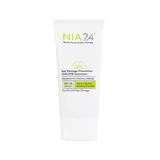 NIA24 Sun Damage Prevention UVA UVB Sunscreen SPF 30 | 50% | - |
Key Actives
Helps calm down inflammation in skin and can help reduce itching. Helps to repair the skin barrier and keep skin hydrated
Helps attract water to the upper layer of the skin, calm down inflammation and irritation, restore the barrier function and support wound healing. It can be helpful in reducing fine lines and wrinkles
Pure form of vitamin E. Can help moisturise and protect the skin from free radicals. Often used to help stabilise other ingredients or the formula itself
Might be helpful in neutralising free radicals in skin and have some hydration properties
Helps attract water to the upper layer of the skin and can help improve skin barrier function
Avobenzone. An organic, or so-called "chemical" UV filter. Protects against both UVA and UVB rays. Needs to be combined with other filters in a formulation to be stable.
A weak sunscreen that offers some protection against the sun rays that cause sunburn (UVB), but does not offer meaningful protection against protect against the most aging sun rays (UVA). It loses its effectiveness quickly when exposed to sunlight. It is an organic, or so called "chemical" sunscreen. When used in low concentrations, helps to stabilize the product formulation
Octinoxate. When used in higher concentrations, works as a sunscreen protecting the skin from UVB rays. When used in lower concentration, helps to preserve the product formulation. Is shown to be harmful to coral reefs - consider avoiding bathing in coral reef areas when wearing a product with this ingredient. It can be irritating
One of the best moisturizing ingredients. Naturally present in skin. It attracts water to the upper layer of the skin working as a humectant
Potential irritants
Octinoxate. When used in higher concentrations, works as a sunscreen protecting the skin from UVB rays. When used in lower concentration, helps to preserve the product formulation. Is shown to be harmful to coral reefs - consider avoiding bathing in coral reef areas when wearing a product with this ingredient. It can be irritating
Helps to stabilize the product formulation while softening the upper layer of the skin. Can be irritating
An essentil oil from orange peel. Potential allergen and can be irritating
An essential oil that can be very irritating. Has some anti-bacterial properties
Used as a fragrance. Canbe irritating
An essential oil. Can be irritating. Can become an allergen with oxidation
A common frangrance that can easily irritate skin, especially if exposed to air, light or heat
Avobenzone. An organic, or so-called "chemical" UV filter. Protects against both UVA and UVB rays. Needs to be combined with other filters in a formulation to be stable.
A weak sunscreen that offers some protection against the sun rays that cause sunburn (UVB), but does not offer meaningful protection against protect against the most aging sun rays (UVA). It loses its effectiveness quickly when exposed to sunlight. It is an organic, or so called "chemical" sunscreen. When used in low concentrations, helps to stabilize the product formulation
Used to stabilize product formulations and individual ingredients (for example, sunscreens). Can be an allergen
Used to stabilize the product formulation
Used to stabilize product formulation, help create an even product layer over skin (for example, in sunscreen) and create a thicker product consistency
Helps preserve products and creates a nice product texture
Helps soften the upper layer of the skin and improve the product texture. It can be comedogenic
Might be helpful in neutralising free radicals in skin and have some hydration properties
Used to preserve products, dissolve other ingredients and create a nice product texture
Might have some anti-oxidant properties. Can be used as a fragrance. Can be irritating
Can work as an exfoliant but is typically used to adjust the product pH
Comedogenic ingredients
A non-drying alcohol. Works as an emollient. Helps water and oil mix together and creates a nice product texture
Helps soften the upper layer of the skin and improve the product texture. It can be comedogenic
All ingredients
Avobenzone. An organic, or so-called "chemical" UV filter. Protects against both UVA and UVB rays. Needs to be combined with other filters in a formulation to be stable.
A weak sunscreen that offers some protection against the sun rays that cause sunburn (UVB), but does not offer meaningful protection against protect against the most aging sun rays (UVA). It loses its effectiveness quickly when exposed to sunlight. It is an organic, or so called "chemical" sunscreen. When used in low concentrations, helps to stabilize the product formulation
Octinoxate. When used in higher concentrations, works as a sunscreen protecting the skin from UVB rays. When used in lower concentration, helps to preserve the product formulation. Is shown to be harmful to coral reefs - consider avoiding bathing in coral reef areas when wearing a product with this ingredient. It can be irritating
Octisalate. A UV filter. It offers some protection against the sun rays that cause sunburn (UVB), but does not protect against the most aging sun rays (UVA). It loses its effectiveness quickly when exposed to sunlight. It is an organic, or so called "chemical" sunscreen
An emollient that helps soften the skin and can decrease moisture loss. Helps create a nice product texture
Used to stabilize product formulations and individual ingredients (for example, sunscreens). Can be an allergen
One of the best moisturizing ingredients. Naturally present in skin. It attracts water to the upper layer of the skin working as a humectant
A type of silicone that helps water and oil mix together. Can help to soften upper layer of the skin
A preservative. It helps prevent bacterial growth in cosmetic products
A non-drying alcohol. Works as an emollient. Helps water and oil mix together and creates a nice product texture
Helps soften the upper layer of the skin without creatng a greasy finish
An emollient that helps soften the skin. It also forms a protective on its surface to reduce water loss.
Increases thickness of a product. Texture enhancer for oil-in-water emulsions
Used to stabilize the product formulation
Used to stabilize product formulation, help create an even product layer over skin (for example, in sunscreen) and create a thicker product consistency
A non-drying alcohol that works to soften the skin and stabilize product formulations helping oil and water mix together
Non-drying alcohol that helps water and oil mix together. Also serves as an emollient
An emollient that softens the skin and forms a protective layer on its surface. Helps water and oil mix together
Helps preserve products and creates a nice product texture
An emollient that is naturally present in skin and helps soften it
Helps soften the upper layer of the skin and improve the product texture. It can be comedogenic
Helps to stabilize the product formulation while softening the upper layer of the skin. Can be irritating
An essentil oil from orange peel. Potential allergen and can be irritating
An essential oil that can be very irritating. Has some anti-bacterial properties
Used as a fragrance. Canbe irritating
An essential oil. Can be irritating. Can become an allergen with oxidation
A common frangrance that can easily irritate skin, especially if exposed to air, light or heat
Helps calm down inflammation in skin and can help reduce itching. Helps to repair the skin barrier and keep skin hydrated
Might be helpful in neutralising free radicals in skin and have some hydration properties
Used mostly for creating emulsions - helping oil and water mix together. Helps soften the upper layer of the skin
Used to preserve products, dissolve other ingredients and create a nice product texture
Helps attract water to the upper layer of the skin and can help improve skin barrier function
Might have some anti-oxidant properties. Can be used as a fragrance. Can be irritating
Used to stabilize the product formulation and can help absorb oil
Helps attract water to the upper layer of the skin, calm down inflammation and irritation, restore the barrier function and support wound healing. It can be helpful in reducing fine lines and wrinkles
Can work as an exfoliant but is typically used to adjust the product pH
Pure form of vitamin E. Can help moisturise and protect the skin from free radicals. Often used to help stabilise other ingredients or the formula itself
Ingredient list view
Butyl methoxydibenzoylmethane, Homosalate, Ethylhexyl methoxycinnamate, Ethylhexyl salicylate, Water, Isododecane, Polyester-8, Glycerin, Cetyl peg/ppg-10/1 dimethicone, Potassium cetyl phosphate, Phenoxyethanol, Cetearyl alcohol, Diisopropyl sebacate, Isodecyl neopentanoate, Lauryl lactate, Ammonium acryloyldimethyltaurate/vp copolymer, Diethylhexyl syringylidenemalonate, Acrylates copolymer, Cetyl alcohol, Behenyl alcohol, Ethylhexylglycerin, Glyceryl stearate, Chlorphenesin, Xanthan gum, Caprylyl glycol, Palmitic acid, Stearic acid, Behenic acid, Cetyl behenate, Isostearyl isostearate, Lauryl alcohol, Myristyl alcohol, Aniba rosaeodora wood oil, Citrus aurantium dulcis peel oil, Citrus limon peel oil, Eucalyptus globulus leaf oil, Ocimum basilicum flower/leaf extract, Pelargonium graveolens flower oil, Pogostemon cablin oil, Limonene, Allantoin, Disodium edta, Thermus thermophillus ferment, Lecithin, Pentylene glycol, Panthenol, Sodium hydroxide, Bht, Cassia alata leaf extract, Maltodextrin, Geraniol, Citral, 1,2-hexanediol, Beta-glucan, Citric acid, Sodium benzoate, Tocopherol, Potassium sorbate
- Opinion on Homosalate - Scientific Committee on Consumer Products
- Allergic contact dermatitis caused by polyester-8 (Polycrylene®) in a sunscreen moisturizer
- Glycerol and the skin: holistic approach to its origin and functions
- Final Report on the Safety Assessment of Acrylates Copolymer and 33 Related Cosmetic Ingredients
- Amended Safety Assessment of Acrylates Copolymers as Used in Cosmetics
- Cosmetic allergy from myristyl alcohol
- Contact Sensitization to Emulsifying Agents: An Underrated Issue?
- Patch testing with myristyl alcohol
- Fragrance Compound Geraniol Forms Contact Allergens on Air Exposure. Identification and Quantification of Oxidation Products and Effect on Skin Sensitization
- Profile of wound healing process induced by allantoin
- Skin moisturizing effects of panthenol-based formulations
- Safety Assessment of Panthenol, Pantothenic Acid, and Derivatives as Used in Cosmetics
- Annex I: Clinical evidence regarding sensitisation to individual fragrance chemicals and to natural extracts
- The influence of alkane chain length on the skin irritation potential of 1,2-alkanediols
- β-Glucans: Multi-Functional Modulator of Wound Healing
- Anti-Wrinkle Therapy: Significant New Findings in the Non-Invasive Cosmetic Treatment of Skin Wrinkles with Beta-Glucan
- Skin Health Promotion Effects of Natural Beta-Glucan Derived from Cereals and Microorganisms: A Review
- Anticancer properties of low molecular weight oat beta-glucan – An in vitro study
- A critical review on production and industrial applications 2 of beta-glucans
- Improving skin function with CM-glucan, a biological response modifier from yeast
- Preparation, characterization, and biological properties of β-glucans
- Characterization of a new beta(1-3)-glucan branching activity of Aspergillus fumigatus
- Vitamin E in dermatology
- Vitamin E and Skin Health