Works for:
based on ingredients and %- Moisturizing
Doesn't work for:
based on ingredients and %- Anti-aging
Can it cause trouble?
- Irritation risk: high
- Comedogenic risk ingredients: 1
Key actives

Moisturizing
This product can help improve hydration of the skin with the two types of ingredients.
The first type is called “humectants”:
these ingredients help attract water.
When humectants are on the surface of the skin, they “pull in” the moisture from the outside environment, or from
within deeper layers of the skin. The following ingredients in this product do the job:
glycerin, honey.
This product also contains ingredients called “occlusives”. They help reduce the speed with which our skin loses moisture to the outside environment. These ingredients also help soften the upper layer of the skin, so it feels less tight and nicer to the touch. The following ingredients in this product do the job: dimethicone, dimethiconol.
One of the best moisturizing ingredients. Naturally present in skin. It attracts water to the upper layer of the skin working as a humectant
A silicone that works to soften the upper layer of the skin and reduce its water loss
A silicone that helps to reduce water loss from the surface of the skin. Can temporarily "fill in" lines and wrinkles, absorb oil, and create a nice product finish
A silicone that makes products more spreadable and keeps skin smooth. Helps to add gloss to skin and may visually fill in fine lines/wrinkles for short time
Helps attract water to the upper layer of the skin
A silicone that helps improve the product texture and spreadability. Can absorb oil creating a short-term mattifying effect on the skin
Helps attract water to the skin and might have some anti-bacterial properties. Can be an allergen
Helps to soften the upper layer of the skin and attract water to it
Helps attract water to the upper layer of the skin and soften it
A silicone that forms a light film on the skin surface helping to bind water and temporarily absorb oils creating a matt and powdery feel
Plant extract that might help neutralize free radicals and support skin barrier function, but research on its effectiveness in skin is lacking
An emollient that can also help water and oil mix together, as well as prevent bacteria growth in products
A sugar that is used to stabilize the product formulation. Can help attract water to the upper layer of the skin
Used to create a nice product texture and help delivery of other ingredients. Might be somewhat helpful in attracting water to the upper layer of the skin
Used to stabilize product formulations and help soften the upper layer of the skin
Used to create a nice product consistency while softening the upper layer of the skin
A silicone that serves as an emollient. Helps create a nice non-greasy feels
Pure form of vitamin E. Can help moisturise and protect the skin from free radicals. Often used to help stabilise other ingredients or the formula itself
Can contain potent anti-oxidant compounds (abbreviated ECG, GCG, EGC, and EGCG) that might help protect the skin from free radicals. Can help calm down inflammation and has some anti-bacterial properties. Unfortunately, these antioxidants are unstable and lose their effectiveness very quickly in products. The concentration of the antioxidant compounds in the extract also tends to be low to be effective in topical formulation
Anti-aging
What does the product description say?
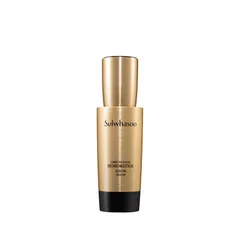
A highly effective targeted formula fortified with the anti-aging power of Reishi, also known as the “mushroom of immortality,” and vital Ginseng Active Cell to strengthen, visibly firm, and plump the appearance of the skin while improving signs of aging.
Source: Sulwhasoo US
Effective ingredients missing or their concentration is too low.
Plant extract that might help calm down inflammation in skin and neutralize free radicals, but effectiveness of topical application is not confirmed. Can be an allergen
Can contain potent anti-oxidant compounds (abbreviated ECG, GCG, EGC, and EGCG) that might help protect the skin from free radicals. Can help calm down inflammation and has some anti-bacterial properties. Unfortunately, these antioxidants are unstable and lose their effectiveness very quickly in products. The concentration of the antioxidant compounds in the extract also tends to be low to be effective in topical formulation
Pure form of vitamin E. Can help moisturise and protect the skin from free radicals. Often used to help stabilise other ingredients or the formula itself
How honest is this product?
| Promise | Can it deliver? |
|---|---|
| Anti-aging |
Total Promises Fulfilled score: 0/100.
We receive a small commission for purchases made through these links at no cost for you. Thank you for your support! Learn more
Potential irritants
Comedogenic ingredients
User reviews (0)
Averages from community submissions.
No reviews yet for this product.
Be the first to share your experience!
Tried this product?
Help capture what the ingredient list can't—texture, finish, pilling, scent, and more. Answer what you can, skip the rest.
Takes ~30 seconds.
Reviews are shown in aggregate. No personal details.
Key Actives
Can contain potent anti-oxidant compounds (abbreviated ECG, GCG, EGC, and EGCG) that might help protect the skin from free radicals. Can help calm down inflammation and has some anti-bacterial properties. Unfortunately, these antioxidants are unstable and lose their effectiveness very quickly in products. The concentration of the antioxidant compounds in the extract also tends to be low to be effective in topical formulation
A silicone that helps to reduce water loss from the surface of the skin. Can temporarily "fill in" lines and wrinkles, absorb oil, and create a nice product finish
A silicone that helps improve the product texture and spreadability. Can absorb oil creating a short-term mattifying effect on the skin
A silicone that forms a light film on the skin surface helping to bind water and temporarily absorb oils creating a matt and powdery feel
One of the best moisturizing ingredients. Naturally present in skin. It attracts water to the upper layer of the skin working as a humectant
A silicone that works to soften the upper layer of the skin and reduce its water loss
A silicone that makes products more spreadable and keeps skin smooth. Helps to add gloss to skin and may visually fill in fine lines/wrinkles for short time
Helps attract water to the upper layer of the skin
Potential irritants
An aromatic blend of unspecified and possibly irritating ingredients
Plant extract that might help calm down inflammation in skin and neutralize free radicals, but effectiveness of topical application is not confirmed. Can be an allergen
A plant extract that might have some anti-inflammatory properties, but solid evidence is lacking. It can be irritating
A common frangrance that can easily irritate skin, especially if exposed to air, light or heat
A gelling agent that thickens the product consistency and leaves the skin with a velvety finish
Used to stabilize product formulations and help soften the upper layer of the skin
Helps attract water to the upper layer of the skin
Licorice root extract. Might be helpful in reducing hyperpigmentation
Plant extract that might help neutralize free radicals and support skin barrier function, but research on its effectiveness in skin is lacking
Comedogenic ingredients
All ingredients
A silicone that helps to reduce water loss from the surface of the skin. Can temporarily "fill in" lines and wrinkles, absorb oil, and create a nice product finish
One of the best moisturizing ingredients. Naturally present in skin. It attracts water to the upper layer of the skin working as a humectant
A silicone that helps improve the product texture and spreadability. Can absorb oil creating a short-term mattifying effect on the skin
Used to create a nice product texture and help delivery of other ingredients. Might be somewhat helpful in attracting water to the upper layer of the skin
Helps attract water to the upper layer of the skin and soften it
A silicone that forms a light film on the skin surface helping to bind water and temporarily absorb oils creating a matt and powdery feel
A silicone that serves as an emollient. Helps create a nice non-greasy feels
A silicone that works to soften the upper layer of the skin and reduce its water loss
Used to create a nice product consistency while softening the upper layer of the skin
Used to stabilize product formulations and create a nice product texture
A type of silicone that create a smooth product finish and can create an optical soft-focus effect on the skin. Helps to thicken the product consistency
A gelling agent that thickens the product consistency and leaves the skin with a velvety finish
A silicone that makes products more spreadable and keeps skin smooth. Helps to add gloss to skin and may visually fill in fine lines/wrinkles for short time
Helps create a thicker or gel-like product texture. It is not a surfactant but can be used in gentle cleansing formulations
A preservative. It helps prevent bacterial growth in cosmetic products
An aromatic blend of unspecified and possibly irritating ingredients
Plant extract that might help calm down inflammation in skin and neutralize free radicals, but effectiveness of topical application is not confirmed. Can be an allergen
Helps attract water to the skin and might have some anti-bacterial properties. Can be an allergen
Helps attract water to the skin and might have some anti-bacterial properties. Can be an allergen
An emollient that can also help water and oil mix together, as well as prevent bacteria growth in products
Plant extract that might help calm down inflammation in skin and neutralize free radicals, but effectiveness of topical application is not confirmed. Can be an allergen
Used to stabilize product formulations and help soften the upper layer of the skin
Can contain potent anti-oxidant compounds (abbreviated ECG, GCG, EGC, and EGCG) that might help protect the skin from free radicals. Can help calm down inflammation and has some anti-bacterial properties. Unfortunately, these antioxidants are unstable and lose their effectiveness very quickly in products. The concentration of the antioxidant compounds in the extract also tends to be low to be effective in topical formulation
Acts as a solvent for other ingredients. Speeds up the absorption of other ingredients into the skin
Helps attract water to the upper layer of the skin
A plant extract that might have some anti-inflammatory properties, but solid evidence is lacking. It can be irritating
A common frangrance that can easily irritate skin, especially if exposed to air, light or heat
Licorice root extract. Might be helpful in reducing hyperpigmentation
Plant extract that might help neutralize free radicals and support skin barrier function, but research on its effectiveness in skin is lacking
A sugar that is used to stabilize the product formulation. Can help attract water to the upper layer of the skin
A type of sugar that is used to support delivery of active ingredients and can enhance their penetration into the skin without disrupting the skin's barrier
Is used to enhance product texture and can help to optically mask skin imperfections
Pure form of vitamin E. Can help moisturise and protect the skin from free radicals. Often used to help stabilise other ingredients or the formula itself
Ingredient list view
Water, Dimethicone, Glycerin, Cyclopentasiloxane, Butylene glycol, Methyl gluceth-20, Polysilicone-11, Cnidium officinale root water, Angelica acutiloba root water, Cyclohexasiloxane, Methoxy peg-114/polyepsilon caprolactone, Peg-10 dimethicone, Pentaerythrityl tetraethylhexanoate, Dimethicone/vinyl dimethicone crosspolymer, Vinyl dimethicone/methicone silsesquioxane crosspolymer, 1,2-hexanediol, Hydroxyethyl acrylate/sodium acryloyldimethyl taurate copolymer, Dimethiconol, Carbomer, Phenoxyethanol, Tromethamine, Parfum, Xanthan gum, Hydrolyzed ginseng saponins, Ci 14700, Unknown, Saponins, Honey, Mel, Honey, Glyceryl caprylate, Sclerotium gum, Hydrolyzed ginseng saponins, Unknown, Saponins, Hydroxypropyl cyclodextrin, Nelumbo nucifera flower extract, Polygonatum officinale rhizome/root extract, Rehmannia glutinosa root extract, Paeonia albiflora root extract, Lilium candidum bulb extract, Ethylhexylglycerin, Disodium edta, Camellia sinensis leaf extract, Propanediol, Ganoderma lucidum extract, Sorbitan isostearate, Polysorbate 60, Panax ginseng root extract, Limonene, Glycine max leaf extract, Pinus densiflora leaf extract, Glycyrrhiza uralensis root extract, Ophiopogon japonicus root extract, Dextrin, Theobroma cacao extract, Hydrolyzed proanthocyanidin, Linalool, Nephrite powder, Cyclodextrin, Eugenol, Citral, Polymethyl methacrylate, Panax ginseng root protoplasts, Tocopherol
- Dimethicone as a protective ingredient in topical medications
- Final Report on the Safety Assessment of Dimethicone Copolyol
- Glycerol and the skin: holistic approach to its origin and functions
- Safety Assessment of Pentaerythrityl Tetraesters as Used in Cosmetics
- The influence of alkane chain length on the skin irritation potential of 1,2-alkanediols
- Safety Assessment of Tromethamine as Used in Cosmetics
- Effects of ginseng saponins isolated from Red Ginseng roots on burn wound healing in mice
- Panax ginseng induces human Type I collagen synthesis through activation of Smad signaling
- Korean Red Ginseng improves atopic dermatitis-like skin lesions by suppressing expression of proinflammatory cytokines and chemokines in vivo and in vitro
- First-reported pediatric cases of American ginseng anaphylaxis and allergy
- Ginseng in Dermatology: A Review
- Antiaging effects of the mixture of Panax ginseng and Crataegus pinnatifida in human dermal fibroblasts and healthy human skin
- Effects of steroidal saponins extract from Ophiopogon japonicus root ameliorates doxorubicin-induced chronic heart failure by inhibiting oxidative stress and inflammatory response
- Cosmetic use of an ophiopogon japonicus active principle
- Cyclodextrins: new drug delivery systems in dermatology
- Vitamin E in dermatology
- Vitamin E and Skin Health