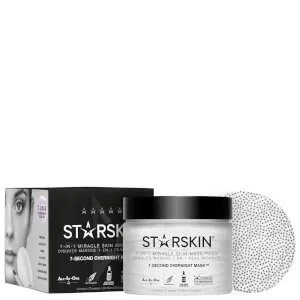
Works for
ExfoliationHydroxyethyl urea, Retinyl palmitateWorks well
“Exfoliate: Gentle exfoliating beads remove dead skin and refine pores”
This product can help exfoliate the skin. In other words, it helps break down the bonds between dead cells on the surface of the skin and speed up the skin turnover. Skin often appears softer and brighter after exfoliation, but overdoing it can result in disrupted skin barrier. The following ingredient is doing the exfoliating job in this product: hydroxyethyl urea.
MoisturizingCeramide 3, Panthenol + 31 moreWorks well
“Oil Serum: Nourishes the skin and replenishes nutrients”
This product can help improve hydration of the skin with the two types of ingredients.
The first type is called “humectants”:
these ingredients help attract water.
When humectants are on the surface of the skin, they “pull in” the moisture from the outside environment, or from
within deeper layers of the skin. The following ingredients in this product do the job:
alanine, arginine.
This product also contains ingredients called “occlusives”. They help reduce the speed with which our skin loses moisture to the outside environment. These ingredients also help soften the upper layer of the skin, so it feels less tight and nicer to the touch. The following ingredients in this product do the job: arginine, butylene glycol dicaprylate/dicaprate.
The following ingredients in this product are especially good for supporting the skin barrier and helping with the hydration level: ceramide 3, panthenol
Anti-oxidationNot advertised by the brand · Cysteine, Portulaca oleracea extract + 2 moreMay help
This product contains antioxidants (cysteine) that might be able to help neutralize free radicals in skin to lessen the damage it gets from the UV light (sun). There is not enough evidence to confirm their effectiveness in skin though.
Anti-agingSide benefit the brand mentions · Folic acid, Lysine + 6 moreMay help
“Stimulates cell repair and regeneration, and improves elasticity Mood Relaxer.”
This product contains aspartic acid, folic acid, lysine, retinyl palmitate, serine, threonine. These ingredients might be able to help reduce and prevent fine lines and wrinkles, improve skin elasticity and firmness, but there is not enough evidence that it actually works.
Evens skin toneNot advertised by the brand · Retinyl palmitate, Alanine + 4 moreMay help
This product might be able to help reduce hyperpigmentation and even out the skin tone because it contains hydroxyethyl urea. The effect, if any, is likely to be small. Keep in mind that you would need to apply any topical skincare targetted at hypigmentation consistently for a couple of months to get a result. No topical skincare product can help get rid of hyperpigmentation (including post-acne marks and age spots) instantly.
The following ingredient (ingredients) in this product might be helpful, but there is no evidence to confirm that it actually works: alanine, cysteine, retinyl palmitate.
Can it cause trouble?
Irritancy2 strong irritants: Retinyl palmitate, ParfumMedium risk
ComedogenicClean of flagged comedogenic ingredientsNone flagged

User reviews
Be the first — your take helps the next person decide.
Ingredients
Filter by role to see what each ingredient is doing.
Cestrum nocturnum branch/flower/leaf water~23–34%
- Irritation risk
- Low
Nymphaea alba flower extract~3.9–5.8%
- Irritation risk
- Low
Glycerin~4.1–6.1%
- Irritation risk
- Low
One of the best moisturizing ingredients. Naturally present in skin. It attracts water to the upper layer of the skin working as a humectant
More about GlycerinButylene glycol~3.2–4.9%
- Irritation risk
- Low
Used to create a nice product texture and help delivery of other ingredients. Might be somewhat helpful in attracting water to the upper layer of the skin
More about Butylene glycolButylene glycol dicaprylate/dicaprate~2.7–4.1%
- Irritation risk
- Low
Helps soften the upper layer of the skin
More about Butylene glycol dicaprylate/dicaprateSodium hyaluronate~1.9–2.8%
- Irritation risk
- Low
One of the best moisturizing ingredients. Attracts water into the upper layer of the skin
More about Sodium hyaluronateMeteorite extract~1.5–2.2%
- Irritation risk
- Low
Castanea crenata shell extract~1.2–1.8%
- Irritation risk
- Low
Chenopodium album flower extract~1–1.5%
- Irritation risk
- Low
Plantago asiatica extract~0.85–1.3%
- Irritation risk
- Low
Rehmannia glutinosa root extract~0.5–1.15%
- Irritation risk
- Low
Chamomilla recutita flower extract~0.4–0.95%
- Irritation risk
- High
Plant extract that can have healing and anti-inflammatory properties. It is a potential allergen and can be irritating
More about Chamomilla recutita flower extractAcer saccharum extract~0.35–0.85%
- Irritation risk
- Medium
A plant extract that contains small percentage of AHAs. Is unlikely to have any skin benefit due the small concentration of the active compounds
More about Acer saccharum extractPortulaca oleracea extract~0.35–0.8%
- Irritation risk
- Medium
A plant extract that has some anti-oxidant activity, but solid research is lacking. Can help attract water to the upper layer of the skin
More about Portulaca oleracea extract1,2-hexanediol~0.3–0.7%
C14-22 alcohols~0.3–0.75%
- Irritation risk
- Low
A non-drying alcohol that helps stabilize product formulations
More about C14-22 alcoholsC12-20 alkyl glucoside~0.3–0.75%
- Irritation risk
- Medium
Helps water and oil mix together
More about C12-20 alkyl glucosideHydrogenated polydecene~0.3–0.75%
- Irritation risk
- Low
Helps to soften the upper layer of the skin and create a nice product texture
More about Hydrogenated polydeceneEthylhexyl isononanoate~0.3–0.75%
- Irritation risk
- Low
Helps soften the upper layer of the skin and improve the product consistency
More about Ethylhexyl isononanoateCamellia japonica seed oil~0.2–0.75%
- Irritation risk
- Low
A plant oil that helps to soften the upper layer of the skin and can help restore skin's barrier function. Might have an anti-oxidant effect
More about Camellia japonica seed oilLysine~0.15–0.55%
- Irritation risk
- Low
An amino-acid that helps to attract water to the upper layer of the skin. In combination with other amino-acids, might help to reduce fine lines and wrinkles
More about LysineHistidine~0.15–0.55%
Arginine~0.1–0.45%
- Irritation risk
- Low
An amino acid that is naturally present in skin and helps keep it hydrated. When used together with AHAs, it can reduce their irritating effect on the skin
More about ArginineAspartic acid~0.1–0.45%
- Irritation risk
- Low
An amino-acid that helps increase skin hydration and might help to slightly improve skin firmness, potentially reducing lines and wrinkles
More about Aspartic acidThreonine~0.1–0.5%
- Irritation risk
- Low
An amino-acid that helps to attract water to the upper layer of the skin. In combination with other amino-acids, might help to reduce fine lines and wrinkles
More about ThreonineSerine~0.1–0.5%
- Irritation risk
- Low
An amino-acid that helps to attract water to the upper layer of the skin. In combination with other amino-acids, might help to reduce fine lines and wrinkles
More about SerineGlutamic acid~0.15–0.5%
- Irritation risk
- Low
An amino-acid that helps attract water to the upper layer of the skin
More about Glutamic acidProline~0.15–0.55%
Glycine~0.15–0.5%
- Irritation risk
- Low
Helps to attract water to the upper layer of the skin and can help restore the skin barrier function
More about GlycineAlanine~0.15–0.5%
- Irritation risk
- Low
An amino-acid that helps to attract water to the upper layer of the skin and might help to lighten the skin, but solid evidence is lacking
More about AlanineValine~0.15–0.5%
- Irritation risk
- Low
Methionine~0.15–0.55%
- Irritation risk
- Low
Isoleucine~0.15–0.55%
- Irritation risk
- Low
An amino acid that can help attract water to the upper layer of the skin and support skin's barrier function
More about IsoleucineLeucine~0.15–0.55%
- Irritation risk
- Low
Tyrosine~0.15–0.5%
Phenylalanine~0.15–0.55%
- Irritation risk
- Low
Cysteine~0.15–0.5%
- Irritation risk
- Low
Might help neutralize free radicals in skin and might be helpful against hyperpigmentation
More about CysteineSodium pca~0.15–0.5%
- Irritation risk
- Low
Naturally present in skin and helps to attract water to its upper layer
More about Sodium pcaSodium lactate~0.15–0.5%
- Irritation risk
- Medium
Helps attract water to the upper layer of the skin. Is often used to adjust the pH level of the product
More about Sodium lactateLecithin~0.2–0.7%
- Irritation risk
- Low
Used mostly for creating emulsions - helping oil and water mix together. Helps soften the upper layer of the skin
More about LecithinHydroxyethyl urea~0.15–0.5%
- Irritation risk
- Low
A derivative of urea, a compound that is naturally present in skin. Attracts water to the upper layer of the skin. Can enhance penetration of other ingredients
More about Hydroxyethyl ureaPca~0.15–0.5%
- Irritation risk
- Low
Naturally present in skin and helps to attract water to its upper layer
More about PcaDipotassium glycyrrhizate~0.15–0.5%
- Irritation risk
- Low
A salt derived from licorice. Works as an emollient to soften the upper layer of the skin and can help calm down inflammation. Might be helpful for skin lightening
More about Dipotassium glycyrrhizateRetinyl palmitate~0.1–0.5%
- Irritation risk
- High
Three steps removed from the active form of vitamin A - retinoic acid. To have an effect in the skin, it first needs to be converted twice to become the retinoic acid. This means it is less potent than retinol, but could also be less irritating. Once converted to the retinoic acid in the skin, it helps against all signs of aging, improves skin cell turnover and helps fight blemishes and clogged pores. However, in many cosmetic formulations, it is used in a concentration that is too low to have the full effect
More about Retinyl palmitateNiacinamide~0.15–0.55%
- Irritation risk
- Low
Is proven to be effective in reducing blemishes, evening out skin tone and helping to improve lines and wrinkles. It helps the skin to repair sun damage, calm down inflammation and keep maintain good levels of moisture. The concentration of about 2% is effective for supporting the skin barrier and evening out the skin tone. Concentration of 4-6% is better for helping with acne and balancing the sebum production
More about NiacinamidePanthenol~0.15–0.5%
- Irritation risk
- Low
Helps attract water to the upper layer of the skin and can help improve skin barrier function
More about PanthenolBiotin~0.15–0.55%
- Irritation risk
- Low
Might have some moisturising properties. Is not effective when applied topically beyond some moisturizing effect
More about BiotinFolic acid~0.15–0.5%
- Irritation risk
- Low
Can help stimulate collagen production in skin. While available studies are promising, more research is needed to confirm the efficacy in skin
More about Folic acidAscorbic acid~0.1–0.5%
- Irritation risk
- High
The most well-researched antioxidant that works in skin. Helps neutralize free radicals supporting collagen production, helping to even out the skin tone and preventing early signs of aging
More about Ascorbic acidTocopheryl acetate~0.15–0.55%
- Irritation risk
- Medium
A more stable but less bio-available form of vitamin E compared to Tocopherol. Might help moisturize and protect the skin from free radicals, but mostly used in low concentrations to stabilize other ingredients.
More about Tocopheryl acetateGlyceryl linoleate~0.2–0.7%
- Irritation risk
- Medium
Helps oil and water mix together
More about Glyceryl linoleateGlyceryl linolenate~0.15–0.65%
- Irritation risk
- Low
Helps soften the upper layer of the skin
More about Glyceryl linolenateGlyceryl arachidonate~0.15–0.7%
- Irritation risk
- Medium
Helps water and oil mix together
More about Glyceryl arachidonateHydrogenated lecithin~0.1–0.45%
- Irritation risk
- Low
Helps to retain moisture by creating a protective barrier on the skin. Rich in fatty acids. Improves product texture and helps with the penetration of other ingredients.
More about Hydrogenated lecithinCeramide 3~0.15–0.6%
- Irritation risk
- Low
A type of lipid similar to ceramides naturally present in skin. Helps to soften the upper layer of the skin and supports the skin barrier function to keep it hydrated. Can help to prevent inflammation in skin
More about Ceramide 3Betaine~0.1–0.4%
- Irritation risk
- Low
Helps attract water to the upper layer of the skin and improves the product texture
More about BetaineHydroxyethyl acrylate/sodium acryloyldimethyl taurate copolymer~0.1–0.4%
- Irritation risk
- Medium
A gelling agent that thickens the product consistency and leaves the skin with a velvety finish
More about Hydroxyethyl acrylate/sodium acryloyldimethyl taurate copolymerCaprylyl glycol~0.15–0.55%
- Irritation risk
- Medium
Helps preserve products and creates a nice product texture
More about Caprylyl glycolEthylhexylglycerin~0.05–0.25%
Parfum~0.05–0.2%
- Irritation risk
- High
An aromatic blend of unspecified and possibly irritating ingredients
More about ParfumIngredient list view
Cestrum nocturnum branch/flower/leaf water, Nymphaea alba flower extract, Glycerin, Butylene glycol, Butylene glycol dicaprylate/dicaprate, Sodium hyaluronate, Meteorite extract, Castanea crenata shell extract, Chenopodium album flower extract, Plantago asiatica extract, Rehmannia glutinosa root extract, Chamomilla recutita flower extract, Acer saccharum extract, Portulaca oleracea extract, 1,2-hexanediol, C14-22 alcohols, C12-20 alkyl glucoside, Hydrogenated polydecene, Ethylhexyl isononanoate, Camellia japonica seed oil, Lysine, Histidine, Arginine, Aspartic acid, Threonine, Serine, Glutamic acid, Proline, Glycine, Alanine, Valine, Methionine, Isoleucine, Leucine, Tyrosine, Phenylalanine, Cysteine, Sodium pca, Sodium lactate, Lecithin, Hydroxyethyl urea, Pca, Dipotassium glycyrrhizate, Retinyl palmitate, Niacinamide, Panthenol, Biotin, Folic acid, Ascorbic acid, Tocopheryl acetate, Glyceryl linoleate, Glyceryl linolenate, Glyceryl arachidonate, Hydrogenated lecithin, Ceramide 3, Betaine, Hydroxyethyl acrylate/sodium acryloyldimethyl taurate copolymer, Caprylyl glycol, Ethylhexylglycerin, Parfum
Compare prices
Retailers ranked by price — lowest first.

Worth comparing, line by line.
Match % combines shared ingredients, the first five ingredients, shared actives and hero ingredients, irritancy (lower counts in the alternative's favour), texture and body area. Only products in the same routine step are compared.
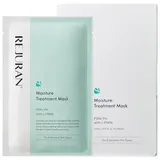
| STARSKIN7-Second Overnight MaskYOUR PRODUCT | MEDIHEALD.N.A Hydrating Protein Sheet Mask | RejuranMoisture Treatment Mask | SkinfoodRice Brightening Pad (60 Pads) | |
|---|---|---|---|---|
| Match | — | 77% | 77% | 76% |
| Price | — | — | $18.00 | $18.90 |
| Shared key ingredients | — | 21 of 25 | 17 of 25 | 16 of 25 |
| Key difference | — | Copper Tripeptide-1 | Adenosine | Gluconolactone |
| Irritancy | Medium | Medium | Medium | Medium |
| Drying alcohol | — | — | — | — |
| View product | Shop | Shop | Shop |


More alternatives: VENN Skincare VENN Collagen Intensive Phyto-Retinol Renewal MaskHYGGEE Active Red Flower Mask
Sources cited in this review
Every concentration estimate and effectiveness label is anchored to one of these 28 studies and safety reviews.
- 1
- 2Hyaluronic acid: A key molecule in skin agingncbi.nlm.nih.gov
- 3
- 4Portulaca oleracea (purslane)mdedge.com
- 5
- 6

Affiliate links · As an Amazon Associate, WIMJ earns from qualifying purchases.