Works for:
based on ingredients and %- Moisturizing
- Anti-oxidation
Can it cause trouble?
- Irritation risk: high
- Comedogenic risk ingredients: 6
Key actives

Works for
Anti-oxidation
This product contains antioxidants (ilex paraguariensis leaf extract) that might be able to help neutralize free radicals in skin to lessen the damage it gets from the UV light (sun). There is not enough evidence to confirm their effectiveness in skin though.
A plant extract that can help neutralize free radicals in skin. Can contain fragrand compounds like linalool that can be irritating
A plant oil that might help neutralize free radicals and have an anti-bacterial effect
A plant oil that might help neutralize free radicals, but evidence of effectiveness in skin is lacking
A great emollient that can also have anti-oxidant properties
Pure form of vitamin E. Can help moisturise and protect the skin from free radicals. Often used to help stabilise other ingredients or the formula itself
A plant oil with high content of volatile compounds that can irritate the skin. Can be used as a fragrance. Has anti-bacterial properties and might help neutralize free radicals on the surface of the skin
Moisturizing
What does the product description say?
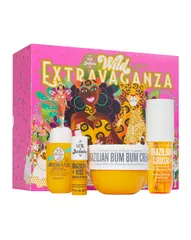
Brazilian 'bum bums' are famously brilliant, so whether it's a bottom, a butt or la derriére, your behind will reap the benefits of Sol de Janeiro's tightening, moisturising miracle Bum Bum Cream.
Source: Cultbeauty
This product can help improve hydration of the skin with the two types of ingredients.
The first type is called “humectants”:
these ingredients help attract water.
When humectants are on the surface of the skin, they “pull in” the moisture from the outside environment, or from
within deeper layers of the skin. The following ingredients in this product do the job:
glycerin, sodium hyaluronate.
This product also contains ingredients called “occlusives”. They help reduce the speed with which our skin loses moisture to the outside environment. These ingredients also help soften the upper layer of the skin, so it feels less tight and nicer to the touch. The following ingredients in this product do the job: beeswax, caprylic/capric triglyceride.
A type of silicone that can decrease loss of moisture from the skin surface. It helps create a nice product texture
An oil naturally present in skin. Works as an emollient to soften the skin and form a protective layer on its surface without a greasy feeling.
Helps soften the upper layer of the skin and might as well help to attract moisture to its upper layer
A good mix of fatty acids that forms a protective layer on the skin. Improves the shelf life of products. Derived from coconut and glycerin
Forms a protective barrier that holds water and keeps dry skin hydrated. Keeps an emulsion from separating into its oil and liquid components, and increases the thickness of a product. Can be an allergen
Forms a protective barrier that holds water and keeps dry skin hydrated. Keeps an emulsion from separating into its oil and liquid components, and increases the thickness of a product. Can be an allergen
A good emollient that helps soften the skin and helps repair its barrier function. It can clog pores if used in high concentrations.
A great emollient due to its high linoleic acid content. One of the most effective plant oils in helping skin hydration and repairing skin barrier function
One of the best moisturizing ingredients. Attracts water into the upper layer of the skin
An emollient. Found to be as effective as a moisturizer for dry skin as mineral oil. Could be comedogenic
One of the best moisturizing ingredients. Naturally present in skin. It attracts water to the upper layer of the skin working as a humectant
A great emollient that can also have anti-oxidant properties
A plant oil that due to its high linoleic acid content can help strengthen skin's barrier function and soften its upper layer
A non-drying alcohol. Works as an emollient. Helps water and oil mix together and creates a nice product texture
A non-drying alcohol that works to soften the skin and stabilize product formulations helping oil and water mix together
An emollient that helps soften the skin but is not effective for restoring its barrier function. Might be helpful to calm down inflammation
An emollient that can also help water and oil mix together, as well as prevent bacteria growth in products
Helps preserve products and creates a nice product texture
Helps oil and water mix together while softening the upper layer of the skin
Pure form of vitamin E. Can help moisturise and protect the skin from free radicals. Often used to help stabilise other ingredients or the formula itself
Traditionally used to treat sunburns, dermatitis and inflammation, but evidence for its effectiveness is lacking. The extract can contain humectants that help attract water into the skin
How honest is this product?
| Promise | Can it deliver? |
|---|---|
| Moisturizing |
Total Promises Fulfilled score: 75/100.
We receive a small commission for purchases made through these links at no cost for you. Thank you for your support! Learn more
Potential irritants
Comedogenic ingredients
User reviews (0)
Averages from community submissions.
No reviews yet for this product.
Be the first to share your experience!
Tried this product?
Help capture what the ingredient list can't—texture, finish, pilling, scent, and more. Answer what you can, skip the rest.
Takes ~30 seconds.
Reviews are shown in aggregate. No personal details.
Key Actives
Pure form of vitamin E. Can help moisturise and protect the skin from free radicals. Often used to help stabilise other ingredients or the formula itself
Pure form of vitamin E. Can help moisturise and protect the skin from free radicals. Often used to help stabilise other ingredients or the formula itself
A plant extract that can help neutralize free radicals in skin. Can contain fragrand compounds like linalool that can be irritating
Forms a protective barrier that holds water and keeps dry skin hydrated. Keeps an emulsion from separating into its oil and liquid components, and increases the thickness of a product. Can be an allergen
A great emollient that can also have anti-oxidant properties
A type of silicone that can decrease loss of moisture from the skin surface. It helps create a nice product texture
A good mix of fatty acids that forms a protective layer on the skin. Improves the shelf life of products. Derived from coconut and glycerin
One of the best moisturizing ingredients. Naturally present in skin. It attracts water to the upper layer of the skin working as a humectant
An emollient. Found to be as effective as a moisturizer for dry skin as mineral oil. Could be comedogenic
One of the best moisturizing ingredients. Attracts water into the upper layer of the skin
An oil naturally present in skin. Works as an emollient to soften the skin and form a protective layer on its surface without a greasy feeling.
One of the best moisturizing ingredients. Naturally present in skin. It attracts water to the upper layer of the skin working as a humectant
Helps soften the upper layer of the skin and might as well help to attract moisture to its upper layer
An emollient. Found to be as effective as a moisturizer for dry skin as mineral oil. Could be comedogenic
A great emollient due to its high linoleic acid content. One of the most effective plant oils in helping skin hydration and repairing skin barrier function
A good emollient that helps soften the skin and helps repair its barrier function. It can clog pores if used in high concentrations.
Forms a protective barrier that holds water and keeps dry skin hydrated. Keeps an emulsion from separating into its oil and liquid components, and increases the thickness of a product. Can be an allergen
A great emollient due to its high linoleic acid content. One of the most effective plant oils in helping skin hydration and repairing skin barrier function
An emollient. Found to be as effective as a moisturizer for dry skin as mineral oil. Could be comedogenic
Helps soften the upper layer of the skin and might as well help to attract moisture to its upper layer
A plant oil that due to its high linoleic acid content can help strengthen skin's barrier function and soften its upper layer
Potential irritants
A plant extract that can help neutralize free radicals in skin. Can contain fragrand compounds like linalool that can be irritating
Can be drying and contribute to skin irritation. Used in formulars to dissolve other ingredients, create a thinner product consistency or for its antibacterial properties
Works as a foaming cleansing agent
Helps water and oil mix together. Used as a cleansing ingredient. Could be an allergen
An aromatic blend of unspecified and possibly irritating ingredients
A preservative. Can be used to mask unpleasant smell. Can be irritating
A fragrance. Can trigger allergic reactions and be irritating
A common frangrance that can easily irritate skin, especially if exposed to air, light or heat
A plant oil with high content of volatile compounds that can irritate the skin. Can be used as a fragrance. Has anti-bacterial properties and might help neutralize free radicals on the surface of the skin
An aromatic blend of unspecified and possibly irritating ingredients
Fragrance with sweet balsamic smell. Help to preserve products and dissolve other ingredients. Could trigger allergic reactions and be irritating
A good mix of fatty acids that forms a protective layer on the skin. Improves the shelf life of products. Derived from coconut and glycerin
A plant oil that might help neutralize free radicals, but evidence of effectiveness in skin is lacking
A gelling agent that thickens the product consistency and leaves the skin with a velvety finish
Helps soften the upper layer of the skin and might as well help to attract moisture to its upper layer
A plant oil that might help neutralize free radicals, but evidence of effectiveness in skin is lacking
A good emollient that helps soften the skin and helps repair its barrier function. It can clog pores if used in high concentrations.
Helps preserve products and creates a nice product texture
Forms a protective barrier that holds water and keeps dry skin hydrated. Keeps an emulsion from separating into its oil and liquid components, and increases the thickness of a product. Can be an allergen
An emollient that helps soften the skin but is not effective for restoring its barrier function. Might be helpful to calm down inflammation
A great emollient that can also have anti-oxidant properties
Helps soften the upper layer of the skin and might as well help to attract moisture to its upper layer
A plant oil that due to its high linoleic acid content can help strengthen skin's barrier function and soften its upper layer
A plant oil that might help neutralize free radicals, but evidence of effectiveness in skin is lacking
Traditionally used to treat sunburns, dermatitis and inflammation, but evidence for its effectiveness is lacking. The extract can contain humectants that help attract water into the skin
Comedogenic ingredients
A non-drying alcohol. Works as an emollient. Helps water and oil mix together and creates a nice product texture
An emollient. Found to be as effective as a moisturizer for dry skin as mineral oil. Could be comedogenic
Works as a foaming cleansing agent
An emollient. Found to be as effective as a moisturizer for dry skin as mineral oil. Could be comedogenic
A good emollient that helps soften the skin and helps repair its barrier function. It can clog pores if used in high concentrations.
An emollient. Found to be as effective as a moisturizer for dry skin as mineral oil. Could be comedogenic
All ingredients
A type of silicone that can decrease loss of moisture from the skin surface. It helps create a nice product texture
A good mix of fatty acids that forms a protective layer on the skin. Improves the shelf life of products. Derived from coconut and glycerin
A non-drying alcohol. Works as an emollient. Helps water and oil mix together and creates a nice product texture
Helps oil and water mix together while softening the upper layer of the skin
An emollient that can also help water and oil mix together, as well as prevent bacteria growth in products
One of the best moisturizing ingredients. Naturally present in skin. It attracts water to the upper layer of the skin working as a humectant
A non-drying alcohol that works to soften the skin and stabilize product formulations helping oil and water mix together
A plant oil that might help neutralize free radicals, but evidence of effectiveness in skin is lacking
An emollient. Found to be as effective as a moisturizer for dry skin as mineral oil. Could be comedogenic
Creates an illusion of smoother and more radiant skin tone. Adds shimmer to the skin by reflecting light
A plant oil that might help neutralize free radicals and have an anti-bacterial effect
A plant extract that can help neutralize free radicals in skin. Can contain fragrand compounds like linalool that can be irritating
Can be drying and contribute to skin irritation. Used in formulars to dissolve other ingredients, create a thinner product consistency or for its antibacterial properties
One of the best moisturizing ingredients. Attracts water into the upper layer of the skin
A gelling agent that thickens the product consistency and leaves the skin with a velvety finish
An oil naturally present in skin. Works as an emollient to soften the skin and form a protective layer on its surface without a greasy feeling.
A preservative. It helps prevent bacterial growth in cosmetic products
Works as a foaming cleansing agent
Helps water and oil mix together. Used as a cleansing ingredient. Could be an allergen
One of the best moisturizing ingredients. Naturally present in skin. It attracts water to the upper layer of the skin working as a humectant
An aromatic blend of unspecified and possibly irritating ingredients
Helps soften the upper layer of the skin and might as well help to attract moisture to its upper layer
A plant oil that might help neutralize free radicals, but evidence of effectiveness in skin is lacking
An emollient. Found to be as effective as a moisturizer for dry skin as mineral oil. Could be comedogenic
A great emollient due to its high linoleic acid content. One of the most effective plant oils in helping skin hydration and repairing skin barrier function
A good emollient that helps soften the skin and helps repair its barrier function. It can clog pores if used in high concentrations.
Pure form of vitamin E. Can help moisturise and protect the skin from free radicals. Often used to help stabilise other ingredients or the formula itself
Used to stabilize mixtures of oil and water, and create thicker, gel-like product textures
A preservative. It helps prevent bacterial growth in cosmetic products
Helps preserve products and creates a nice product texture
Helps soften the upper layer of the skin and create a nice product finish
A preservative. Can be used to mask unpleasant smell. Can be irritating
A fragrance. Can trigger allergic reactions and be irritating
A common frangrance that can easily irritate skin, especially if exposed to air, light or heat
Forms a protective barrier that holds water and keeps dry skin hydrated. Keeps an emulsion from separating into its oil and liquid components, and increases the thickness of a product. Can be an allergen
Forms a protective barrier that holds water and keeps dry skin hydrated. Keeps an emulsion from separating into its oil and liquid components, and increases the thickness of a product. Can be an allergen
A great emollient due to its high linoleic acid content. One of the most effective plant oils in helping skin hydration and repairing skin barrier function
An emollient. Found to be as effective as a moisturizer for dry skin as mineral oil. Could be comedogenic
An emollient that helps soften the skin but is not effective for restoring its barrier function. Might be helpful to calm down inflammation
A great emollient that can also have anti-oxidant properties
Helps soften the upper layer of the skin and might as well help to attract moisture to its upper layer
A plant oil with high content of volatile compounds that can irritate the skin. Can be used as a fragrance. Has anti-bacterial properties and might help neutralize free radicals on the surface of the skin
Pure form of vitamin E. Can help moisturise and protect the skin from free radicals. Often used to help stabilise other ingredients or the formula itself
A plant oil that due to its high linoleic acid content can help strengthen skin's barrier function and soften its upper layer
An aromatic blend of unspecified and possibly irritating ingredients
A plant oil that might help neutralize free radicals, but evidence of effectiveness in skin is lacking
Traditionally used to treat sunburns, dermatitis and inflammation, but evidence for its effectiveness is lacking. The extract can contain humectants that help attract water into the skin
Fragrance with sweet balsamic smell. Help to preserve products and dissolve other ingredients. Could trigger allergic reactions and be irritating
Ingredient list view
Cream, Water, Methyl glucose sesquistearate, Phenyl trimethicone, Dodecane, Caprylic/capric triglyceride, Parfum, Cetearyl alcohol, Glyceryl stearate citrate, Glyceryl caprylate, Glycerin, Cetyl alcohol, Sodium phytate, Sodium stearoyl glutamate, Paullinia cupana seed extract, Unknown, Butter, Euterpe oleracea fruit oil, Cocos nucifera oil, Mica, Daucus carota sativa seed oil, Bertholletia excelsa seed oil, Ilex guayusa leaf extract, Ilex paraguariensis leaf extract, Unknown, Alcohol, Sodium hyaluronate, Hydroxyethyl acrylate/sodium acryloyldimethyl taurate copolymer, Squalane, Phenoxyethanol, Ethylhexylglycerin, Xanthan gum, Benzyl salicylate, Cream, Water, Sodium laureth sulfate, Cocamidopropyl betaine, Glycerin, Glycol stearate, Parfum, Theobroma grandiflorum seed butter, Euterpe oleracea fruit oil, Cocos nucifera oil, Helianthus annuus seed oil, Glycine soja oil, Tocopherol, Sodium chloride, Phenoxyethanol, Caprylyl glycol, Polyquaternium-7, Sorbic acid, Tetrasodium edta, Bht, Bixa orellana seed oil, Benzyl alcohol, Benzyl salicylate, Butylphenyl methylpropional, Coumarin, Limonene, Butter, Cera alba, Beeswax, Helianthus annuus seed oil, Cocos nucifera oil, Olea europaea fruit oil, Vitis vinifera seed oil, Theobroma grandiflorum seed butter, Rosmarinus officinalis leaf oil, Tocopherol, Cannabis sativa seed oil, Aroma, Parfum, Euterpe oleracea fruit oil, Aloe barbadensis leaf extract, Benzyl benzoate
- Glycerol and the skin: holistic approach to its origin and functions
- Antioxidant Capacity and Other Bioactivities of the Freeze-Dried Amazonian Palm Berry, Euterpe oleraceae Mart. (Acai)
- New Claims for Wild Carrot (Daucus carota subsp. carota) Essential Oil
- Topical formulation containing Ilex Paraguariensis extract increases metalloproteinases and myeloperoxidase activities in mice exposed to UVB radiation
- Chemical composition and antioxidant activity of yerba-mate (Ilex paraguariensis A.St.-Hil., Aquifoliaceae) extract as obtained by spray drying
- Essential oil and antioxidant activity of green mate and mate tea (Ilex paraguariensis) infusions
- Hyaluronic acid: A key molecule in skin aging
- Hyaluronan (Hyaluronic Acid): a natural moisturizer for skin care
- Surfactants and experimental irritant contact dermatitis
- Advanced Skin Care – A Novel Ingredient
- Effect of Olive and Sunflower Seed Oil on the Adult Skin Barrier: Implications for Neonatal Skin Care
- Topically Applied Sunflower Seed Oil Prevents Invasive Bacterial Infections in Preterm Infants in Egypt
- Effect of topically applied lipids on surfactant-irritated skin
- Impact of topical oils on the skin barrier: possible implications for neonatal health in developing countries
- Vitamin E in dermatology
- Vitamin E and Skin Health
- Efficacy of barrier creams in comparison to skin care products in dental laboratory technicians--a controlled trial
- Use of “natural” oils for moisturization: Review of olive, coconut, and sunflower seed oil
- Assessment report on Rosmarinus officinalis L., aetheroleum and Rosmarinus officinalis L., folium
- Screening of plant extracts for antimicrobial activity against bacteria and yeasts with dermatological relevance
- Occupational contact dermatitis due to essential oils
- The in vitro antimicrobial activity and chemometric modelling of 59 commercial essential oils against pathogens of dermatological relevance
- Antimicrobial and Antioxidant Properties of Rosemary and Sage (Rosmarinus officinalis L. and Salvia officinalis L., Lamiaceae) Essential Oils
- Chemical Composition, Plant Genetic Differences, Antimicrobial and Antifungal Activity Investigation of the Essential Oil of Rosmarinus officinalis L.
- Hemp (Cannabis sativa L.) seed oil: Analytical and phytochemical characterization of unsaponifiable fraction
- Hemp (Cannabis sativa L.) as a Resource for Green Cosmetics