Works for:
based on ingredients and %- Cleansing
Can it cause trouble?
- Irritation risk: medium
- Comedogenic risk ingredients: 2
Key actives

Works for
Cleansing
What does the product description say?
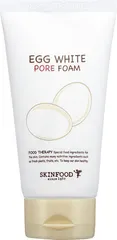
A pore-refining cleanser with egg white extract that deep-cleanses pores.
Source: Skinfood
This product works by removing dirt and oil from the surface of the skin. It uses a combination of mild cleansing agents (cetearyl olivate, cocamidopropyl betaine, hydrogenated lecithin, lauric acid, myristic acid, sorbitan olivate, stearic acid, xanthan gum) and should be able to cleanse the skin gently. Still keep in mind that any cleansing can disrupt the skin barrier, and most people do not need to cleanse their skin more than once per day.
Even though this formulation is mild, the following cleansing agents could trigger an irritation or allergy for some people: cocamidopropyl betaine
Helps oil and water mix together
Helps water and oil mix together. Used as a cleansing ingredient. Could be an allergen
Helps to retain moisture by creating a protective barrier on the skin. Rich in fatty acids. Improves product texture and helps with the penetration of other ingredients.
Helps water and oil mix together. Has anti-bacterial properties that might be helpful in preventing blemishes
Helps oil and water mix together. Could be comedogenic
Helps oil and water mix together
Helps oil and water mix together and works as an emollient
Used to create a thicker product consistency
How honest is this product?
| Promise | Can it deliver? |
|---|---|
| Cleansing |
Total Promises Fulfilled score: 100/100.
We receive a small commission for purchases made through these links at no cost for you. Thank you for your support! Learn more
Potential irritants
Comedogenic ingredients
User reviews (0)
Averages from community submissions.
No reviews yet for this product.
Be the first to share your experience!
Tried this product?
Help capture what the ingredient list can't—texture, finish, pilling, scent, and more. Answer what you can, skip the rest.
Takes ~30 seconds.
Reviews are shown in aggregate. No personal details.
| Product | Similarity | Price | Irritancy |
|---|---|---|---|
 Skinfood Egg White Pore Foam | Current | ≈ $14.28 | |
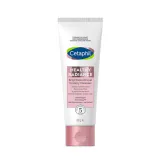 Cetaphil Brightness Creamy Cleanser Niacinamide | 28% | ≈ $21.38 | |
 Kenkou Corporation Face Wash - 3 Types | 28% | $42.10 | |
 Clinique All About Clean™ Rinse-Off Foaming Cleanser | 28% | ≈ $9.29 | |
 PORELESS LABO Pore Foaming Gel | 28% | $37.90 | |
 La Roche-Posay Rosaliac Micellar Gel | 27% | ≈ $19.26 |
Key Actives
A plant extract that has been shown to be able to reduce inflammation in skin, support restoration of skin barrier function, as well as support collagen production. Contains active compounds called centelloids: asiaticoside, madecasosside, asiatic acid and madecassic acid. Might be helpful in preventing stretch marks. It can be itself be irritating though.
Might be helpful against blemishes, work as an anti-oxidant, reduce inflammation and improve skin's ability to hold on to moisture, but more research is needed to confirm its effectiveness when applied topically to human skin
A fatty acid derived from licorice. Works as an emollient and can help calm down inflammation
Helps water and oil mix together. Has anti-bacterial properties that might be helpful in preventing blemishes
A salt derived from licorice. Works as an emollient to soften the upper layer of the skin and can help calm down inflammation. Might be helpful for skin lightening
Helps oil and water mix together and works as an emollient
An amino-acid that helps to attract water to the upper layer of the skin and might help to lighten the skin, but solid evidence is lacking
An amino-acid that helps to attract water to the upper layer of the skin. In combination with other amino-acids, might help to reduce fine lines and wrinkles
An amino-acid that helps to attract water to the upper layer of the skin. In combination with other amino-acids, might help to reduce fine lines and wrinkles
An amino-acid that helps to attract water to the upper layer of the skin. In combination with other amino-acids, might help to reduce fine lines and wrinkles
An emollient that helps soften the upper layer of the skin. Might have some weak anti-oxidant properties
A silicone that helps to reduce water loss from the surface of the skin. Can temporarily "fill in" lines and wrinkles, absorb oil, and create a nice product finish
Helps oil and water mix together. Could be comedogenic
One of the best moisturizing ingredients. Naturally present in skin. It attracts water to the upper layer of the skin working as a humectant
Helps water and oil mix together. Used as a cleansing ingredient. Could be an allergen
A sugar that attracts water to the upper layer of the skin
Naturally present in skin and helps to attract water to its upper layer
Helps attract water to the upper layer of the skin and improves the product texture
Helps to attract water to the upper layer of the skin and can help restore the skin barrier function
An amino acid that is naturally present in skin and helps keep it hydrated. When used together with AHAs, it can reduce their irritating effect on the skin
An amino-acid that helps attract water to the upper layer of the skin
Used to create a thicker product consistency
A good moisturizing plant oil. Due to the high linoleic acid content, it helps soften the upper layer of the skin, reduce water loss and support skin barrier function
A phytosterol that can support skin's barrier function and help the skin stay hydrated
Helps to retain moisture by creating a protective barrier on the skin. Rich in fatty acids. Improves product texture and helps with the penetration of other ingredients.
Potential irritants
Helps water and oil mix together. Used as a cleansing ingredient. Could be an allergen
Plant extract that can have healing and anti-inflammatory properties. It is a potential allergen and can be irritating
A bark extract that might help clam down inflammation and neutralize free radicals , but evidence of effectiveness in skin is lacking
Can be drying and contribute to skin irritation. Used in formulars to dissolve other ingredients, create a thinner product consistency or for its antibacterial properties
Helps oil and water mix together and can enhance the penetration of other ingredients into the skin. It can be irritating
An aromatic blend of unspecified and possibly irritating ingredients
An emollient that helps soften the skin but is not effective for restoring its barrier function. Might be helpful to calm down inflammation
A plant extract that can help lighten the skin and calm down inflammation. Might be helpful in neutralizing free radicals
Helps oil and water mix together. Could be comedogenic
Helps water and oil mix together. Has anti-bacterial properties that might be helpful in preventing blemishes
An emollient that helps soften the upper layer of the skin. Might have some weak anti-oxidant properties
A plant extract that might help calm down inflammation in skin but evidence of effectiveness is lacking
A plant extract that has been shown to be able to reduce inflammation in skin, support restoration of skin barrier function, as well as support collagen production. Contains active compounds called centelloids: asiaticoside, madecasosside, asiatic acid and madecassic acid. Might be helpful in preventing stretch marks. It can be itself be irritating though.
An emollient that helps soften the skin. Might be somewhat helpful in evening the skin tone.
A fatty acid derived from licorice. Works as an emollient and can help calm down inflammation
Comedogenic ingredients
Helps oil and water mix together. Could be comedogenic
Helps water and oil mix together. Has anti-bacterial properties that might be helpful in preventing blemishes
All ingredients
An emollient that helps soften the skin but is not effective for restoring its barrier function. Might be helpful to calm down inflammation
A plant extract that can help lighten the skin and calm down inflammation. Might be helpful in neutralizing free radicals
Helps oil and water mix together. Could be comedogenic
One of the best moisturizing ingredients. Naturally present in skin. It attracts water to the upper layer of the skin working as a humectant
Helps water and oil mix together. Has anti-bacterial properties that might be helpful in preventing blemishes
Helps water and oil mix together. Used as a cleansing ingredient. Could be an allergen
An emollient that helps soften the skin but is not effective for restoring its barrier function. Might be helpful to calm down inflammation
Naturally present in skin and helps to attract water to its upper layer
Helps attract water to the upper layer of the skin and improves the product texture
Helps attract water to the upper layer of the skin and improves the product texture
Helps to attract water to the upper layer of the skin and can help restore the skin barrier function
An amino-acid that helps to attract water to the upper layer of the skin and might help to lighten the skin, but solid evidence is lacking
An amino-acid that helps to attract water to the upper layer of the skin. In combination with other amino-acids, might help to reduce fine lines and wrinkles
An amino-acid that helps to attract water to the upper layer of the skin. In combination with other amino-acids, might help to reduce fine lines and wrinkles
An amino acid that is naturally present in skin and helps keep it hydrated. When used together with AHAs, it can reduce their irritating effect on the skin
An amino-acid that helps to attract water to the upper layer of the skin. In combination with other amino-acids, might help to reduce fine lines and wrinkles
An amino-acid that helps attract water to the upper layer of the skin
A salt derived from licorice. Works as an emollient to soften the upper layer of the skin and can help calm down inflammation. Might be helpful for skin lightening
An emollient that helps soften the upper layer of the skin. Might have some weak anti-oxidant properties
A good moisturizing plant oil. Due to the high linoleic acid content, it helps soften the upper layer of the skin, reduce water loss and support skin barrier function
A plant extract that might help calm down inflammation in skin but evidence of effectiveness is lacking
A phytosterol that can support skin's barrier function and help the skin stay hydrated
Pure form of vitamin E. Can help moisturise and protect the skin from free radicals. Often used to help stabilise other ingredients or the formula itself
Plant extract that can have healing and anti-inflammatory properties. It is a potential allergen and can be irritating
A plant extract that can help lighten the skin and calm down inflammation. Might be helpful in neutralizing free radicals
A plant extract that has been shown to be able to reduce inflammation in skin, support restoration of skin barrier function, as well as support collagen production. Contains active compounds called centelloids: asiaticoside, madecasosside, asiatic acid and madecassic acid. Might be helpful in preventing stretch marks. It can be itself be irritating though.
An emollient that helps soften the skin. Might be somewhat helpful in evening the skin tone.
Used to create a nice product texture and help delivery of other ingredients. Might be somewhat helpful in attracting water to the upper layer of the skin
A bark extract that might help clam down inflammation and neutralize free radicals , but evidence of effectiveness in skin is lacking
Might be helpful against blemishes, work as an anti-oxidant, reduce inflammation and improve skin's ability to hold on to moisture, but more research is needed to confirm its effectiveness when applied topically to human skin
Can be drying and contribute to skin irritation. Used in formulars to dissolve other ingredients, create a thinner product consistency or for its antibacterial properties
Helps to retain moisture by creating a protective barrier on the skin. Rich in fatty acids. Improves product texture and helps with the penetration of other ingredients.
A fatty acid derived from licorice. Works as an emollient and can help calm down inflammation
A silicone that helps to reduce water loss from the surface of the skin. Can temporarily "fill in" lines and wrinkles, absorb oil, and create a nice product finish
Helps oil and water mix together and can enhance the penetration of other ingredients into the skin. It can be irritating
An aromatic blend of unspecified and possibly irritating ingredients
Ingredient list view
Egg, Unknown, Olea europaea fruit oil, Glycyrrhiza glabra root extract, Water, Myristic acid, Glycerin, Stearic acid, Potassium hydroxide, Lauric acid, Cocamidopropyl betaine, Olea europaea fruit oil, Albumen extract, Cetearyl olivate, Sorbitan olivate, Trehalose, Sodium pca, Betaine, Sorbitol, Glycine, Alanine, Proline, Serine, Threonine, Arginine, Lysine, Glutamic acid, Dipotassium glycyrrhizate, Disodium edta, Xanthan gum, Argania spinosa kernel oil, Sesamum indicum seed oil, Serenoa serrulata fruit extract, Beta-sitosterol, Tocopherol, Chamomilla recutita flower extract, Glycyrrhiza glabra root extract, Centella asiatica extract, Glycine soja seed extract, Butylene glycol, Enantia chlorantha bark extract, Oleanolic acid, Alcohol, Hydrogenated lecithin, Stearyl glycyrrhetinate, Dimethicone, Propylene glycol, Parfum
- Use of “natural” oils for moisturization: Review of olive, coconut, and sunflower seed oil
- The fatty acid profile of the skin surface lipid layer in papulopustular rosacea
- Glycerol and the skin: holistic approach to its origin and functions
- Effect of Topical Application of Glycine and Proline on Recalcitrant Leg Ulcers of Prolidase Deficiency
- Functional glycine receptor in cultured human keratinocytes
- Combination of amino acids reduces pigmentation in B16F0 melanoma cells
- Topical palmitoyl pentapeptide provides improvement in photoaged human facial skin
- Ameliorating effect of dipotassium glycyrrhizinate on an IL-4- and IL-13-induced atopic dermatitis-like skin-equivalent model
- Final report on the safety assessment of Glycyrrhetinic Acid, Potassium Glycyrrhetinate, Disodium Succinoyl Glycyrrhetinate, Glyceryl Glycyrrhetinate, Glycyrrhetinyl Stearate, Stearyl Glycyrrhetinate, Glycyrrhizic Acid, Ammonium Glycyrrhizate, Dipotassium Glycyrrhizate, Disodium Glycyrrhizate, Trisodium Glycyrrhizate, Methyl Glycyrrhizate, and Potassium Glycyrrhizinate.
- Natural vegetable fats in the prevention of irritant contact dermatitis
- Protein and oil composition of sesame seeds (Sesamum indicum, L.) grown in the Gizan area of Saudi Arabia
- Triglyceride composition of Sesamum indicum seed oil
- Seed oil content and fatty acid composition in East African sesame (Sesamum indicum L.) accessions evaluated over 3 years
- Saw palmetto extract: A dermatologist's perspective
- Safety Assessment of Phytosterols as Used in Cosmetics
- The Ameliorative Effect of β-sitosterol on DNCB-induced Atopic Dermatitis in Mice
- Vitamin E in dermatology
- Vitamin E and Skin Health
- Anti-Inflammatory Effect of Titrated Extract of Centella asiatica in Phthalic Anhydride-Induced Allergic Dermatitis Animal Model
- Centella asiatica in cosmetology
- Triterpene Composition and Bioactivities of Centella asiatica
- Asiaticoside induction for cell-cycle progression, proliferation and collagen synthesis in human dermal fibroblasts
- Assessment report on Centella asiatica (L.) Urban, herba
- Contact dermatitis due to Madecassol
- The Effects of a Standardized Extract of Centella asiatica on Postlaser Resurfacing Wound Healing on the Face: A Split-Face, Double-Blind, Randomized, Placebo-Controlled Trial
- Anti-oxidant, Histopathology and LD50 Evaluation of Ethanol Stem Bark Extract of Enantia chlorantha in Rodents
- Effectiveness of the formulation that containing oleanolic acid 3% on inhibition of 5-α reductase activity on skin of patients with acne
- The effect of ursolic and oleanolic acids on human skin fibroblast cells
- Dimethicone as a protective ingredient in topical medications
- Final Report on the Safety Assessment of Dimethicone Copolyol
- Surfactants and experimental irritant contact dermatitis
- Propylene Glycol
- Skin-sensitizing and irritant properties of propylene glycol