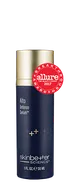
Skinbetter Science Alto Defense Serum FACE

Skinbetter Science Alto Defense Serum FACE

Efficacy50/100IrritancyMedium

Works for

Evens skin tone
Glycyrrhiza glabra root extract, Camellia sinensis leaf extract + 1 more
Not delivered
What the product description says
“Daily antioxidant protection and improvement of the appearance of uneven tone and redness.”
Source: Skinbetter

This product contains ingredients (glycyrrhiza glabra root extract) that could help reduce hyperpigmentation (for example, post-acne marks or age spots) in theory, but there is not enough evidence that they actually work.

Glycyrrhiza glabra root extractEffect: LowA plant extract that can help lighten the skin and calm down inflammation. Might be helpful in neutralizing free radicals~0.55–0.8%
Camellia sinensis leaf extractEffect: LowCan contain potent anti-oxidant compounds (abbreviated ECG, GCG, EGC, and EGCG) that might help protect the skin from free radicals. Can help calm down inflammation and has some anti-bacterial properties. Unfortunately, these antioxidants are unstable and lose their effectiveness very quickly in products. The concentration of the antioxidant compounds in the extract also tends to be low to be effective in topical formulation~0.3–0.55%
Tetrahexyldecyl ascorbateUnder-dosedBeing a lipid soluble form of vitamin C, it is more stable than ascorbic acid, but still degrades quickly and needs to be stabilized in a formulation with another ingredient. It is claimed to penetrate skin better than pure vitamin C and have the the similar benefits, but solid studies of its effectiveness are lacking. Is likely to require a higher concentration in a product than pure vitamin C to be effective. It might be able to help reduce pore clogging.~0.5–0.75%
Moisturizing
Side benefit · Linoleic acid, Phytosphingosine + 27 more
Works well

This product can help improve hydration of the skin with the two types of ingredients.

The first type is called “humectants”:
these ingredients help attract water. When humectants are on the surface of the skin, they “pull in” the moisture from the outside environment, or from within deeper layers of the skin. The following ingredients in this product do the job: carnosine, dextran.

This product also contains ingredients called “occlusives”. They help reduce the speed with which our skin loses moisture to the outside environment. These ingredients also help soften the upper layer of the skin, so it feels less tight and nicer to the touch. The following ingredients in this product do the job: cholesterol, helianthus annuus seed wax.

The following ingredients in this product are especially good for supporting the skin barrier and helping with the hydration level: ceramide ap, ceramide eop, ceramide np, linoleic acid, phytosphingosine, trifluoroacetyl tripeptide-2

Linoleic acidHero· EmollientEffect: HighAn excellent emollient. Helps soften the skin, restore its barrier function, and can help to calm down inflammation. It can be helpful to prevent blemishes and clogged pores~0.3–0.5%
PhytosphingosineHero· EmollientEffect: HighA type of lipid that is naturally present in skin. It might help in repairing skin barrier function and has anti-bacterial effect~0.25–0.45%
Ceramide apHero· EmollientEffect: HighA type of lipid similar to ceramides naturally present in skin. Helps to soften the upper layer of the skin and supports the skin barrier function to keep it hydrated. Can help to prevent inflammation in skin~0.2–0.35%
Ceramide eopHero· EmollientEffect: HighA type of lipid similar to ceramides naturally present in skin. Helps to soften the upper layer of the skin and supports the skin barrier function to keep it hydrated. Can help to prevent inflammation in skin~0.2–0.35%
Ceramide npHero· EmollientEffect: HighA type of lipid similar to ceramides naturally present in skin. Helps to soften the upper layer of the skin and supports the skin barrier function to keep it hydrated. Can help to prevent inflammation in skin~0.2–0.35%
Trifluoroacetyl tripeptide-2HeroEffect: HighA type of peptide. Peptides are excellent moisturizers and might be able support collagen production reducing fine lines and wrinkles~0.15–0.3%
Ethylhexyl olivateKey activeEffect: HighHelps soften the upper layer of the skin~3–3.6%
Cetearyl alcoholKey active· EmollientEffect: MediumA non-drying alcohol. Works as an emollient. Helps water and oil mix together and creates a nice product texture~2.2–2.7%
Hydrolyzed sodium hyaluronateKey activeEffect: HighAttracts water into the upper layer of the skin~1.4–1.8%
GlycerinKey active· HumectantEffect: HighOne of the best moisturizing ingredients. Naturally present in skin. It attracts water to the upper layer of the skin working as a humectant~0.25–0.45%
Jojoba estersKey active· EmollientEffect: HighAn emollient made of jojoba oil. Helps soften the skin and support its barrier function~0.25–0.45%
Helianthus annuus seed waxKey active· EmollientEffect: HighHelps soften the upper layer of the skin and support skin's barrier function while creating a thicker product consistency~0.25–0.45%
CarnosineKey active· HumectantEffect: HighA type of peptide. It attracts water to the upper layer of the skin. It can help neutralize free radicals in skin combatting the sun damage~0.25–0.5%
CholesterolKey active· EmollientEffect: HighAn emollient that is naturally found in skin~0.25–0.45%
Linolenic acidKey active· EmollientEffect: HighAn emollient that helps soften the skin and calm down inflammation~0.25–0.45%
Diisostearyl malateKey active· EmollientEffect: MediumHelps to soften the upper layer of the skin~0.25–0.45%
Polyglycerin-3Key active· HumectantEffect: HighHelps to attract water to the upper layer of the skin~0.2–0.4%
Sodium pcaKey active· HumectantEffect: HighNaturally present in skin and helps to attract water to its upper layer~0.2–0.4%
Methyl gluceth-20Key active· HumectantEffect: MediumHelps attract water to the upper layer of the skin and soften it~0.2–0.4%
UbiquinoneKey activeEffect: HighCoenzyme Q10. It helps neutralize free radicals in skin, improves skin hydration and might be helpful agains fine lines and wrinkles. It can be an allergen~0.15–0.3%
DextranKey active· HumectantEffect: HighHelps attract water to the most upper layer of the skin. Derived from sugar~0.15–0.3%
Sea whip extractKey activeEffect: HighMight help neutrlize free radicals, calm down inflammation, and attract water to the upper layer of the skin~0.15–0.3%
Superoxide dismutaseKey activeEffect: HighAn antioxidant enzyme that is naturally present in skin. It can help support skin barrier function and reduce inflammation in skin. It is used in topical medications for inflammatory skin conditions including atopic dermatitis (eczema) and psoriasis. There are three types of natural Superoxide Dismutase in human skin. The compound used in topical treatments and cosmetics are mimics of typically one of these natural variants~0.15–0.3%
Butylene glycol· HumectantEffect: LowUsed to create a nice product texture and help delivery of other ingredients. Might be somewhat helpful in attracting water to the upper layer of the skin~5.4–6.5%
Camellia sinensis leaf extractEffect: LowCan contain potent anti-oxidant compounds (abbreviated ECG, GCG, EGC, and EGCG) that might help protect the skin from free radicals. Can help calm down inflammation and has some anti-bacterial properties. Unfortunately, these antioxidants are unstable and lose their effectiveness very quickly in products. The concentration of the antioxidant compounds in the extract also tends to be low to be effective in topical formulation~0.3–0.55%
Olea europaea fruit extract· EmollientEffect: LowAn emollient that helps soften the skin but is not effective for restoring its barrier function. Might be helpful to calm down inflammation~0.25–0.45%
Pentylene glycol· EmollientEffect: LowUsed to preserve products, dissolve other ingredients and create a nice product texture~0.25–0.45%
LecithinEffect: Low, below effective doseUsed mostly for creating emulsions - helping oil and water mix together. Helps soften the upper layer of the skin~0.25–0.45%
TocopherolEffect: Low, below effective dosePure form of vitamin E. Can help moisturise and protect the skin from free radicals. Often used to help stabilise other ingredients or the formula itself~0.2–0.4%
Anti-oxidation
Side benefit · Vitis vinifera seed extract, Camellia sinensis leaf extract + 13 more
Works well

This product contains antioxidants (carnosine, superoxide dismutase, ubiquinone, vitis vinifera seed extract) that can help neutralize free radicals in skin. By doing so, they can lessen the damage the skin gets from the UV light (sun).

The following ingredients - camellia sinensis leaf extract also can have an antioxidant effect, but there is less evidence to confirm their effectiveness in skin.

Vitis vinifera seed extractKey activeEffect: HighA plant extract that contains resveratrol and other anti-oxidant compounds that can help neutralize free radicals, reduce inflammation in skin and even out its tone. Can be also used to stabilize the product formulation~0.3–0.55%
Camellia sinensis leaf extractKey activeEffect: MediumCan contain potent anti-oxidant compounds (abbreviated ECG, GCG, EGC, and EGCG) that might help protect the skin from free radicals. Can help calm down inflammation and has some anti-bacterial properties. Unfortunately, these antioxidants are unstable and lose their effectiveness very quickly in products. The concentration of the antioxidant compounds in the extract also tends to be low to be effective in topical formulation~0.3–0.55%
CarnosineKey activeEffect: HighA type of peptide. It attracts water to the upper layer of the skin. It can help neutralize free radicals in skin combatting the sun damage~0.25–0.5%
UbiquinoneKey activeEffect: HighCoenzyme Q10. It helps neutralize free radicals in skin, improves skin hydration and might be helpful agains fine lines and wrinkles. It can be an allergen~0.15–0.3%
Superoxide dismutaseKey activeEffect: HighAn antioxidant enzyme that is naturally present in skin. It can help support skin barrier function and reduce inflammation in skin. It is used in topical medications for inflammatory skin conditions including atopic dermatitis (eczema) and psoriasis. There are three types of natural Superoxide Dismutase in human skin. The compound used in topical treatments and cosmetics are mimics of typically one of these natural variants~0.15–0.3%
Glycyrrhiza glabra root extractEffect: LowA plant extract that can help lighten the skin and calm down inflammation. Might be helpful in neutralizing free radicals~0.55–0.8%
Buddleja officinalis flower extractEffect: LowA plant flower extract that might help calm down inflammation in skin and neutralize free radicals, but evidence of effectiveness in skin is lacking~0.3–0.55%
Euterpe oleracea fruit extractEffect: LowA plant extract that can have some anti-oxidant effect in skin~0.2–0.35%
Sea whip extractEffect: LowMight help neutrlize free radicals, calm down inflammation, and attract water to the upper layer of the skin~0.15–0.3%
Zingiber officinale root extractEffect: LowA plant extract that can contain an irritating essential oil. Might have some anti-oxidant effect, but evidence is lacking~0.1–0.15%
Tocopheryl acetateEffect: Low, below effective doseA more stable but less bio-available form of vitamin E compared to Tocopherol. Might help moisturize and protect the skin from free radicals, but mostly used in low concentrations to stabilize other ingredients.~0.2–0.4%
BisabololEffect: Low, below effective doseAn active component of chamomile plant that historically has been used to calm down irritated skin. A recent study shows that bisabolol indeed can have some anti-inflammatory effect on skin, even though conclusive data is lacking. Bisabolol has a sweet floral scent and can be added to products for its aromatic properties~0.15–0.3%
Tetrahexyldecyl ascorbateUnder-dosedBeing a lipid soluble form of vitamin C, it is more stable than ascorbic acid, but still degrades quickly and needs to be stabilized in a formulation with another ingredient. It is claimed to penetrate skin better than pure vitamin C and have the the similar benefits, but solid studies of its effectiveness are lacking. Is likely to require a higher concentration in a product than pure vitamin C to be effective. It might be able to help reduce pore clogging.~0.5–0.75%
ErgothioneineUnder-dosedCan help neutralize free radicals in skin. Preliminary studies show that it can be more effective than coenzyme Q10 but studies on effective concentration for topical applications are lacking~0.4–0.65%
TocopherolUnder-dosedPure form of vitamin E. Can help moisturise and protect the skin from free radicals. Often used to help stabilise other ingredients or the formula itself~0.2–0.4%
Anti-aging
Side benefit · Arabidopsis thaliana extract, Vitis vinifera seed extract + 6 more
May help

This product contains arabidopsis thaliana extract, carnosine, trifluoroacetyl tripeptide-2, vitis vinifera seed extract. These ingredients might be able to help reduce and prevent fine lines and wrinkles, improve skin elasticity and firmness, but there is not enough evidence that it actually works.

Arabidopsis thaliana extractKey activeEffect: MediumPlant extract that might be helpful in repairing sun damage but evidence of effectiveness in skin are lacking~0.3–0.55%
Vitis vinifera seed extractKey activeEffect: MediumA plant extract that contains resveratrol and other anti-oxidant compounds that can help neutralize free radicals, reduce inflammation in skin and even out its tone. Can be also used to stabilize the product formulation~0.3–0.55%
CarnosineKey activeEffect: MediumA type of peptide. It attracts water to the upper layer of the skin. It can help neutralize free radicals in skin combatting the sun damage~0.25–0.5%
Trifluoroacetyl tripeptide-2Key activeEffect: MediumA type of peptide. Peptides are excellent moisturizers and might be able support collagen production reducing fine lines and wrinkles~0.15–0.3%
Camellia sinensis leaf extractEffect: LowCan contain potent anti-oxidant compounds (abbreviated ECG, GCG, EGC, and EGCG) that might help protect the skin from free radicals. Can help calm down inflammation and has some anti-bacterial properties. Unfortunately, these antioxidants are unstable and lose their effectiveness very quickly in products. The concentration of the antioxidant compounds in the extract also tends to be low to be effective in topical formulation~0.3–0.55%
UbiquinoneEffect: LowCoenzyme Q10. It helps neutralize free radicals in skin, improves skin hydration and might be helpful agains fine lines and wrinkles. It can be an allergen~0.15–0.3%
TocopherolEffect: Low, below effective dosePure form of vitamin E. Can help moisturise and protect the skin from free radicals. Often used to help stabilise other ingredients or the formula itself~0.2–0.4%
Tetrahexyldecyl ascorbateUnder-dosedBeing a lipid soluble form of vitamin C, it is more stable than ascorbic acid, but still degrades quickly and needs to be stabilized in a formulation with another ingredient. It is claimed to penetrate skin better than pure vitamin C and have the the similar benefits, but solid studies of its effectiveness are lacking. Is likely to require a higher concentration in a product than pure vitamin C to be effective. It might be able to help reduce pore clogging.~0.5–0.75%

Can it cause trouble?

Irritancy
1 strong irritant: Zingiber officinale root extract
Medium risk
We flagged 18 ingredients with irritancy potential. Severity depends on your sensitivity threshold; the table lists the worst offenders first.
IngredientFunctionIrritationEst. amount
Curcuma longa root extractA plant extract that can contain an active compound curcumin, that may have some anti-inflammatory properties when applied to the skin, but solid research is lacking and the typical concentration used in skincare products is too low. Can be an irritantHigh~0.2–0.35%est.
Buddleja officinalis flower extractA plant flower extract that might help calm down inflammation in skin and neutralize free radicals, but evidence of effectiveness in skin is lackingHigh~0.3–0.55%est.
Zingiber officinale root extractA plant extract that can contain an irritating essential oil. Might have some anti-oxidant effect, but evidence is lackingHigh~0.1–0.15%est.
Acacia decurrens flower waxUsed as a fragrance. Can be irritatingHigh~0.2–0.4%est.
Glycyrrhiza glabra root extractA plant extract that can help lighten the skin and calm down inflammation. Might be helpful in neutralizing free radicalsMedium~0.55–0.8%est.
Tetrahexyldecyl ascorbateBeing a lipid soluble form of vitamin C, it is more stable than ascorbic acid, but still degrades quickly and needs to be stabilized in a formulation with another ingredient. It is claimed to penetrate skin better than pure vitamin C and have the the similar benefits, but solid studies of its effectiveness are lacking. Is likely to require a higher concentration in a product than pure vitamin C to be effective. It might be able to help reduce pore clogging.Medium~0.5–0.75%est.
Arabidopsis thaliana extractPlant extract that might be helpful in repairing sun damage but evidence of effectiveness in skin are lackingMedium~0.3–0.55%est.
Euterpe oleracea fruit extractA plant extract that can have some anti-oxidant effect in skinMedium~0.2–0.35%est.
Linolenic acidAn emollient that helps soften the skin and calm down inflammationMedium~0.25–0.45%est.
Tocopheryl acetateA more stable but less bio-available form of vitamin E compared to Tocopherol. Might help moisturize and protect the skin from free radicals, but mostly used in low concentrations to stabilize other ingredients.Medium~0.2–0.4%est.
Jojoba estersAn emollient made of jojoba oil. Helps soften the skin and support its barrier functionMedium~0.25–0.45%est.
Pentylene glycolUsed to preserve products, dissolve other ingredients and create a nice product textureMedium~0.25–0.45%est.
Sodium lauroyl lactylateHelps water and oil mix togetherMedium~0.2–0.4%est.
Diisostearyl malateHelps to soften the upper layer of the skinMedium~0.25–0.45%est.
Acrylates/c10-30 alkyl acrylate crosspolymerMaintains the texture of skincare products. Allows the product to spread evenly. Helps oil and water mix togetherMedium~0.2–0.35%est.
Citric acidCan work as an exfoliant but is typically used to adjust the product pHMedium~0.15–0.3%est.
Disodium edtaStabilizes the product formulationMedium~0.15–0.25%est.
EthylhexylglycerinA preservativeMedium~0.1–0.15%est.
Comedogenic
2 ingredients rated 2 or more on the 0–5 pore-clogging scale
2 flagged
These ingredients have a comedogenic rating of 2 or more on a 0–5 scale; the table shows each one's rating. In leave-on products they can clog pores in acne-prone skin.
IngredientFunctionRatingEst. amount
Theobroma cacao seed extract—3/5~0.25–0.45%est.
Cetearyl alcoholA non-drying alcohol. Works as an emollient. Helps water and oil mix together and creates a nice product texture2/5~2.2–2.7%est.

User reviews

Would you recommend?
No community reviews yet.

Be the first — your take helps the next person decide.

Ingredients

Filter by role to see what each ingredient is doing.

Water~45–55%
Formula
Irritation risk
Low

Plain old water

More about Water
Butylene glycol~5.4–6.5%
Formula
Irritation risk
Low
Works for
Moisturizing

Used to create a nice product texture and help delivery of other ingredients. Might be somewhat helpful in attracting water to the upper layer of the skin

More about Butylene glycol
Propanediol~3.8–4.6%
Formula
Irritation risk
Low

Acts as a solvent for other ingredients. Speeds up the absorption of other ingredients into the skin

More about Propanediol
Ethylhexyl olivate~3–3.6%
Key active
Irritation risk
Low
Works for
Moisturizing

Helps soften the upper layer of the skin

More about Ethylhexyl olivate
Cetearyl alcohol~2.2–2.7%
Key activeComedogenic 2/5
Irritation risk
Low
Comedogenicity
2/5
Works for
CleansingMoisturizing

A non-drying alcohol. Works as an emollient. Helps water and oil mix together and creates a nice product texture

More about Cetearyl alcohol
Chlorogenic acids~1.7–2%
Formula
Hydrolyzed sodium hyaluronate~1.4–1.8%
Key active
Irritation risk
Low
Works for
Moisturizing

Attracts water into the upper layer of the skin

More about Hydrolyzed sodium hyaluronate
Lauryl lactate~1.2–1.5%
Formula
Irritation risk
Low
More about Lauryl lactate
Dimethyl isosorbide~0.95–1.15%
Formula
Irritation risk
Low

Used to dissolve other ingredients in a product and can enhance their ability to penetrate the skin

More about Dimethyl isosorbide
Glycyrrhiza glabra root extract~0.55–0.8%
Irritant · medium
Irritation risk
Medium
Works for
Reduces rednessEvens skin toneAnti-oxidationAnti-inflammatoryAntibacterial

A plant extract that can help lighten the skin and calm down inflammation. Might be helpful in neutralizing free radicals

More about Glycyrrhiza glabra root extract
Tetrahexyldecyl ascorbate~0.5–0.75%
Under-dosedIrritant · medium
Irritation risk
Medium
Works for
Anti-oxidationEvens skin toneAnti-aging

Being a lipid soluble form of vitamin C, it is more stable than ascorbic acid, but still degrades quickly and needs to be stabilized in a formulation with another ingredient. It is claimed to penetrate skin better than pure vitamin C and have the the similar benefits, but solid studies of its effectiveness are lacking. Is likely to require a higher concentration in a product than pure vitamin C to be effective. It might be able to help reduce pore clogging.

More about Tetrahexyldecyl ascorbate
Ergothioneine~0.4–0.65%
Under-dosed
Irritation risk
Low
Works for
Anti-oxidation

Can help neutralize free radicals in skin. Preliminary studies show that it can be more effective than coenzyme Q10 but studies on effective concentration for topical applications are lacking

More about Ergothioneine
Benzylidene dimethoxydimethylindanone~0.4–0.6%
Formula
Arabidopsis thaliana extract~0.3–0.55%
Key activeIrritant · medium
Irritation risk
Medium
Works for
Anti-aging

Plant extract that might be helpful in repairing sun damage but evidence of effectiveness in skin are lacking

More about Arabidopsis thaliana extract
Carnosine~0.25–0.5%
Key active
Irritation risk
Low
Works for
Anti-oxidationMoisturizingAnti-aging

A type of peptide. It attracts water to the upper layer of the skin. It can help neutralize free radicals in skin combatting the sun damage

More about Carnosine
Camellia sinensis leaf extract~0.3–0.55%
Key active
Irritation risk
Low
Works for
Anti-oxidationAntibacterialAnti-agingEvens skin toneAnti-blemishMoisturizing

Can contain potent anti-oxidant compounds (abbreviated ECG, GCG, EGC, and EGCG) that might help protect the skin from free radicals. Can help calm down inflammation and has some anti-bacterial properties. Unfortunately, these antioxidants are unstable and lose their effectiveness very quickly in products. The concentration of the antioxidant compounds in the extract also tends to be low to be effective in topical formulation

More about Camellia sinensis leaf extract
Vitis vinifera seed extract~0.3–0.55%
Key active
Irritation risk
Low
Works for
Anti-oxidationAnti-agingAnti-inflammatoryAntibacterial

A plant extract that contains resveratrol and other anti-oxidant compounds that can help neutralize free radicals, reduce inflammation in skin and even out its tone. Can be also used to stabilize the product formulation

More about Vitis vinifera seed extract
Theobroma cacao seed extract~0.25–0.45%
Comedogenic 3/5
Irritation risk
Low
Comedogenicity
3/5
More about Theobroma cacao seed extract
Curcuma longa root extract~0.2–0.35%
Irritant · high
Irritation risk
High
Works for
Anti-inflammatory

A plant extract that can contain an active compound curcumin, that may have some anti-inflammatory properties when applied to the skin, but solid research is lacking and the typical concentration used in skincare products is too low. Can be an irritant

More about Curcuma longa root extract
Olea europaea fruit extract~0.25–0.45%
Formula
Irritation risk
Low
Works for
Moisturizing

An emollient that helps soften the skin but is not effective for restoring its barrier function. Might be helpful to calm down inflammation

More about Olea europaea fruit extract
Euterpe oleracea fruit extract~0.2–0.35%
Irritant · medium
Irritation risk
Medium
Works for
Anti-oxidation

A plant extract that can have some anti-oxidant effect in skin

More about Euterpe oleracea fruit extract
Trifluoroacetyl tripeptide-2~0.15–0.3%
Hero · Moisturizing
Irritation risk
Low
Works for
MoisturizingAnti-aging

A type of peptide. Peptides are excellent moisturizers and might be able support collagen production reducing fine lines and wrinkles

More about Trifluoroacetyl tripeptide-2
Buddleja officinalis flower extract~0.3–0.55%
Irritant · high
Irritation risk
High
Works for
Anti-inflammatoryAntibacterialAnti-oxidation

A plant flower extract that might help calm down inflammation in skin and neutralize free radicals, but evidence of effectiveness in skin is lacking

More about Buddleja officinalis flower extract
Coffea arabica leaf cell extract~0.15–0.3%
Formula
Crocus sativus leaf cell culture extract~0.15–0.3%
Formula
Superoxide dismutase~0.15–0.3%
Key active
Irritation risk
Low
Works for
Anti-inflammatoryMoisturizingAnti-oxidation

An antioxidant enzyme that is naturally present in skin. It can help support skin barrier function and reduce inflammation in skin. It is used in topical medications for inflammatory skin conditions including atopic dermatitis (eczema) and psoriasis. There are three types of natural Superoxide Dismutase in human skin. The compound used in topical treatments and cosmetics are mimics of typically one of these natural variants

More about Superoxide dismutase
Ubiquinone~0.15–0.3%
Key active
Irritation risk
Low
Works for
Anti-oxidationMoisturizingAnti-aging

Coenzyme Q10. It helps neutralize free radicals in skin, improves skin hydration and might be helpful agains fine lines and wrinkles. It can be an allergen

More about Ubiquinone
Zingiber officinale root extract~0.1–0.15%
Irritant · high
Irritation risk
High
Works for
Anti-oxidation

A plant extract that can contain an irritating essential oil. Might have some anti-oxidant effect, but evidence is lacking

More about Zingiber officinale root extract
Ceramide np~0.2–0.35%
Hero · Moisturizing
Irritation risk
Low
Works for
MoisturizingAnti-inflammatoryReduces irritation

A type of lipid similar to ceramides naturally present in skin. Helps to soften the upper layer of the skin and supports the skin barrier function to keep it hydrated. Can help to prevent inflammation in skin

More about Ceramide np
Ceramide ap~0.2–0.35%
Hero · Moisturizing
Irritation risk
Low
Works for
MoisturizingReduces irritationAnti-inflammatory

A type of lipid similar to ceramides naturally present in skin. Helps to soften the upper layer of the skin and supports the skin barrier function to keep it hydrated. Can help to prevent inflammation in skin

More about Ceramide ap
Ceramide eop~0.2–0.35%
Hero · Moisturizing
Irritation risk
Low
Works for
MoisturizingReduces irritationAnti-inflammatory

A type of lipid similar to ceramides naturally present in skin. Helps to soften the upper layer of the skin and supports the skin barrier function to keep it hydrated. Can help to prevent inflammation in skin

More about Ceramide eop
Linoleic acid~0.3–0.5%
Hero · Moisturizing
Irritation risk
Low
Works for
CleansingMoisturizingAnti-blemish

An excellent emollient. Helps soften the skin, restore its barrier function, and can help to calm down inflammation. It can be helpful to prevent blemishes and clogged pores

More about Linoleic acid
Linolenic acid~0.25–0.45%
Key activeIrritant · medium
Irritation risk
Medium
Works for
MoisturizingCleansingReduces irritationAnti-inflammatory

An emollient that helps soften the skin and calm down inflammation

More about Linolenic acid
Sea whip extract~0.15–0.3%
Key active
Irritation risk
Low
Works for
MoisturizingAnti-oxidationAnti-inflammatory

Might help neutrlize free radicals, calm down inflammation, and attract water to the upper layer of the skin

More about Sea whip extract
Bisabolol~0.15–0.3%
Formula
Irritation risk
Low
Works for
Anti-inflammatoryReduces irritationAnti-oxidation

An active component of chamomile plant that historically has been used to calm down irritated skin. A recent study shows that bisabolol indeed can have some anti-inflammatory effect on skin, even though conclusive data is lacking. Bisabolol has a sweet floral scent and can be added to products for its aromatic properties

More about Bisabolol
Tocopherol~0.2–0.4%
Under-dosed
Irritation risk
Low
Works for
Anti-oxidationMoisturizingAnti-inflammatoryAnti-aging

Pure form of vitamin E. Can help moisturise and protect the skin from free radicals. Often used to help stabilise other ingredients or the formula itself

More about Tocopherol
Tocopheryl acetate~0.2–0.4%
Irritant · medium
Irritation risk
Medium
Works for
Anti-oxidation

A more stable but less bio-available form of vitamin E compared to Tocopherol. Might help moisturize and protect the skin from free radicals, but mostly used in low concentrations to stabilize other ingredients.

More about Tocopheryl acetate
Cholesterol~0.25–0.45%
Key active
Irritation risk
Low
Works for
CleansingMoisturizing

An emollient that is naturally found in skin

More about Cholesterol
Phytosphingosine~0.25–0.45%
Hero · Moisturizing
Irritation risk
Low
Works for
MoisturizingAnti-blemishAnti-inflammatory

A type of lipid that is naturally present in skin. It might help in repairing skin barrier function and has anti-bacterial effect

More about Phytosphingosine
Jojoba esters~0.25–0.45%
Key activeIrritant · medium
Irritation risk
Medium
Works for
Moisturizing

An emollient made of jojoba oil. Helps soften the skin and support its barrier function

More about Jojoba esters
Sodium pca~0.2–0.4%
Key active
Irritation risk
Low
Works for
Moisturizing

Naturally present in skin and helps to attract water to its upper layer

More about Sodium pca
Pentylene glycol~0.25–0.45%
Irritant · medium
Irritation risk
Medium
Works for
Moisturizing

Used to preserve products, dissolve other ingredients and create a nice product texture

More about Pentylene glycol
Methyl gluceth-20~0.2–0.4%
Key active
Irritation risk
Low
Works for
Moisturizing

Helps attract water to the upper layer of the skin and soften it

More about Methyl gluceth-20
Glycerin~0.25–0.45%
Key active
Irritation risk
Low
Works for
Moisturizing

One of the best moisturizing ingredients. Naturally present in skin. It attracts water to the upper layer of the skin working as a humectant

More about Glycerin
Helianthus annuus seed wax~0.25–0.45%
Key active
Irritation risk
Low
Works for
Moisturizing

Helps soften the upper layer of the skin and support skin's barrier function while creating a thicker product consistency

More about Helianthus annuus seed wax
Acacia decurrens flower wax~0.2–0.4%
Irritant · high
Irritation risk
High

Used as a fragrance. Can be irritating

More about Acacia decurrens flower wax
Lecithin~0.25–0.45%
Formula
Irritation risk
Low
Works for
CleansingMoisturizing

Used mostly for creating emulsions - helping oil and water mix together. Helps soften the upper layer of the skin

More about Lecithin
Sodium lauroyl lactylate~0.2–0.4%
Irritant · medium
Irritation risk
Medium
Works for
Cleansing

Helps water and oil mix together

More about Sodium lauroyl lactylate
Dicetyl phosphate~0.25–0.45%
Formula
Irritation risk
Low
Works for
Cleansing
More about Dicetyl phosphate
Propanediol dicaprylate/caprate~0.3–0.5%
Formula
Polyglycerin-3~0.2–0.4%
Key active
Irritation risk
Low
Works for
Moisturizing

Helps to attract water to the upper layer of the skin

More about Polyglycerin-3
Ceteth-20 phosphate~0.3–0.55%
Formula
Irritation risk
Low
Works for
Cleansing
More about Ceteth-20 phosphate
Diisostearyl malate~0.25–0.45%
Key activeIrritant · medium
Irritation risk
Medium
Works for
CleansingMoisturizing

Helps to soften the upper layer of the skin

More about Diisostearyl malate
Xanthan gum~0.2–0.4%
Formula
Irritation risk
Low
Works for
Cleansing

Used to create a thicker product consistency

More about Xanthan gum
Hydroxyethylcellulose~0.2–0.4%
Formula
Irritation risk
Low

Used to thicken product formulations and create gel-like textures

More about Hydroxyethylcellulose
Carbomer~0.2–0.35%
Formula
Irritation risk
Low
Works for
Cleansing

Helps create a thicker or gel-like product texture. It is not a surfactant but can be used in gentle cleansing formulations

More about Carbomer
Acrylates/c10-30 alkyl acrylate crosspolymer~0.2–0.35%
Irritant · medium
Irritation risk
Medium

Maintains the texture of skincare products. Allows the product to spread evenly. Helps oil and water mix together

More about Acrylates/c10-30 alkyl acrylate crosspolymer
Dextran~0.15–0.3%
Key active
Irritation risk
Low
Works for
Moisturizing

Helps attract water to the most upper layer of the skin. Derived from sugar

More about Dextran
Sodium hydroxide~0.15–0.3%
Formula
Irritation risk
Low

Used to adjust the product's pH

More about Sodium hydroxide
Citric acid~0.15–0.3%
Irritant · medium
Irritation risk
Medium

Can work as an exfoliant but is typically used to adjust the product pH

More about Citric acid
Disodium edta~0.15–0.25%
Irritant · medium
Irritation risk
Medium

Stabilizes the product formulation

More about Disodium edta
Ethylhexylglycerin~0.1–0.15%
Irritant · medium
Irritation risk
Medium

A preservative

More about Ethylhexylglycerin
Phenoxyethanol~0.15–0.25%
Formula
Irritation risk
Low

A preservative. It helps prevent bacterial growth in cosmetic products

More about Phenoxyethanol
Ingredient list view

Water, Butylene glycol, Propanediol, Ethylhexyl olivate, Cetearyl alcohol, Chlorogenic acids, Hydrolyzed sodium hyaluronate, Lauryl lactate, Dimethyl isosorbide, Glycyrrhiza glabra root extract, Tetrahexyldecyl ascorbate, Ergothioneine, Benzylidene dimethoxydimethylindanone, Arabidopsis thaliana extract, Carnosine, Camellia sinensis leaf extract, Vitis vinifera seed extract, Theobroma cacao seed extract, Curcuma longa root extract, Olea europaea fruit extract, Euterpe oleracea fruit extract, Trifluoroacetyl tripeptide-2, Buddleja officinalis flower extract, Coffea arabica leaf cell extract, Crocus sativus leaf cell culture extract, Superoxide dismutase, Ubiquinone, Zingiber officinale root extract, Ceramide np, Ceramide ap, Ceramide eop, Linoleic acid, Linolenic acid, Sea whip extract, Bisabolol, Tocopherol, Tocopheryl acetate, Cholesterol, Phytosphingosine, Jojoba esters, Sodium pca, Pentylene glycol, Methyl gluceth-20, Glycerin, Helianthus annuus seed wax, Acacia decurrens flower wax, Lecithin, Sodium lauroyl lactylate, Dicetyl phosphate, Propanediol dicaprylate/caprate, Polyglycerin-3, Ceteth-20 phosphate, Diisostearyl malate, Xanthan gum, Hydroxyethylcellulose, Carbomer, Acrylates/c10-30 alkyl acrylate crosspolymer, Dextran, Sodium hydroxide, Citric acid, Disodium edta, Ethylhexylglycerin, Phenoxyethanol

Compare prices

Retailers ranked by price — lowest first.

No pricing data available yet for this product.

Worth comparing, line by line.

Match % combines shared ingredients, the first five ingredients, shared actives and hero ingredients, irritancy (lower counts in the alternative's favour), texture and body area. Only products in the same routine step are compared.

Side-by-side comparison of this product against its closest alternatives
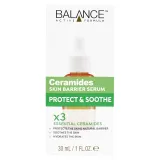
Skinbetter ScienceAlto Defense Serum FACEYOUR PRODUCTSkin betterAlto Defense SerumBalance Active FormulaCeramides Skin Barrier SerumPriceline5 Ceramide Complex Intense Hydration Serum
Match—66%48%47%
Price——$6.69$10.36
Shared key ingredients—27 of 276 of 277 of 27
Key difference——Sodium HyaluronateCeramide As
Irritancy Medium Medium Low Low
Drying alcohol————
View product Shop Shop Shop

More alternatives: CeraVe Hyaluronic Acid Moisturizing SerumAlpha-H Vitamin E Serum with Macadamia

Cheaper alternatives? Browse formulas in the same category.
We compare ingredient profiles across our catalog — pick the closest match for your budget.
Open dupe finder

Product summary

"Skinbetter Science - Alto Defense Serum™ FACE" is effective for: Evens skin tone, Moisturizing, Anti-blemish, Anti-inflammatory and Anti-aging

Ingredient callouts

  • Ceramides (phytosphingosine 0.25% - 0.45%, ceramide eop 0.20% - 0.35%, ceramide ap 0.15% - 0.25% and ceramide np 0.20% - 0.35%). Ceramides are a type of lipids that our skin produces itself. They are a building block of the skin's barrier. Ceramides used in skincare are synthetic or extracted from plants. They work well for softening the skin surface and "patch holes" in the skin's barrier.
  • Peptides (trifluoroacetyl tripeptide-2 0.15% - 0.25%). Peptides are a very big group of ingredients. They all consist of a different combination of aminoacids. Our skin produces Peptides naturally. Some of them work as natural antibiotics, promote wound-healing and production of collagen. The scientists are still studying how effective the topical application of Peptides is, but it is very likely that theynare helpful. Peptides might be able to support skin barrier restoration and even have an anti-aging benefit. At the very least, they certainly help attract water to the skin and support the hydration in this way.
  • Humectants (dextran 0.20% - 0.35%, polyglycerin-3 0.20% - 0.40%, glycerin 0.25% - 0.45%, sodium pca 0.20% - 0.40%, arginine 0.15% - 0.25% and carnosine 0.20% - 0.40%). These ingredients help attract water to the upper layer of the skin and improve the skin hydration.

Price

The product retails for 220.00CA$ in Canada and for 185.00$ in the United States.

For a detailed price comparison: click here.

Sources cited in this review

Every concentration estimate and effectiveness label is anchored to one of these 36 studies and safety reviews.

  1. 1
  2. 2
  3. 3
  4. 4
  5. 5
  6. 6
Skinbetter Science Alto Defense Serum FACE
Skinbetter ScienceAlto Defense Serum FACE

Affiliate links · As an Amazon Associate, WIMJ earns from qualifying purchases.

As an Amazon Associate, WIMJ earns from qualifying purchases.