Works for
1 of 1 advertised claim delivered
MoisturizingBetaine, Erythritol + 15 moreGood evidence
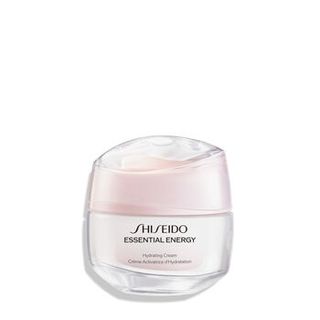
“Hydrating Cream”
This product can help improve hydration of the skin with the two types of ingredients.
The first type is called “humectants”:
these ingredients help attract water.
When humectants are on the surface of the skin, they “pull in” the moisture from the outside environment, or from
within deeper layers of the skin. The following ingredients in this product do the job:
betaine, erythritol.
This product also contains ingredients called “occlusives”. They help reduce the speed with which our skin loses moisture to the outside environment. These ingredients also help soften the upper layer of the skin, so it feels less tight and nicer to the touch. The following ingredients in this product do the job: dimethicone, phytosteryl/octyldodecyl lauroyl glutamate.
Can it cause trouble?
Irritancy8 strong irritants: Alcohol denat., Parfum + 6 more — patch-test recommendedHigh risk
Comedogenic2 ingredients rated 2 or more on the 0–5 pore-clogging scale2 flagged
User reviews
Be the first — your take helps the next person decide.
Ingredients
Filter by role to see what each ingredient is doing.
Water~45–55%
Dimethicone~5.6–6.9%
- Irritation risk
- Low
A silicone that helps to reduce water loss from the surface of the skin. Can temporarily "fill in" lines and wrinkles, absorb oil, and create a nice product finish
More about DimethiconeButylene glycol~4–4.8%
- Irritation risk
- Low
Used to create a nice product texture and help delivery of other ingredients. Might be somewhat helpful in attracting water to the upper layer of the skin
More about Butylene glycolAlcohol denat.~3.2–3.9%
- Irritation risk
- High
Produces temporary toning effect. Can help dissolve other ingredients or preserve products
More about Alcohol denat.Betaine~2.4–3%
- Irritation risk
- Low
Helps attract water to the upper layer of the skin and improves the product texture
More about BetaineGlycerin~2.1–2.5%
- Irritation risk
- Low
One of the best moisturizing ingredients. Naturally present in skin. It attracts water to the upper layer of the skin working as a humectant
More about GlycerinIsohexadecane~1.8–2.2%
- Irritation risk
- Low
Improves the texture of the product and helps soften the skin. Helps oil and water mix together and can be used as a cleansing agent
More about IsohexadecaneHydrogenated polydecene~1.4–1.7%
- Irritation risk
- Low
Helps to soften the upper layer of the skin and create a nice product texture
More about Hydrogenated polydecenePpg-3 dipivalate~1.2–1.4%
Silica~1.2–1.4%
Behenyl alcohol~0.7–1.05%
- Irritation risk
- Low
Non-drying alcohol that helps water and oil mix together. Also serves as an emollient
More about Behenyl alcoholStearyl alcohol~0.6–0.9%
- Irritation risk
- Low
An emollient that helps soften the skin
More about Stearyl alcoholMyristyl myristate~0.5–0.75%
- Irritation risk
- Medium
- Comedogenicity
- 3/5
An emollient. Is not recommended for acne-prone skin as it can be comedogenic
More about Myristyl myristateGlyceryl stearate se~0.4–0.65%
- Irritation risk
- Low
- Comedogenicity
- 2/5
Used to stabilize the product formulations and works as an emollient
More about Glyceryl stearate sePolysorbate 60~0.35–0.65%
Peg-100 stearate~0.45–0.7%
- Irritation risk
- Low
Helps oil and water mix togehter and creates a nice product texture
More about Peg-100 stearatePeg/ppg-14/7 dimethyl ether~0.4–0.6%
- Irritation risk
- Low
An emollient that helps soften the skin. It also forms a protective on its surface to reduce water loss
More about Peg/ppg-14/7 dimethyl etherPeg/ppg-17/4 dimethyl ether~0.3–0.5%
Phenoxyethanol~0.3–0.5%
- Irritation risk
- Low
A preservative. It helps prevent bacterial growth in cosmetic products
More about PhenoxyethanolDimethylacrylamide/sodium acryloyldimethyltaurate crosspolymer~0.25–0.45%
- Irritation risk
- Low
Titanium dioxide~0.3–0.55%
- Irritation risk
- Low
Works as a UV filter when used in high concentrations. It is photostable and is effective mostly against the UVB light, with some protection in the UVA range. In small concentrations, used for its ability to improve the color of cosmetic products. Is usually well tolerated by the skin
More about Titanium dioxideSorbitan tristearate~0.25–0.45%
- Irritation risk
- Medium
Helps oil and water mix together
More about Sorbitan tristearateErythritol~0.2–0.35%
- Irritation risk
- Low
Helps to attract water to the upper layer of the skin
More about ErythritolParfum~0.15–0.3%
- Irritation risk
- High
An aromatic blend of unspecified and possibly irritating ingredients
More about ParfumAlcohol~0.2–0.35%
- Irritation risk
- High
Can be drying and contribute to skin irritation. Used in formulars to dissolve other ingredients, create a thinner product consistency or for its antibacterial properties
More about AlcoholAminopropyl dimethicone~0.2–0.35%
- Irritation risk
- Low
A type of silicone. Helps soften the upper layer of the skin and create a nice product texture
More about Aminopropyl dimethicone2-o-ethyl ascorbic acid~0.2–0.35%
- Irritation risk
- Low
Carbomer~0.2–0.35%
- Irritation risk
- Low
Helps create a thicker or gel-like product texture. It is not a surfactant but can be used in gentle cleansing formulations
More about CarbomerTrisodium edta~0.2–0.35%
Xanthan gum~0.2–0.35%
- Irritation risk
- Low
Used to create a thicker product consistency
More about Xanthan gumCaffeine~0.2–0.35%
- Irritation risk
- Medium
Might be helpful in neutralizing free radicals. Can have a dehydration effect that might somewhat decrease the look of puffy eyes
More about CaffeinePotassium hydroxide~0.2–0.35%
Isostearic acid~0.25–0.5%
- Irritation risk
- Low
Used to create a nice product texture
More about Isostearic acidSodium metaphosphate~0.2–0.35%
Phytosteryl/octyldodecyl lauroyl glutamate~0.25–0.45%
- Irritation risk
- Low
A mix of amino acids and plant-based lipids. Helps to soften the upper layer of the skin and reduce water loss over time
More about Phytosteryl/octyldodecyl lauroyl glutamateAluminum hydroxide~0.2–0.4%
- Irritation risk
- Low
Is used to add opaque (non-transparent) appearance to formulations. Can be used to coat other ingredients for even dispersion. This is a different ingredient compared to the ones used in antipersperants (aluminium chloride and aluminium chlorohydrate)
More about Aluminum hydroxideLinalool~0.15–0.3%
Tocopherol~0.2–0.35%
- Irritation risk
- Low
Pure form of vitamin E. Can help moisturise and protect the skin from free radicals. Often used to help stabilise other ingredients or the formula itself
More about TocopherolSodium metabisulfite~0.1–0.2%
Limonene~0.15–0.3%
- Irritation risk
- High
A common frangrance that can easily irritate skin, especially if exposed to air, light or heat
More about LimoneneCitrus unshiu peel extract~0.2–0.35%
- Irritation risk
- High
Sodium hyaluronate~0.2–0.35%
- Irritation risk
- Low
One of the best moisturizing ingredients. Attracts water into the upper layer of the skin
More about Sodium hyaluronateAngelica keiskei leaf/stem extract~0.2–0.35%
- Irritation risk
- High
A fragrant plant extract. Might have some anti-oxidant properties. Can be irritating
More about Angelica keiskei leaf/stem extractZiziphus jujuba fruit extract~0.2–0.35%
- Irritation risk
- Low
Panax ginseng root extract~0.2–0.4%
- Irritation risk
- High
A plant extract that might have some anti-inflammatory properties, but solid evidence is lacking. It can be irritating
More about Panax ginseng root extractSodium acetylated hyaluronate~0.15–0.3%
- Irritation risk
- Low
A type of hyaluronic acid that works as an excellent moisturizer by attracting water into the upper layer of the skin. Is typically feels less sticky on the skin compared to the usual hyaluronic acid
More about Sodium acetylated hyaluronateScutellaria baicalensis root extract~0.15–0.25%
- Irritation risk
- High
A plant extract that might contain a compound baicalin that could be helpful in neutralizing free radicals and reducing inflammation in skin. The baicalin concentration in skincare products is often too low for an effective action. Can be used for its fragrant properties
More about Scutellaria baicalensis root extractIron oxides~0.15–0.25%
- Irritation risk
- Low
An umbrella term for the following three colorants: CI 77491, CI 77492, CI 77499. They might be able to offer some protection against visible light, but the degree of the protection is not clear
More about Iron oxidesAlpinia speciosa leaf extract~0.15–0.25%
- Irritation risk
- Low
Rosmarinus officinalis leaf extract~0.1–0.2%
- Irritation risk
- High
Can be helpful in reducing inflammation in skin, including inflamed acne. It can be irritating
More about Rosmarinus officinalis leaf extractSanguisorba officinalis root extract~0.15–0.3%
- Irritation risk
- Low
Pyrola incarnata extract~0.1–0.15%
- Irritation risk
- Low
Ingredient list view
Water, Dimethicone, Butylene glycol, Alcohol denat., Betaine, Glycerin, Isohexadecane, Hydrogenated polydecene, Ppg-3 dipivalate, Silica, Behenyl alcohol, Stearyl alcohol, Myristyl myristate, Glyceryl stearate se, Polysorbate 60, Peg-100 stearate, Peg/ppg-14/7 dimethyl ether, Peg/ppg-17/4 dimethyl ether, Phenoxyethanol, Dimethylacrylamide/sodium acryloyldimethyltaurate crosspolymer, Titanium dioxide, Sorbitan tristearate, Erythritol, Parfum, Alcohol, Aminopropyl dimethicone, 2-o-ethyl ascorbic acid, Carbomer, Trisodium edta, Xanthan gum, Caffeine, Potassium hydroxide, Isostearic acid, Sodium metaphosphate, Phytosteryl/octyldodecyl lauroyl glutamate, Aluminum hydroxide, Linalool, Tocopherol, Sodium metabisulfite, Limonene, Citrus unshiu peel extract, Sodium hyaluronate, Angelica keiskei leaf/stem extract, Ziziphus jujuba fruit extract, Panax ginseng root extract, Sodium acetylated hyaluronate, Scutellaria baicalensis root extract, Iron oxides, Alpinia speciosa leaf extract, Rosmarinus officinalis leaf extract, Sanguisorba officinalis root extract, Pyrola incarnata extract
Compare prices
Retailers ranked by price — lowest first.
Affiliate links · prices updated regularly · As an Amazon Associate, WIMJ earns from qualifying purchases.
Sources cited in this review
Every concentration estimate and effectiveness label is anchored to one of these 23 studies and safety reviews.
- 1
- 2Final Report on the Safety Assessment of Dimethicone Copolyoljournals.sagepub.com
- 3
- 4Safety Assessment of Polyene Group as Used in Cosmeticscir-safety.org
- 5
- 6

Affiliate links · As an Amazon Associate, WIMJ earns from qualifying purchases.