
Works for:
based on ingredients and %- Moisturizing
Doesn't work for:
based on ingredients and %- Anti-aging
Can it cause trouble?
- Irritation risk: high
- Comedogenic risk ingredients: 2
Key actives

Moisturizing
What does the product description say?
Infused with Super Bio-Hyaluronic Acid, skin is deeply moisturised and left feeling more resilient and supple, with the appearance of fine lines, wrinkles and sagging dramatically reduced.
Source: Mankind
This product can help improve hydration of the skin with the two types of ingredients.
The first type is called “humectants”:
these ingredients help attract water.
When humectants are on the surface of the skin, they “pull in” the moisture from the outside environment, or from
within deeper layers of the skin. The following ingredients in this product do the job:
erythritol, glycerin.
This product also contains ingredients called “occlusives”. They help reduce the speed with which our skin loses moisture to the outside environment. These ingredients also help soften the upper layer of the skin, so it feels less tight and nicer to the touch. The following ingredients in this product do the job: dimethicone, myristyl myristate.
An emollient. Is not recommended for acne-prone skin as it can be comedogenic
Helps soften the upper layer of the skin
Helps attract water to the upper layer of the skin
A type of hyaluronic acid that works as an excellent moisturizer by attracting water into the upper layer of the skin. Is typically feels less sticky on the skin compared to the usual hyaluronic acid
Helps to attract water to the upper layer of the skin
One of the best moisturizing ingredients. Naturally present in skin. It attracts water to the upper layer of the skin working as a humectant
A silicone that helps to reduce water loss from the surface of the skin. Can temporarily "fill in" lines and wrinkles, absorb oil, and create a nice product finish
An emollient that helps soften the skin. Can increase penetration of other ingredients
A non-drying alcohol that works to soften the skin and stabilize product formulations helping oil and water mix together
An emollient that helps soften the skin. It also forms a protective on its surface to reduce water loss
Used to stabilize the product formulations and works as an emollient
Used to improve the product consistency and soften the upper layer of the skin
A plant extract that might help to attract water to the upper layer of the skin, but it is not well studied. It can be irritating
Used to create a nice product texture and help delivery of other ingredients. Might be somewhat helpful in attracting water to the upper layer of the skin
Helps to soften the upper layer of the skin and create a nice product texture
Non-drying alcohol that helps water and oil mix together. Also serves as an emollient
Pure form of vitamin E. Can help moisturise and protect the skin from free radicals. Often used to help stabilise other ingredients or the formula itself
Anti-aging
What does the product description say?
Infused with Super Bio-Hyaluronic Acid, skin is deeply moisturised and left feeling more resilient and supple, with the appearance of fine lines, wrinkles and sagging dramatically reduced.
Source: Mankind
Effective ingredients missing or their concentration is too low.
Pure form of vitamin E. Can help moisturise and protect the skin from free radicals. Often used to help stabilise other ingredients or the formula itself
How honest is this product?
| Promise | Can it deliver? |
|---|---|
| Moisturizing | |
| Anti-aging |
Total Promises Fulfilled score: 37/100.
We receive a small commission for purchases made through these links at no cost for you. Thank you for your support! Learn more
Potential irritants
Comedogenic ingredients
User reviews (0)
Averages from community submissions.
No reviews yet for this product.
Be the first to share your experience!
Tried this product?
Help capture what the ingredient list can't—texture, finish, pilling, scent, and more. Answer what you can, skip the rest.
Takes ~30 seconds.
Reviews are shown in aggregate. No personal details.
| Product | Similarity | Price | Irritancy |
|---|---|---|---|
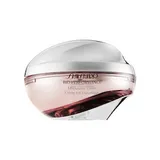 Shiseido Bio-Performance LiftDynamic Cream | Current | ≈ $136.36 | |
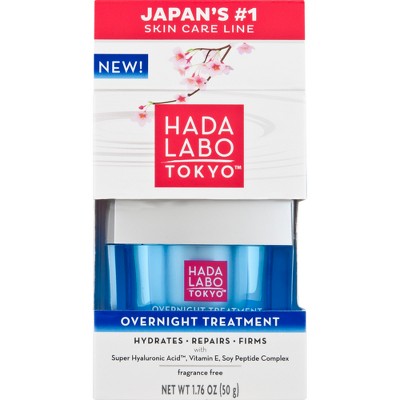 Hada labo Unscented Hada Labo Tokyo Overnight Treatment Cream | 39% | $24.49 | |
 Paula's choice Water-Infusing Electrolyte Moisturizer Full Size | 39% | $37.00 | |
 Estée Lauder Re-Nutriv Ultimate Diamond Transformative Brilliance | Skin Longevity Moisturizer | 39% | $350.00 | |
 Bison Colecica Cica Cream | 38% | $11.52 | |
 SAMPAR So Much To Dew Day Cream | 38% | - |
Key Actives
Can be helpful in reducing inflammation in skin, including inflamed acne. It can be irritating
A silicone that helps to reduce water loss from the surface of the skin. Can temporarily "fill in" lines and wrinkles, absorb oil, and create a nice product finish
Might be helpful in neutralizing free radicals. Can have a dehydration effect that might somewhat decrease the look of puffy eyes
One of the best moisturizing ingredients. Naturally present in skin. It attracts water to the upper layer of the skin working as a humectant
An emollient. Is not recommended for acne-prone skin as it can be comedogenic
Helps to attract water to the upper layer of the skin
Helps soften the upper layer of the skin
Works as a UV filter when used in high concentrations. It is photostable and is effective mostly against the UVB light, with some protection in the UVA range. In small concentrations, used for its ability to improve the color of cosmetic products. Is usually well tolerated by the skin
A type of hyaluronic acid that works as an excellent moisturizer by attracting water into the upper layer of the skin. Is typically feels less sticky on the skin compared to the usual hyaluronic acid
Helps attract water to the upper layer of the skin
Potential irritants
An aromatic blend of unspecified and possibly irritating ingredients
A common frangrance that can easily irritate skin, especially if exposed to air, light or heat
Fragrance with sweet balsamic smell. Help to preserve products and dissolve other ingredients. Could trigger allergic reactions and be irritating
A fragrance. Can trigger allergic reactions and be irritating
Can be drying and contribute to skin irritation. Used in formulars to dissolve other ingredients, create a thinner product consistency or for its antibacterial properties
A fragrance. Potential allergen and can be irritating
A plant extract that might have some anti-inflammatory properties, but solid evidence is lacking. It can be irritating
Can be helpful in reducing inflammation in skin, including inflamed acne. It can be irritating
A plant extract that might help to attract water to the upper layer of the skin, but it is not well studied. It can be irritating
An emollient. Is not recommended for acne-prone skin as it can be comedogenic
A more stable but less bio-available form of vitamin E compared to Tocopherol. Might help moisturize and protect the skin from free radicals, but mostly used in low concentrations to stabilize other ingredients.
Might be helpful in neutralizing free radicals. Can have a dehydration effect that might somewhat decrease the look of puffy eyes
Helps to control the skin's pH level. Maintains the skin's natural film of amino-lactic acids and oils. Helps to preserve products
Can work as an exfoliant but is typically used to adjust the product pH
Comedogenic ingredients
Used to stabilize the product formulations and works as an emollient
An emollient. Is not recommended for acne-prone skin as it can be comedogenic
All ingredients
One of the best moisturizing ingredients. Naturally present in skin. It attracts water to the upper layer of the skin working as a humectant
An emollient that helps soften the skin. Can increase penetration of other ingredients
Used to create a nice product texture and help delivery of other ingredients. Might be somewhat helpful in attracting water to the upper layer of the skin
A silicone that helps to reduce water loss from the surface of the skin. Can temporarily "fill in" lines and wrinkles, absorb oil, and create a nice product finish
A non-drying alcohol that works to soften the skin and stabilize product formulations helping oil and water mix together
Used to stabilize the product formulations and works as an emollient
Helps oil and water mix togehter and creates a nice product texture
An emollient. Is not recommended for acne-prone skin as it can be comedogenic
An emollient that helps soften the skin. It also forms a protective on its surface to reduce water loss
Helps to soften the upper layer of the skin and create a nice product texture
Non-drying alcohol that helps water and oil mix together. Also serves as an emollient
A preservative. It helps prevent bacterial growth in cosmetic products
Used to improve the product consistency and soften the upper layer of the skin
The same compound that is used safely in dental implants and bone cements. In cosmetics, it is used to improve the consistency of products
A more stable but less bio-available form of vitamin E compared to Tocopherol. Might help moisturize and protect the skin from free radicals, but mostly used in low concentrations to stabilize other ingredients.
Might be helpful in neutralizing free radicals. Can have a dehydration effect that might somewhat decrease the look of puffy eyes
Helps to control the skin's pH level. Maintains the skin's natural film of amino-lactic acids and oils. Helps to preserve products
Works as a UV filter when used in high concentrations. It is photostable and is effective mostly against the UVB light, with some protection in the UVA range. In small concentrations, used for its ability to improve the color of cosmetic products. Is usually well tolerated by the skin
An aromatic blend of unspecified and possibly irritating ingredients
Can work as an exfoliant but is typically used to adjust the product pH
A common frangrance that can easily irritate skin, especially if exposed to air, light or heat
An umbrella term for the following three colorants: CI 77491, CI 77492, CI 77499. They might be able to offer some protection against visible light, but the degree of the protection is not clear
Fragrance with sweet balsamic smell. Help to preserve products and dissolve other ingredients. Could trigger allergic reactions and be irritating
A fragrance. Can trigger allergic reactions and be irritating
Can be drying and contribute to skin irritation. Used in formulars to dissolve other ingredients, create a thinner product consistency or for its antibacterial properties
A type of hyaluronic acid that works as an excellent moisturizer by attracting water into the upper layer of the skin. Is typically feels less sticky on the skin compared to the usual hyaluronic acid
A fragrance. Potential allergen and can be irritating
An umbrella term for the following three colorants: CI 77491, CI 77492, CI 77499. They might be able to offer some protection against visible light, but the degree of the protection is not clear
Helps attract water to the upper layer of the skin
A plant extract that might have some anti-inflammatory properties, but solid evidence is lacking. It can be irritating
Can be helpful in reducing inflammation in skin, including inflamed acne. It can be irritating
Pure form of vitamin E. Can help moisturise and protect the skin from free radicals. Often used to help stabilise other ingredients or the formula itself
A plant extract that might help to attract water to the upper layer of the skin, but it is not well studied. It can be irritating
Ingredient list view
Water, Glycerin, Tricaprylin, Butylene glycol, Dimethicone, Cetyl alcohol, Glyceryl stearate se, Peg-100 stearate, Myristyl myristate, Erythritol, Peg/ppg-14/7 dimethyl ether, Microcrystalline wax, Hydrogenated polydecene, Behenyl alcohol, Dimethylacrylamide/sodium acryloyldimethyltaurate crosspolymer, Stearyl alcohol, Phenoxyethanol, Hydrogenated polyisobutene, Phytosteryl macadamiate, Talc, Methylparaben, Ethylparaben, Silica, Alumina, Disodium edta, Sorbitan tristearate, Tocopheryl acetate, Caffeine, Sodium citrate, Titanium dioxide, Parfum, Citric acid, Limonene, Sodium metabisulfite, Sodium metaphosphate, Inositol, Hexyl cinnamal, Iron oxides, Benzyl benzoate, Butylphenyl methylpropional, Alcohol, Linalool, Sodium acetylated hyaluronate, Alpha-isomethyl ionone, Thymus serpyllum extract, Iron oxides, Saccharomyces ferment lysate filtrate, Citronellol, Geraniol, Panax ginseng root extract, Rosmarinus officinalis leaf extract, Tocopherol, Bupleurum falcatum root extract
- Glycerol and the skin: holistic approach to its origin and functions
- Dimethicone as a protective ingredient in topical medications
- Final Report on the Safety Assessment of Dimethicone Copolyol
- Safety Assessment of Polyene Group as Used in Cosmetics
- Final report of the cosmetic ingredient review expert panel on the safety assessment of Polyisobutene and Hydrogenated Polyisobutene as used in cosmetics
- Safety Assessment of Phytosterols as Used in Cosmetics
- Safety Assessment of Alumina and Aluminum Hydroxide as Used in Cosmetics
- Final report on the safety assessment of sorbitan caprylate, sorbitan cocoate, sorbitan diisostearate, sorbitan dioleate, sorbitan distearate, sorbitan isostearate, sorbitan olivate, sorbitan sesquiisostearate, sorbitan sesquistearate, and sorbitan triisostearate
- Final report on the safety assessment of sodium sulfite, potassium sulfite, ammonium sulfite, sodium bisulfite, ammonium bisulfite, sodium metabisulfite and potassium metabisulfite
- Final report on the safety assessment of Sodium Metaphosphate, Sodium Trimetaphosphate, and Sodium Hexametaphosphate
- Acetylated Hyaluronic Acid: Enhanced Bioavailability and Biological Studies
- Annex I: Clinical evidence regarding sensitisation to individual fragrance chemicals and to natural extracts
- Ginseng in Dermatology: A Review
- Antiaging effects of the mixture of Panax ginseng and Crataegus pinnatifida in human dermal fibroblasts and healthy human skin
- Allergic contact dermatitis induced by rosemary leaf extract in a cleansing gel
- Safety Assessment of Rosmarinus officinalis (Rosemary)-Derived Ingredients as Used in Cosmetics
- Rosmarinus officinalis Extract Suppresses Propionibacterium acnes–Induced Inflammatory Responses
- Vitamin E in dermatology
- Vitamin E and Skin Health