Works for:
based on ingredients and %- Moisturizing
- Evens skin tone
Can it cause trouble?
- Irritation risk: medium
- Comedogenic risk ingredients: 3
Key actives


Product Summary
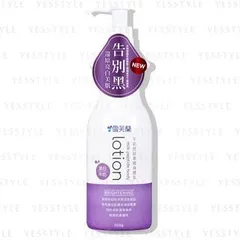
Based on the ingredient list, "Shen Hsiang Tang - Cellina Milk Peptide Body Lotion Brightening" can work well for skin moisturization. The formulation is based on a combination of good humectants and emollients. Both are needed to increase the skin hydration level. Cyclomethicone, glycerin, lactose and caprylyl glycol in this product (humectants) attract water molecules to the upper layer of the skin (the water comes from the outside air or from the deeper layers of the skin if the air is dry). Emollients in this formulation (paraffinum liquidum, cyclomethicone, dimethicone, cetearyl alcohol and cyclopentasiloxane) help to reduce the moisture loss from the skin. They also soften the skin surface and relieve the feeling of dryness and tightness.
This product contains ingredients that could be beneficial, but their concentrations are too low in this formulation: lactic acid, niacinamide and titanium dioxideIrritation risk
There are some common irritants in this product, including ingredients that do not have benefits for the skin. We assess the overall irritancy of this moisturizer to be medium. For a detailed overview of all potential irritants: click here
You can see the detailed formula review with the breakdown of all actives in the product and the full ingredient list with estimated concentrations in the tables below.
Price
The product retails for 18.10$ in the United States.
For a detailed price comparison: click here.
Works for
Evens skin tone
This product can help reduce hypepigmentation and even out the skin tone because it contains the following effective ingredients: alpha-arbutin
Keep in mind that you would need to apply any topical skincare targetted at hypigmentation consistently for a couple of months to get a result. No topical skincare product can help get rid of hyperpigmentation (including post-acne marks and age spots) instantly.
Might help reduce hyperpigmentation when used regularly over a long period of time. Is more effective than beta-arbutin
An exfoliating and moisturizing alpha-hydroxy acid (AHA). Typically causes less irritation than other AHAs, for example, glycolic acid. At high concentrations (about 15%), lactic acid can help reduce lines and wrinkles. Recent studies show that lactic acid can support the "good" bacteria living on skin's surface (healthy skin microbiome)
Is proven to be effective in reducing blemishes, evening out skin tone and helping to improve lines and wrinkles. It helps the skin to repair sun damage, calm down inflammation and keep maintain good levels of moisture. The concentration of about 2% is effective for supporting the skin barrier and evening out the skin tone. Concentration of 4-6% is better for helping with acne and balancing the sebum production
Moisturizing
What does the product description say?
Effectively increases skin smoothness and firmness. Deeply moisturizing and moisturizing. Suitable for sensitive skin.
Source: Yesstyle
This product can help improve hydration of the skin with the two types of ingredients.
The first type is called “humectants”:
these ingredients help attract water.
When humectants are on the surface of the skin, they “pull in” the moisture from the outside environment, or from
within deeper layers of the skin. The following ingredients in this product do the job:
cyclomethicone, glycerin.
This product also contains ingredients called “occlusives”. They help reduce the speed with which our skin loses moisture to the outside environment. These ingredients also help soften the upper layer of the skin, so it feels less tight and nicer to the touch. The following ingredients in this product do the job: dimethicone, cyclomethicone.
The following ingredients in this product are especially good for supporting the skin barrier and helping with the hydration level: paraffinum liquidum
A silicone that helps to reduce water loss from the surface of the skin. Can temporarily "fill in" lines and wrinkles, absorb oil, and create a nice product finish
One of the best moisturizing ingredients. Naturally present in skin. It attracts water to the upper layer of the skin working as a humectant
A type of silicone that leaves a nice silky finish on the skin and can help soften its upper layer
Mineral oil. One of the most effective and well studied occlusive and emollient moisturizing ingredients. Helps reduce moisture loss in skin and repair skin barrier function
Used to stabilize the product formulations and works as an emollient
A non-drying alcohol. Works as an emollient. Helps water and oil mix together and creates a nice product texture
Helps attract water to the upper layer of the skin
Helps attract water to the upper layer of the skin
A silicone that helps improve the product texture and spreadability. Can absorb oil creating a short-term mattifying effect on the skin
A protein derived from milk. In skincare products, might help to soften the upper layer of the skin
An emollient that helps soften the skin
Improves the texture of the product and helps soften the skin. Helps oil and water mix together and can be used as a cleansing agent
Might have some moisturizing properties
Helps preserve products and creates a nice product texture
An exfoliating and moisturizing alpha-hydroxy acid (AHA). Typically causes less irritation than other AHAs, for example, glycolic acid. At high concentrations (about 15%), lactic acid can help reduce lines and wrinkles. Recent studies show that lactic acid can support the "good" bacteria living on skin's surface (healthy skin microbiome)
Is proven to be effective in reducing blemishes, evening out skin tone and helping to improve lines and wrinkles. It helps the skin to repair sun damage, calm down inflammation and keep maintain good levels of moisture. The concentration of about 2% is effective for supporting the skin barrier and evening out the skin tone. Concentration of 4-6% is better for helping with acne and balancing the sebum production
How honest is this product?
| Promise | Can it deliver? |
|---|---|
| Moisturizing |
Total Promises Fulfilled score: 100/100.
We receive a small commission for purchases made through these links at no cost for you. Thank you for your support! Learn more
Potential irritants
Comedogenic ingredients
User reviews (0)
Averages from community submissions.
No reviews yet for this product.
Be the first to share your experience!
Tried this product?
Help capture what the ingredient list can't—texture, finish, pilling, scent, and more. Answer what you can, skip the rest.
Takes ~30 seconds.
Reviews are shown in aggregate. No personal details.
| Product | Similarity | Price | Irritancy |
|---|---|---|---|
 Shen Hsiang Tang Cellina Milk Peptide Body Lotion Brightening | Current | $18.10 | |
Boots Skin Clear Lotion with niacinamide | 87% | ≈ $5.29 | |
 La Roche-Posay LIPIKAR BODY LOTION | 86% | ≈ $15.43 | |
 Cetaphil Body & Face Moisturizing Lotion Unscented | 76% | ≈ $13.35 | |
 CeraVe SA Moisturizing Cream For Rough & Bumpy Skin | 74% | ≈ $15.86 | |
 Elfa Pharm Atopi Med Soothing Milk | 73% | - |
Key Actives
Is proven to be effective in reducing blemishes, evening out skin tone and helping to improve lines and wrinkles. It helps the skin to repair sun damage, calm down inflammation and keep maintain good levels of moisture. The concentration of about 2% is effective for supporting the skin barrier and evening out the skin tone. Concentration of 4-6% is better for helping with acne and balancing the sebum production
A silicone that helps improve the product texture and spreadability. Can absorb oil creating a short-term mattifying effect on the skin
A silicone that helps to reduce water loss from the surface of the skin. Can temporarily "fill in" lines and wrinkles, absorb oil, and create a nice product finish
Mineral oil. One of the most effective and well studied occlusive and emollient moisturizing ingredients. Helps reduce moisture loss in skin and repair skin barrier function
One of the best moisturizing ingredients. Naturally present in skin. It attracts water to the upper layer of the skin working as a humectant
Works as a UV filter when used in high concentrations. It is photostable and is effective mostly against the UVB light, with some protection in the UVA range. In small concentrations, used for its ability to improve the color of cosmetic products. Is usually well tolerated by the skin
A type of silicone that leaves a nice silky finish on the skin and can help soften its upper layer
Might help reduce hyperpigmentation when used regularly over a long period of time. Is more effective than beta-arbutin
Potential irritants
A cleansing agent (SLS). It can be irritating
An aromatic blend of unspecified and possibly irritating ingredients
Used to adjust pH of the product and can help improve the product's smell
Helps preserve products and creates a nice product texture
Might help reduce hyperpigmentation when used regularly over a long period of time. Is more effective than beta-arbutin
An exfoliating and moisturizing alpha-hydroxy acid (AHA). Typically causes less irritation than other AHAs, for example, glycolic acid. At high concentrations (about 15%), lactic acid can help reduce lines and wrinkles. Recent studies show that lactic acid can support the "good" bacteria living on skin's surface (healthy skin microbiome)
Comedogenic ingredients
A non-drying alcohol. Works as an emollient. Helps water and oil mix together and creates a nice product texture
Used to stabilize the product formulations and works as an emollient
A cleansing agent (SLS). It can be irritating
All ingredients
Mineral oil. One of the most effective and well studied occlusive and emollient moisturizing ingredients. Helps reduce moisture loss in skin and repair skin barrier function
One of the best moisturizing ingredients. Naturally present in skin. It attracts water to the upper layer of the skin working as a humectant
A non-drying alcohol. Works as an emollient. Helps water and oil mix together and creates a nice product texture
Used to stabilize the product formulations and works as an emollient
Improves the texture of the product and helps soften the skin. Helps oil and water mix together and can be used as a cleansing agent
A silicone that helps improve the product texture and spreadability. Can absorb oil creating a short-term mattifying effect on the skin
A preservative. It helps prevent bacterial growth in cosmetic products
A silicone that helps to reduce water loss from the surface of the skin. Can temporarily "fill in" lines and wrinkles, absorb oil, and create a nice product finish
A cleansing agent (SLS). It can be irritating
An aromatic blend of unspecified and possibly irritating ingredients
Used to adjust pH of the product and can help improve the product's smell
Helps create a thicker or gel-like product texture. It is not a surfactant but can be used in gentle cleansing formulations
Works as a UV filter when used in high concentrations. It is photostable and is effective mostly against the UVB light, with some protection in the UVA range. In small concentrations, used for its ability to improve the color of cosmetic products. Is usually well tolerated by the skin
Is proven to be effective in reducing blemishes, evening out skin tone and helping to improve lines and wrinkles. It helps the skin to repair sun damage, calm down inflammation and keep maintain good levels of moisture. The concentration of about 2% is effective for supporting the skin barrier and evening out the skin tone. Concentration of 4-6% is better for helping with acne and balancing the sebum production
Helps preserve products and creates a nice product texture
A type of silicone that leaves a nice silky finish on the skin and can help soften its upper layer
Might help reduce hyperpigmentation when used regularly over a long period of time. Is more effective than beta-arbutin
An exfoliating and moisturizing alpha-hydroxy acid (AHA). Typically causes less irritation than other AHAs, for example, glycolic acid. At high concentrations (about 15%), lactic acid can help reduce lines and wrinkles. Recent studies show that lactic acid can support the "good" bacteria living on skin's surface (healthy skin microbiome)
A protein derived from milk. In skincare products, might help to soften the upper layer of the skin
Ingredient list view
Water, Paraffinum liquidum, Glycerin, Cetearyl alcohol, Glyceryl stearate se, Isohexadecane, Cyclopentasiloxane, Phenoxyethanol, Dimethicone, Polysorbate 60, Sodium lauryl sulfate, Parfum, Triethanolamine, Carbomer, Titanium dioxide, Niacinamide, Caprylyl glycol, Cetearyl ethylhexanoate, Cyclomethicone, Disodium edta, Alpha-arbutin, Milk protein, Lactose, Lactic acid, Sodium dehydroacetate, Whey protein, Milk, Unknown
- A review on the extensive skin benefits of mineral oil
- Glycerol and the skin: holistic approach to its origin and functions
- Dimethicone as a protective ingredient in topical medications
- Final Report on the Safety Assessment of Dimethicone Copolyol
- Niacinamide - mechanisms of action and its topical use in dermatology
- Gehring, W. (2004). Nicotinic acid/niacinamide and the skin. Journal of Cosmetic Dermatology, 3(2), 88–93. doi:10.1111/j.1473-2130.2004.00115.x
- Epidermal and dermal effects of topical lactic acid
- Dual Effects of Alpha-Hydroxy Acids on the Skin
- 4 Final Report on the Safety Assessment of Sodium Dehydroacetate and Dehydroacetic Acid
- TOPICAL COMPOSITIONS CONTAINING WHEY PROTEINS