Works for
MoisturizingDimethicone, Glycerin + 19 moreWorks
“Hydra shock”
This product can help improve hydration of the skin with the two types of ingredients.
The first type is called “humectants”:
these ingredients help attract water.
When humectants are on the surface of the skin, they “pull in” the moisture from the outside environment, or from
within deeper layers of the skin. The following ingredients in this product do the job:
glycerin, hyaluronic acid.
This product also contains ingredients called “occlusives”. They help reduce the speed with which our skin loses moisture to the outside environment. These ingredients also help soften the upper layer of the skin, so it feels less tight and nicer to the touch. The following ingredients in this product do the job: dimethicone, helianthus annuus seed oil.
Anti-agingSide benefit · Adenosine, Hyaluronic acidWorks well
This product can help reduce and prevent fine lines and wrinkles, improve skin elasticity and firmness because it contains adenosine.
Keep in mind that it typically takes at least 6 weeks to notice any results because the changes that are needed to improve fine lines and elasticity happen in the deeper layers of the skin. No topical anti-aging product can “erase” wrinkles or fully reverse signs of aging.
Can it cause trouble?
Irritancy3 strong irritants: Parfum, Myrtus communis leaf extract + 1 more — patch-test recommendedHigh risk
Comedogenic2 ingredients rated 2 or more on the 0–5 pore-clogging scale2 flagged
User reviews
Be the first — your take helps the next person decide.
Ingredients
Filter by role to see what each ingredient is doing.
Water~45–55%
Dimethicone~5.7–7%
- Irritation risk
- Low
A silicone that helps to reduce water loss from the surface of the skin. Can temporarily "fill in" lines and wrinkles, absorb oil, and create a nice product finish
More about DimethiconeGlycerin~4.2–5.2%
- Irritation risk
- Low
One of the best moisturizing ingredients. Naturally present in skin. It attracts water to the upper layer of the skin working as a humectant
More about GlycerinPolysilicone-11~3.2–3.9%
- Irritation risk
- Low
A silicone that forms a light film on the skin surface helping to bind water and temporarily absorb oils creating a matt and powdery feel
More about Polysilicone-11Helianthus annuus seed oil~2.5–3.1%
- Irritation risk
- Low
A great emollient due to its high linoleic acid content. One of the most effective plant oils in helping skin hydration and repairing skin barrier function
More about Helianthus annuus seed oilBehenyl alcohol~2.1–2.6%
- Irritation risk
- Low
Non-drying alcohol that helps water and oil mix together. Also serves as an emollient
More about Behenyl alcoholPeg-10 dimethicone~1.8–2.2%
- Irritation risk
- Low
A silicone that works to soften the upper layer of the skin and reduce its water loss
More about Peg-10 dimethiconePropylheptyl caprylate~1.5–1.8%
- Irritation risk
- Low
Helps soften the upper layer of the skin
More about Propylheptyl caprylatePentylene glycol~1.2–1.5%
- Irritation risk
- Medium
Used to preserve products, dissolve other ingredients and create a nice product texture
More about Pentylene glycolCetearyl alcohol~1–1.3%
- Irritation risk
- Low
- Comedogenicity
- 2/5
A non-drying alcohol. Works as an emollient. Helps water and oil mix together and creates a nice product texture
More about Cetearyl alcoholIsononyl isononanoate~0.7–1.05%
- Irritation risk
- Low
Forms a protective film on the surface of the skin to prevent moisture loss. Gives a velvety feel to products while reducing tackiness
More about Isononyl isononanoatePhenoxyethanol~0.55–0.85%
- Irritation risk
- Low
A preservative. It helps prevent bacterial growth in cosmetic products
More about PhenoxyethanolGlyceryl stearate~0.55–0.85%
- Irritation risk
- Low
An emollient that softens the skin and forms a protective layer on its surface. Helps water and oil mix together
More about Glyceryl stearateHydrogenated lecithin~0.5–0.7%
- Irritation risk
- Low
Helps to retain moisture by creating a protective barrier on the skin. Rich in fatty acids. Improves product texture and helps with the penetration of other ingredients.
More about Hydrogenated lecithinPeg-100 stearate~0.55–0.8%
- Irritation risk
- Low
Helps oil and water mix togehter and creates a nice product texture
More about Peg-100 stearateAmmonium acryloyldimethyltaurate/beheneth-25 methacrylate crosspolymer~0.45–0.65%
- Irritation risk
- Medium
Used to stabilize product formulations
More about Ammonium acryloyldimethyltaurate/beheneth-25 methacrylate crosspolymerCetearyl glucoside~0.45–0.65%
- Irritation risk
- Medium
Helps water and oil in the product mix well together and improves product texture
More about Cetearyl glucosideSodium pca~0.35–0.65%
- Irritation risk
- Low
Naturally present in skin and helps to attract water to its upper layer
More about Sodium pcaCaprylyl glycol~0.35–0.65%
- Irritation risk
- Medium
Helps preserve products and creates a nice product texture
More about Caprylyl glycolCyclodextrin~0.3–0.55%
- Irritation risk
- Low
A type of sugar that is used to support delivery of active ingredients and can enhance their penetration into the skin without disrupting the skin's barrier
More about CyclodextrinHydrolyzed lupine protein~0.25–0.5%
- Irritation risk
- Low
Parfum~0.25–0.45%
- Irritation risk
- High
An aromatic blend of unspecified and possibly irritating ingredients
More about ParfumSodium hyaluronate~0.25–0.45%
- Irritation risk
- Low
One of the best moisturizing ingredients. Attracts water into the upper layer of the skin
More about Sodium hyaluronateSodium lactate~0.25–0.45%
- Irritation risk
- Medium
Helps attract water to the upper layer of the skin. Is often used to adjust the pH level of the product
More about Sodium lactateAdenium obesum leaf cell extract~0.25–0.45%
- Irritation risk
- Low
Bht~0.25–0.45%
Xanthan gum~0.25–0.5%
- Irritation risk
- Low
Used to create a thicker product consistency
More about Xanthan gumDivinyldimethicone/dimethicone crosspolymer~0.25–0.5%
- Irritation risk
- Low
Propanediol~0.25–0.5%
- Irritation risk
- Low
Acts as a solvent for other ingredients. Speeds up the absorption of other ingredients into the skin
More about PropanediolDisodium edta~0.25–0.45%
O-cymen-5-ol~0.05–0.1%
Tetrahydroxypropyl ethylenediamine~0.25–0.45%
- Irritation risk
- Low
Adenosine~0.25–0.45%
- Irritation risk
- Low
Might help improve cell turnover and reduce inflammation in skin. One study shows that the ingredients might be able to help reduce dynamic wrinkles (for example, in the corners of the eyes or on the forehead)
More about AdenosineMyrtus communis leaf extract~0.2–0.4%
- Irritation risk
- High
A plant extract that contains an essential oil and often used for its fragrance. Can be irritating. It has some anti-bacterial and anti-oxidant properties
More about Myrtus communis leaf extractButylene glycol~0.25–0.45%
- Irritation risk
- Low
Used to create a nice product texture and help delivery of other ingredients. Might be somewhat helpful in attracting water to the upper layer of the skin
More about Butylene glycolGlucose~0.25–0.45%
- Irritation risk
- Low
Helps attract water to the upper layer of the skin. Could be helpful in restoring the skin barrier function
More about GlucoseHyaluronic acid~0.25–0.45%
- Irritation risk
- Low
One of the best moisturizing ingredients. Attracts water into the upper layer of the skin. Naturally present in skin. Typically has large molecule size unless advertised otherwise on the product label. Helps support skin's barrier function and may help to reduce inflammation
More about Hyaluronic acidPhenethyl alcohol~0.25–0.5%
Titanium dioxide~0.35–0.6%
- Irritation risk
- Low
Works as a UV filter when used in high concentrations. It is photostable and is effective mostly against the UVB light, with some protection in the UVA range. In small concentrations, used for its ability to improve the color of cosmetic products. Is usually well tolerated by the skin
More about Titanium dioxideSodium carrageenan~0.25–0.5%
Ulmus davidiana root extract~0.25–0.45%
- Irritation risk
- High
A plant root extract that helps attract water to the upper layer of the skin. It might have an anti-inflammatory effect and could help neturalize free radicals in skin
More about Ulmus davidiana root extractSodium benzoate~0.25–0.45%
Ethylhexylglycerin~0.25–0.45%
Salvia sclarea extract~0.2–0.35%
- Irritation risk
- High
Used as a fragrance. Can be irritating
More about Salvia sclarea extractMalus domestica fruit cell culture extract~0.2–0.4%
- Irritation risk
- Low
Sea salt~0.2–0.4%
- Irritation risk
- Medium
Used to thicken the product formulation and might help to add minerals to the surface of the skin. It is used in scrubs as a physical exfoliant. Can increase sensitivity to other ingredients if left on the skin or used in high concentration
More about Sea saltPotassium sorbate~0.2–0.35%
Citric acid~0.15–0.3%
- Irritation risk
- Medium
Can work as an exfoliant but is typically used to adjust the product pH
More about Citric acidLecithin~0.2–0.4%
- Irritation risk
- Low
Used mostly for creating emulsions - helping oil and water mix together. Helps soften the upper layer of the skin
More about LecithinSodium chloride~0.2–0.35%
- Irritation risk
- Low
Used to stabilize mixtures of oil and water, and create thicker, gel-like product textures
More about Sodium chlorideSodium sulfate~0.15–0.3%
- Irritation risk
- Medium
Used to improve the product consistency and stabilize formulations
More about Sodium sulfateCi 16035~0.1–0.2%
Ci 42090~0.1–0.15%
Ingredient list view
Water, Dimethicone, Glycerin, Polysilicone-11, Helianthus annuus seed oil, Behenyl alcohol, Peg-10 dimethicone, Propylheptyl caprylate, Pentylene glycol, Cetearyl alcohol, Isononyl isononanoate, Phenoxyethanol, Glyceryl stearate, Hydrogenated lecithin, Peg-100 stearate, Ammonium acryloyldimethyltaurate/beheneth-25 methacrylate crosspolymer, Cetearyl glucoside, Sodium pca, Caprylyl glycol, Cyclodextrin, Hydrolyzed lupine protein, Parfum, Sodium hyaluronate, Sodium lactate, Adenium obesum leaf cell extract, Bht, Xanthan gum, Divinyldimethicone/dimethicone crosspolymer, Propanediol, Disodium edta, O-cymen-5-ol, Tetrahydroxypropyl ethylenediamine, Adenosine, Myrtus communis leaf extract, Butylene glycol, Glucose, Hyaluronic acid, Phenethyl alcohol, Titanium dioxide, Sodium carrageenan, Ulmus davidiana root extract, Sodium benzoate, Ethylhexylglycerin, Salvia sclarea extract, Malus domestica fruit cell culture extract, Sea salt, Potassium sorbate, Citric acid, Lecithin, Sodium chloride, Sodium sulfate, Ci 16035, Ci 42090
Compare prices
Retailers ranked by price — lowest first.
Affiliate links · As an Amazon Associate, WIMJ earns from qualifying purchases.
Worth comparing, line by line.
Match % combines shared ingredients, the first five ingredients, shared actives and hero ingredients, irritancy (lower counts in the alternative's favour), texture and body area. Only products in the same routine step are compared.
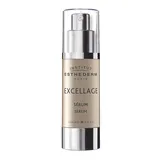
| RexalineHydra shockYOUR PRODUCT | MEDI-PEELPeptide 9 Volume Tox Cream | Institut EsthedermExcellage Firming Face Serum | Serendi BeautyLa-bloom Vital Repair Cream | |
|---|---|---|---|---|
| Match | — | 49% | 48% | 48% |
| Price | $19.76 | $21.77+$2.01 | — | $74.42+$54.66 |
| Shared key ingredients | — | 6 of 11 | 7 of 11 | 6 of 11 |
| Key difference | — | Tripeptide-1 | Niacinamide | Niacinamide |
| Irritancy | High | Medium | Medium | Medium |
| Drying alcohol | — | — | Contains drying alcohol | — |
| View product | Shop | Shop | Shop |



More alternatives: SNP Prep Peptaronic Tone Up CreamNEOGEN X SUR.MEDIC Probiotics Youth Repair Cream
Product summary
"Rexaline - Hydra shock" is effective for: Anti-aging
This product could be helpful for: Moisturizing, but its actives are not the most effective or are not well-studied.
Ingredient callouts
- Adenosine 0.25% - 0.45%. It is a compound that in involved in many biological processes inside the skin cells. According one high-quality clinical trial, topical Adenosine in low concentrations can somewhat help improve "deep wrinkles" - the wrinkles that appear with age in places where our faces are most dynamic (for example, on the forehead or in the corners of the eyes).
- Humectants (hyaluronic acid 0.25% - 0.45%, sodium lactate 0.25% - 0.45%, sodium hyaluronate 0.25% - 0.45%, sodium pca 0.35% - 0.65% and glycerin 4.20% - 5.20%). These ingredients help attract water to the upper layer of the skin and improve the skin hydration.
Sources cited in this review
Every concentration estimate and effectiveness label is anchored to one of these 25 studies and safety reviews.
- 1
- 2Final Report on the Safety Assessment of Dimethicone Copolyoljournals.sagepub.com
- 3
- 4
- 5
- 6Effect of topically applied lipids on surfactant-irritated skinonlinelibrary.wiley.com

Affiliate links · As an Amazon Associate, WIMJ earns from qualifying purchases.