Works for:
based on ingredients and %- Moisturizing
- Anti-aging
Can it cause trouble?
- Irritation risk: medium
- Comedogenic risk ingredients: 1
Key actives
Works for
Anti-aging
This product contains pentapeptide-48. This ingredient might be able to help reduce and prevent fine lines and wrinkles, improve skin elasticity and firmness, but there is not enough evidence that it actually works.
A type of peptide, sold under the brand name Royal Epigen P5. It consists five different amino-acids: arginine, glutamic acid, leucine, serine and threonine. It helps attract water to the upper layer of the skin and might have anti-aging benefits. One of the manufacturers discloses that creation of this peptide was inspired by a protein found in royal jelly. There is no evidence that this is in any way relevant to this ingredient's benefit for human skin. There are no clinical trials available for this ingredient. There is also no lab tests methodology and results disclosed for it. It is not clear if this peptide has an actual anti-aging or would healing properties when applied topically to human skin. The ingredient manufacturer recommends to include it in formulations at 2-3%.
A great moisturising ingredient that softens the skin and reduces water loss from its upper layer. It also can be helpful in protecting skin from free radicals
Traditionally used to treat sunburns, dermatitis and inflammation, but evidence for its effectiveness is lacking. The extract can contain humectants that help attract water into the skin
The most well-researched antioxidant that works in skin. Helps neutralize free radicals supporting collagen production, helping to even out the skin tone and preventing early signs of aging
Pure form of vitamin E. Can help moisturise and protect the skin from free radicals. Often used to help stabilise other ingredients or the formula itself
Being a lipid soluble form of vitamin C, it is more stable and can penetrate the skin better than L-Ascorbic acid. It is effective in protecting the skin from free radicals, as well as evening the skin tone, but is less effective in stimulating collagen production compared to L-Ascorbic acid.
Moisturizing
What does the product description say?
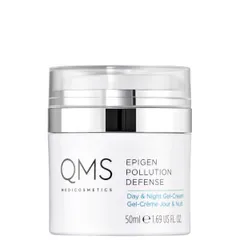
Powered by a blend of thermus thermophilus ferment and swiss glacier water, the protective cream offers intense hydration, working to lock in moisture to help visibly plump the skin.
Source: Lookfantastic
This product can help improve hydration of the skin with the two types of ingredients.
The first type is called “humectants”:
these ingredients help attract water.
When humectants are on the surface of the skin, they “pull in” the moisture from the outside environment, or from
within deeper layers of the skin. The following ingredients in this product do the job:
biosaccharide gum-1, glycerin.
This product also contains ingredients called “occlusives”. They help reduce the speed with which our skin loses moisture to the outside environment. These ingredients also help soften the upper layer of the skin, so it feels less tight and nicer to the touch. The following ingredients in this product do the job: butyrospermum parkii butter, dimethicone.
Helps attract water to the upper layer of the skin
One of the best moisturizing ingredients. Naturally present in skin. It attracts water to the upper layer of the skin working as a humectant
A type of peptide, sold under the brand name Royal Epigen P5. It consists five different amino-acids: arginine, glutamic acid, leucine, serine and threonine. It helps attract water to the upper layer of the skin and might have anti-aging benefits. One of the manufacturers discloses that creation of this peptide was inspired by a protein found in royal jelly. There is no evidence that this is in any way relevant to this ingredient's benefit for human skin. There are no clinical trials available for this ingredient. There is also no lab tests methodology and results disclosed for it. It is not clear if this peptide has an actual anti-aging or would healing properties when applied topically to human skin. The ingredient manufacturer recommends to include it in formulations at 2-3%.
A silicone that helps to reduce water loss from the surface of the skin. Can temporarily "fill in" lines and wrinkles, absorb oil, and create a nice product finish
One of the best moisturizing ingredients. Attracts water into the upper layer of the skin
A great moisturising ingredient that softens the skin and reduces water loss from its upper layer. It also can be helpful in protecting skin from free radicals
Helps attract water to the upper layer of the skin and is claimed to provide a longer-lasting hydration because of its ability to create a water-binding film on the surface of the skin
Helps create a non-greasy finish on the skin
Traditionally used to treat sunburns, dermatitis and inflammation, but evidence for its effectiveness is lacking. The extract can contain humectants that help attract water into the skin
Helps to stabilize the product formulation while softening the upper layer of the skin. Can be irritating
A good mix of fatty acids that forms a protective layer on the skin. Improves the shelf life of products. Derived from coconut and glycerin
Used mostly for creating emulsions - helping oil and water mix together. Helps soften the upper layer of the skin
Pure form of vitamin E. Can help moisturise and protect the skin from free radicals. Often used to help stabilise other ingredients or the formula itself
How honest is this product?
| Promise | Can it deliver? |
|---|---|
| Moisturizing |
Total Promises Fulfilled score: 75/100.
We receive a small commission for purchases made through these links at no cost for you. Thank you for your support! Learn more
Affiliate link · supports WIMJ at no cost to you
Potential irritants
Comedogenic ingredients
User reviews (0)
Averages from community submissions.
No reviews yet for this product.
Be the first to share your experience!
Tried this product?
Help capture what the ingredient list can't—texture, finish, pilling, scent, and more. Answer what you can, skip the rest.
Takes ~30 seconds.
Reviews are shown in aggregate. No personal details.
Key Actives
Pure form of vitamin E. Can help moisturise and protect the skin from free radicals. Often used to help stabilise other ingredients or the formula itself
A great moisturising ingredient that softens the skin and reduces water loss from its upper layer. It also can be helpful in protecting skin from free radicals
A silicone that helps to reduce water loss from the surface of the skin. Can temporarily "fill in" lines and wrinkles, absorb oil, and create a nice product finish
A type of peptide, sold under the brand name Royal Epigen P5. It consists five different amino-acids: arginine, glutamic acid, leucine, serine and threonine. It helps attract water to the upper layer of the skin and might have anti-aging benefits. One of the manufacturers discloses that creation of this peptide was inspired by a protein found in royal jelly. There is no evidence that this is in any way relevant to this ingredient's benefit for human skin. There are no clinical trials available for this ingredient. There is also no lab tests methodology and results disclosed for it. It is not clear if this peptide has an actual anti-aging or would healing properties when applied topically to human skin. The ingredient manufacturer recommends to include it in formulations at 2-3%.
Helps attract water to the upper layer of the skin
One of the best moisturizing ingredients. Attracts water into the upper layer of the skin
One of the best moisturizing ingredients. Naturally present in skin. It attracts water to the upper layer of the skin working as a humectant
Helps attract water to the upper layer of the skin and is claimed to provide a longer-lasting hydration because of its ability to create a water-binding film on the surface of the skin
A good mix of fatty acids that forms a protective layer on the skin. Improves the shelf life of products. Derived from coconut and glycerin
Potential irritants
Helps to stabilize the product formulation while softening the upper layer of the skin. Can be irritating
An aromatic blend of unspecified and possibly irritating ingredients
Can be drying and contribute to skin irritation. Used in formulars to dissolve other ingredients, create a thinner product consistency or for its antibacterial properties
The most well-researched antioxidant that works in skin. Helps neutralize free radicals supporting collagen production, helping to even out the skin tone and preventing early signs of aging
A drying alcohol. Can increase skin's sensitivity and cause dryness and irritation
Traditionally used to treat sunburns, dermatitis and inflammation, but evidence for its effectiveness is lacking. The extract can contain humectants that help attract water into the skin
Helps stabilize emulsions and create a nice product texture
A gelling agent that thickens the product consistency and leaves the skin with a velvety finish
Being a lipid soluble form of vitamin C, it is more stable and can penetrate the skin better than L-Ascorbic acid. It is effective in protecting the skin from free radicals, as well as evening the skin tone, but is less effective in stimulating collagen production compared to L-Ascorbic acid.
A good mix of fatty acids that forms a protective layer on the skin. Improves the shelf life of products. Derived from coconut and glycerin
Can work as an exfoliant but is typically used to adjust the product pH
Comedogenic ingredients
A great moisturising ingredient that softens the skin and reduces water loss from its upper layer. It also can be helpful in protecting skin from free radicals
All ingredients
Traditionally used to treat sunburns, dermatitis and inflammation, but evidence for its effectiveness is lacking. The extract can contain humectants that help attract water into the skin
Helps stabilize emulsions and create a nice product texture
Helps to stabilize the product formulation while softening the upper layer of the skin. Can be irritating
A gelling agent that thickens the product consistency and leaves the skin with a velvety finish
A great moisturising ingredient that softens the skin and reduces water loss from its upper layer. It also can be helpful in protecting skin from free radicals
A silicone that helps to reduce water loss from the surface of the skin. Can temporarily "fill in" lines and wrinkles, absorb oil, and create a nice product finish
A type of peptide, sold under the brand name Royal Epigen P5. It consists five different amino-acids: arginine, glutamic acid, leucine, serine and threonine. It helps attract water to the upper layer of the skin and might have anti-aging benefits. One of the manufacturers discloses that creation of this peptide was inspired by a protein found in royal jelly. There is no evidence that this is in any way relevant to this ingredient's benefit for human skin. There are no clinical trials available for this ingredient. There is also no lab tests methodology and results disclosed for it. It is not clear if this peptide has an actual anti-aging or would healing properties when applied topically to human skin. The ingredient manufacturer recommends to include it in formulations at 2-3%.
One of the best moisturizing ingredients. Attracts water into the upper layer of the skin
Pure form of vitamin E. Can help moisturise and protect the skin from free radicals. Often used to help stabilise other ingredients or the formula itself
Helps to retain moisture by creating a protective barrier on the skin. Rich in fatty acids. Improves product texture and helps with the penetration of other ingredients.
A preservative. It helps prevent bacterial growth in cosmetic products
One of the best moisturizing ingredients. Naturally present in skin. It attracts water to the upper layer of the skin working as a humectant
Used mostly for creating emulsions - helping oil and water mix together. Helps soften the upper layer of the skin
Helps attract water to the upper layer of the skin and is claimed to provide a longer-lasting hydration because of its ability to create a water-binding film on the surface of the skin
Being a lipid soluble form of vitamin C, it is more stable and can penetrate the skin better than L-Ascorbic acid. It is effective in protecting the skin from free radicals, as well as evening the skin tone, but is less effective in stimulating collagen production compared to L-Ascorbic acid.
A good mix of fatty acids that forms a protective layer on the skin. Improves the shelf life of products. Derived from coconut and glycerin
Helps create a thicker or gel-like product texture. It is not a surfactant but can be used in gentle cleansing formulations
Can work as an exfoliant but is typically used to adjust the product pH
An aromatic blend of unspecified and possibly irritating ingredients
Can be drying and contribute to skin irritation. Used in formulars to dissolve other ingredients, create a thinner product consistency or for its antibacterial properties
The most well-researched antioxidant that works in skin. Helps neutralize free radicals supporting collagen production, helping to even out the skin tone and preventing early signs of aging
Used to stabilize the product formulation and can help absorb oil
A drying alcohol. Can increase skin's sensitivity and cause dryness and irritation
Ingredient list view
Water, Aloe barbadensis leaf juice, Unknown, Isoamyl laurate, Undecane, Saccharide isomerate, Myristyl alcohol, Hydroxyethyl acrylate/sodium acryloyldimethyl taurate copolymer, Butyrospermum parkii butter, Tridecane, Dimethicone, Pentapeptide-48, Sodium hyaluronate, Sodium hyaluronate crosspolymer-3, Tocopherol, Hydrogenated lecithin, Phenoxyethanol, Glycerin, Lecithin, Biosaccharide gum-1, Ascorbyl palmitate, Benzoic acid, Sorbitan isostearate, Dehydroacetic acid, Tetrasodium glutamate diacetate, Caprylic/capric triglyceride, Carbomer, Phenethyl alcohol, Citric acid, Ethylhexylglycerin, Potassium sorbate, Parfum, Alcohol, Sodium hydroxide, Ascorbic acid, Maltodextrin, Isopropyl alcohol
- Cosmetic allergy from myristyl alcohol
- Contact Sensitization to Emulsifying Agents: An Underrated Issue?
- Patch testing with myristyl alcohol
- Dimethicone as a protective ingredient in topical medications
- Final Report on the Safety Assessment of Dimethicone Copolyol
- The Power of Royalactin
- RoyalEpigen P5
- Hyaluronic acid: A key molecule in skin aging
- Hyaluronan (Hyaluronic Acid): a natural moisturizer for skin care
- Vitamin E in dermatology
- Vitamin E and Skin Health
- Glycerol and the skin: holistic approach to its origin and functions
- 4 Final Report on the Safety Assessment of Sodium Dehydroacetate and Dehydroacetic Acid
- Final Report on the Safety Assessment of Phenethyl Alcohol