Works for:
based on ingredients and %- Moisturizing
Can it cause trouble?
- Irritation risk: high
- Comedogenic risk ingredients: 1
Key actives
Product Summary
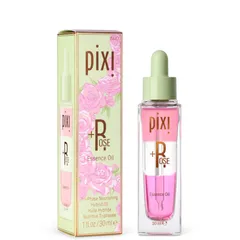
Based on the ingredient list, "Pixi - Rose Essence Priming Oil" can work well for skin moisturization. As we expect from a proper moisturizer, the formula includes a combo of effective humectants and emollients. These are the two different types of ingredients that are essential for improving the skin hydration and supporting a healthy skin barrier. Betaine and glycerin in this product (humectants) attract water molecules to the upper layer of the skin (the water comes from the outside air or from the deeper layers of the skin if the air is dry). Emollients in this formulation (ceramide np, dimethicone, squalane, moringa oleifera seed oil and octyldodecanol) help to reduce the moisture loss from the skin. They also soften the skin surface and relieve the feeling of dryness and tightness.
Ingredient callouts
- Another benefit is that this moisturizer contain ceramides (ceramide np 0.30% - 0.55%). Ceramides are an important part of our natural skin barrier. The ceramides used in skincare are synthetic or come from plants. They help soften the skin and can help "fill the gaps" in the skin barrier, keeping the skin hydrated and resilient for longer.
Irritation risk
This moisturizer contains a bunch of common irritants, including ingredients that do not provide any known benefit for the skin. It might not be the best choice if your skin is sensitive. We assess the overall irritancy of this moisturizer to be high. For a detailed overview of all potential irritants: click here
You can see the detailed formula review with the breakdown of all actives in the product and the full ingredient list with estimated concentrations in the tables below.
About the brand
According to Cruelty-Free Kitty "Pixi" is cruelty free and so is its parent company.
Price
The product retails for 24.00$ in the United States, for 24.00£ in the United Kingdom and for 240.00HK$ in Hong Kong.
For a detailed price comparison: click here.
Works for
Moisturizing
What does the product description say?
PIXI’s Rose Essence Priming Oil creates a hydrating, lightweight veil atop the skin.
Source: Lookfantastic
This product can help improve hydration of the skin with the two types of ingredients.
The first type is called “humectants”:
these ingredients help attract water.
When humectants are on the surface of the skin, they “pull in” the moisture from the outside environment, or from
within deeper layers of the skin. The following ingredients in this product do the job:
betaine, glycerin.
This product also contains ingredients called “occlusives”. They help reduce the speed with which our skin loses moisture to the outside environment. These ingredients also help soften the upper layer of the skin, so it feels less tight and nicer to the touch. The following ingredients in this product do the job: dimethicone, squalane.
The following ingredients in this product are especially good for supporting the skin barrier and helping with the hydration level: ceramide np
An oil naturally present in skin. Works as an emollient to soften the skin and form a protective layer on its surface without a greasy feeling.
Helps attract water to the upper layer of the skin and improves the product texture
A type of lipid similar to ceramides naturally present in skin. Helps to soften the upper layer of the skin and supports the skin barrier function to keep it hydrated. Can help to prevent inflammation in skin
Red algae extract that helps attract water to the upper layer of the skin and might contain antioxidants
A silicone that helps to reduce water loss from the surface of the skin. Can temporarily "fill in" lines and wrinkles, absorb oil, and create a nice product finish
One of the best moisturizing ingredients. Naturally present in skin. It attracts water to the upper layer of the skin working as a humectant
Helps soften the upper layer of the skin
A plant oil that helps soften the upper layer of the skin. Is unlikely to be helpful in restoring skin barrier function due to the low content of linoleic acid
An emollient that helps to soften the skin and create a pleasant product texture and stabilize the formulation
Used to add a nice rose smell to the product. Might help attract water to the upper layer of the skin and have some anti-oxidant effect. Can be irritating
Used as a fragrance. Can be irritating
A great emollient. Contains vitamin E (tocopherol) which may give it some anti-oxidant properties. Can contain volatile compounds and can be irritating
Traditionally used to treat sunburns, dermatitis and inflammation, but data on its effectiveness is lacking. While the majority of the content is plain water, it can contain some goodies like vitamins, enzymes, minerals, and humectants that help attract water into the skin
How honest is this product?
| Promise | Can it deliver? |
|---|---|
| Moisturizing |
Total Promises Fulfilled score: 100/100.
We receive a small commission for purchases made through these links at no cost for you. Thank you for your support! Learn more
Affiliate link · supports WIMJ at no cost to you
Potential irritants
Comedogenic ingredients
User reviews (0)
Averages from community submissions.
No reviews yet for this product.
Be the first to share your experience!
Tried this product?
Help capture what the ingredient list can't—texture, finish, pilling, scent, and more. Answer what you can, skip the rest.
Takes ~30 seconds.
Reviews are shown in aggregate. No personal details.
| Product | Similarity | Price | Irritancy |
|---|---|---|---|
 Pixi Rose Essence Priming Oil | Current | ≈ $16.04 | |
 Tarte Glowtion Skin Perfector Primer | 57% | $42.00 | |
 THE ROUTE The Girlfriend - Skin-Loving Glow Primer | 55% | $50.00 | |
 Wonderfilter™ Brightening Primer | 52% | ≈ $40.10 |
Key Actives
A type of lipid similar to ceramides naturally present in skin. Helps to soften the upper layer of the skin and supports the skin barrier function to keep it hydrated. Can help to prevent inflammation in skin
A silicone that helps to reduce water loss from the surface of the skin. Can temporarily "fill in" lines and wrinkles, absorb oil, and create a nice product finish
A great emollient. Contains vitamin E (tocopherol) which may give it some anti-oxidant properties. Can contain volatile compounds and can be irritating
A plant extract that has anti-bacterial properties. Can be used to preserve the product. Can be irritating
Red algae extract that helps attract water to the upper layer of the skin and might contain antioxidants
An oil naturally present in skin. Works as an emollient to soften the skin and form a protective layer on its surface without a greasy feeling.
One of the best moisturizing ingredients. Naturally present in skin. It attracts water to the upper layer of the skin working as a humectant
Helps attract water to the upper layer of the skin and improves the product texture
Octinoxate. When used in higher concentrations, works as a sunscreen protecting the skin from UVB rays. When used in lower concentration, helps to preserve the product formulation. Is shown to be harmful to coral reefs - consider avoiding bathing in coral reef areas when wearing a product with this ingredient. It can be irritating
A weak sunscreen that protects against the sun rays that cause sunburn (UVB) and is somewhat effective against the UVA rays. It is quite stable and can help stabilize other, more vulnerable, sunscreen ingredients like Avobenzone. It is an organic, or so called "chemical" sunscreen
Potential irritants
Used to add a nice rose smell to the product. Might help attract water to the upper layer of the skin and have some anti-oxidant effect. Can be irritating
An essential oil. Can be irritating. Can become an allergen with oxidation
A plant extract that has anti-bacterial properties. Can be used to preserve the product. Can be irritating
A plant extract that might help neutralize free radicals in skin. It can be irritating
Octinoxate. When used in higher concentrations, works as a sunscreen protecting the skin from UVB rays. When used in lower concentration, helps to preserve the product formulation. Is shown to be harmful to coral reefs - consider avoiding bathing in coral reef areas when wearing a product with this ingredient. It can be irritating
A great emollient. Contains vitamin E (tocopherol) which may give it some anti-oxidant properties. Can contain volatile compounds and can be irritating
A plant extract that might be helpful to neutralize free radicals in skin
A more stable but less bio-available form of vitamin E compared to Tocopherol. Might help moisturize and protect the skin from free radicals, but mostly used in low concentrations to stabilize other ingredients.
A plant extract that might have some anti-oxidant effect helping neutralize free radicals in skin
Traditionally used to treat sunburns, dermatitis and inflammation, but data on its effectiveness is lacking. While the majority of the content is plain water, it can contain some goodies like vitamins, enzymes, minerals, and humectants that help attract water into the skin
A preservative that comes from radishes fermented by a bacteria. New research suggests that the preservation properties in the ingredient come from an ammonium salt that is not present naturally in radish root but used in its cultivation. Is problematic because the exact amount of the preservative agents is difficult to determine
A plant oil that helps soften the upper layer of the skin. Is unlikely to be helpful in restoring skin barrier function due to the low content of linoleic acid
A weak sunscreen that protects against the sun rays that cause sunburn (UVB) and is somewhat effective against the UVA rays. It is quite stable and can help stabilize other, more vulnerable, sunscreen ingredients like Avobenzone. It is an organic, or so called "chemical" sunscreen
Comedogenic ingredients
Red algae extract that helps attract water to the upper layer of the skin and might contain antioxidants
All ingredients
A silicone that helps to reduce water loss from the surface of the skin. Can temporarily "fill in" lines and wrinkles, absorb oil, and create a nice product finish
An emollient that helps to soften the skin and create a pleasant product texture and stabilize the formulation
An oil naturally present in skin. Works as an emollient to soften the skin and form a protective layer on its surface without a greasy feeling.
One of the best moisturizing ingredients. Naturally present in skin. It attracts water to the upper layer of the skin working as a humectant
Used to add a nice rose smell to the product. Might help attract water to the upper layer of the skin and have some anti-oxidant effect. Can be irritating
A great emollient. Contains vitamin E (tocopherol) which may give it some anti-oxidant properties. Can contain volatile compounds and can be irritating
An essential oil. Can be irritating. Can become an allergen with oxidation
A plant extract that has anti-bacterial properties. Can be used to preserve the product. Can be irritating
A plant extract that might be helpful to neutralize free radicals in skin
A plant extract that might help neutralize free radicals in skin. It can be irritating
A more stable but less bio-available form of vitamin E compared to Tocopherol. Might help moisturize and protect the skin from free radicals, but mostly used in low concentrations to stabilize other ingredients.
A plant extract that might have some anti-oxidant effect helping neutralize free radicals in skin
Traditionally used to treat sunburns, dermatitis and inflammation, but data on its effectiveness is lacking. While the majority of the content is plain water, it can contain some goodies like vitamins, enzymes, minerals, and humectants that help attract water into the skin
Red algae extract that helps attract water to the upper layer of the skin and might contain antioxidants
A preservative that comes from radishes fermented by a bacteria. New research suggests that the preservation properties in the ingredient come from an ammonium salt that is not present naturally in radish root but used in its cultivation. Is problematic because the exact amount of the preservative agents is difficult to determine
A plant oil that helps soften the upper layer of the skin. Is unlikely to be helpful in restoring skin barrier function due to the low content of linoleic acid
A type of lipid similar to ceramides naturally present in skin. Helps to soften the upper layer of the skin and supports the skin barrier function to keep it hydrated. Can help to prevent inflammation in skin
Used to stabilize mixtures of oil and water, and create thicker, gel-like product textures
Helps attract water to the upper layer of the skin and improves the product texture
Octinoxate. When used in higher concentrations, works as a sunscreen protecting the skin from UVB rays. When used in lower concentration, helps to preserve the product formulation. Is shown to be harmful to coral reefs - consider avoiding bathing in coral reef areas when wearing a product with this ingredient. It can be irritating
Helps to dissolve other ingredients in a formulation. Slows down the rate of product drying
Octisalate. A UV filter. It offers some protection against the sun rays that cause sunburn (UVB), but does not protect against the most aging sun rays (UVA). It loses its effectiveness quickly when exposed to sunlight. It is an organic, or so called "chemical" sunscreen
A weak sunscreen that protects against the sun rays that cause sunburn (UVB) and is somewhat effective against the UVA rays. It is quite stable and can help stabilize other, more vulnerable, sunscreen ingredients like Avobenzone. It is an organic, or so called "chemical" sunscreen
A preservative. It helps prevent bacterial growth in cosmetic products
Ingredient list view
Water, Dimethicone, Octyldodecanol, Squalane, Glycerin, Rosa damascena flower water, 1,2-hexanediol, Rosa canina fruit oil, Pelargonium graveolens flower oil, Melia azadirachta leaf extract, Melia azadirachta flower extract, Crambe abyssinica seed oil, Eclipta prostrata extract, Tocopheryl acetate, Coccinia indica fruit extract, Aloe barbadensis leaf water, Corallina officinalis extract, Leuconostoc/radish root ferment filtrate, Rosa damascena flower extract, Rosa damascena flower oil, Moringa oleifera seed oil, Ceramide np, Sodium chloride, Betaine, Ethylhexyl methoxycinnamate, Dipropylene glycol, Ethylhexyl salicylate, Octocrylene, Phenoxyethanol, Citral, Citronellol, Geraniol, Linalool
- Dimethicone as a protective ingredient in topical medications
- Final Report on the Safety Assessment of Dimethicone Copolyol
- Glycerol and the skin: holistic approach to its origin and functions
- Annex I: Clinical evidence regarding sensitisation to individual fragrance chemicals and to natural extracts
- The influence of alkane chain length on the skin irritation potential of 1,2-alkanediols
- Fragrance Compound Geraniol Forms Contact Allergens on Air Exposure. Identification and Quantification of Oxidation Products and Effect on Skin Sensitization
- Melia azedarach
- Preliminary and Pharmacological Profile of Melia azedarach L.: An Overview
- Potent Antioxidative and UVB Protective Effect of Water Extract of Eclipta prostrata L.
- Moringa oleifera seed oil: Composition, nutritional aspects and health attributes
- Moringa oleifera Seeds and Oil: Characteristics and Uses for Human Health
- Skin hydration is significantly increased by a cream formulated to mimic the skin’s own natural moisturizing systems
- Topically Applied Ceramides Interact with the Stratum Corneum Lipid Matrix in Compromised Ex Vivo Skin