Works for:
based on ingredients and %- Exfoliation
- Cleansing
- Anti-blemish
Can it cause trouble?
- Irritation risk: medium
- Comedogenic risk ingredients: 3
Key actives

Works for
Anti-blemish
What does the product description say?
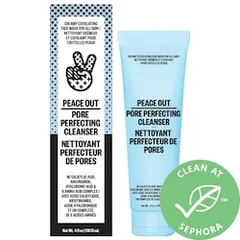
A pore minimizing cleanser and salicylic acid cleanser for pores, a non-stripping cream cleanser for oily skin with Niacinamide that clears clogged pores, blackheads, and excess oil while refining the look of pores and smoothing texture for all skin types.
Source: Peace Out Skincare
This product can help reduce breakouts and clogged pores because it contains the following ingredient: salicylic acid. This ingredient is used for treating acne and can have a noticeable effect.
Used for skin exfoliation. It has an anti-inflammatory and anti-bacterial effect, helps to unclog pores, prevent blemishes and speed up healing of the existing ones. Sometimes referred to as a BHA (beta-hydroxy acid)
Helps water and oil mix together. Has anti-bacterial properties that might be helpful in preventing blemishes
Is proven to be effective in reducing blemishes, evening out skin tone and helping to improve lines and wrinkles. It helps the skin to repair sun damage, calm down inflammation and keep maintain good levels of moisture. The concentration of about 2% is effective for supporting the skin barrier and evening out the skin tone. Concentration of 4-6% is better for helping with acne and balancing the sebum production
Cleansing
What does the product description say?
Pore Perfecting Cleanser
Source: Peace Out Skincare
This product works by removing dirt and oil from the surface of the skin. It uses a combination of mild cleansing agents (cocamidopropyl betaine, cocamidopropyl dimethylamine, coco-glucoside, coconut acid, glyceryl behenate, glyceryl caprylate, lauric acid, lauryl glucoside, myristic acid, palmitic acid, sodium cocoyl isethionate, sodium lauroyl methyl isethionate, sodium methyl oleoyl taurate, stearic acid) and should be able to cleanse the skin gently. Still keep in mind that any cleansing can disrupt the skin barrier, and most people do not need to cleanse their skin more than once per day.
Even though this formulation is mild, the following cleansing agents could trigger an irritation or allergy for some people: cocamidopropyl betaine, cocamidopropyl dimethylamine, coco-glucoside
Helps oil and water mix together and works as an emollient
Helps water and oil mix together. Used as a cleansing ingredient. Could be an allergen
Helps oil and water mix together. Can work as a cleansing agent. Can be irritating
Used as a cleansing agent (surfactant) in cleansers. Helps water and oil mix together in lotions. Can be irritating
Used to create a thicker product consistency and help soften the upper layer of the skin
An emollient that can also help water and oil mix together, as well as prevent bacteria growth in products
Helps water and oil mix together. Has anti-bacterial properties that might be helpful in preventing blemishes
Helps oil and water mix together
Helps oil and water mix together. Could be comedogenic
An emollient that is naturally present in skin and helps soften it
Helps water and oil mix together. Can be used as a cleansing agent
Works as a cleansing agent
Helps oil and water mix together
Exfoliation
What does the product description say?
A non-stripping, daily pore minimizing cleanser that gently exfoliates as it cleans.
Source: Peace Out Skincare
This product can help exfoliate the skin. In other words, it helps break down the bonds between dead cells on the surface of the skin and speed up the skin turnover. Skin often appears softer and brighter after exfoliation, but overdoing it can result in disrupted skin barrier. The following ingredient is doing the exfoliating job in this product: salicylic acid.
Used for skin exfoliation. It has an anti-inflammatory and anti-bacterial effect, helps to unclog pores, prevent blemishes and speed up healing of the existing ones. Sometimes referred to as a BHA (beta-hydroxy acid)
How honest is this product?
| Promise | Can it deliver? |
|---|---|
| Cleansing | |
| Exfoliation | |
| Anti-blemish |
Total Promises Fulfilled score: 100/100.
We receive a small commission for purchases made through these links at no cost for you. Thank you for your support! Learn more
Potential irritants
Comedogenic ingredients
User reviews (0)
Averages from community submissions.
No reviews yet for this product.
Be the first to share your experience!
Tried this product?
Help capture what the ingredient list can't—texture, finish, pilling, scent, and more. Answer what you can, skip the rest.
Takes ~30 seconds.
Reviews are shown in aggregate. No personal details.
| Product | Similarity | Price | Irritancy |
|---|---|---|---|
 Peace Out Pore Perfecting Cleanser | Current | ≈ $23.93 | |
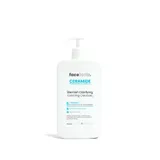
FaceFacts Ceramide Blemish Foaming Cleanser | 78% | - | |
Olay Hydrating Facial Cleanser, Hyaluronic Acid, for Normal Skin, Fragrance-Free | 75% | $6.94 | |
Community Sixty-Six Detoxifying AHA/BHA Gel Cleanser | 75% | $15.82 | |
 VERSO Acne Deep Cleanse | 74% | ≈ $30.18 | |
 Skinfix USA Acne+ 2% BHA Cleanser | 74% | $35.00 |
Key Actives
Is proven to be effective in reducing blemishes, evening out skin tone and helping to improve lines and wrinkles. It helps the skin to repair sun damage, calm down inflammation and keep maintain good levels of moisture. The concentration of about 2% is effective for supporting the skin barrier and evening out the skin tone. Concentration of 4-6% is better for helping with acne and balancing the sebum production
Used for skin exfoliation. It has an anti-inflammatory and anti-bacterial effect, helps to unclog pores, prevent blemishes and speed up healing of the existing ones. Sometimes referred to as a BHA (beta-hydroxy acid)
Helps water and oil mix together. Has anti-bacterial properties that might be helpful in preventing blemishes
Helps oil and water mix together and works as an emollient
An emollient that can also help water and oil mix together, as well as prevent bacteria growth in products
An emollient that is naturally present in skin and helps soften it
An amino-acid that helps to attract water to the upper layer of the skin. In combination with other amino-acids, might help to reduce fine lines and wrinkles
An amino-acid that helps to attract water to the upper layer of the skin and might help to lighten the skin, but solid evidence is lacking
An amino-acid that helps to attract water to the upper layer of the skin. In combination with other amino-acids, might help to reduce fine lines and wrinkles
Helps water and oil mix together. Can be used as a cleansing agent
Helps water and oil mix together. Used as a cleansing ingredient. Could be an allergen
Helps oil and water mix together. Could be comedogenic
Helps attract water to the upper layer of the skin
A good mix of fatty acids that forms a protective layer on the skin. Improves the shelf life of products. Derived from coconut and glycerin
Works as a cleansing agent
Helps oil and water mix together
Helps oil and water mix together. Can work as a cleansing agent. Can be irritating
Helps attract water to the upper layer of the skin and improves the product texture
Used as a cleansing agent (surfactant) in cleansers. Helps water and oil mix together in lotions. Can be irritating
Naturally present in skin and helps to attract water to its upper layer
Used to create a thicker product consistency and help soften the upper layer of the skin
Helps attract water to the upper layer of the skin. Is often used to adjust the pH level of the product
Naturally present in skin and helps to attract water to its upper layer
Helps to attract water to the upper layer of the skin and can help restore the skin barrier function
One of the best moisturizing ingredients. Attracts water into the upper layer of the skin
An amino-acid that helps attract water to the upper layer of the skin
An amino acid that is naturally present in skin and helps keep it hydrated. When used together with AHAs, it can reduce their irritating effect on the skin
Potential irritants
Helps water and oil mix together. Used as a cleansing ingredient. Could be an allergen
Helps oil and water mix together. Can work as a cleansing agent. Can be irritating
Used for skin exfoliation. It has an anti-inflammatory and anti-bacterial effect, helps to unclog pores, prevent blemishes and speed up healing of the existing ones. Sometimes referred to as a BHA (beta-hydroxy acid)
Used as a cleansing agent (surfactant) in cleansers. Helps water and oil mix together in lotions. Can be irritating
Can be drying and contribute to skin irritation. Used in formulars to dissolve other ingredients, create a thinner product consistency or for its antibacterial properties
Helps water and oil mix together. Can be used as a cleansing agent
Helps oil and water mix together. Could be comedogenic
A good mix of fatty acids that forms a protective layer on the skin. Improves the shelf life of products. Derived from coconut and glycerin
Used to thicken the product's consistency
Helps preserve products and creates a nice product texture
Used to create a thicker product consistency and help soften the upper layer of the skin
Helps attract water to the upper layer of the skin. Is often used to adjust the pH level of the product
Helps water and oil mix together. Has anti-bacterial properties that might be helpful in preventing blemishes
Can work as an exfoliant but is typically used to adjust the product pH
Helps to control the skin's pH level. Maintains the skin's natural film of amino-lactic acids and oils. Helps to preserve products
Comedogenic ingredients
Helps oil and water mix together. Could be comedogenic
Used to thicken the product's consistency
Helps water and oil mix together. Has anti-bacterial properties that might be helpful in preventing blemishes
All ingredients
Helps water and oil mix together. Can be used as a cleansing agent
Acts as a solvent for other ingredients. Speeds up the absorption of other ingredients into the skin
Helps water and oil mix together. Used as a cleansing ingredient. Could be an allergen
Helps oil and water mix together. Could be comedogenic
A good mix of fatty acids that forms a protective layer on the skin. Improves the shelf life of products. Derived from coconut and glycerin
Increases thickness of a product. Texture enhancer for oil-in-water emulsions
Used to thicken the product's consistency
Helps preserve products and creates a nice product texture
An emollient that can also help water and oil mix together, as well as prevent bacteria growth in products
Helps oil and water mix together. Can work as a cleansing agent. Can be irritating
Helps attract water to the upper layer of the skin and improves the product texture
Is proven to be effective in reducing blemishes, evening out skin tone and helping to improve lines and wrinkles. It helps the skin to repair sun damage, calm down inflammation and keep maintain good levels of moisture. The concentration of about 2% is effective for supporting the skin barrier and evening out the skin tone. Concentration of 4-6% is better for helping with acne and balancing the sebum production
Used for skin exfoliation. It has an anti-inflammatory and anti-bacterial effect, helps to unclog pores, prevent blemishes and speed up healing of the existing ones. Sometimes referred to as a BHA (beta-hydroxy acid)
Used as a cleansing agent (surfactant) in cleansers. Helps water and oil mix together in lotions. Can be irritating
Used to create a thicker product consistency and soften the upper layer of the skin
Naturally present in skin and helps to attract water to its upper layer
Used to create a thicker product consistency and help soften the upper layer of the skin
An emollient that is naturally present in skin and helps soften it
Helps attract water to the upper layer of the skin. Is often used to adjust the pH level of the product
Naturally present in skin and helps to attract water to its upper layer
Helps water and oil mix together. Has anti-bacterial properties that might be helpful in preventing blemishes
An amino-acid that helps to attract water to the upper layer of the skin. In combination with other amino-acids, might help to reduce fine lines and wrinkles
An amino-acid that helps to attract water to the upper layer of the skin and might help to lighten the skin, but solid evidence is lacking
Helps to attract water to the upper layer of the skin and can help restore the skin barrier function
One of the best moisturizing ingredients. Attracts water into the upper layer of the skin
An amino-acid that helps attract water to the upper layer of the skin
An amino-acid that helps to attract water to the upper layer of the skin. In combination with other amino-acids, might help to reduce fine lines and wrinkles
An amino acid that is naturally present in skin and helps keep it hydrated. When used together with AHAs, it can reduce their irritating effect on the skin
Can be drying and contribute to skin irritation. Used in formulars to dissolve other ingredients, create a thinner product consistency or for its antibacterial properties
Can work as an exfoliant but is typically used to adjust the product pH
Used to stabilize mixtures of oil and water, and create thicker, gel-like product textures
Helps to control the skin's pH level. Maintains the skin's natural film of amino-lactic acids and oils. Helps to preserve products
Ingredient list view
Water, Sodium cocoyl isethionate, Propanediol, Cocamidopropyl betaine, Myristic acid, Diglycerin, Stearic acid, Cellulose acetate, Caprylic/capric triglyceride, Ammonium acryloyldimethyltaurate/vp copolymer, Zea mays starch, Sodium lauroyl methyl isethionate, Caprylyl glycol, Glyceryl caprylate, Sodium methyl oleoyl taurate, Cocamidopropyl dimethylamine, Coconut acid, Ethylhexylglycerin, Betaine, Niacinamide, Glyceryl dibehenate, Potassium hydroxide, Salicylic acid, Coco-glucoside, Lauryl glucoside, Tribehenin, Sodium isethionate, Sodium pca, Glyceryl behenate, Palmitic acid, Sodium lactate, Pca, Sodium benzoate, Lauric acid, Serine, Alanine, Glycine, Sodium hyaluronate, Glutamic acid, Lysine hcl, Threonine, Arginine, Proline, Alcohol, Citric acid, Sodium carboxymethyl starch, Sodium chloride, Sodium citrate
- Final Report on the Safety Assessment of Sodium Cocoyl Isethionate
- The fatty acid profile of the skin surface lipid layer in papulopustular rosacea
- Occupational contact allergy to cocamidopropyl betaine and its impurities
- Niacinamide - mechanisms of action and its topical use in dermatology
- Gehring, W. (2004). Nicotinic acid/niacinamide and the skin. Journal of Cosmetic Dermatology, 3(2), 88–93. doi:10.1111/j.1473-2130.2004.00115.x
- Salicylic acid as a peeling agent: a comprehensive review
- Beta Hydroxy Acids
- A review of toxicity from topical salicylic acid preparations
- Glycolic Acid Peels Versus Salicylic–Mandelic Acid Peels in Active Acne Vulgaris and Post‐Acne Scarring and Hyperpigmentation: A Comparative Study
- In Vitro Assessment of Skin Irritation Potential of Surfactant-based Formulations by Using a 3-D Skin Reconstructed Tissue Model and Cytokine Response
- Allergen of the Year—Alkyl Glucoside
- Topical palmitoyl pentapeptide provides improvement in photoaged human facial skin
- Combination of amino acids reduces pigmentation in B16F0 melanoma cells
- Effect of Topical Application of Glycine and Proline on Recalcitrant Leg Ulcers of Prolidase Deficiency
- Functional glycine receptor in cultured human keratinocytes
- Hyaluronic acid: A key molecule in skin aging
- Hyaluronan (Hyaluronic Acid): a natural moisturizer for skin care